
HUMMUS RECIPES
There is no doubt about the popularity of hummus, which is a staple on tables in the Middle East region, and has become a favorite buy the world over.
Serves 5 | Prep/cooking 65 mins
INGREDIENTS |
- 250g chickpeas
- 1tbs baking soda
- 10g garlic
- 75g olive oil
- 350g tahini
- 250g lemon juice
- 4 ice cubes
- Pinch of salt
- Pinch of paprika&parsley (optional)
PREPARATION |
- Soak the chickpeas in cold water overnight (minimum of 10 hours) adding baking soda .
- The next day, remove the water and pour into a pot, add water and bring to boil over a high flame.
- Skim off foam that comes to surface. then once the water boils, lower the heat until the chickpeas have softened, around 20 minutes (it will break between your fingers).
- Drain the chickpeas but keep about 1 cup of the water in the pot. Set aside to cool while you prepare the other ingredients. Keep about 1/4 cup of the chickpeas for garnish.
- Make a creamy paste by adding the chickpeas in a food processor for a few minutes, then add ice cubes, tahini, lemon juice, garlic, salt and pepper. taste to adjust seasoning.
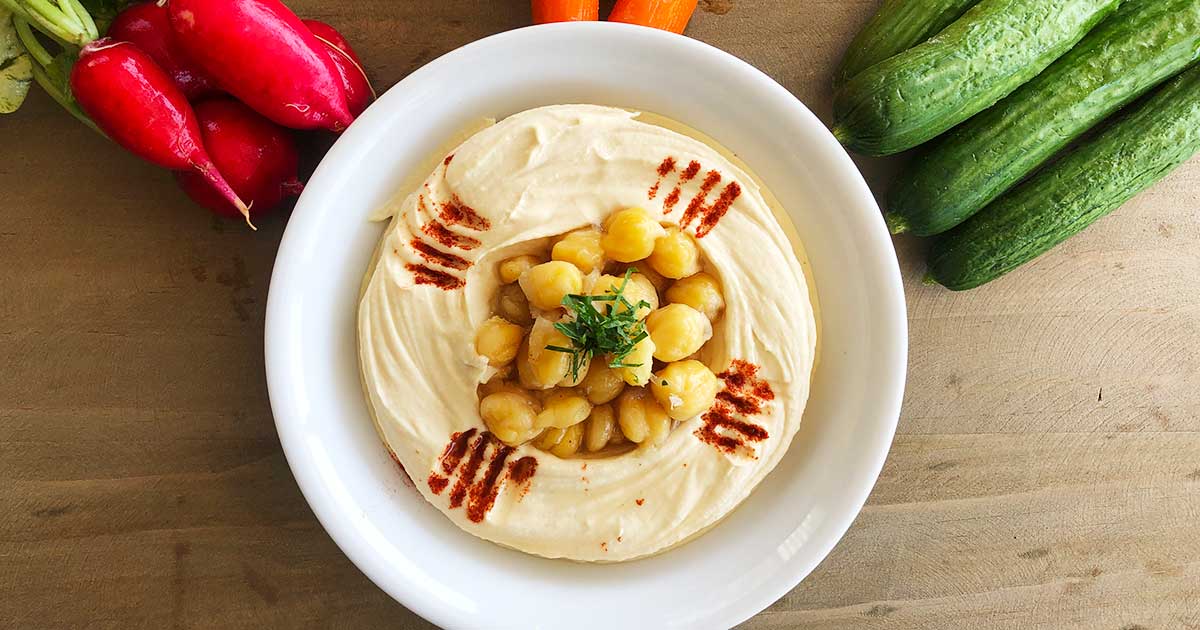
- Pour the hummus in a bowl, garnish with the whole chickpeas and a little extra-virgin olive oil , parsley and sprinkling of paprika are optional. Serve with bread.
RESTAURANT IN JORDAN |
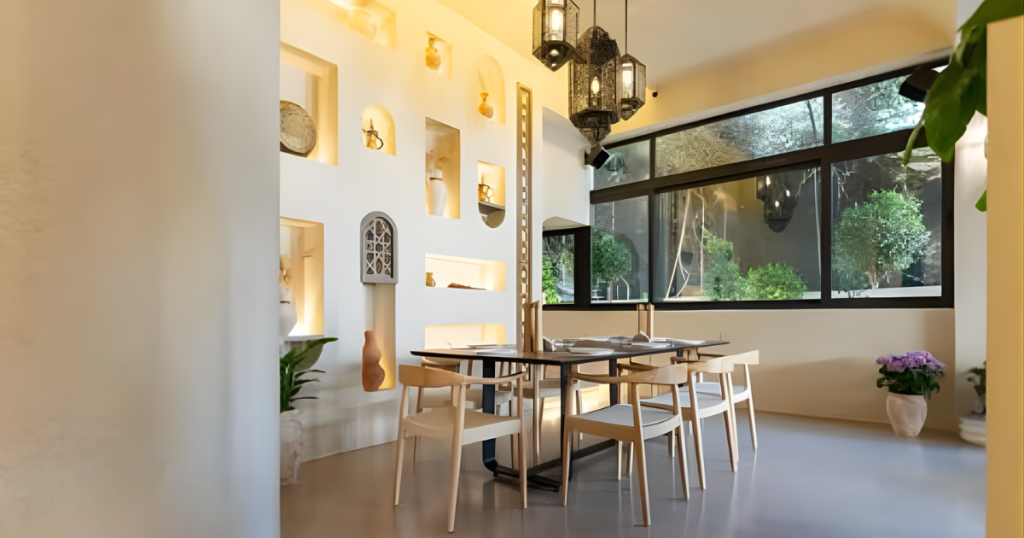
MAZZEH
A Destination for Lebanese and Mediterranean Flavors
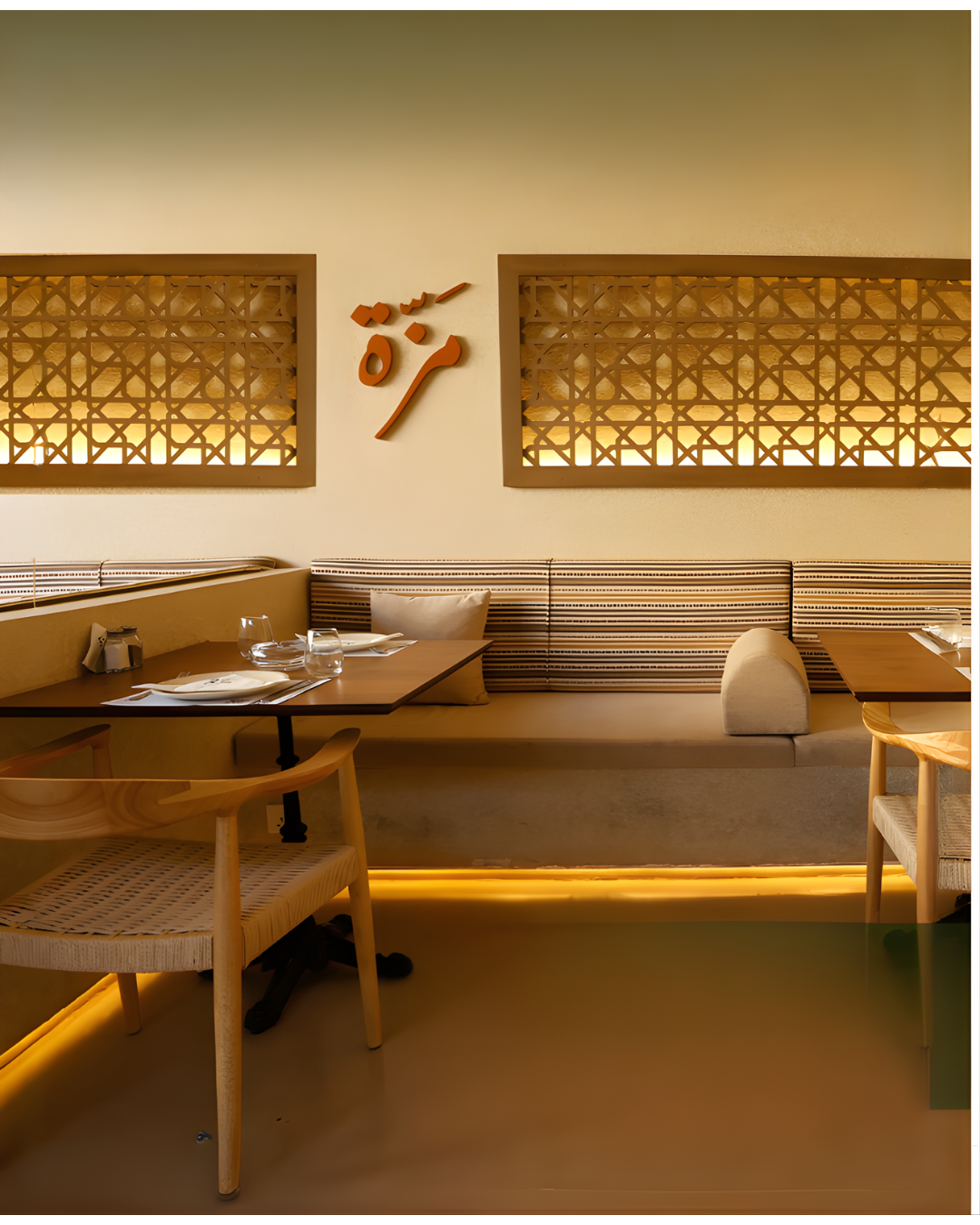
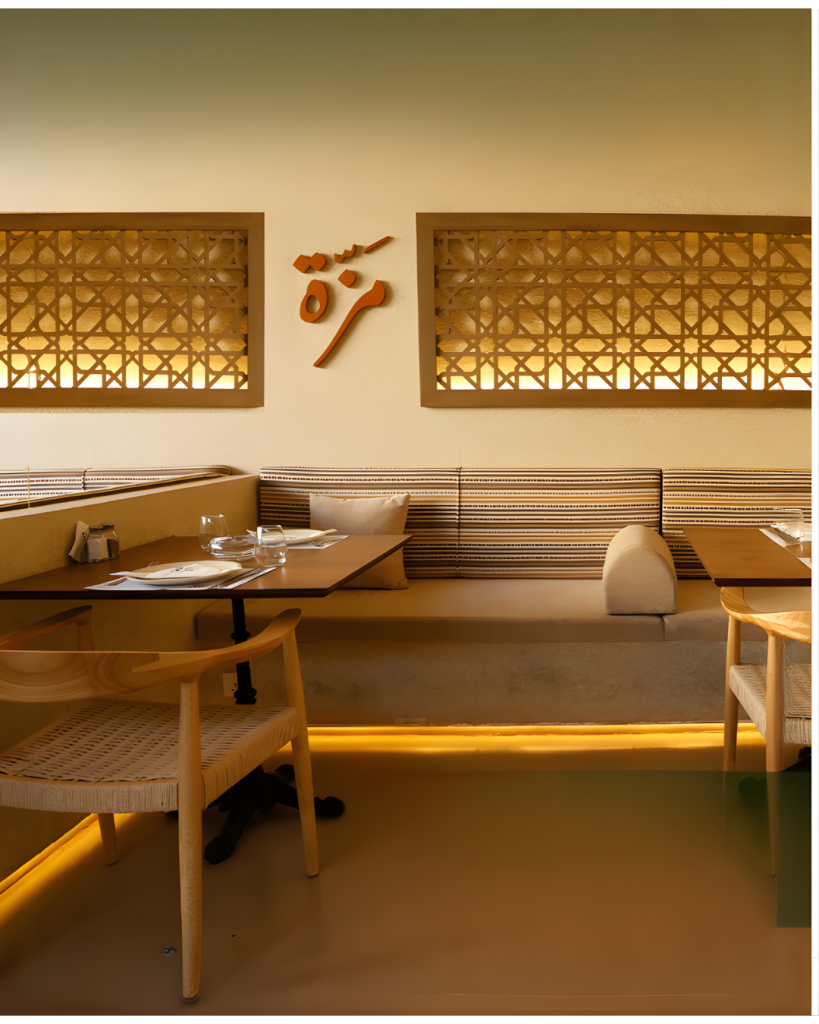
Mazzeh Restaurant is located in Jabal Al-Weibdeh, one of the most well-known cultural neighborhoods in Amman. The area is recognized for its cafés, restaurants, and art spaces, making it a popular destination for both residents and visitors exploring the city. Because of its central location in this lively district, the restaurant attracts a mix of locals, tourists, and food enthusiasts looking to experience Levantine cuisine in a neighborhood known for its vibrant atmosphere.
Lebanese and Mediterranean Cuisine
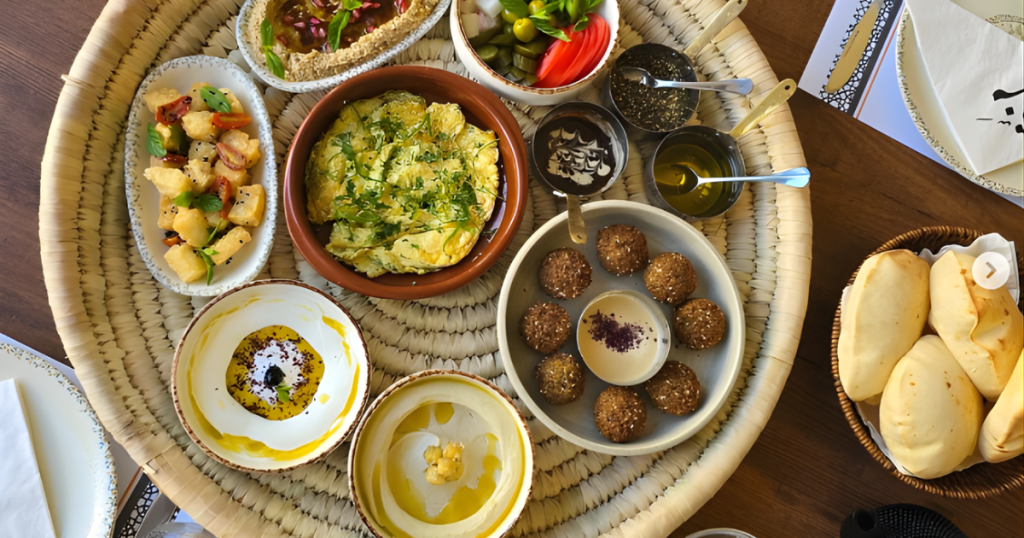
Mazzeh Restaurant focuses on Lebanese, Mediterranean, and Middle Eastern dishes, with a menu built around the region’s traditional flavors. The restaurant is especially known for serving mezze, the small shared plates that are a central part of Levantine dining culture. Typical mezze selections include dishes such as hummus, tabbouleh, salads, and other classic appetizers, allowing guests to enjoy a variety of flavors during one meal.
A Menu Built Around Shared Dining
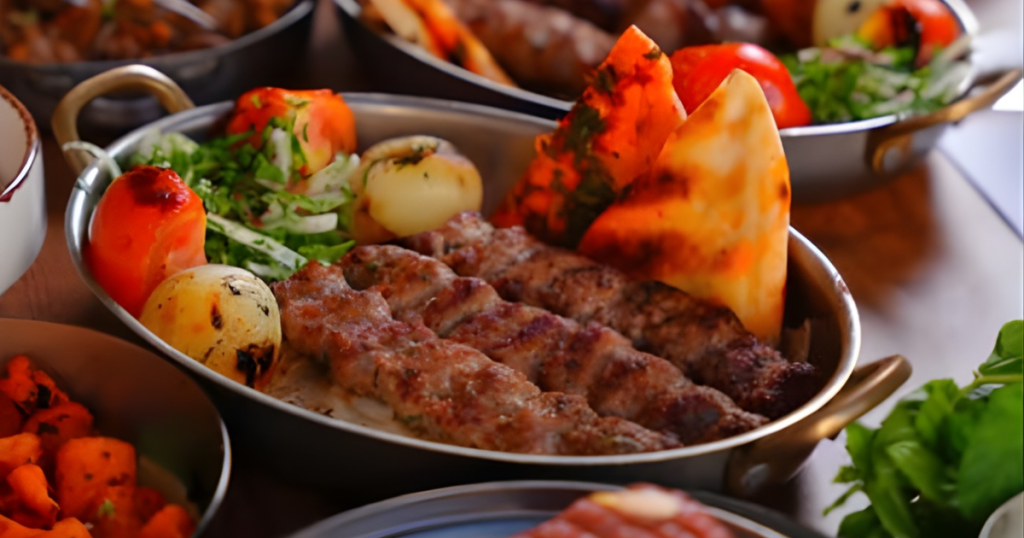
The concept of sharing multiple small dishes is an important tradition in Middle Eastern cuisine. At Mazzeh Restaurant, diners often order several mezze plates alongside grilled items, creating a dining experience that encourages conversation and social interaction around the table. This style of dining reflects the broader food culture of the Levant, where meals are commonly enjoyed with family and friends.
Type of cuisine: Lebanese and mediterranean cuisine.
Recommended dishes: tahini salad, shrimp mutaffa, and arayes.
Address: Amman, Jordan


OTHER RECOMMENDED RESTAURANTS
WHAT’S NEW |
COOKING CLASSES TO STEP AWAY AND SPEND TIME WITH YOUR MOM
Mother’s Day is about more than flowers and gifts, it’s about time. The kind of time that turns into memories, laughter, and stories you’ll tell for years. And few things bring people together quite like cooking. Across the Middle East, a growing number of culinary studios and cooking schools are opening their kitchens to guests who want to do more than just dine, they want to create. This guide brings together some of the most inviting cooking experiences across the region that you can enjoy with your mom.
EGYPT
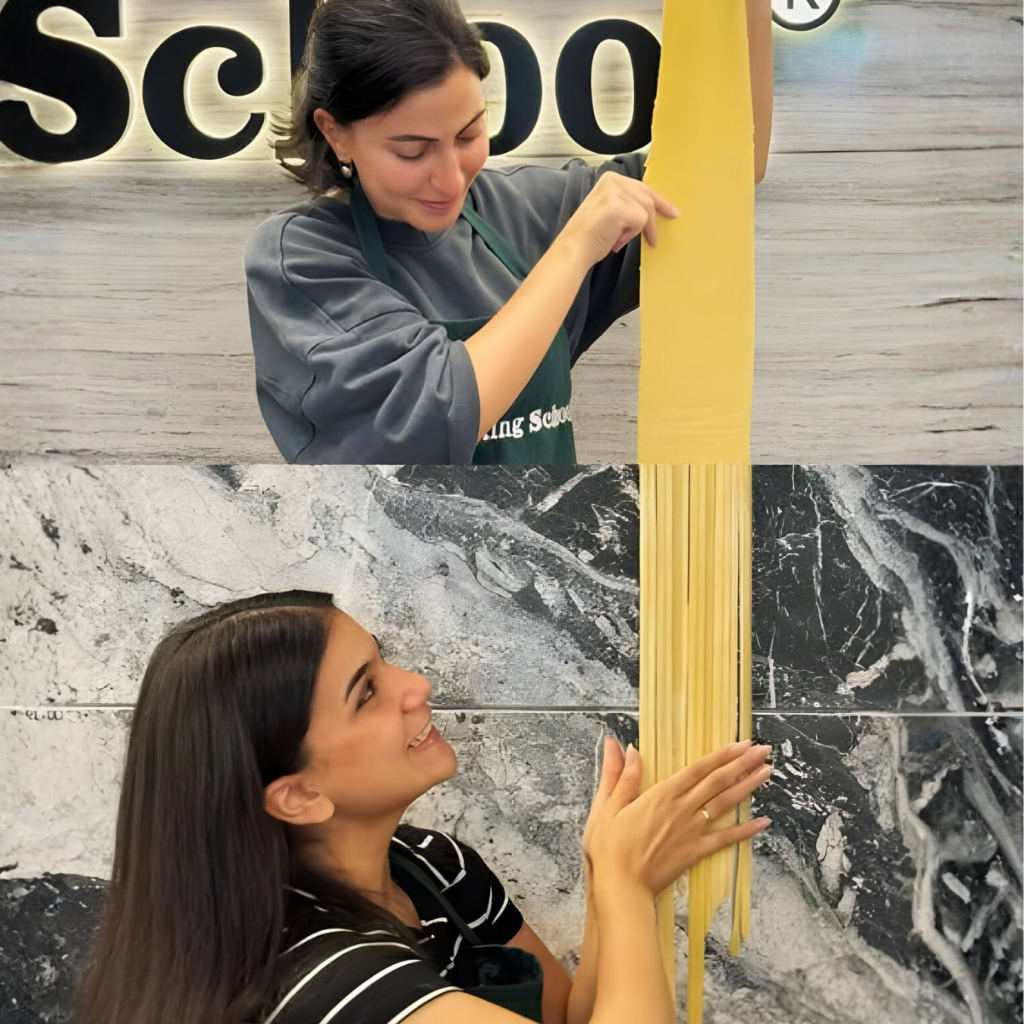
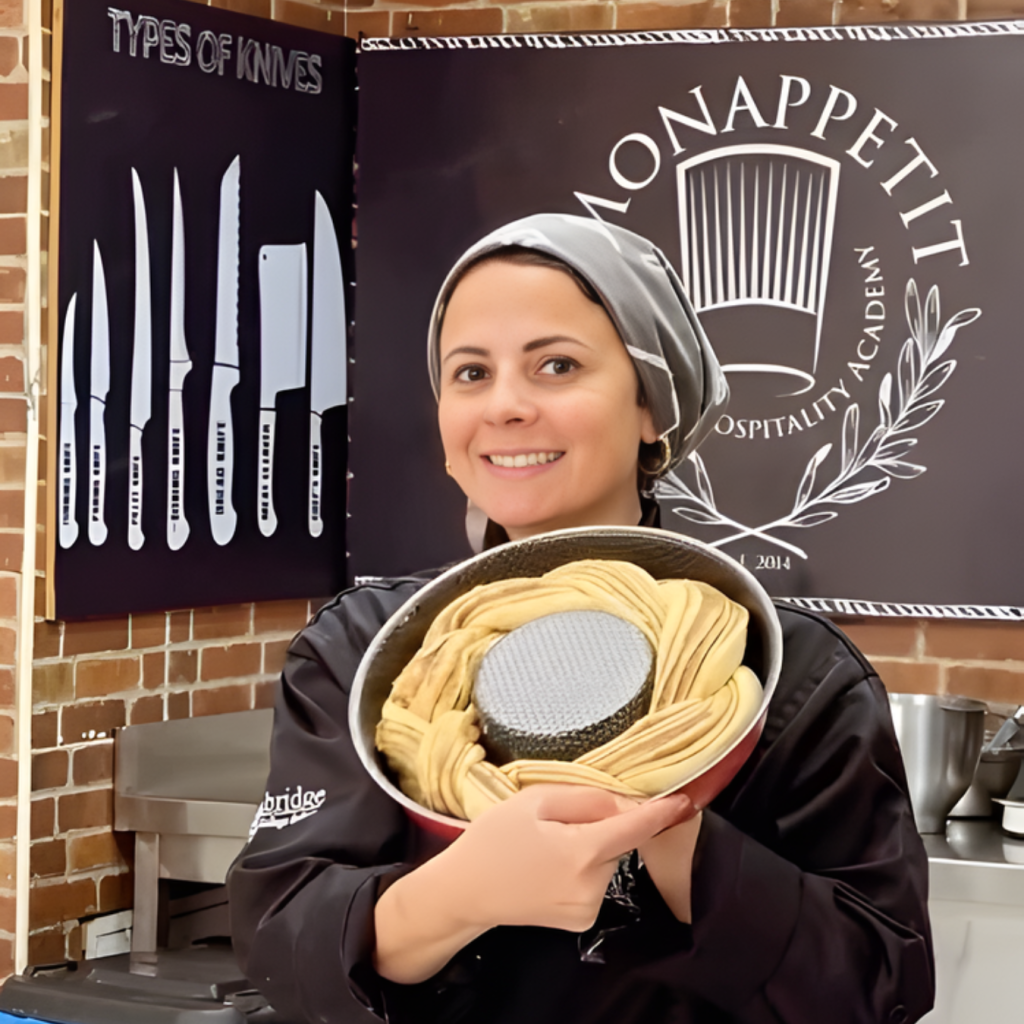
MONAPPETIT CULINARY & HOSPITALITY ACADEMY
Located in Palm Strip Mall, Gizah, MonAppetit provides a diverse selection of cooking classes led by renowned chefs. Courses cover various international cuisines and baking techniques, catering to individuals of all skill levels, from casual home cooks to seasoned professionals.
JORDAN
BEIT SITTI
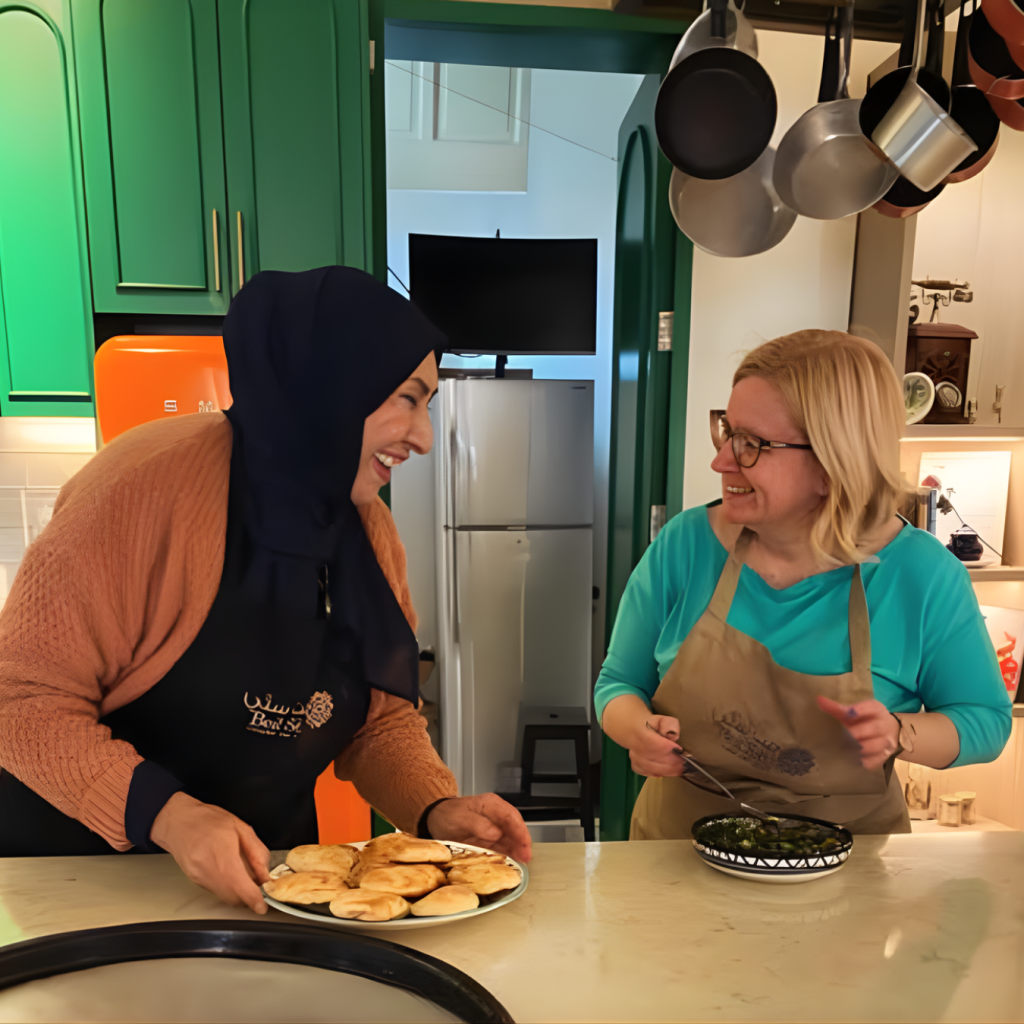
Beit Sitti, situated in Jabal Al Weibdeh, offers a unique culinary experience. Guests can participate in a hands-on cooking class to prepare a four-course Arabic meal. Following the class, they can savor their creations while enjoying the vibrant city atmosphere and panoramic views of Amman’s historic district.

KUWAIT
BAKING ARTS TRAINING CENTER
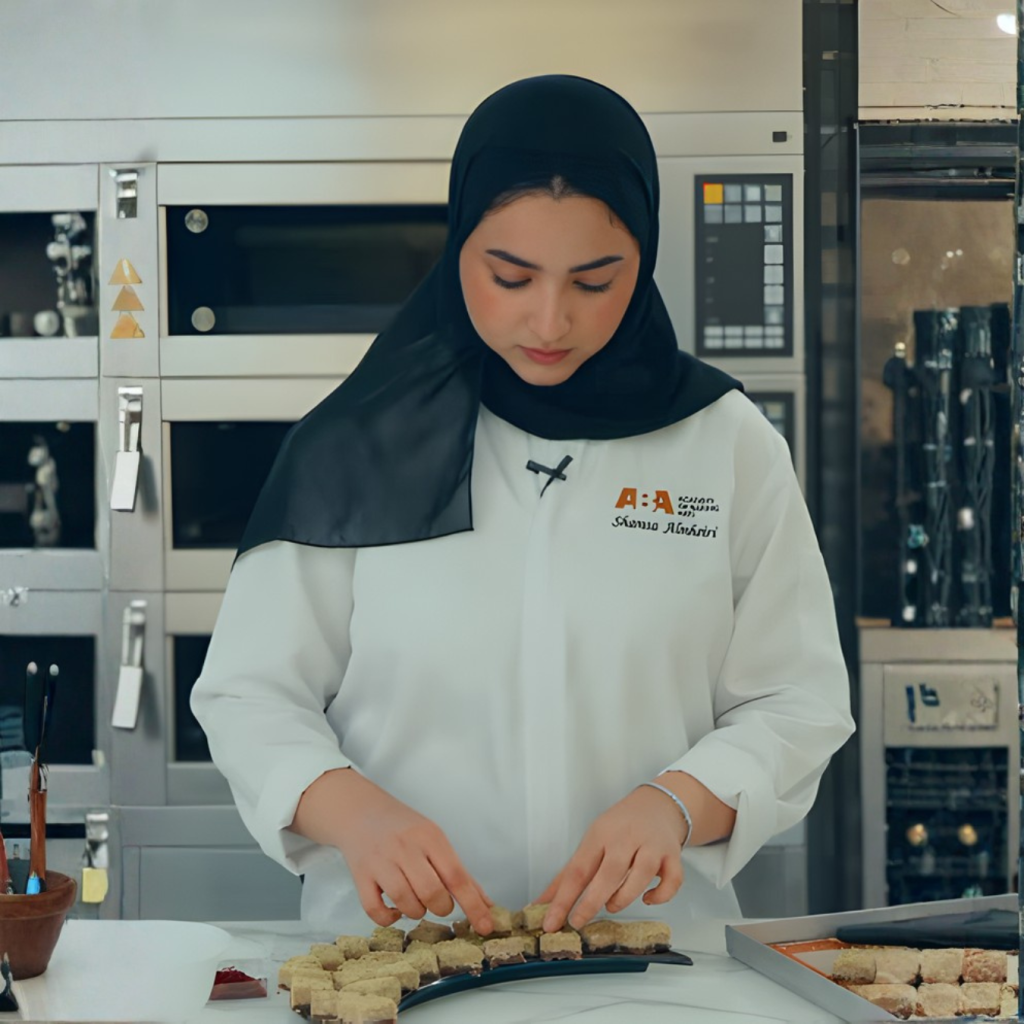
The Baking Arts Training Center in Kuwait is a premier institution dedicated to the art of baking and pastry making. Offering professional-level courses and hands-on training, it equips students with expert techniques and knowledge in everything from classic pastries to contemporary desserts.
LEBANON
HOSPITALITY PROFESSIONALS ACADEMY
Founded by Chef Sleiman Khawand, Hospitality Professionals Academy is committed to turning culinary dreams into reality. A training center that serves as a smaller version of a large culinary school. Through it, they share all of our expertise with aspiring chefs.

MAROUN CHEDID COOKING ACADEMY
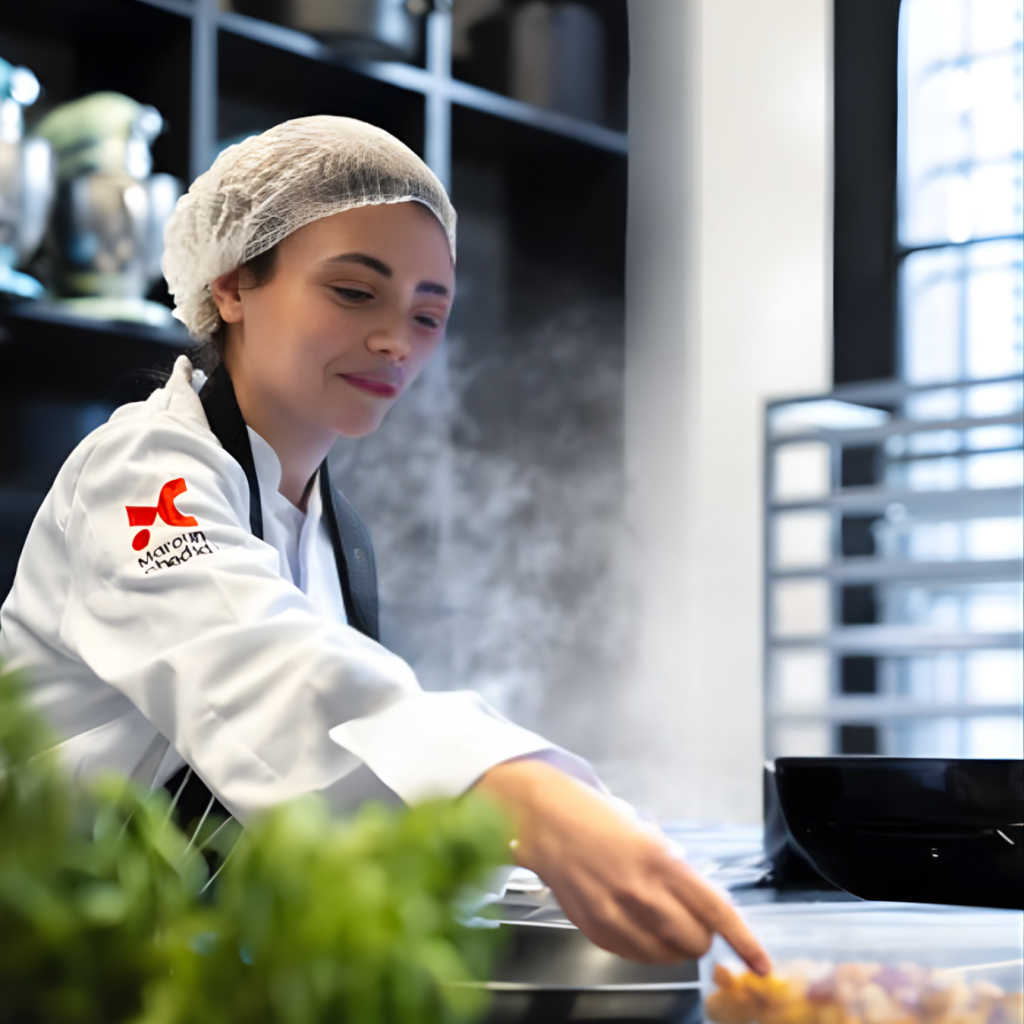
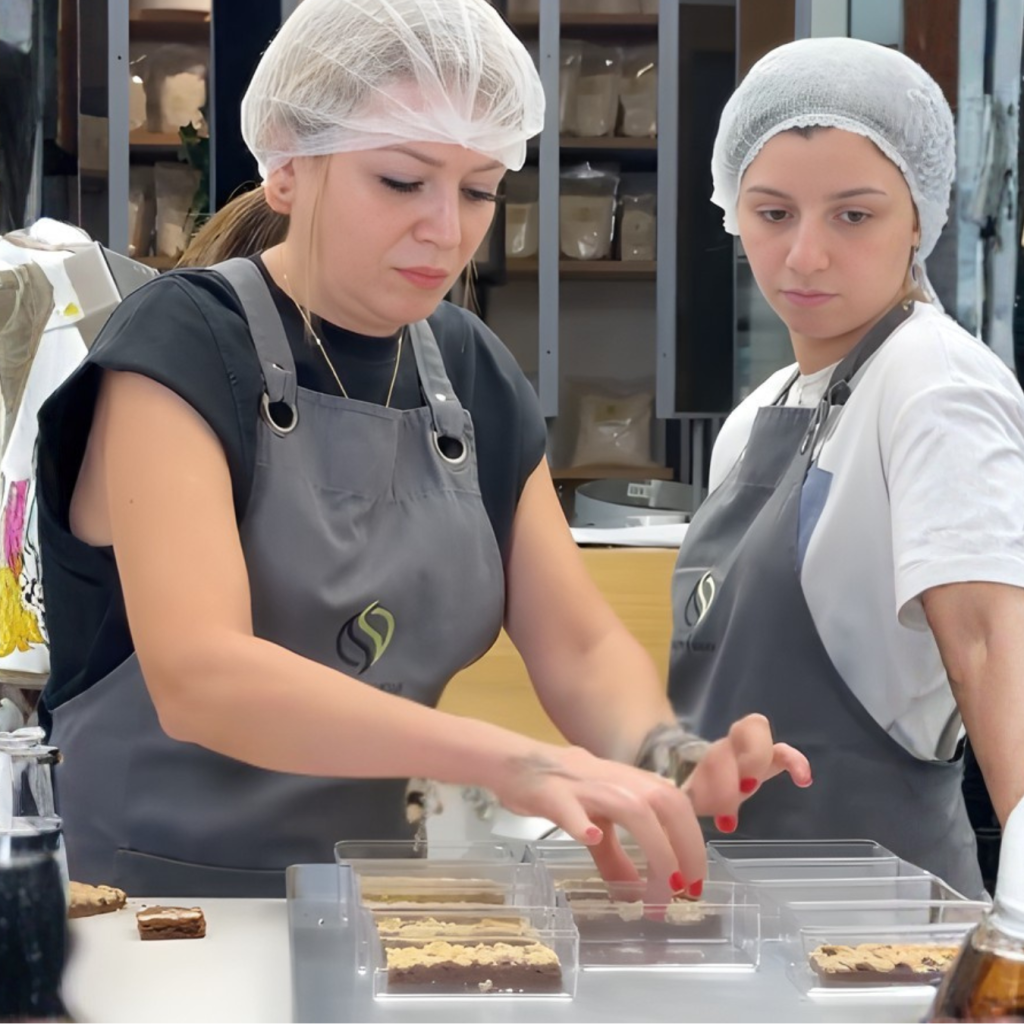
Maroun Chedid Cooking Academy is a renowned culinary institution in Lebanon, led by chef Maroun Chedid. The academy offers a diverse range of cooking classes, workshops, and demonstrations, catering to both aspiring home cooks and culinary professionals.

WELL DONE SOCIETY
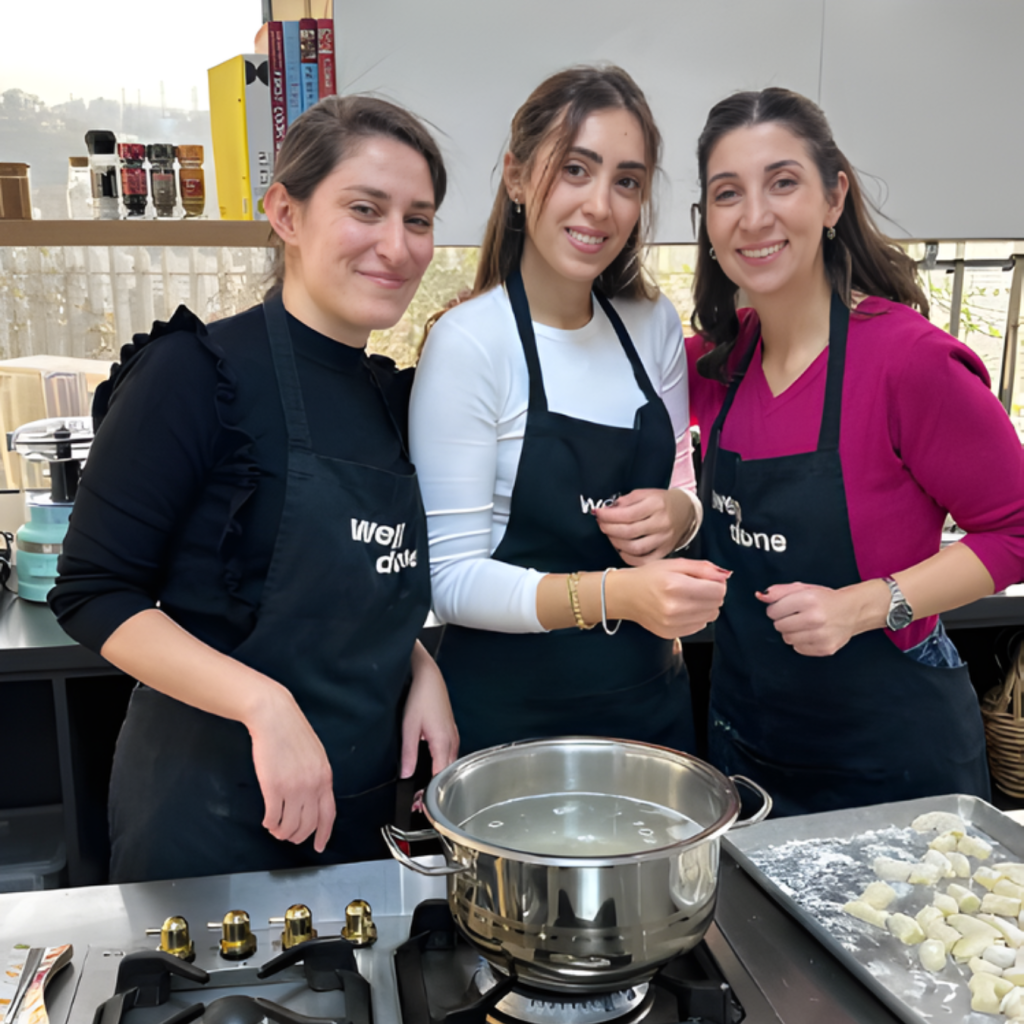
Well Done Society by Chef Mirella Khalifa is a culinary platform dedicated to promoting healthy and delicious cooking. Chef Mirella Khalifa, a renowned Lebanese chef and nutritionist, shares her expertise through a variety of online and in-person classes, workshops, and meal plans.

QATAR
THE COOKING ACADEMY
The Cooking Academy Qatar is a premier culinary institution dedicated to nurturing culinary talent and promoting culinary excellence in Qatar. The academy offers a wide range of programs, including professional chef training, culinary arts courses, and specialized workshops.


SAUDI ARABIA
MAESTRO ACADEMY
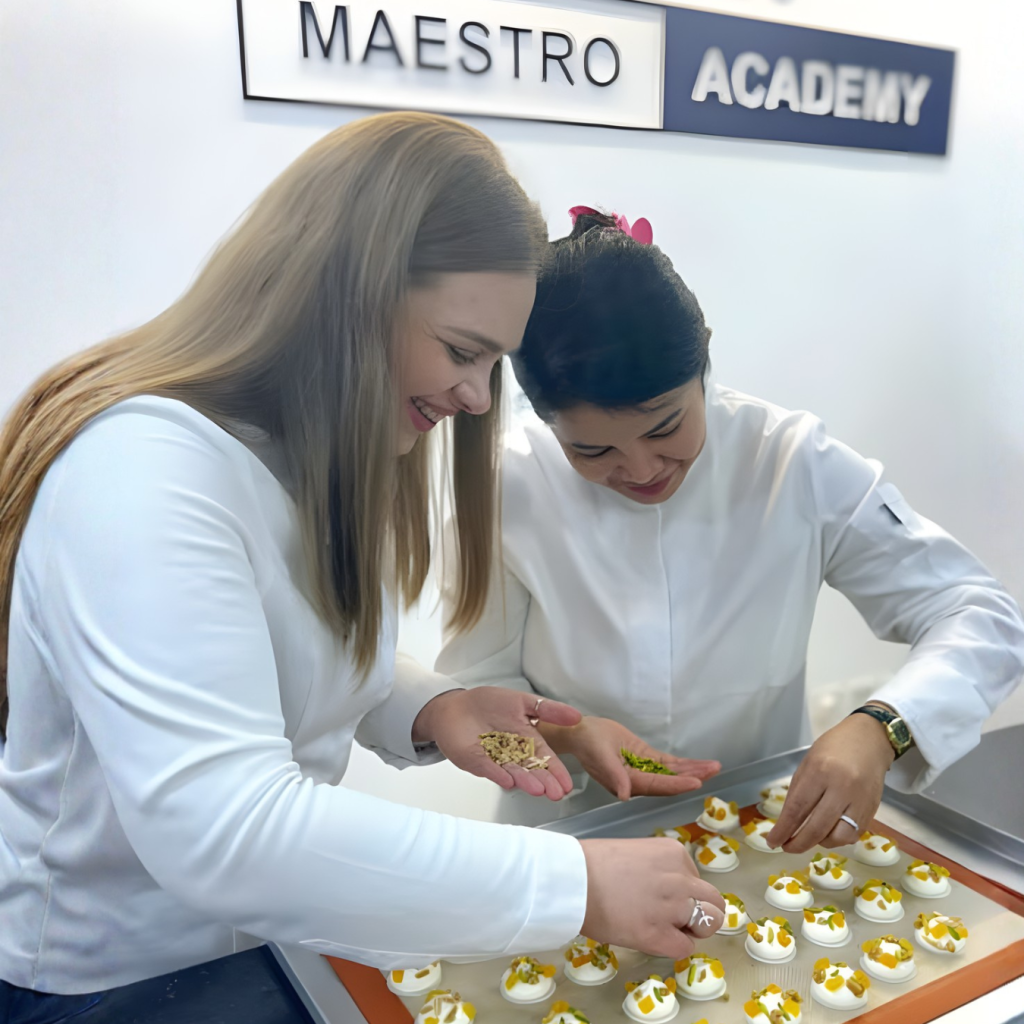
Maestro Academy is a leading culinary institution in Saudi Arabia, offering a wide range of professional chef training programs. With a focus on equipping students with the skills and knowledge needed to excel in the culinary industry,Maestro Academy provides comprehensive training in various aspects of cooking, including classical techniques, modern cuisine, and pastry making.

UAE
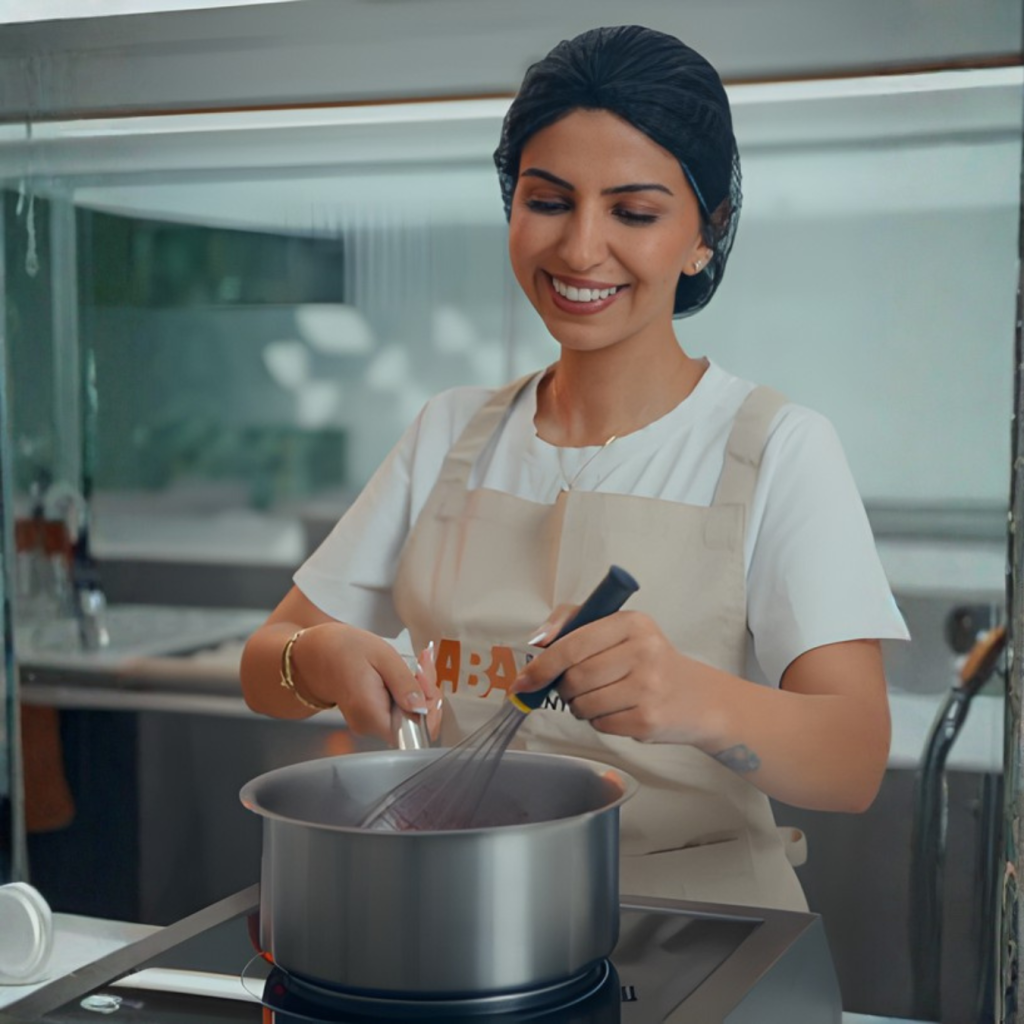
BAKING ART TRAINING CENTER
Baking Art Training Center is a renowned institution dedicated to nurturing culinary talent in the United Arab Emirates.Specializing in the art of baking, the center offers a variety of courses and workshops covering a wide range of baking techniques and styles.
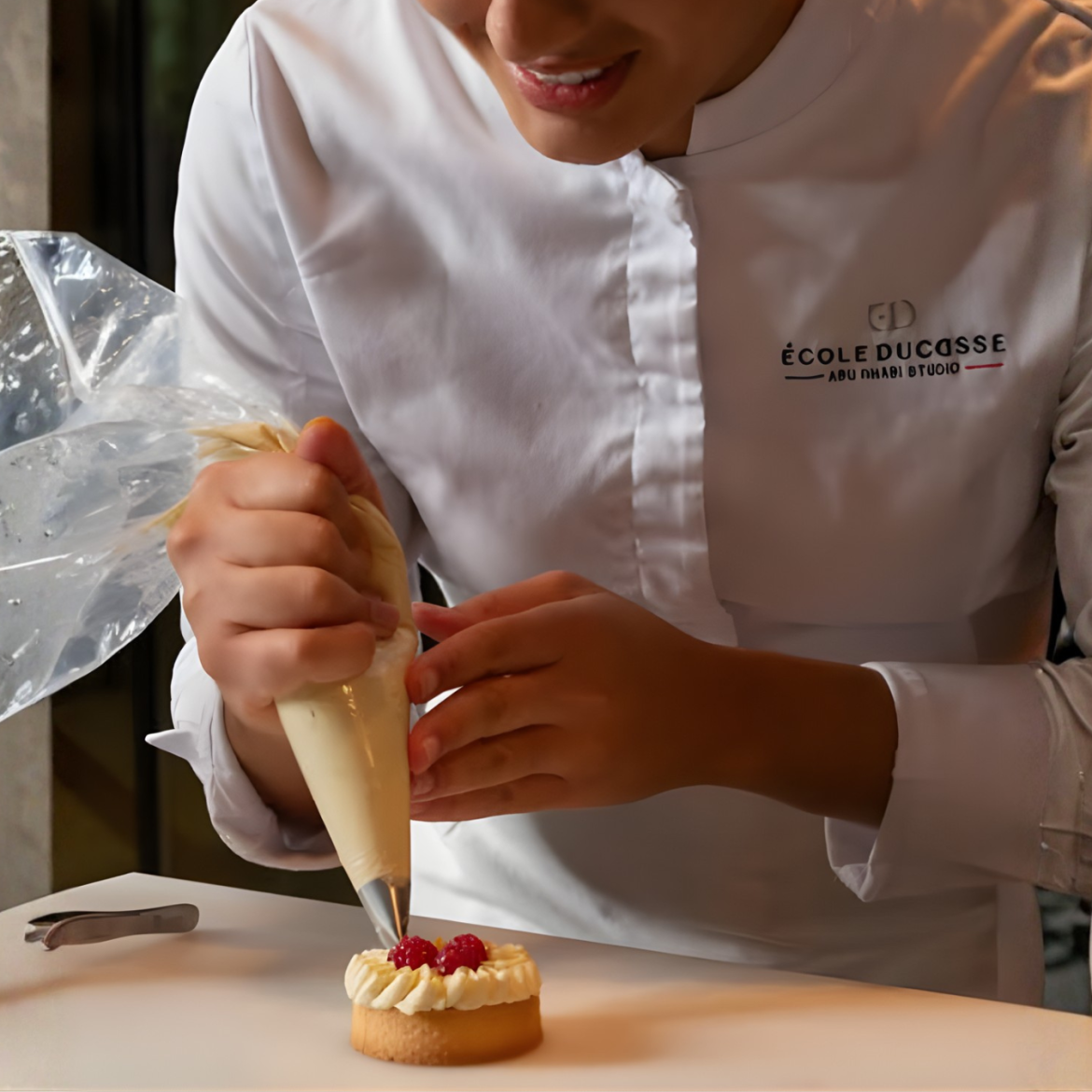
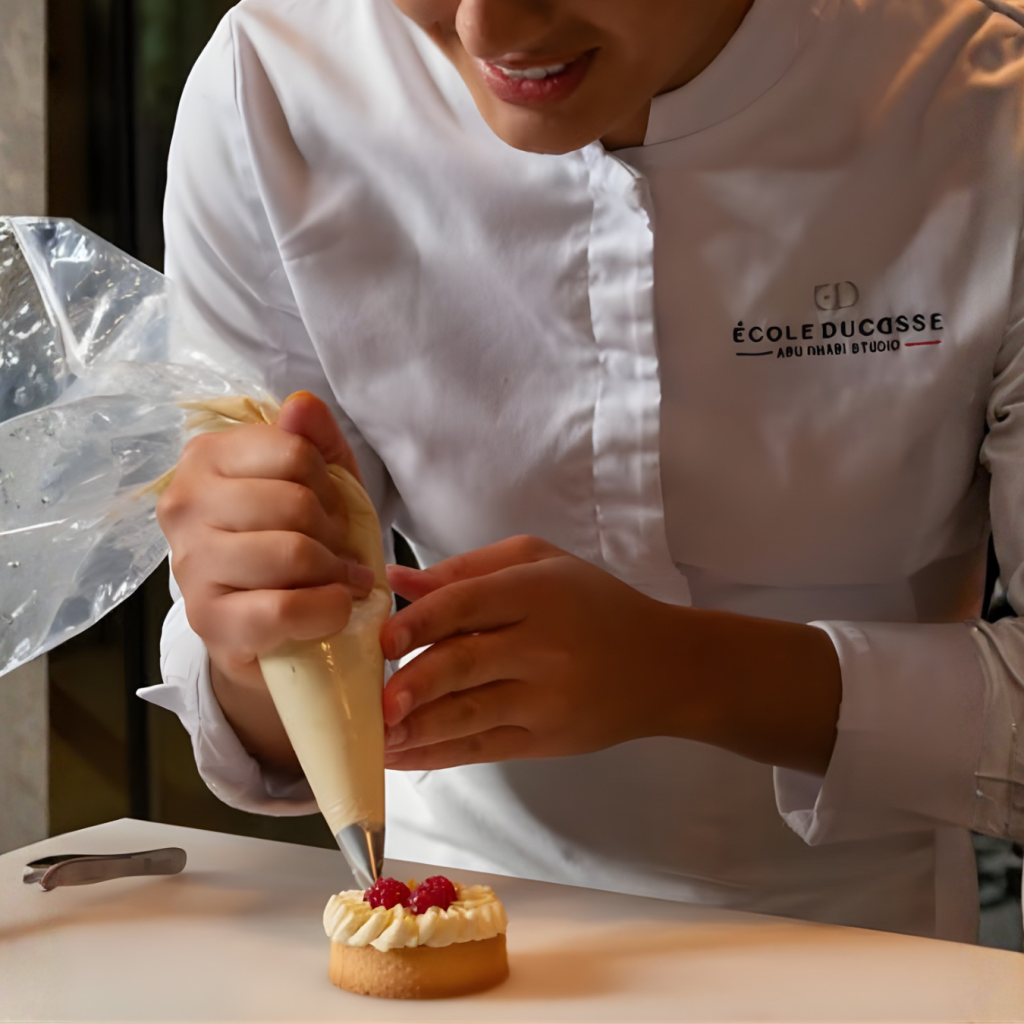
ECOLE DUCASSE ABU DHABI STUDIO
Ecole Ducasse Abu Dhabi Studio is a prestigious culinary institution offering world-class training and education in the culinary arts. As part of the renowned Ecole Ducasse network, the Abu Dhabi studio provides a unique opportunity for aspiring chefs and culinary professionals to learn from renowned chefs and industry experts.

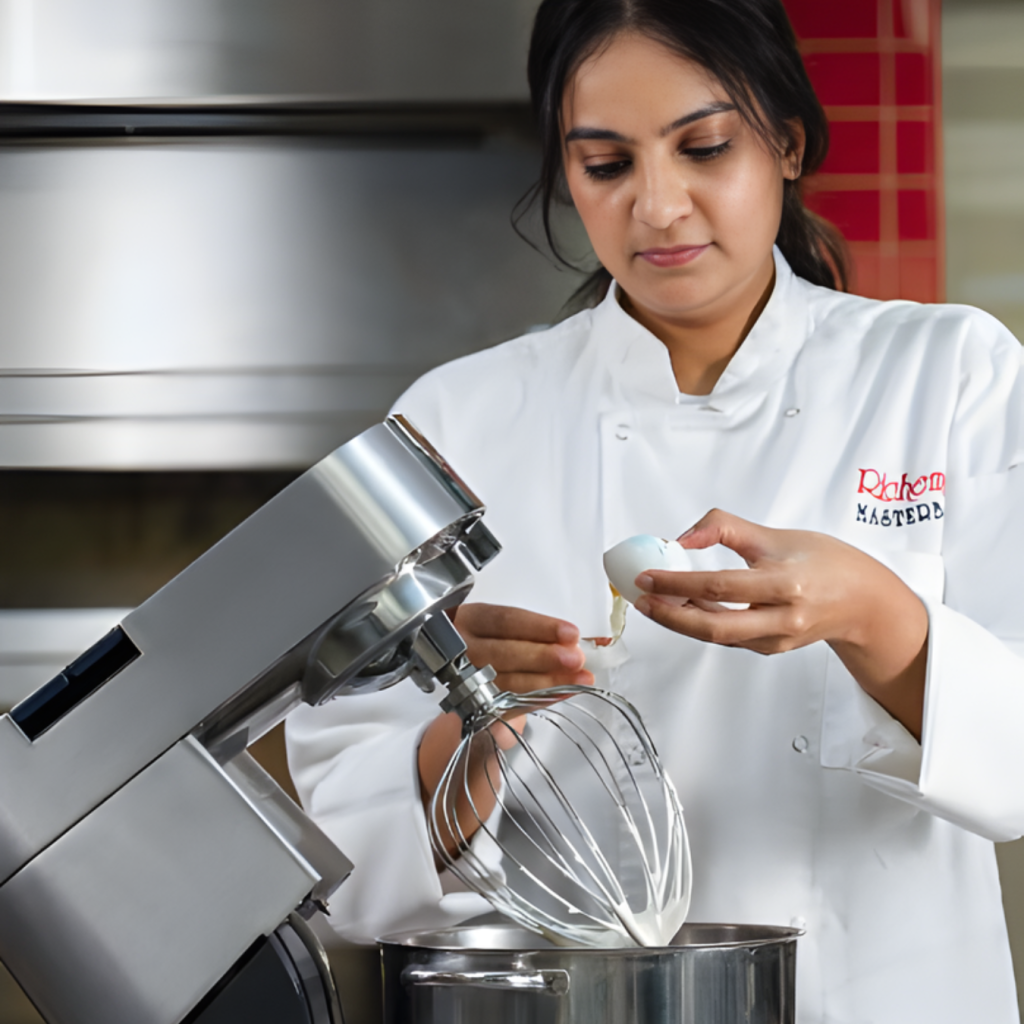
RICHEMONT MASTERBAKER
Richmont Masterbaker is a top-tier academy specializing in the art of bread, pastry, and confectionery. With courses designed for both beginners and professionals, this prestigious school offers hands-on training and expert guidance to help students master the craft of baking.
INTERVIEW |

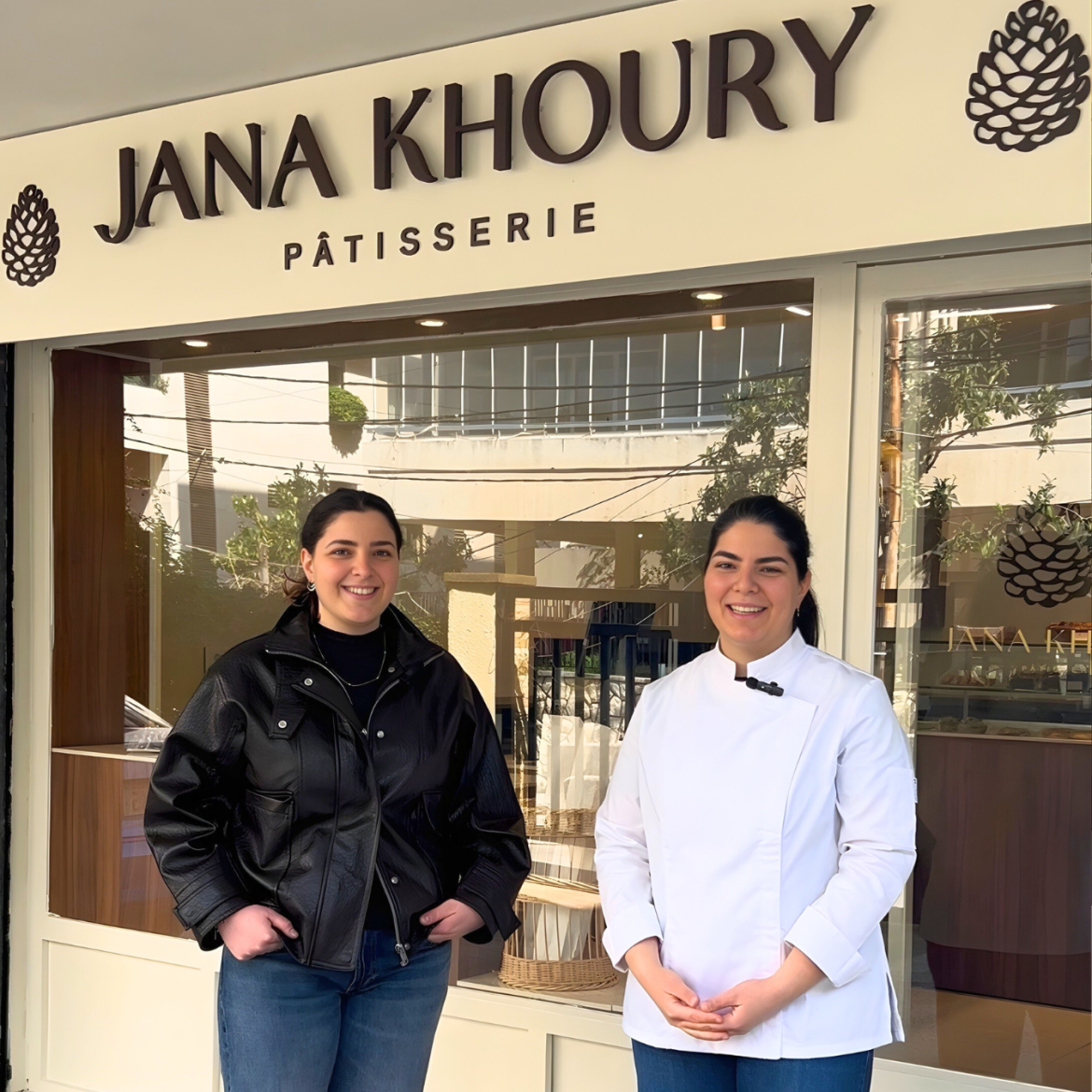
1. What inspired you to become a chef, and how does that story shape your baking today?
My passion for pastry began in childhood, inspired by my mother, who first introduced me to baking. We used to bake together for every special occasion, and those moments created a deep love for pastry that has stayed with me ever since.
Today, in my creations, I always strive to combine the precision of French pastry techniques with the rich, warm flavors of the Orient, creating desserts that are both elegant and meaningful.
I later pursued my studies in Culinary Arts and Restaurant Management in Lebanon before refining my skills in Pastry and Bakery at Le Cordon Bleu Paris. I then had the opportunity to train with renowned pastry chef Philippe Conticini and work for several years at Le Royal Monceau in Paris. These experiences helped me build strong technical foundations and shape my creative identity.
2. What’s one dessert that best represents your style — and why?
The dessert that best represents my style is my entremet Pomme de Pin. It was the very first signature creation I developed for my final exam at Le Cordon Bleu Paris, making it especially meaningful in my journey.
The dessert is a trompe-l’œil shaped like a pine cone. It is composed of pine bud mousse, clementine confit, pine nut crémeux, olive oil sponge, and pine nut croustillant. It perfectly expresses my identity: technical French pastry combined with flavors deeply rooted in my Lebanese heritage.
My inspiration comes from Lebanon’s pine forests and the pure, natural notes of pine. Through this dessert, I wanted to translate the beauty of Lebanese nature into a refined pastry creation.
3. What are three ingredients you always keep in your kitchen?
Three ingredients I always keep in my kitchen are high-quality butter, pure vanilla, and premium chocolate.
These ingredients are the foundation of fine pastry and allow me to create desserts that are rich, balanced, and elegant.
4. What is your philosophy or motto?
My philosophy is to respect the classics while continuously evolving, believing that nothing is impossible when passion meets patience.
Pastry is a discipline that demands time, precision, and resilience. Mastering the fundamentals is essential, but true identity emerges from adding your own signature. For me, the key is to stay dedicated, trust the process, and never give up.
5. What is your dream in life?
I have always dreamed of opening my own pastry shop, and now that I have, my hope is to continue growing, creating, and sharing desserts that people will truly enjoy and appreciate.
I want every guest to have a memorable experience, where each creation delights the senses and brings a little joy to their day.
At the same time, I aim to keep evolving as a chef—continuously learning, experimenting, and pushing the boundaries of pastry—crafting desserts that not only delight the senses but also leave a lasting impression.
6. What are your current projects and plans?
Currently, I am focused on growing my pastry brand and enhancing the experience in my shop. This includes creating new signature desserts, experimenting with innovative flavor combinations, and perfecting the presentation of each creation to make every visit a memorable journey.
I am also exploring collaborations, workshops, and events to share my passion for pastry with a wider audience. Through my desserts, I aim to bring joy to people and take them on a journey—inviting them to travel through flavors, textures, and stories with every bite. My goal is to continue evolving as a chef while offering unique and unforgettable experiences through my creations.
RESTAURANT IN KSA |
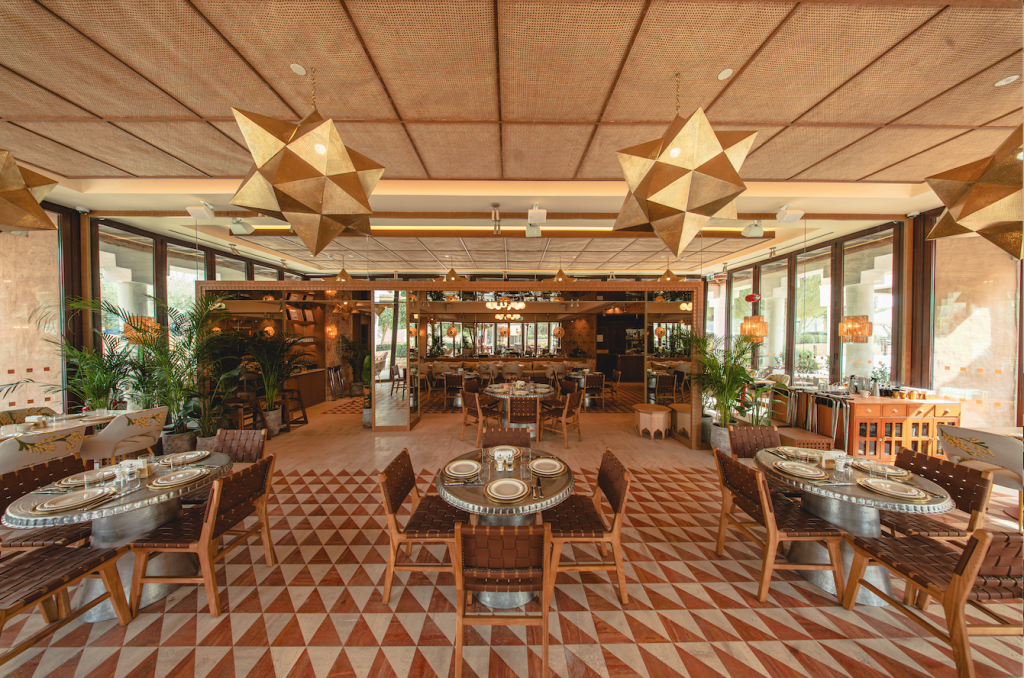
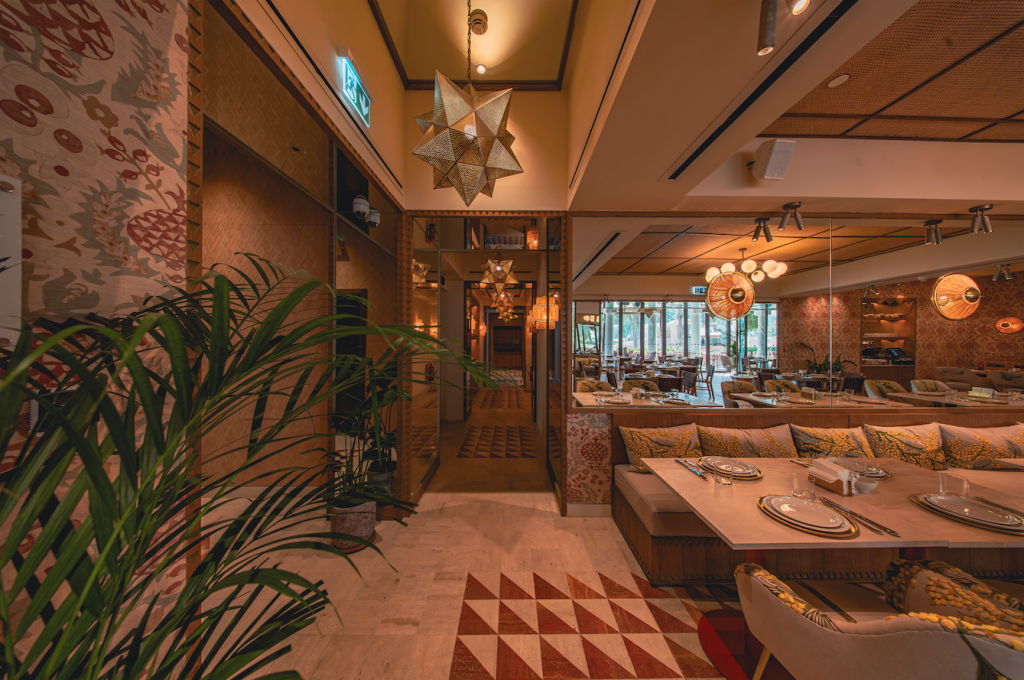
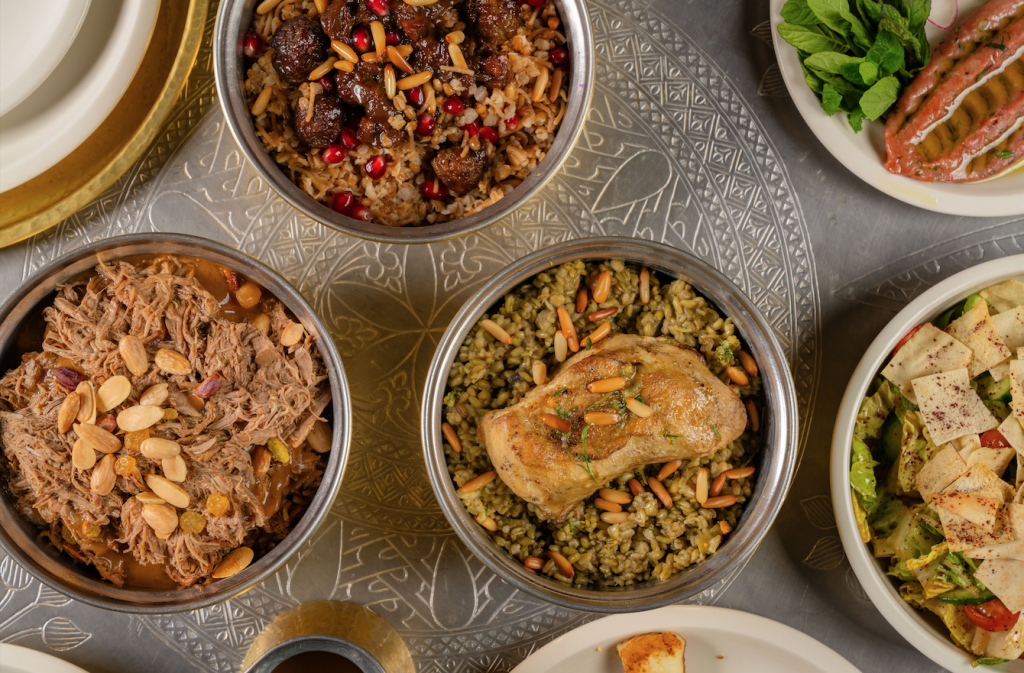
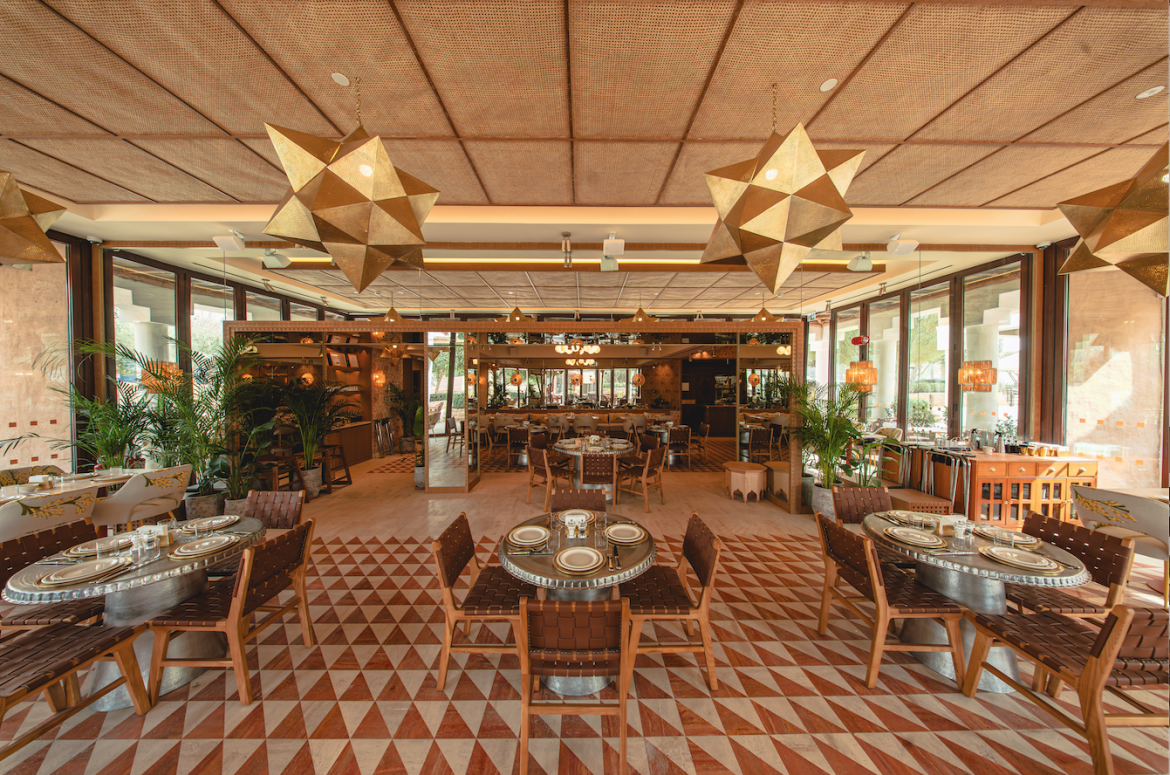
LIZA
Authentic Lebanese Cuisine & Elegant Dining in Saudi Arabia
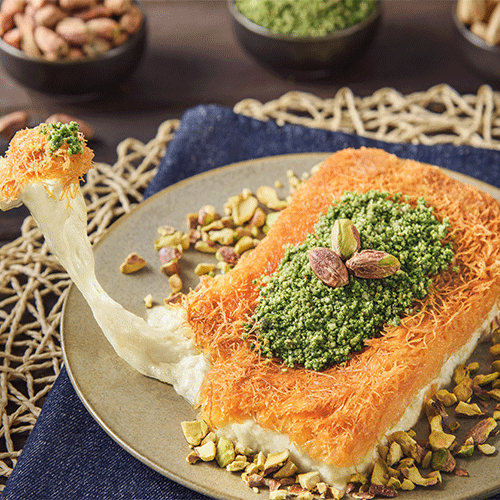
40+ EID DESSERTS SELECTED FOR YOU
Knefeh, baklava, maamoul, katayef, meghli, halewit el jibn, nammoura, sfouf and much more… check these irresistable recipes to enjoy for your gatherings with family and friends
-
-
By Mamazee
-
by Nazira Bitar
-
by Chef Intissar
-
by Chef Mouhamad Haidar
-
by Ghazel El Banet
-
-
by Orso Bianco Gelateria
-
by Tamara Daaboul
-
by Chef Chady Zaytouni
-
by Fatina Daher
-
-
by Pots N Bites
-
by Pots N Bites
-
Editor’s recipe
-
by Tawlet
-
by Tawlet
-
by Abdul Rahman Hallab & Sons
-
by Tina Chamoun
-
by Tina Chamoun
-
by Tina Chamoun
-
-
-
by Rafik Al Rashidi Sweets
-
by Chef Rami el Tom
-
by Al Hallab
-
-
by Tony Kitous
-
by Le Bristol Hotel
-
by Mamas Joy
-
by Tony Kitous
-
-
-
-
-
by DOMO
-
by DOMO
-
by DOMO
-
by Tony Kitous
-
by Tawlet
-
by Michèle Salhab Souhaid
-
By Chef Samaan Hilal
-
-
by Al Baba Sweet
-
by Liza Beirut Restaurant
-
-
by Noura Bohsali
-
by Amal Bohsali
-
-
-
-
by Chef Jana Tabet
-
by Chef Youssef Akiki
-
by Al Baba Sweets
-
-
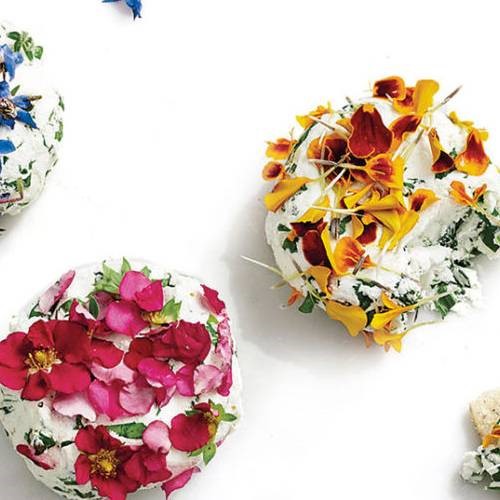
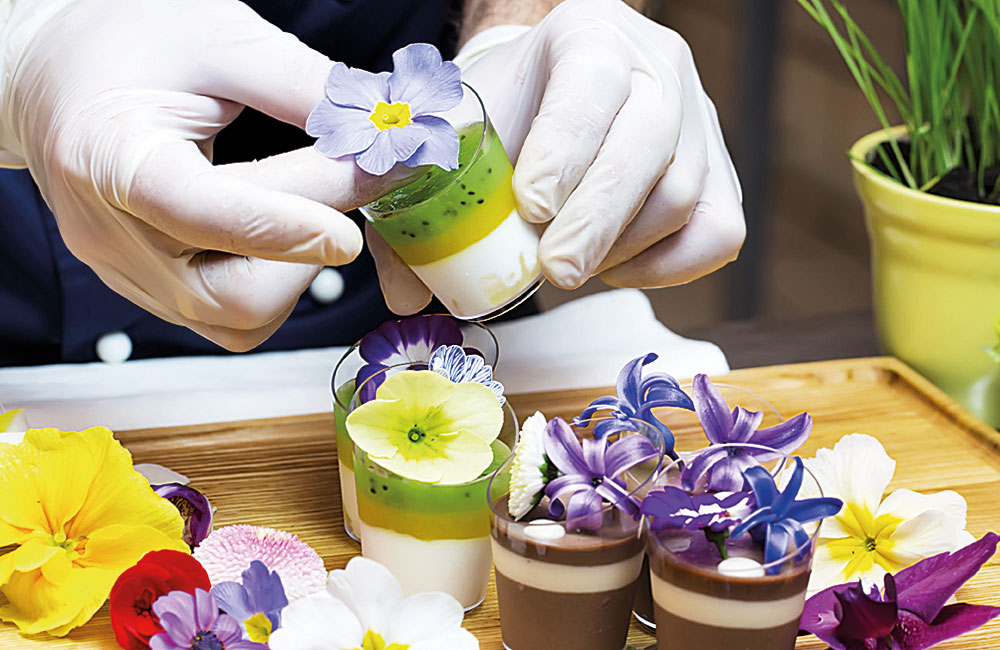
From Garden to Plate: The Delicious World of Edible Flowers
Adding flowers to your food can be a nice way to add color, flavor and a little whimsy. Some are spicy, and some herbaceous, while others are floral and fragrant. The range is surprising. These days, edible varieties are frequently used in fine cuisine.
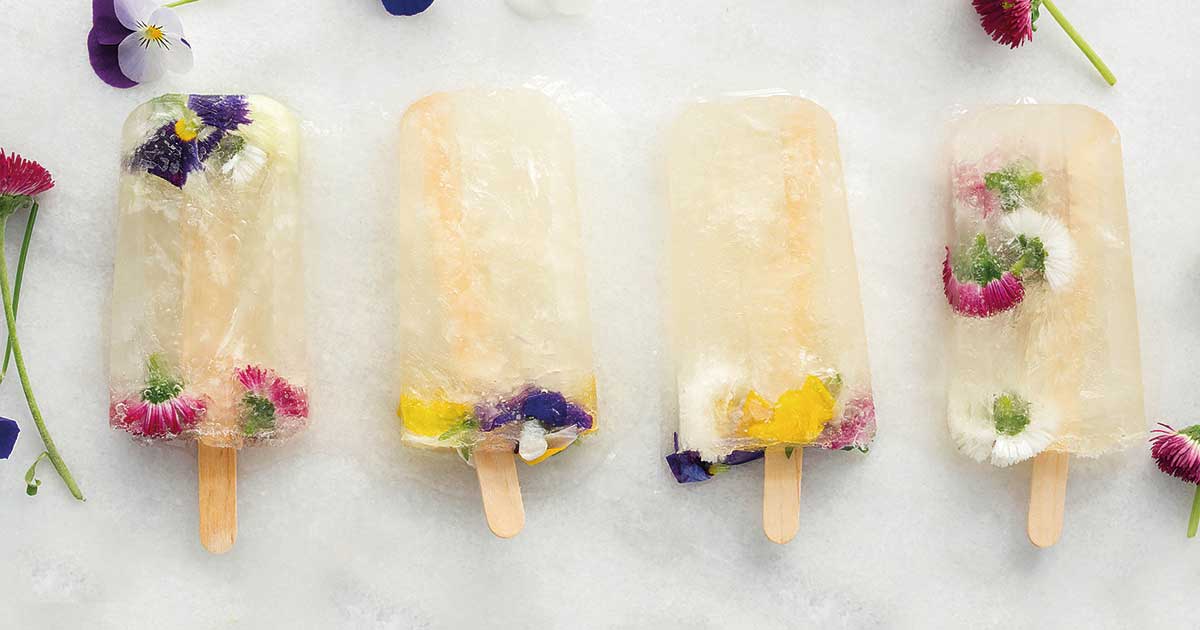
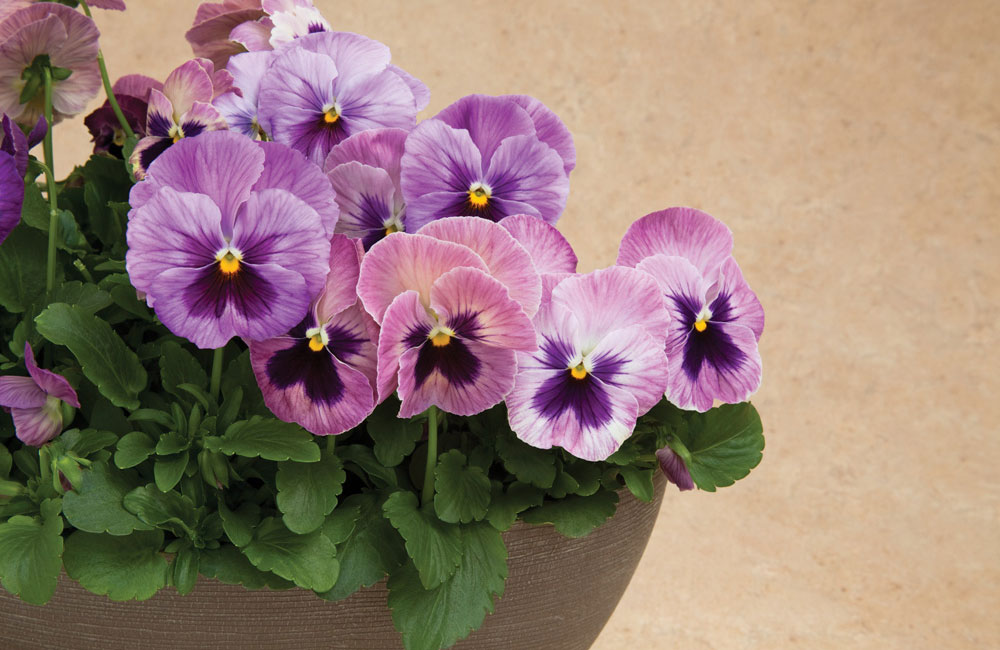
PANSIES
With a fairly neutral taste, pansies can be added to main dishes and salads. It is also used to decorate different desserts such as creams, compotes and ice cream.
MARIGOLD
Raw, the petals taste rather neutral, soft and discreet, and are used to flavor salads, omelets or even cottage cheese. Referred to as the “saffron of the poor”, the flower also helps to color several dishes. It is used to prepare a creamy yellow food coloring, mainly used with butter.

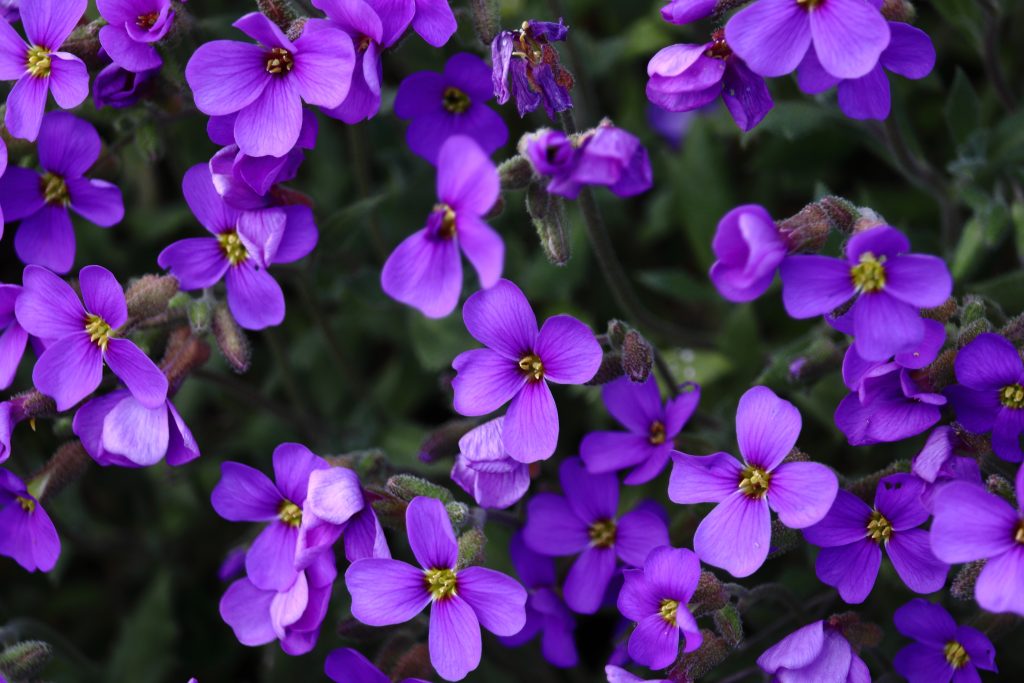
VIOLET
The flowers of the violet can be added to salads. They are also used to make syrups and jelly. Crystallized, they are used in decorating cakes and many desserts.
Hidden virtues: The leaves of the violet are distilled and used in perfumery, especially for the creation of fragrances with aphrodisiac power.
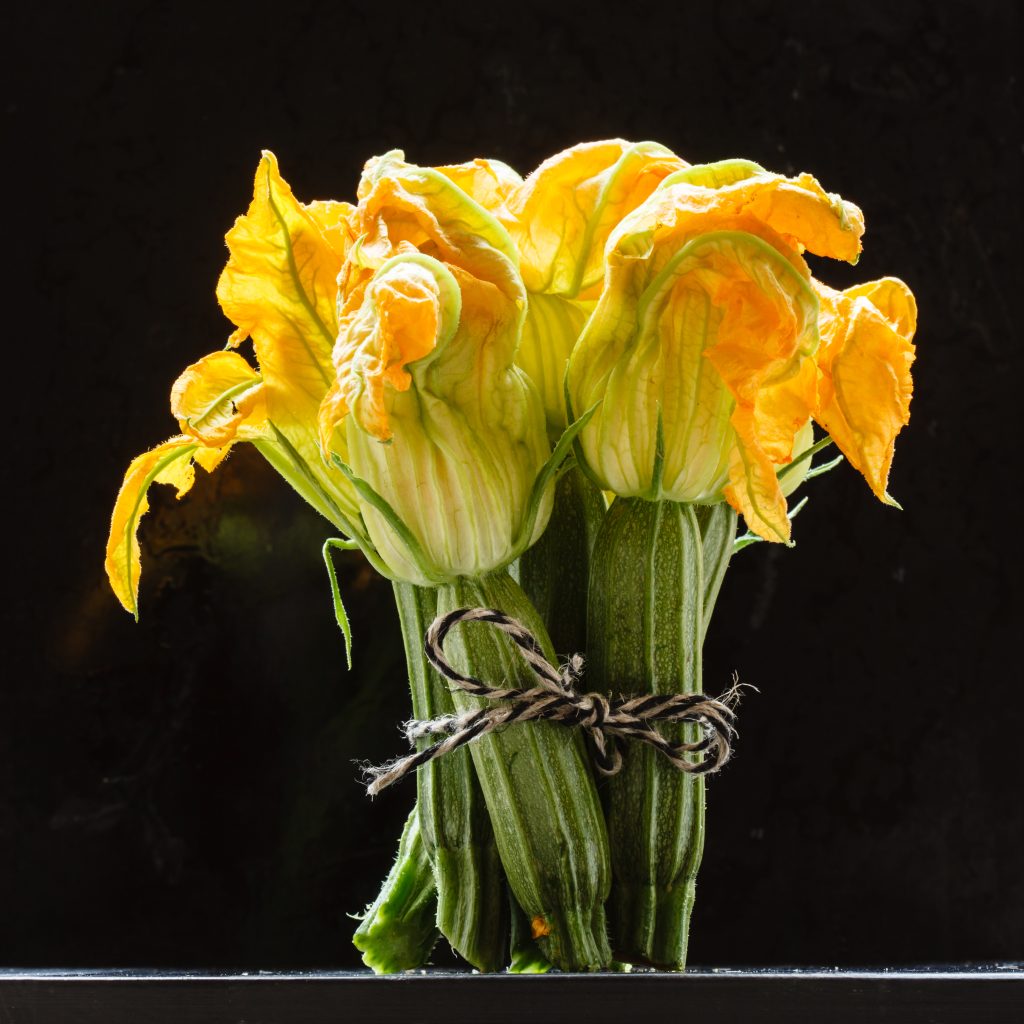
ZUCCHINI
The flowers of zucchini are eaten stuffed or fried immediately after picking, as they fade quickly. Beforehand, it is advisable to gently wash them and remove the pistil.
Tip: You have to wait till they are golden brown.
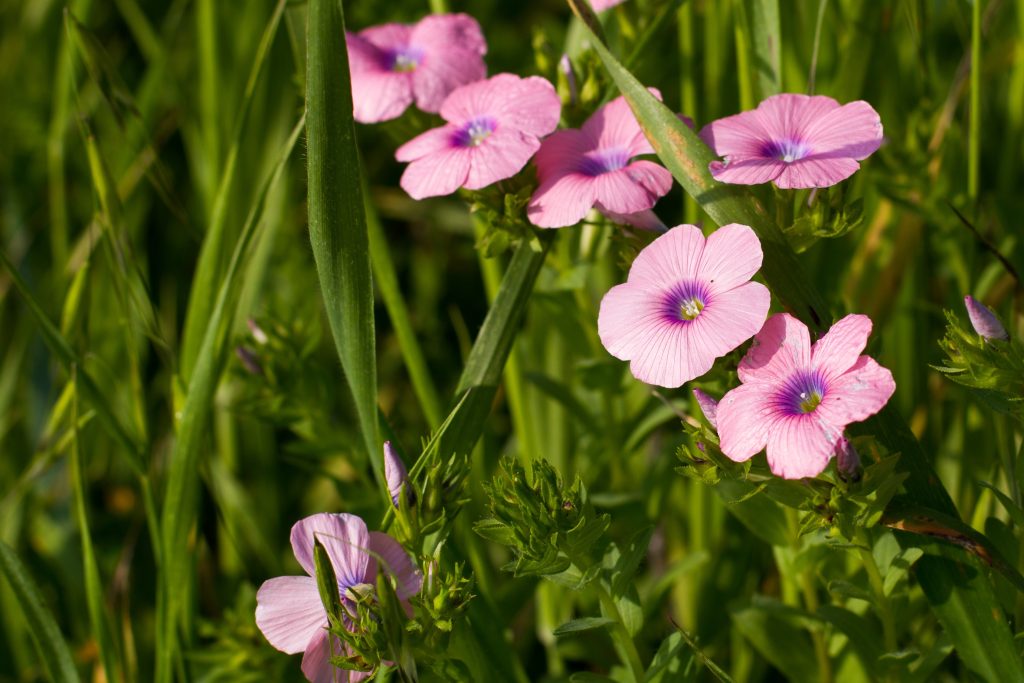
PINK HOLLYHOCK
The hollyhock can be added to salads, taking into account its mucilaginous texture. The flowers of the hollyhock beautifully decorate all kinds of dishes and are served as a natural coloring syrup.
Tip: Young leaves, flowers and fruits before maturity are edible raw or candied.
MAUVE
In cooking, mauve flowers can be sprinkled fresh over salads to add a subtle decorative touch and a mild, slightly sweet taste. They are also commonly used as a garnish for pastries, cakes, and desserts, bringing natural color and elegance to dishes.
Hidden virtues: Mauve has long been valued in herbal medicine.
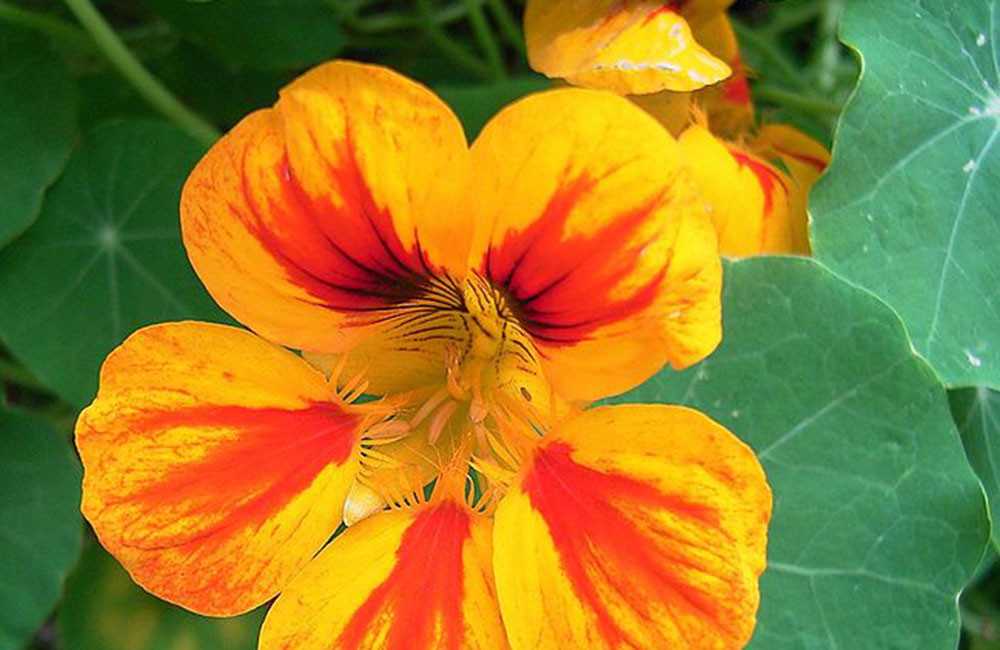
NASTURTIUM
The colorful and decorative flowers are used in almost any kind of dishes, from salads to soups, to poultry, fish, meat, pastries and even drinks.
Tip: Confected in vinegar, flower buds and green fruits of the nasturtium can substitute as capers.
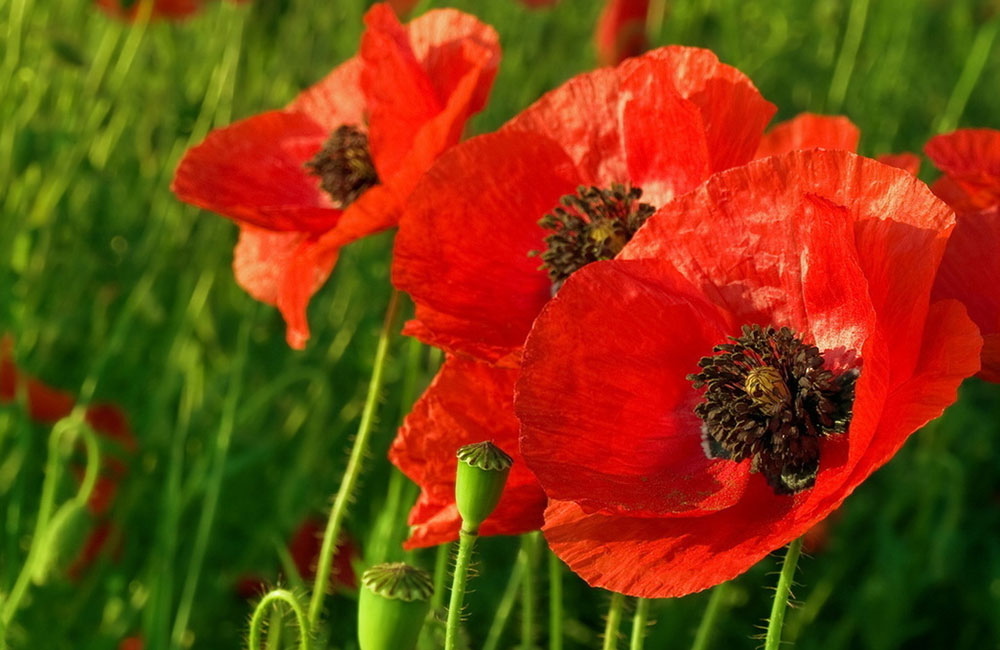
POPPY
The red petals of the poppy are a wonderful addition to a fresh salad and its seeds are used in pastry or bakery, to make flavored breads. They can also be added to a salad to enhance it.
Hidden virtues: It facilitates sleep, calms coughing and irritation of the throat.
CELEBRATIONS |
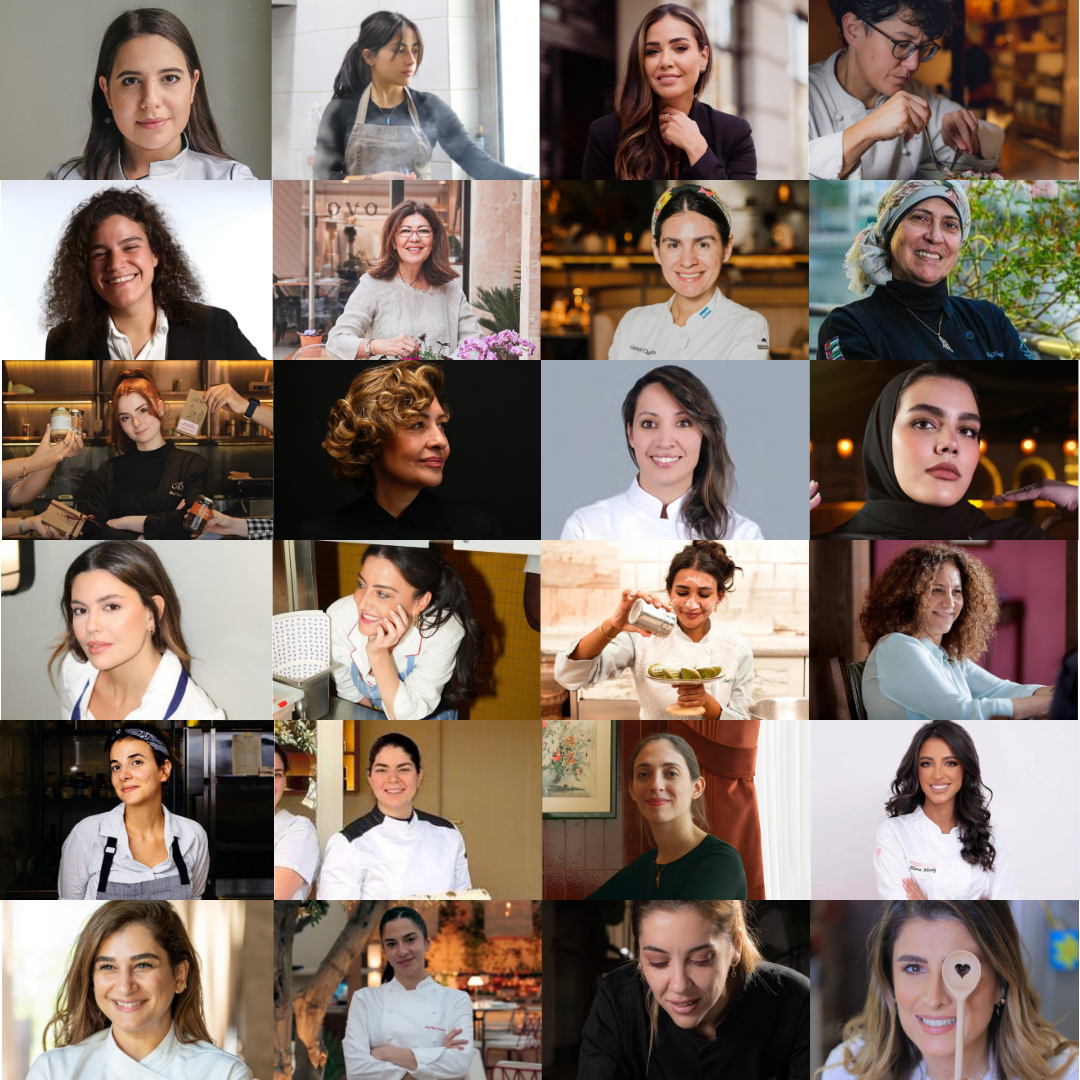
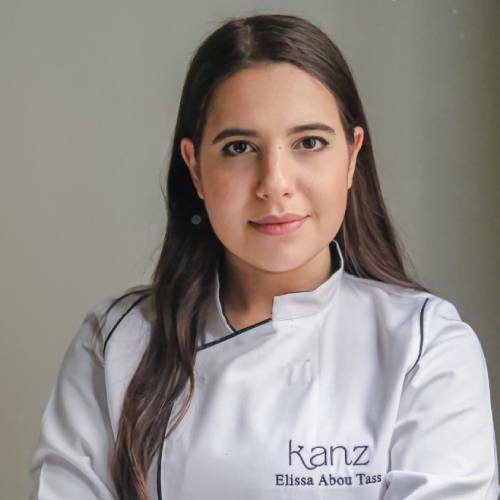
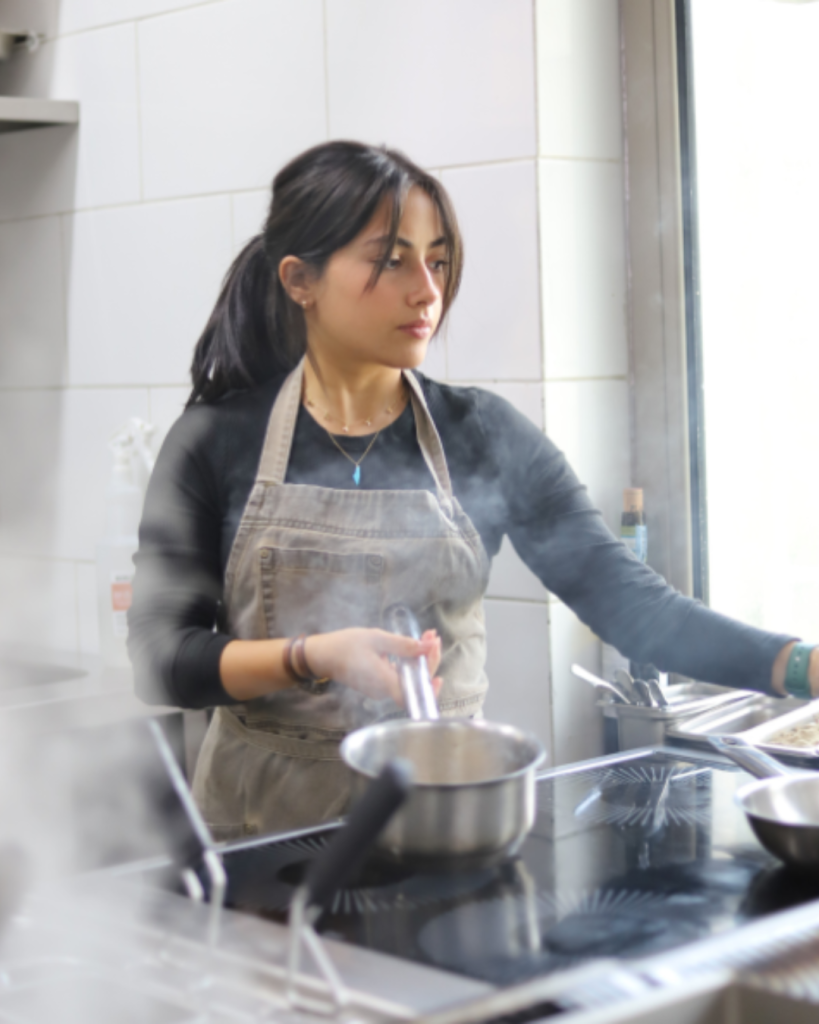
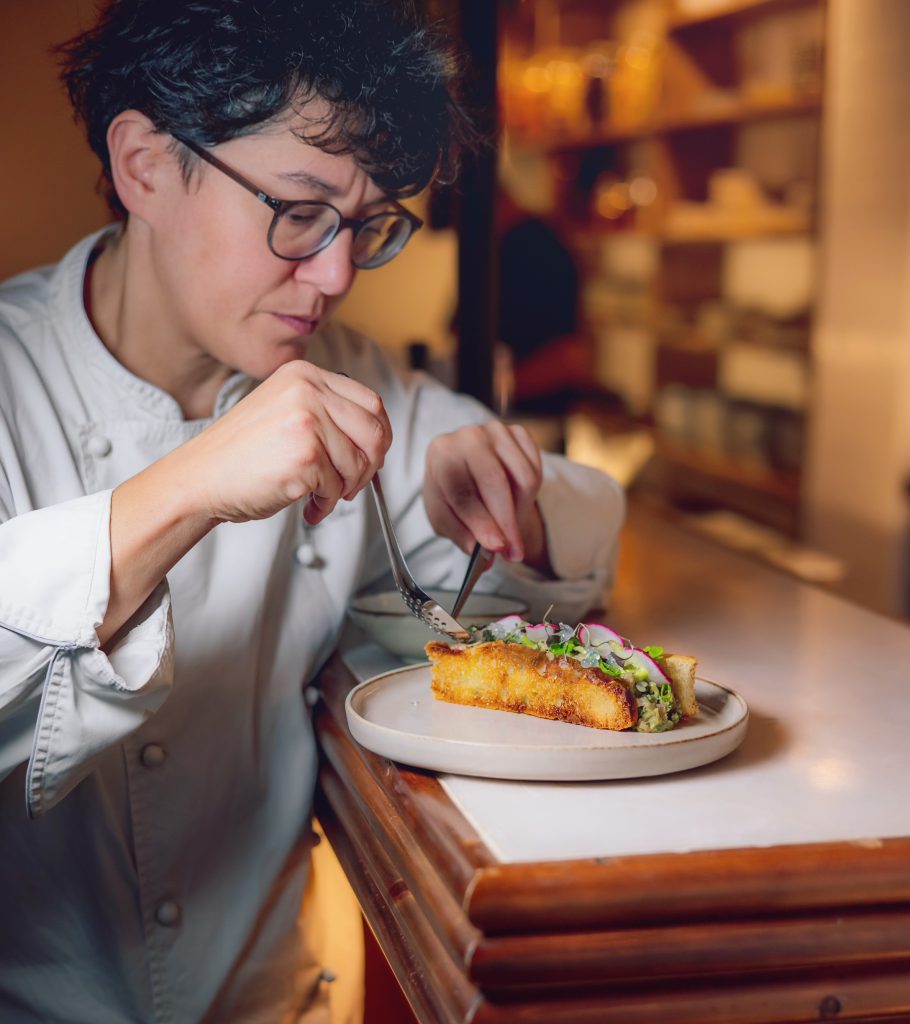
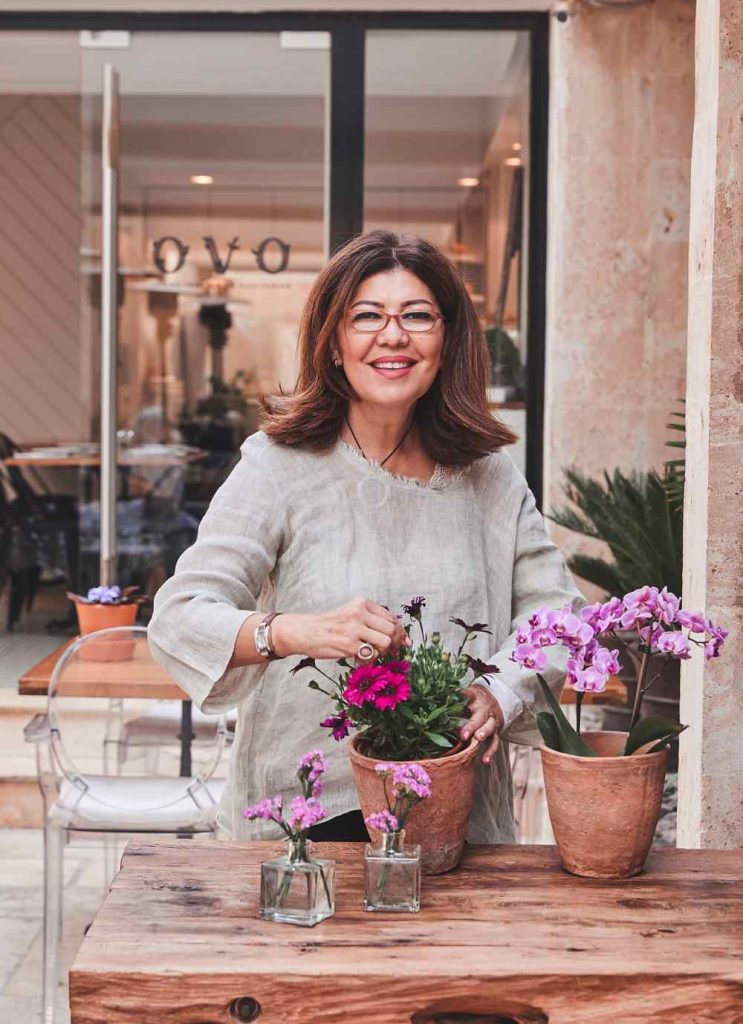
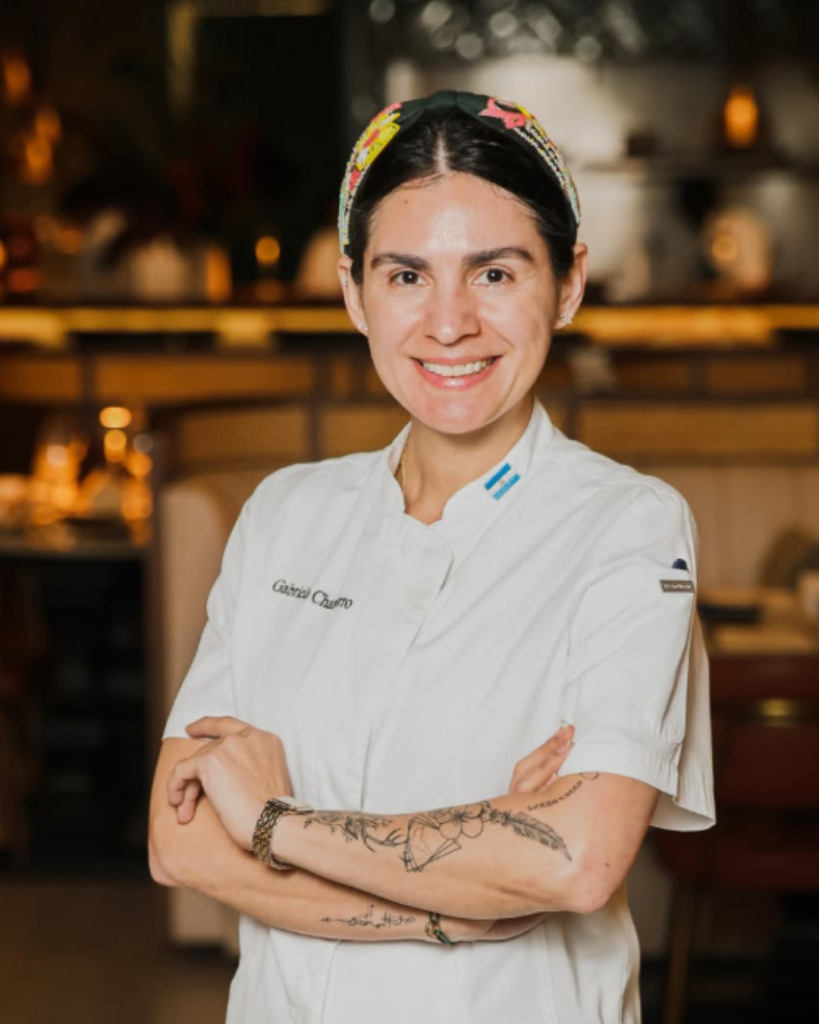
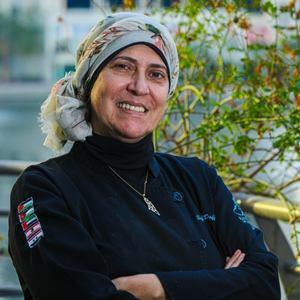
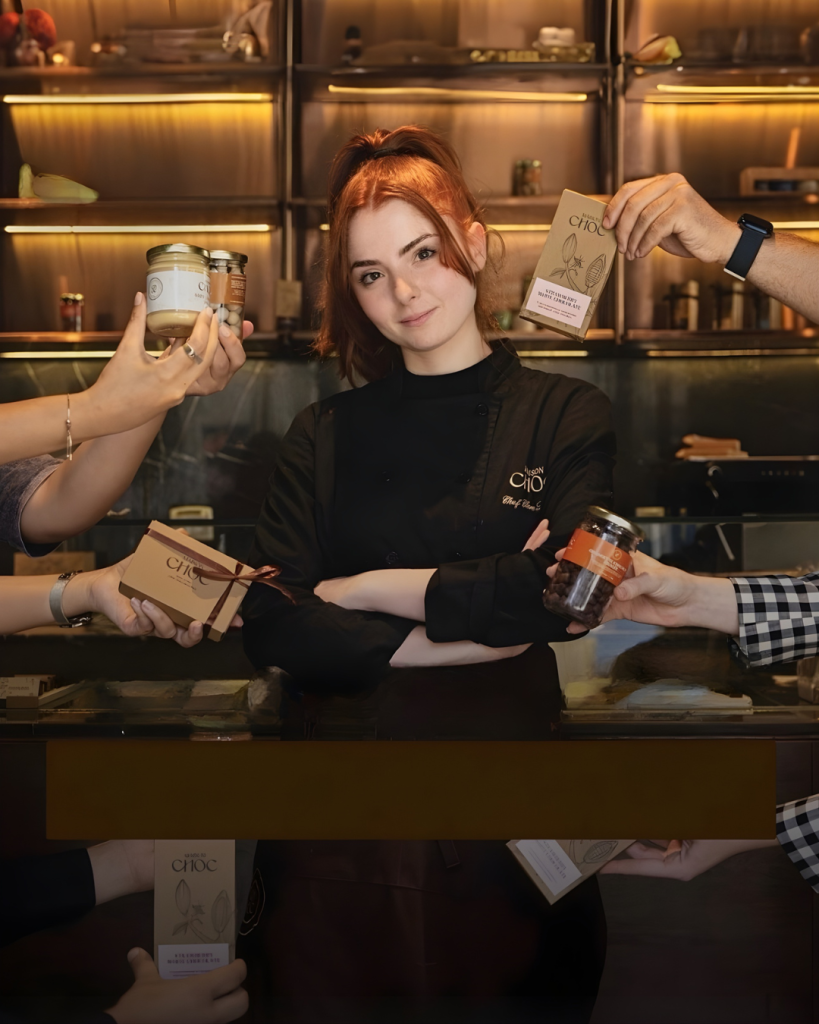
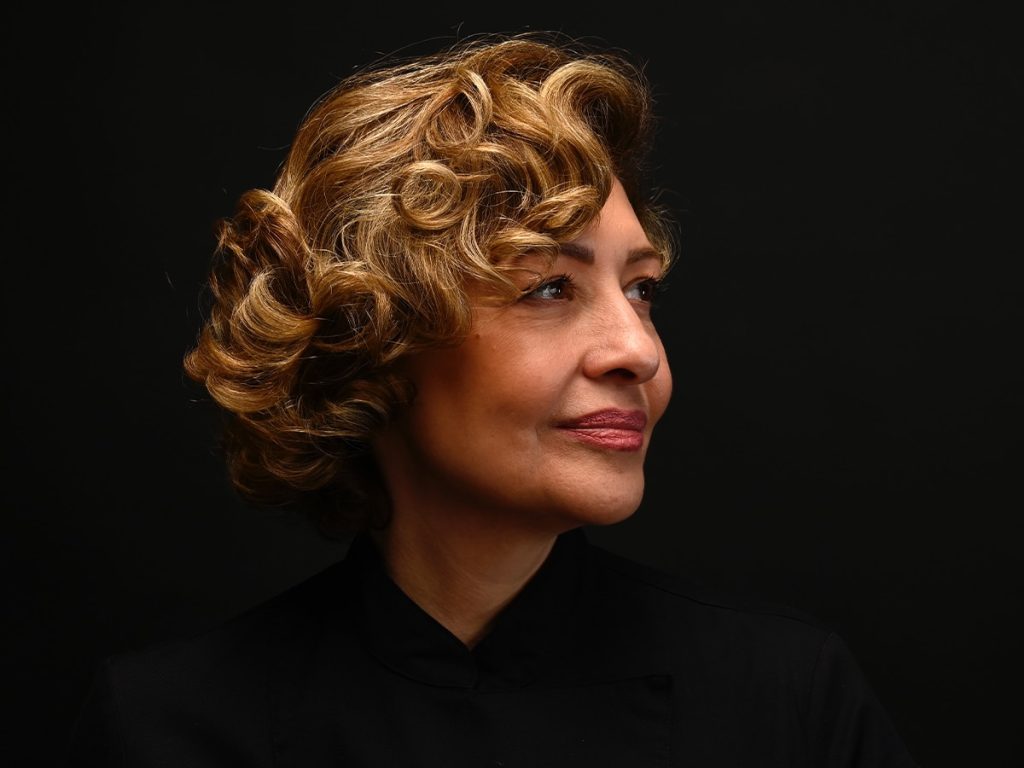
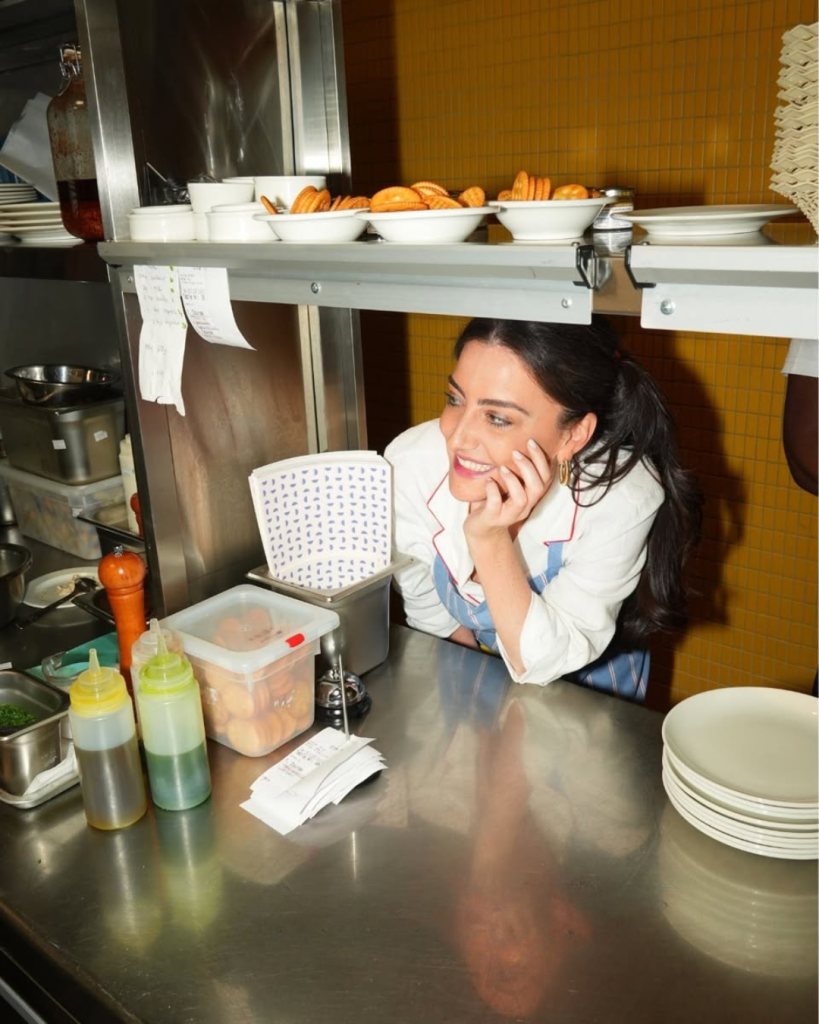
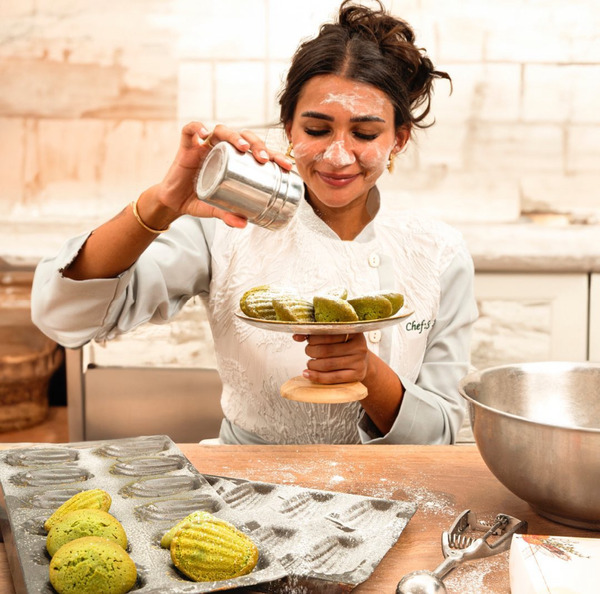
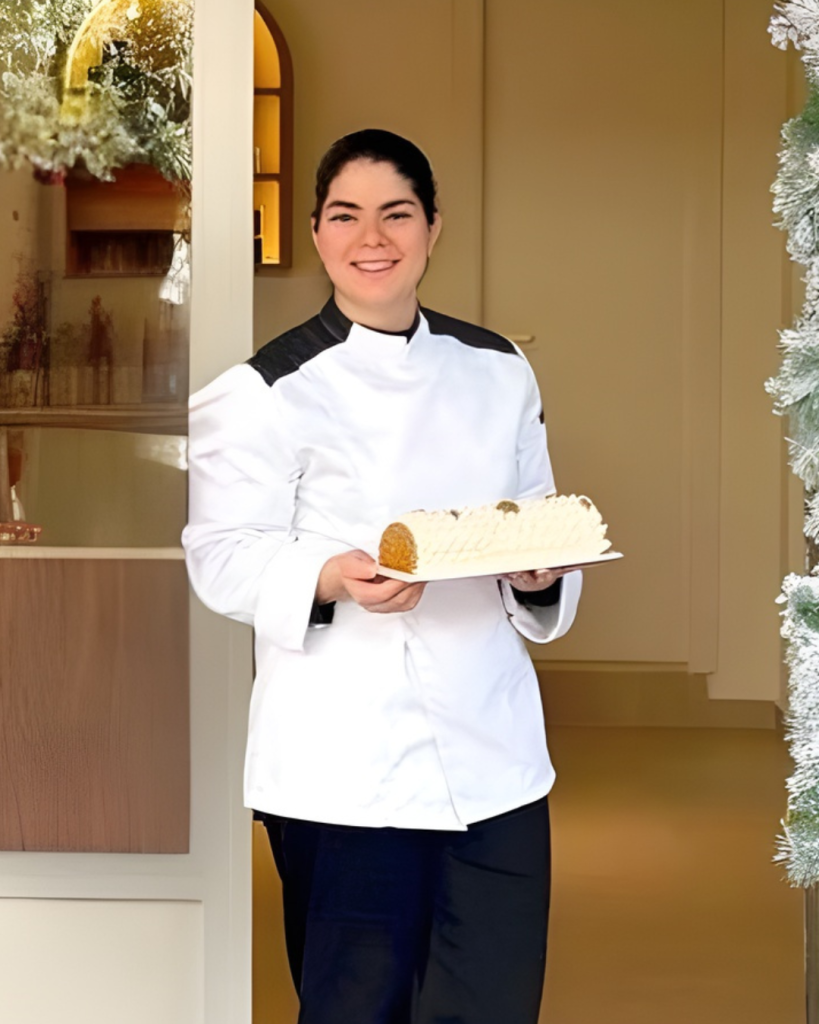
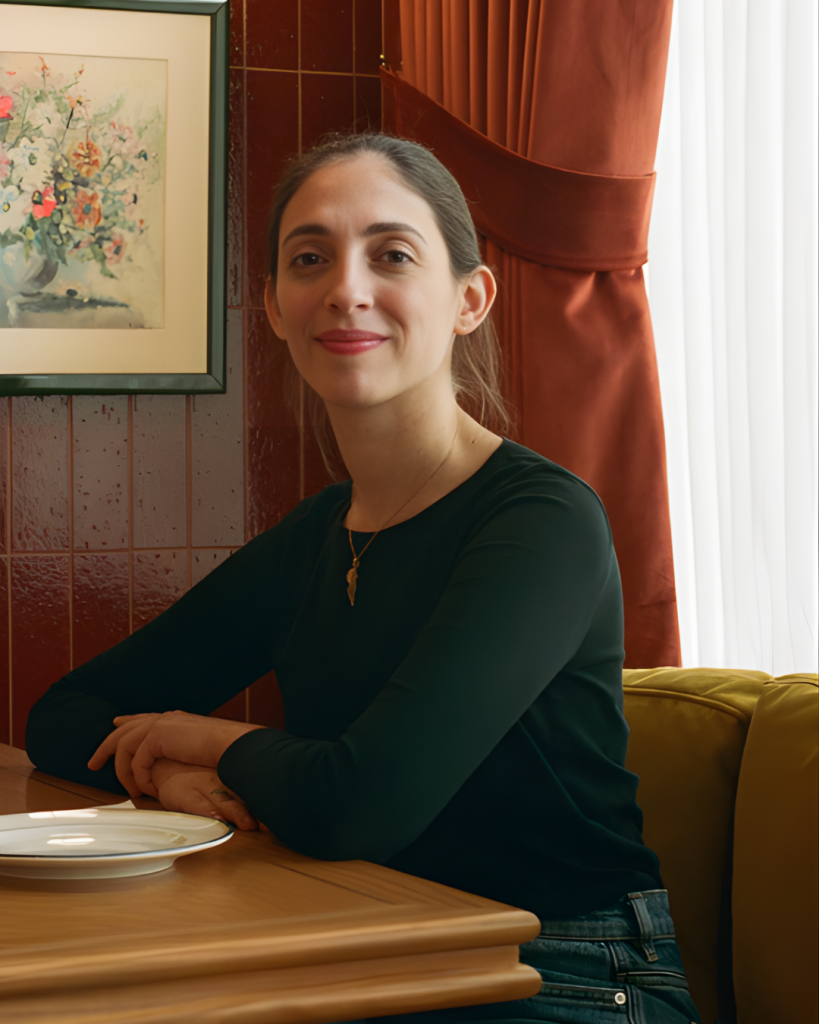
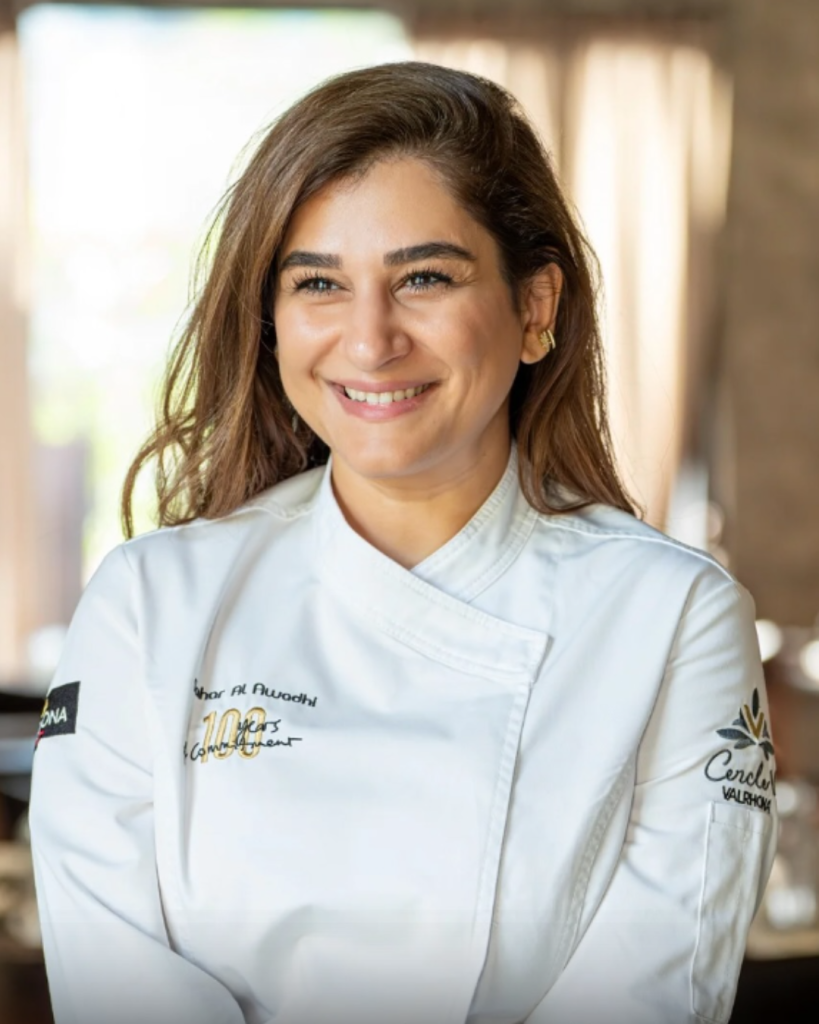
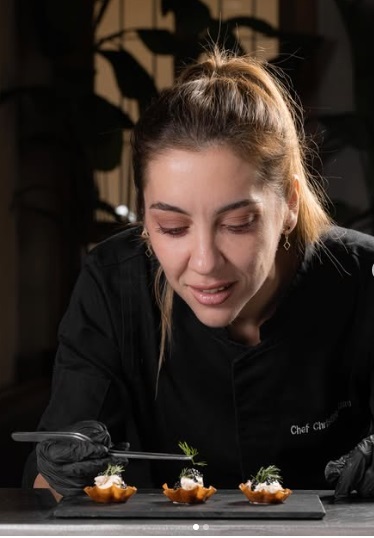
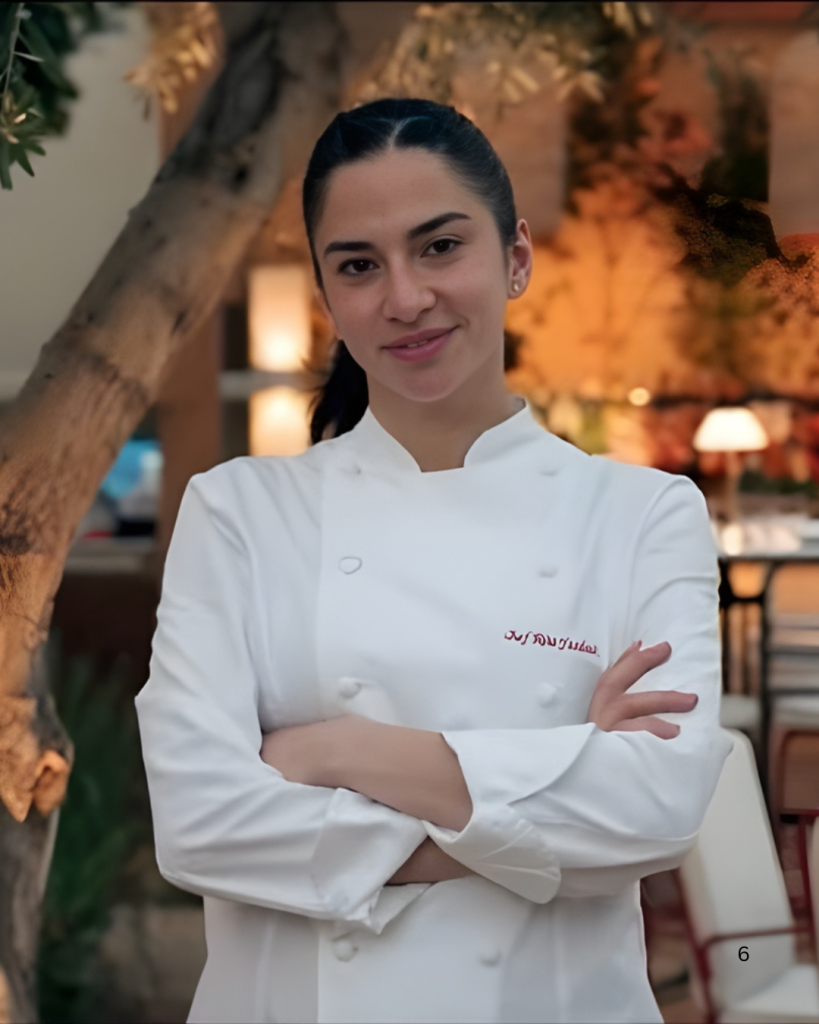
Celebrating Women Chef-Owners in the Middle East
Women are increasingly shaping the future of gastronomy across the Middle East—not only as chefs, but as visionary restaurant owners. By combining culinary talent with entrepreneurial ambition, a new generation of chef-owners is redefining the region’s dining landscape. In celebrating these chef-owners, we recognize not only their remarkable cuisine but also their role as entrepreneurs, innovators, and influential voices shaping the future of Middle Eastern gastronomy.








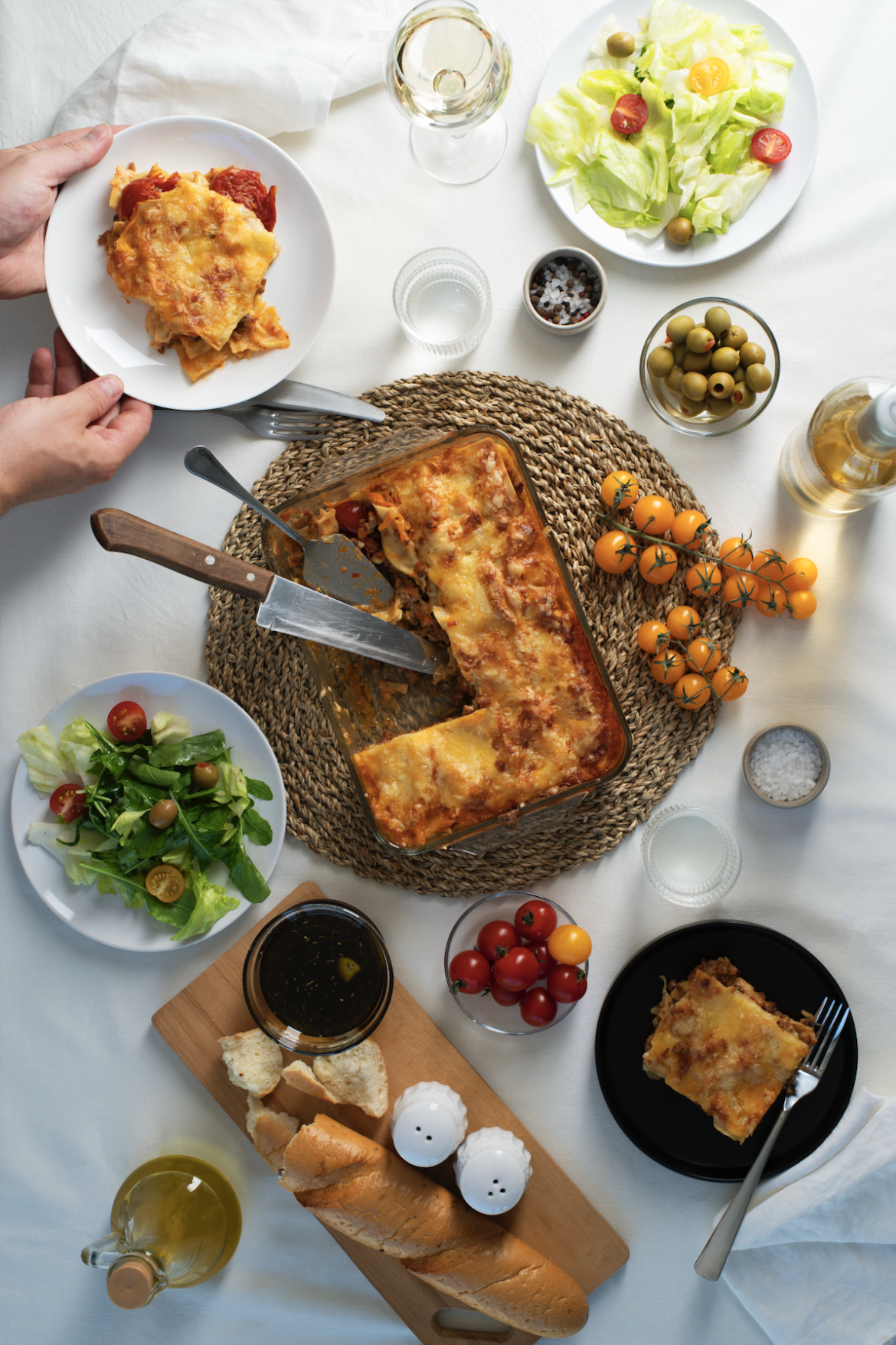
20+ Comfort Food Recipes to Lift Your Mood
From nostalgic classics to soothing homemade dishes, explore our compilation of comfort food recipes that bring warmth, calm and a sense of home to your table.
-
by USA MEAT
-
by Mario Jr Haddad
-
by Chef Kyung Soo Moon
-
by Chef Farid Chehab
-
by Chef Farid Chehab
-
by Chef Farid Chehab
-
By chef Youssef Akiki
-
-
-
By Maroun Chedid
-
-
By USA Poultry & Egg Export Council – MENA
-
by Tamara Daaboul
-
by Tamara Daaboul
-
by Tamara Daaboul
-
by Monique Bassila Zaarour
-
by Chef Armando Codispoti
-
-
by HealthBox
-
by Mövenpick Hotel & Resort Beirut
-
by Sylvie Ayoub
-
-
-
by HealthBox
-
by HealthBox
-
by HealthBox
-
by Chef Frank Page
-
A delicious authentic Italian recipe step by step
-
by Lancaster Plaza, Beirut
-
by Boubouffe
-
-
by Chef Rouba Khalil
-
by Chef Thierry Marx
-
by Isabella Baffa
-
by Odile Saniour Samrani
-
by Chef Sylvain Arthus
-
by Chef Lorenzo Cogo
-
by Eddesands
-
-
by Chef Jerome Anfray
-

INTERVIEW |
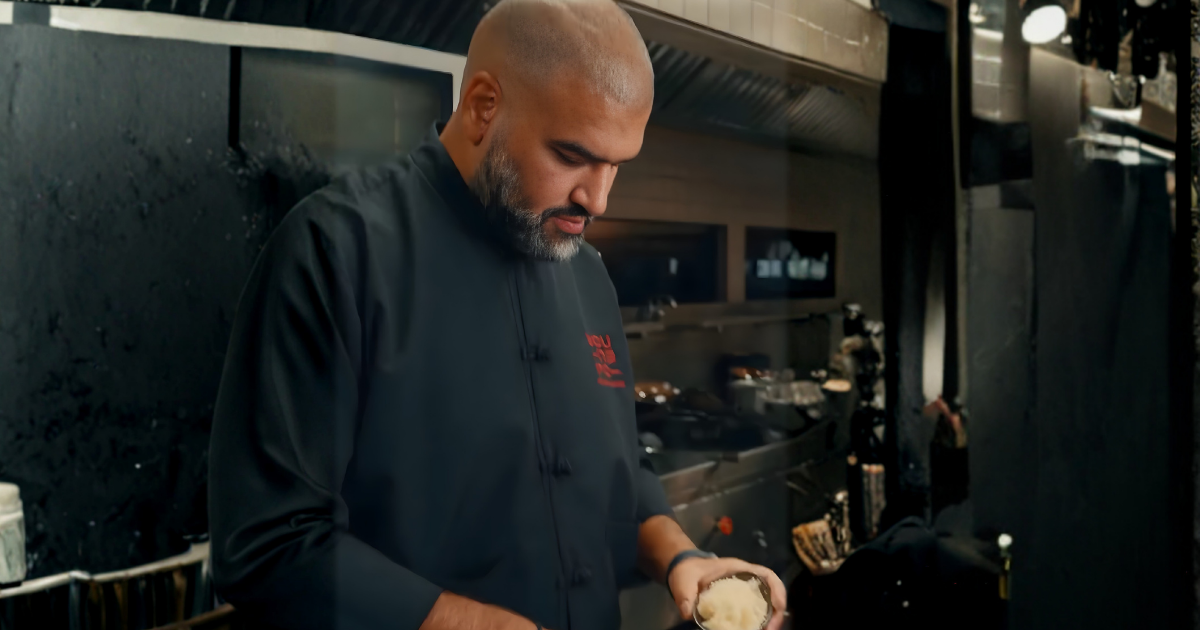
Tell us about your culinary journey:
I’ve been in F&B for around 13 years, and I’m currently the Culinary Director. I oversee brands such as Ruby’s, Roto, Young Po, and Dragon Bun.
What’s one ingredient you always keep in your kitchen?
Salt. I think it’s the most important ingredient, and it can make anything taste good.
What’s your philosophy in life?
Stay humble, keep your head down, and leave your ego behind.
What’s your dream in life?
To see Kuwait, or Kuwaiti cuisine specifically, recognized globally.
GROWING YOUR OWN HERBS
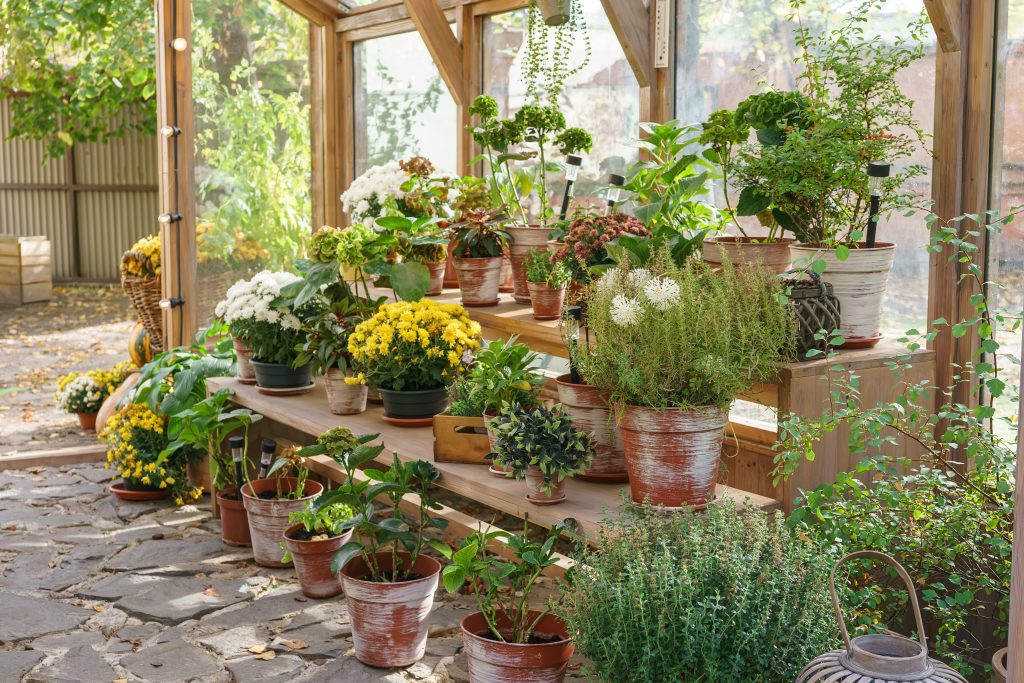
Cooks love the unique flavors that herbs lend to all kinds of food and drink. Plant herbs at home to take your cooking to the next level.
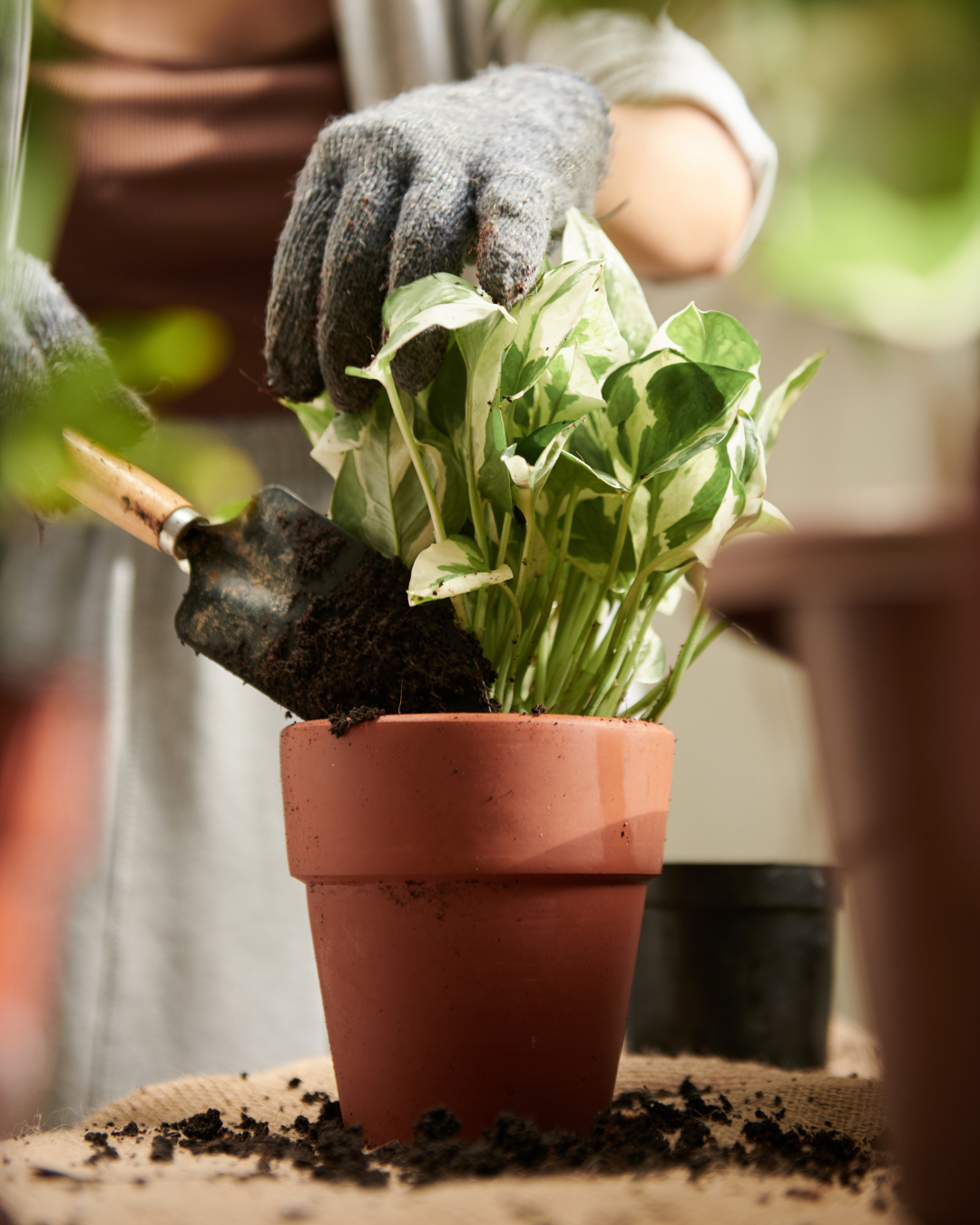
There is something really satisfying about growing your own herbs. Growing herbs is relatively easy, and the result is fantastic, especially if you love cooking and using fresh herbs in you dishes. Growing your own herbs isn’t difficult. All it requires is proper materials, planting pots and a good maintenance.
Pick Your Pots
Clay, wood, resin or metal, the material of your container can vary, the most important is to provide enough drainage.Any pot or planter you will chose must let excess water escape, which is why most planting container bottoms have holes in them. Pick a container that matches the size of the herbs you’ll grow.
Choose Your Herbs
Start simple, these herbs are easy to grow and don’t mind frequent harvesting.
Basil: Start from seeds and place the pots in a south-facing window; it likes lots of sun.
Mint: It can handle shade but it’s better suited to strong sunlight.
Oregano: It requires full sunshine and lots of drainage.
Parsley: It does best in moist, well-drained soil and can grow in partially shaded areas.
Thyme: It has heavily scented leaves and prefers less water. Thyme doesn’t need full sunlight exposure.
Rosemary: Highly aromatic, it requires cool climates with plenty of sun and moist (not wet) soil. In winter, it is recommended to bring rosemary indoors if possible.
Use Starter Plants
If you’re a beginner, use starter plants for your herbs. This will save you two to three weeks of growing time and increase your chances of a successful harvest.
Get the Right Soil
Start with good-quality potting soil (not garden soil). It ensures good drainage. As with other plants in containers, herbs require regular watering and fertilization throughout the growing season.
Maintenance
Regular care will ensure your success. You must water your herbs regularly and harvest them often. Most herbs thrive in full sun (six or more hours of direct sunlight per day). If you have a garden that receives less sun, choose herbs that don’t need as much. During the outdoor growing season, use liquid fertilizer at the rate recommended on the package. If you bring plants inside for the winter, they require much less fertilization, once or twice a month is sufficient.