



HUMMUS RECIPES
There is no doubt about the popularity of hummus, which is a staple on tables in the Middle East region, and has become a favorite buy the world over.
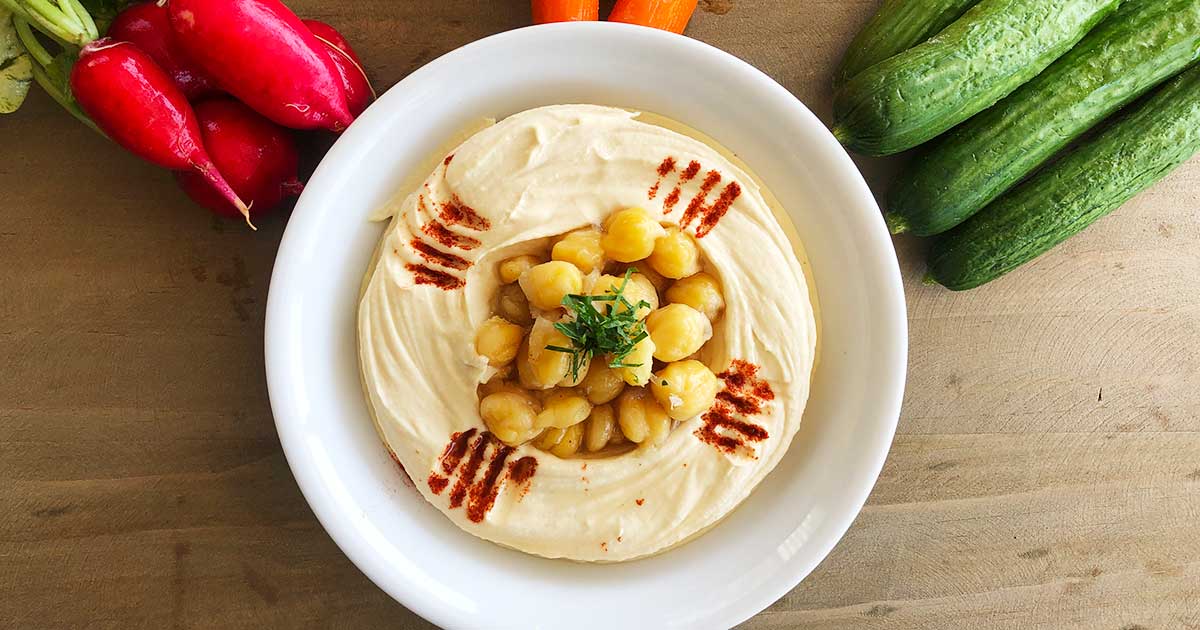
Serves 5 | Prep/cooking 65 mins
INGREDIENTS |
- 250g chickpeas
- 1tbs baking soda
- 10g garlic
- 75g olive oil
- 350g tahini
- 250g lemon juice
- 4 ice cubes
- Pinch of salt
- Pinch of paprika&parsley (optional)
PREPARATION |
- Soak the chickpeas in cold water overnight (minimum of 10 hours) adding baking soda .
- The next day, remove the water and pour into a pot, add water and bring to boil over a high flame.
- Skim off foam that comes to surface. then once the water boils, lower the heat until the chickpeas have softened, around 20 minutes (it will break between your fingers).
- Drain the chickpeas but keep about 1 cup of the water in the pot. Set aside to cool while you prepare the other ingredients. Keep about 1/4 cup of the chickpeas for garnish.
- Make a creamy paste by adding the chickpeas in a food processor for a few minutes, then add ice cubes, tahini, lemon juice, garlic, salt and pepper. taste to adjust seasoning.
- Pour the hummus in a bowl, garnish with the whole chickpeas and a little extra-virgin olive oil , parsley and sprinkling of paprika are optional. Serve with bread.
Debunking Nutrition Myths in the Health Industry
In today’s world, “healthy eating” is everywhere, on social media, in marketing campaigns, and in everyday conversations. Yet despite the abundance of information, confusion remains. Many people believe they’re making the right choices but still struggle with weight, digestion, or overall well-being. Tony Odayme, holistic nutritional therapist, break down some of the most common misconceptions about health and nutrition, and uncover what might actually be going on beneath the surface.
What Is a “Healthy” Food You Would Never Eat?
Dairy products are often considered a staple of a balanced diet, praised for their calcium and protein content. However, for some individuals, dairy can contribute to inflammation, digestive discomfort, or skin issues.
This doesn’t mean dairy is universally harmful—but it does highlight an important truth: no single food is healthy for everyone. Individual tolerance, gut health, and genetic factors all play a role. Listening to your body is more valuable than blindly following generalized dietary advice.
What Is the Biggest Lie About Healthy Eating?
One of the most persistent myths is that counting calories is the key to good health.
While calories do matter in a basic sense, focusing solely on numbers ignores the quality of food and how the body processes it. For example, 500 calories from processed sugar and 500 calories from whole foods affect your metabolism, hormones, and energy levels very differently.
Health is not just about quantity, it’s about nutrient density, balance, and how food interacts with your body.
Why Do People Eat “Clean” but Still Gain Weight?
This is a common frustration. Many people switch to “clean eating,” eliminating processed foods and choosing whole ingredients, yet still see weight gain.
Why?
Because timing and biological rhythm matter. Eating healthy foods at the wrong times, overeating, even on nutritious meals, or ignoring hunger and satiety cues can disrupt the body’s natural balance.
Additionally, stress, sleep quality, and hormonal regulation all influence weight. Health isn’t just about what you eat, but also when and how your body processes it.
What Is One Food You Should Stop Eating Today?
Hydrogenated oils are a strong candidate.
These artificial fats, often found in processed and packaged foods, are linked to inflammation and an increased risk of chronic diseases. Unlike natural fats, hydrogenated oils interfere with normal cellular function and can negatively impact heart health.
Avoiding them is a simple but powerful step toward improving overall well-being.
Why Do We Feel Bloated Even When We Eat “Healthy”?
Bloating is often misunderstood. Many assume it’s caused by unhealthy food, but even nutritious meals can lead to discomfort.
Some common reasons include:
- Eating too quickly: Poor chewing makes digestion harder.
- Improper food combinations: Certain foods digest at different rates and can cause fermentation in the gut.
- Overeating healthy foods: Even good food in excess can overwhelm the digestive system.
In many cases, the issue isn’t just what you eat, but how you eat.
OTHER ARTICLES YOU MAY LIKE
WHAT’S NEW |
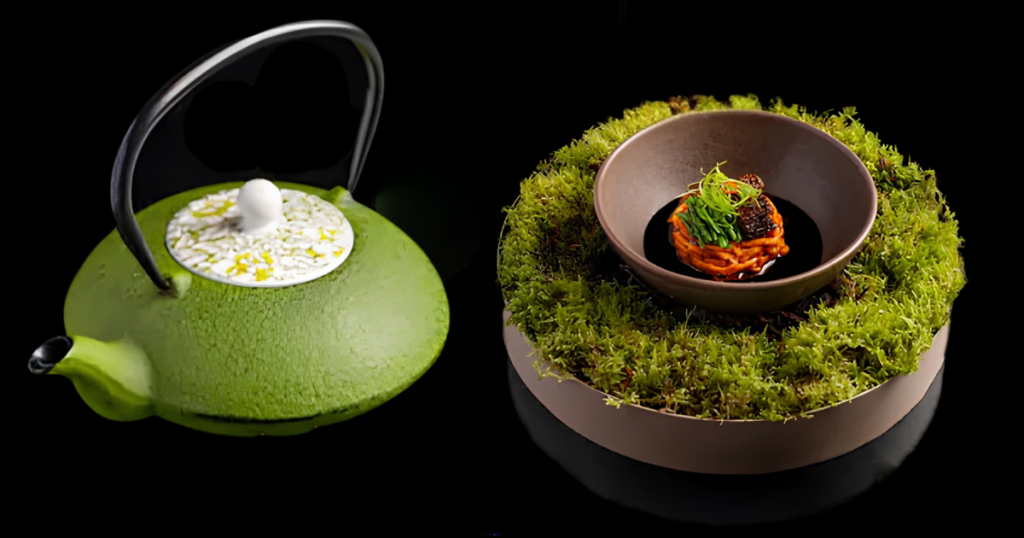
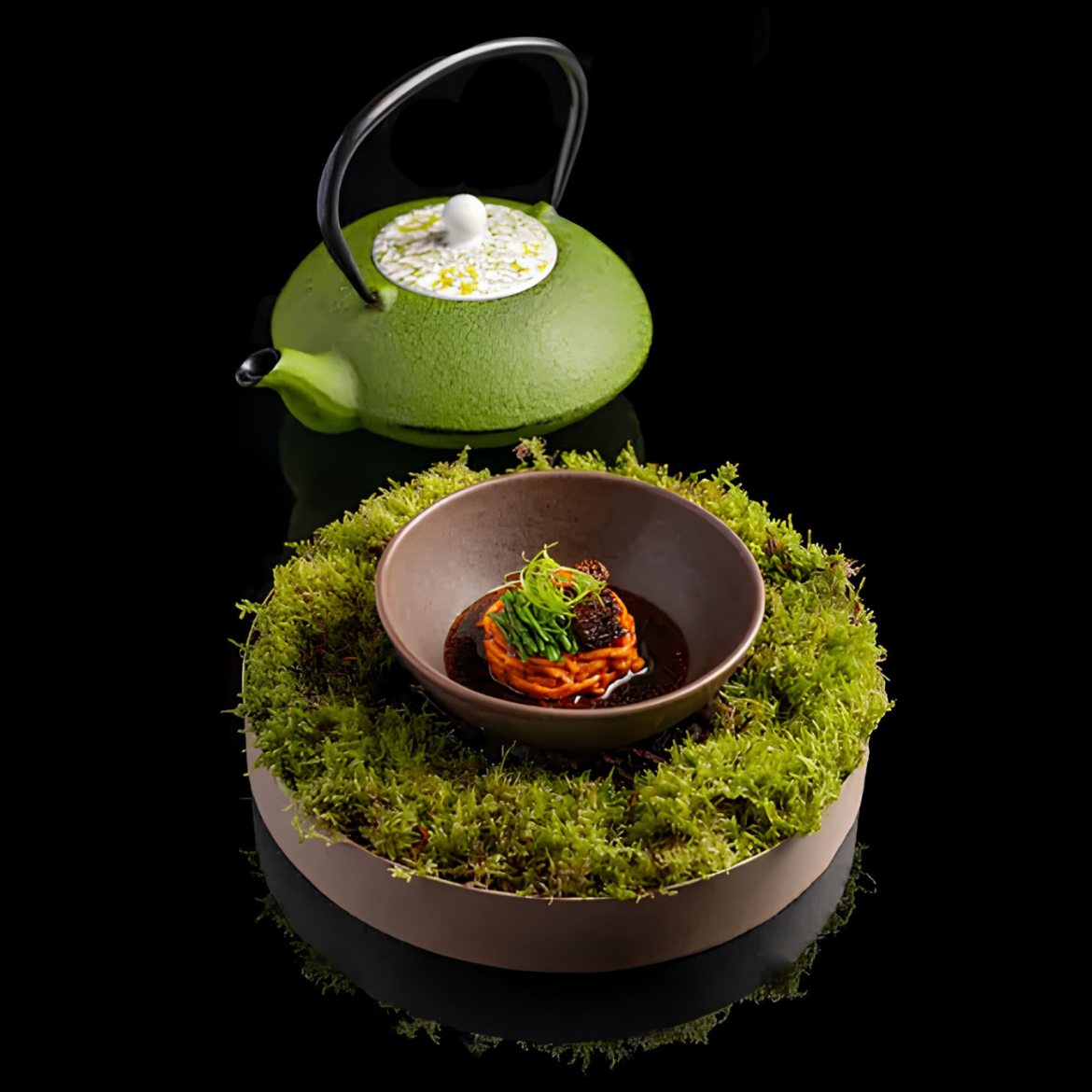
Inside Trèsind Studio Dubai: Dining as an Honored Guest
Experience the pinnacle of Indian gastronomy at Trèsind Studio, where two-MICHELIN-starred artistry meets an exclusive behind-the-scenes encounter with Chef Himanshu Saini in the heart of Palm Jumeirah.
Trèsind Studio, the avant-garde jewel in the heart of Palm Jumeirah, has reached a new zenith in the landscape of Indian fine dining. Gastronomy enthusiasts now have a rare opportunity to go behind the pass and enter the mind of one of the region’s most visionary culinary figures.
A Personal Welcome from the Visionary
The evening transcends the traditional restaurant visit. It begins not at the table, but with a personal reception from Chef Himanshu Saini. As the creative force behind the restaurant’s two Michelin stars and its prestigious #11 ranking on The World’s 50 Best Restaurants list, Chef Saini leads guests through a curated backyard garden. Over drinks, he shares the philosophy behind his craft and offers a rare glimpse into the botanical inspirations that fuel his innovative menus.
A Symphony of Flavors
Once seated, guests embark on a multi-sensory exploration of the Indian subcontinent. The menu at Trèsind Studio honors heritage while shattering culinary conventions. Chef Saini treats every course as a masterpiece of precision, utilizing locally sourced ingredients to elevate familiar profiles into contemporary art. From the delicate balance of spices to the theatrical plating, the dinner tells a vibrant story of India’s layered culinary history.
A Lasting Impression
The experience concludes with a bespoke touch: a signed keepsake to commemorate the evening. This rare encounter remains available exclusively for Mastercard World cardholders and above, offering a seamless blend of luxury, storytelling, and world-class flavor.
In a city known for opulence, Trèsind Studio proves that the most memorable dinners feed both the palate and the soul.

INTERVIEW |
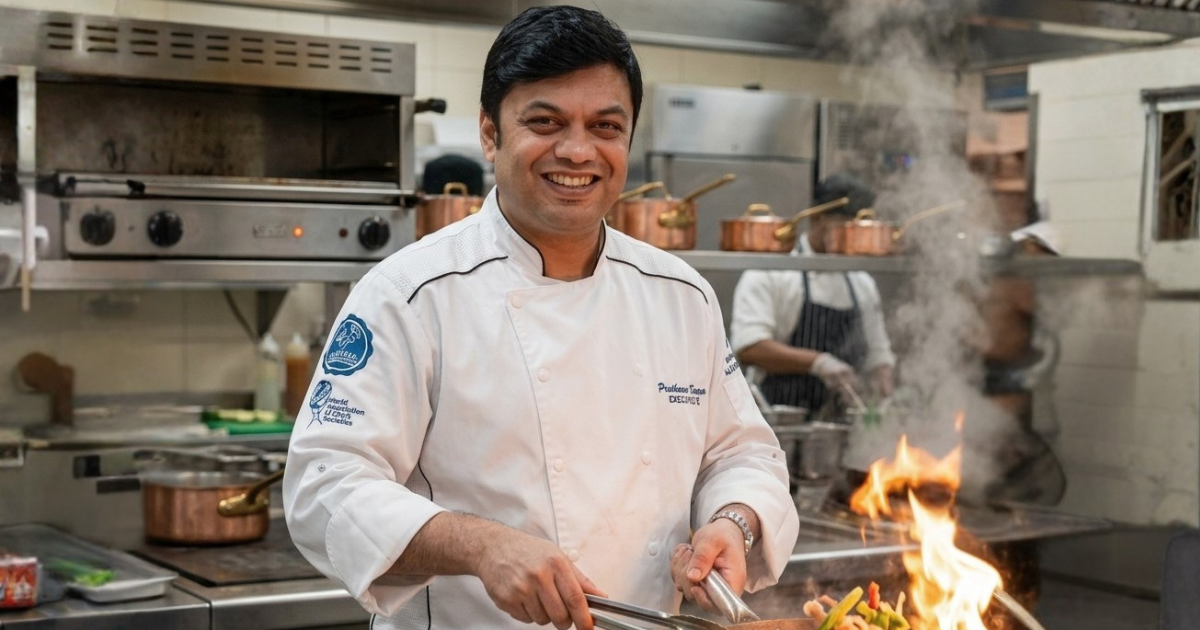
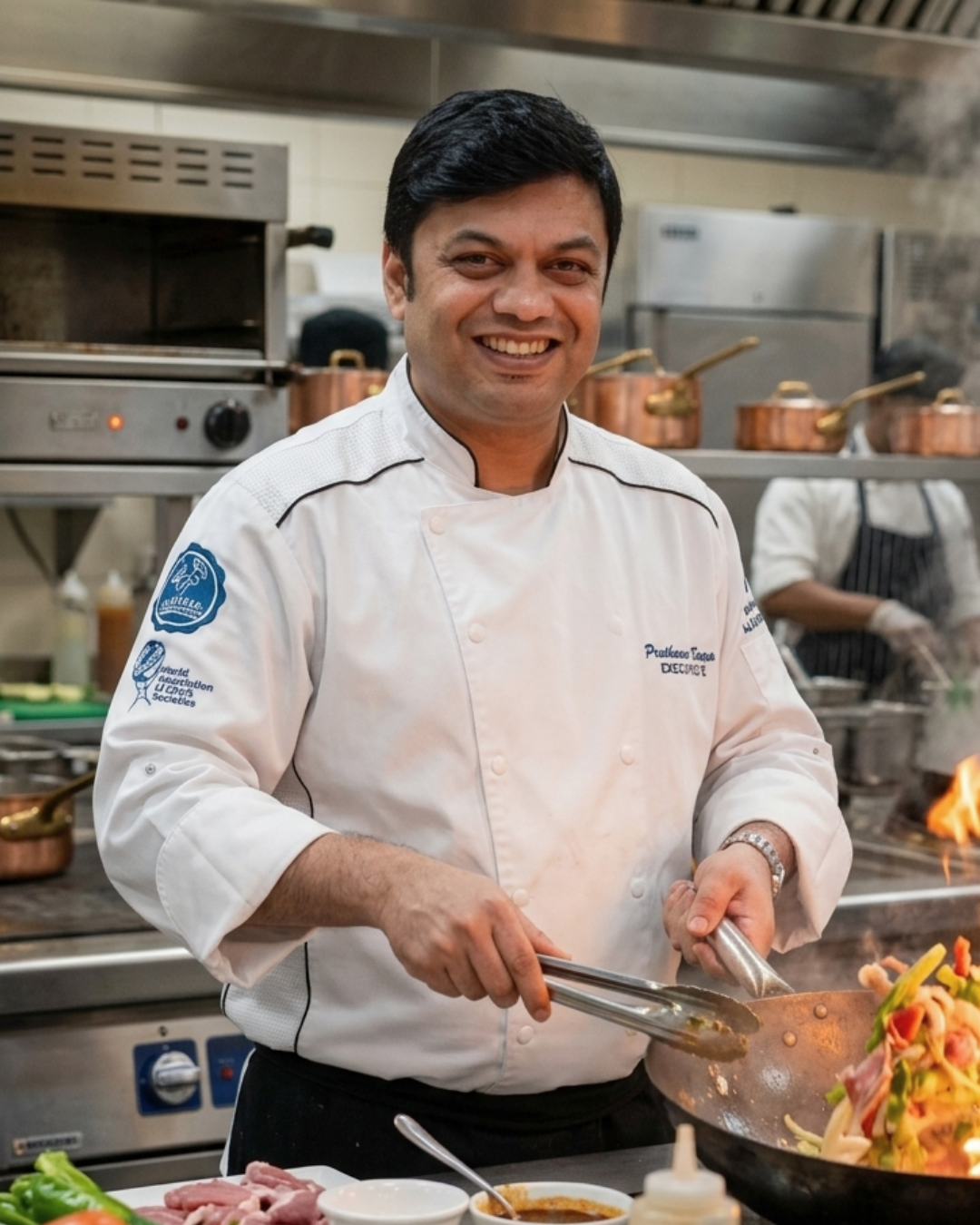
Prathamesh Kumta
What is your favorite ingredient to work with?
I would say fresh turmeric. It brings a wonderful freshness to food and enhances the overall flavor. It blends beautifully with other ingredients and adds a vibrant, pleasant taste.
What is your guiding principle in life?
My principle is to always keep learning—learning new things, trying new ideas, staying creative, and being passionate about what I do.
What is your dream as a chef?
My dream is to one day open a restaurant with a carefully curated menu—just a few dishes, including some classics and some of my personal favorites—each executed to perfection and truly the best they can be.
WHAT’S NEW |
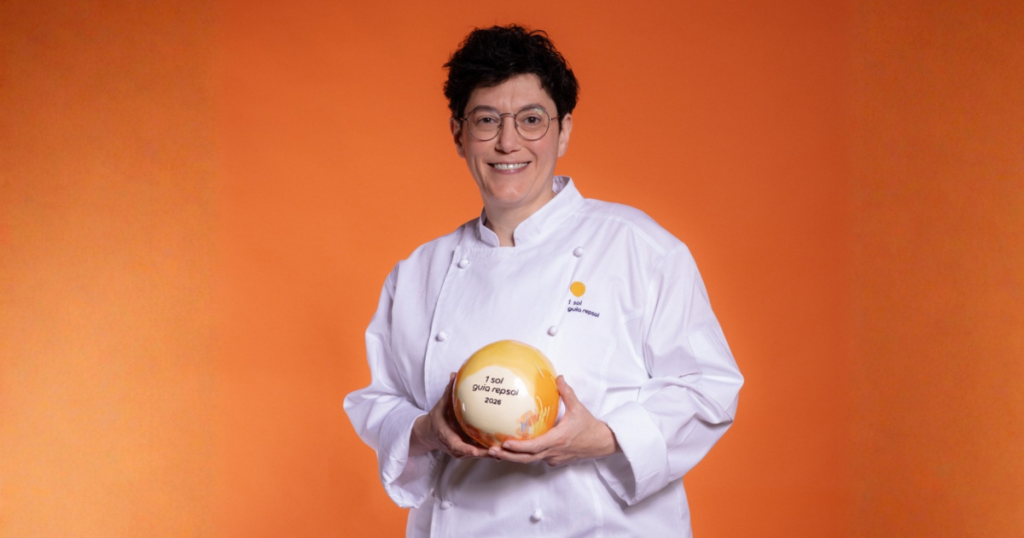


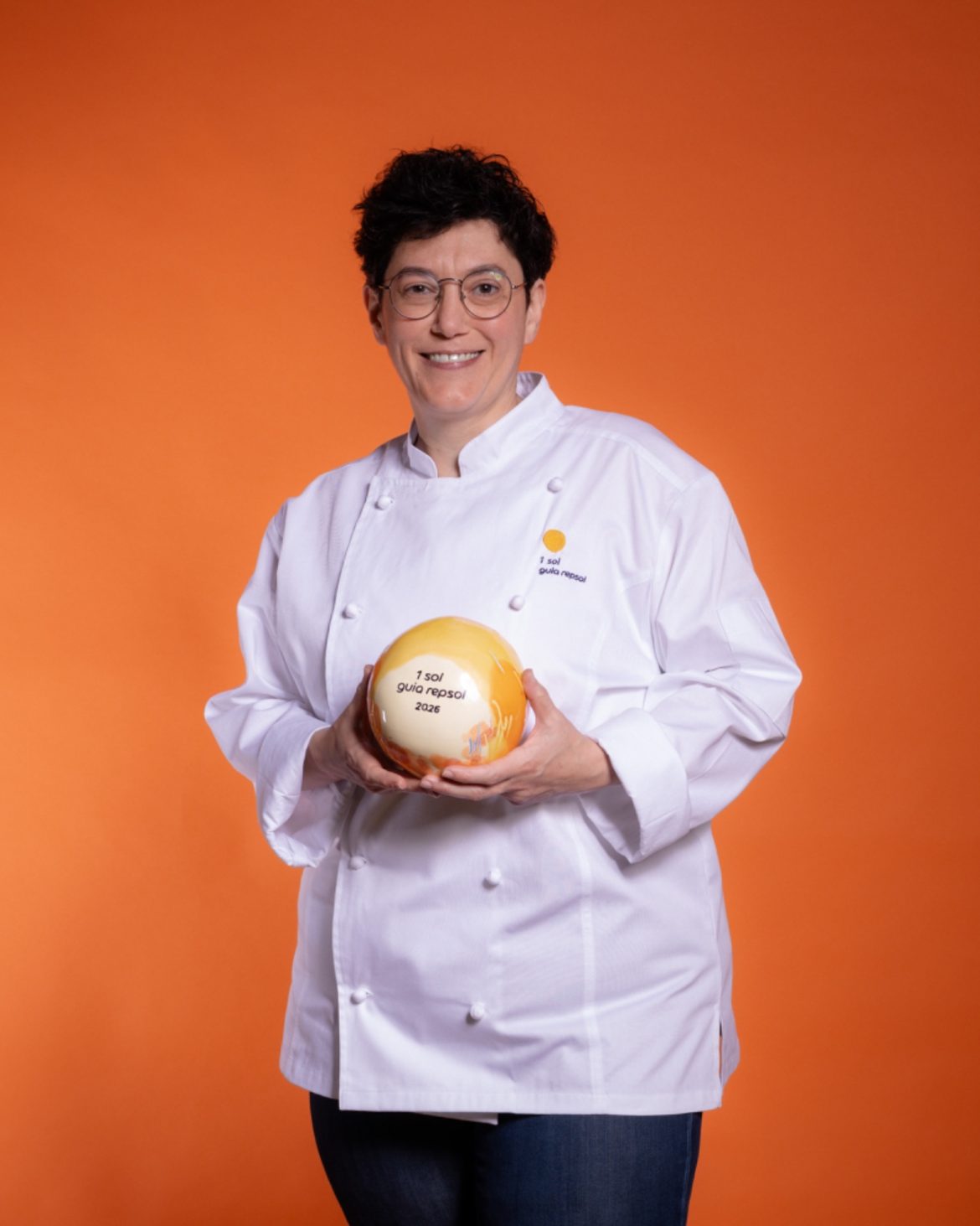
From Beirut to the World: Touta Claims Lisbon’s Culinary Crown
Lebanese gastronomy reaches new heights in the Portuguese capital as contemporary eatery Touta secures its first Repsol Sun, marking a milestone for Chef Cynthia Bitar and the global Middle Eastern food movement.
A Milestone for Lebanese Gastronomy in Portugal
Lebanese cuisine continues to make its mark on Europe’s vibrant food scene. In Lisbon, one restaurant is leading the charge. Touta, a contemporary Lebanese restaurant in the heart of the capital, has just been awarded one Sun by the prestigious Repsol Guide. This accolade confirms its rising influence and culinary excellence.
Led by Chef Cynthia Bitar, Touta has quickly become a standout destination. It opened in Campo de Ourique just two years ago. The Repsol Sun recognizes restaurants that excel in quality, creativity, consistency, and service. These values are deeply embedded in Touta’s philosophy. For Bitar, the award represents both recognition and responsibility. It highlights her commitment to reimagining Lebanese gastronomy through a modern lens.
A Dialogue of Flavors: Lebanese Heritage Meets French Technique
At Touta, the menu tells a story of cultural dialogue. Authentic Lebanese flavors meet refined French culinary techniques and premium Portuguese ingredients. The results are dishes that are both familiar and innovative.
-
Creative Small Plates: Delicately crafted croquettes featuring pine nuts and beetroot ketchup.
-
Signature Mains: Slow-cooked fish paired with creamy tahini and bright citrus notes.
-
Local Sourcing: The use of regional produce reinforces a commitment to sustainability. This includes Alentejo black pork and Azorean seafood.
Showcasing Lebanese Culinary Heritage on a Global Stage
Beyond the kitchen, the award symbolizes the growing global appreciation for Middle Eastern flavors. In challenging times for Lebanon, Bitar views this recognition as a vital opportunity. She aims to showcase her country’s rich culinary heritage on an international stage.
Lisbon continues to establish itself as a leading gastronomic destination. Touta stands at the forefront of this evolution. With a clear vision and a Repsol Sun, the restaurant is poised to keep pushing boundaries. It brings the spirit of Lebanon to every table it serves.
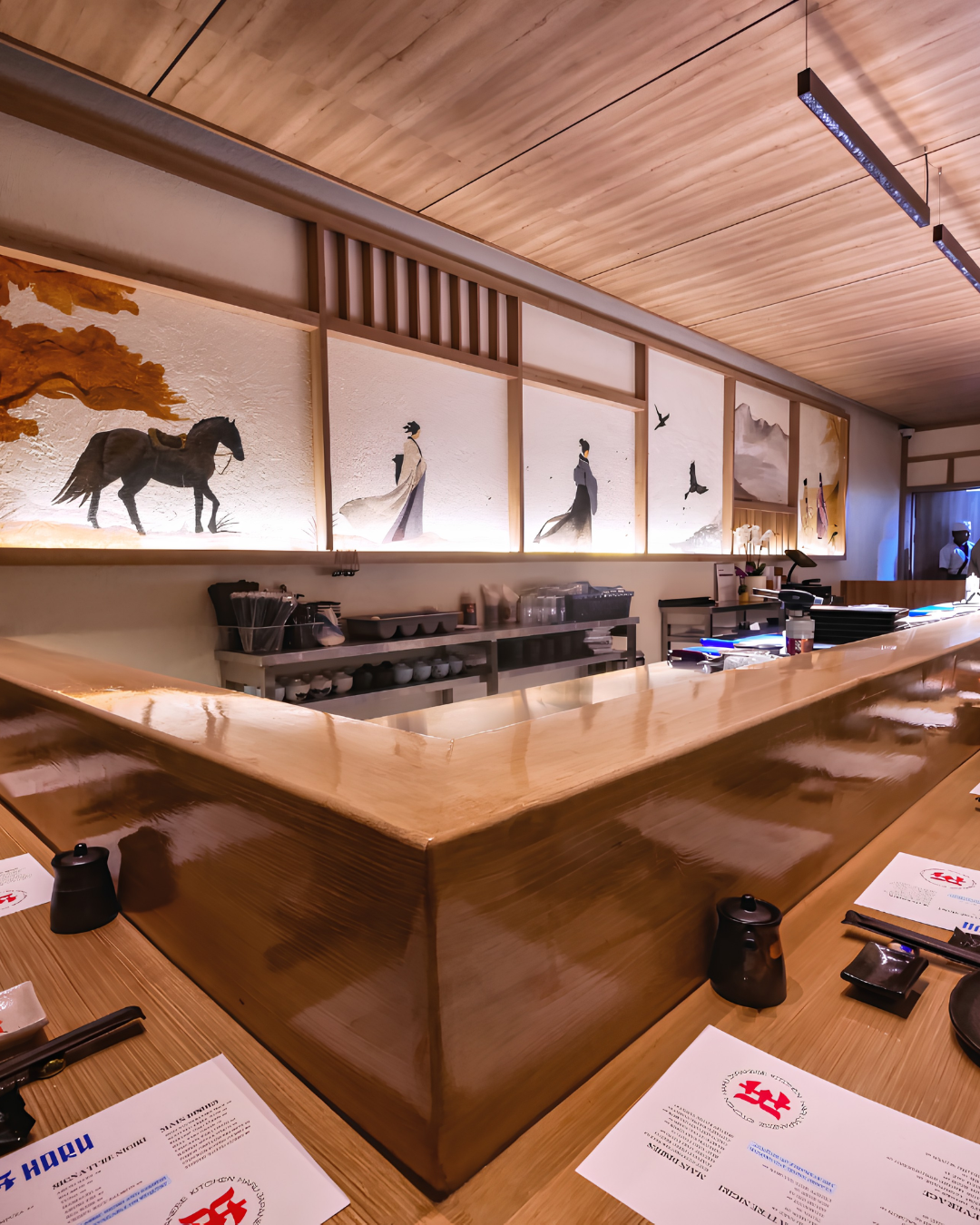
RESTAURANT IN KSA |
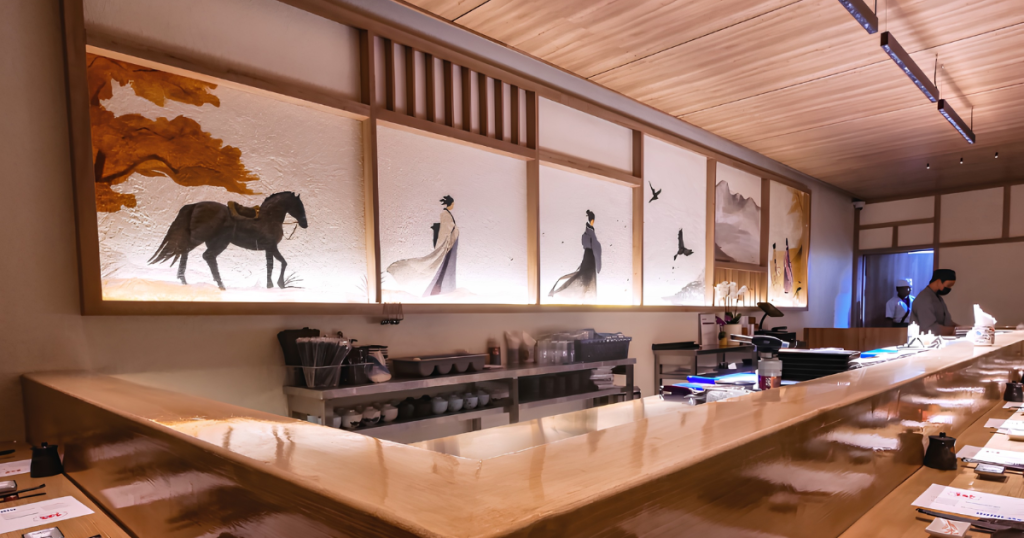
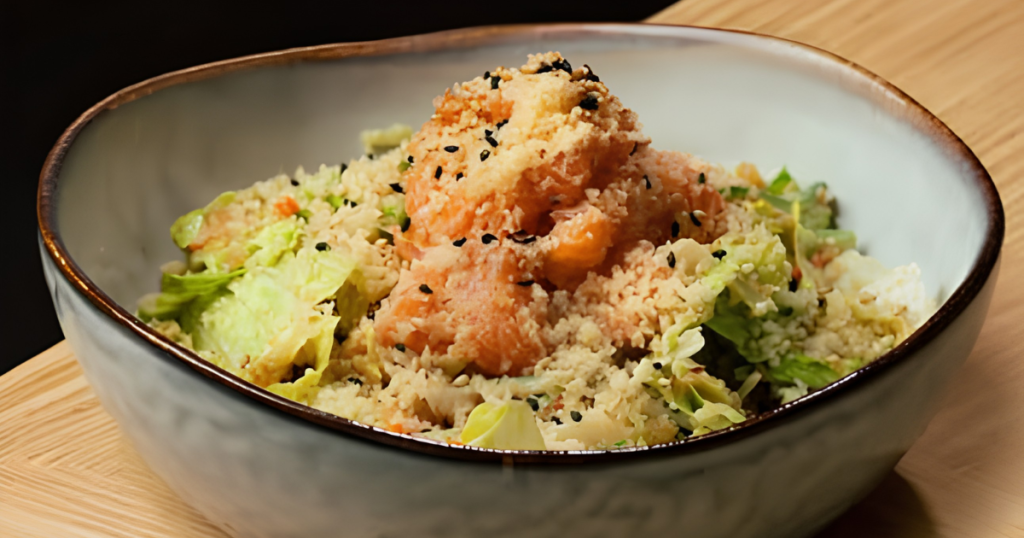
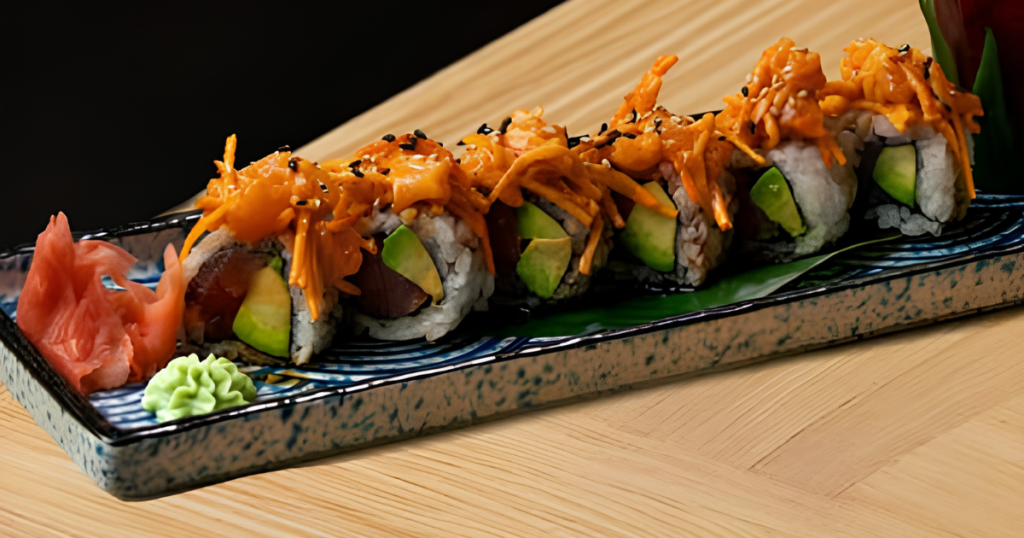
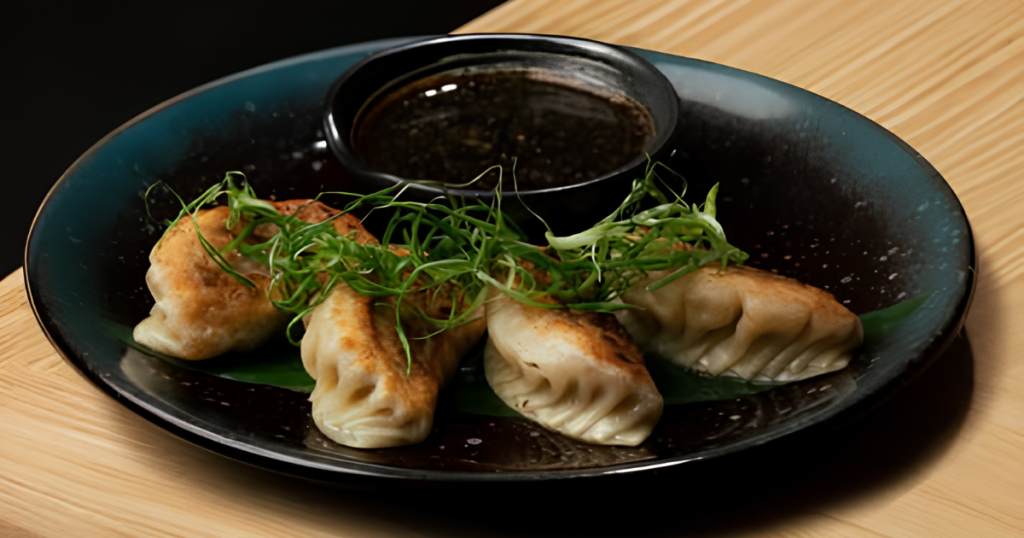
HARU
A Japanese Dining Experience Redefining Elegance

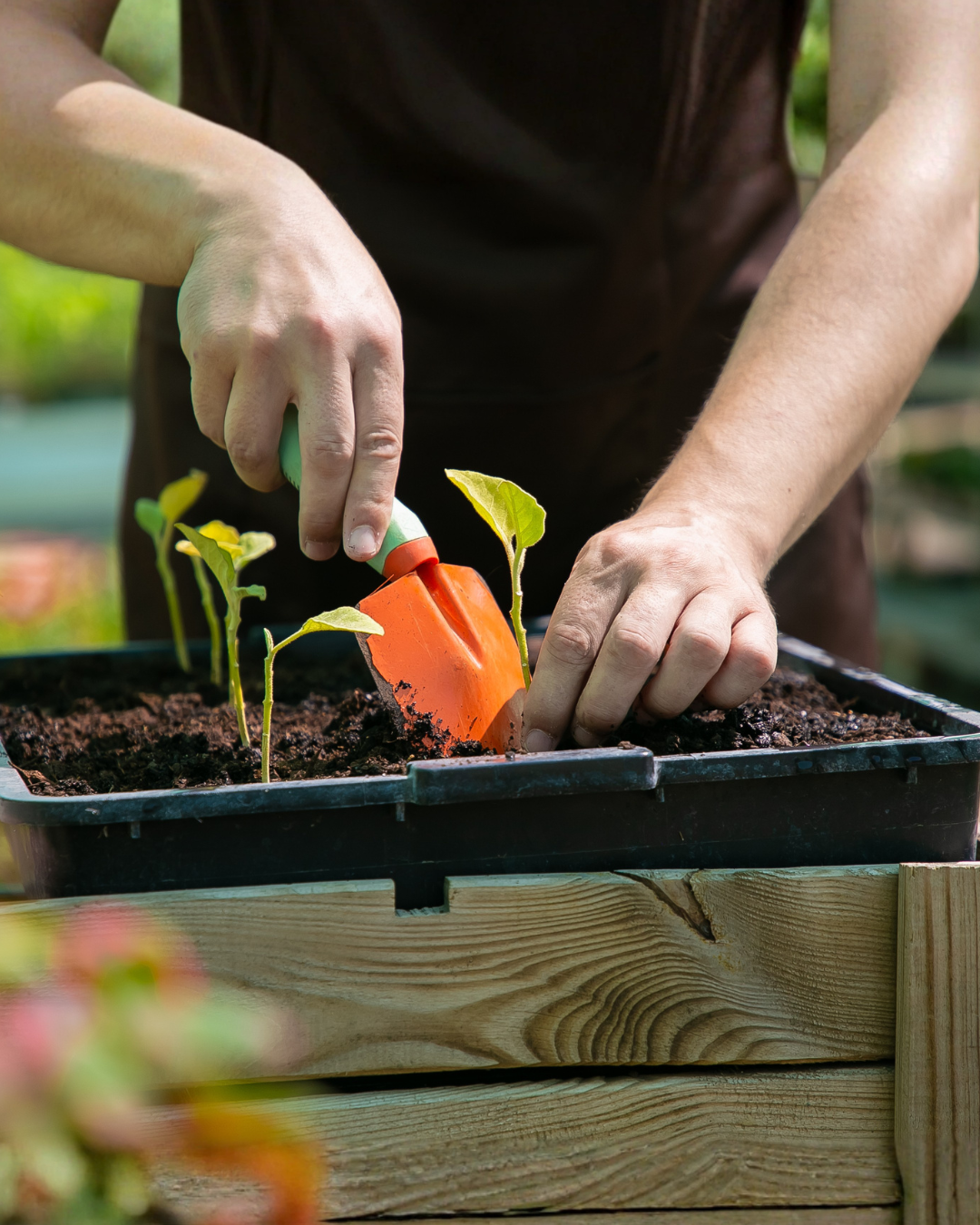
Gardening for Beginners: Easy Tips to Grow Your Own Food
Gardening is a simple, rewarding way to spend time outdoors while growing your own fresh food. Whether you have a small balcony or a spacious backyard, starting a home garden can improve your well-being, reduce grocery costs, and help you reconnect with nature. Unlike instant results from digital games, real gardening teaches patience—and delivers lasting satisfaction.
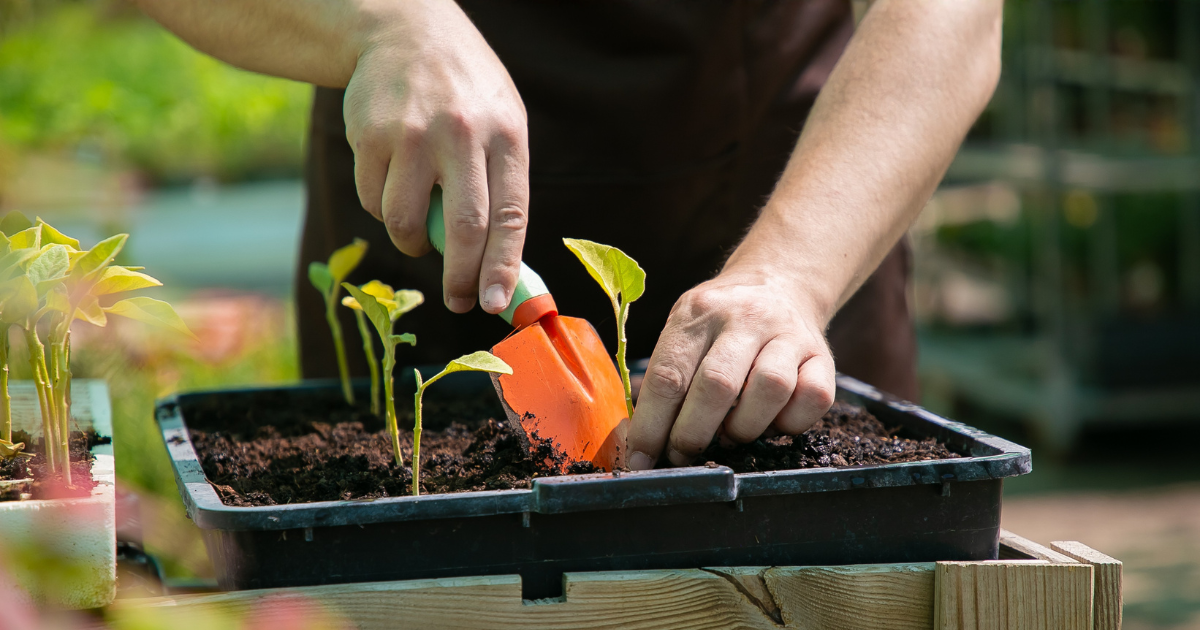
How to Start a Garden at Home
Starting a garden begins with two key decisions: what to grow and how much space you have.
- Small spaces or balconies: Try an herb garden with basil, mint, or parsley.
- Larger outdoor areas: Grow vegetables like tomatoes, cucumbers, carrots, or green beans.
Next, choose how to plant:
- Seeds: Budget-friendly but take longer to grow
- Seedlings: Faster results and easier for beginners
- Starter plants: Best for immediate progress with minimal effort
Selecting the right setup will make your home gardening experience smoother and more enjoyable.
Essential Gardening Tools for Beginners
To start gardening successfully, you’ll need a few basic tools:
- Hoe for soil preparation and weeding
- Spade for digging
- Garden rake for leveling soil
- Hand trowel for planting
- Watering can or hose for irrigation
- Sprayer for pest control
- Seeds, seedlings, or starter plants
- Fertilizer or compost for healthy growth
Investing in quality tools can make gardening easier and more efficient.
Easy Vegetables and Plants to Grow at Home
If you’re new to gardening, start with low-maintenance crops that grow quickly:
Carrots
Grow best in cool weather and mature in about 60 days. Ideal for direct sowing.
Sunflowers
Fast-growing and visually striking, they sprout in about a week and bloom in 8 weeks.
Lettuce
A beginner-friendly crop that grows quickly (7–10 days to germinate) and thrives in moist soil.
Radishes
One of the fastest vegetables to grow, ready in just a few weeks and perfect for beginners.
Cherry Tomatoes
Great for containers, these thrive in full sun. Using seedlings speeds up the process.
Best Gardening Tips for Success
1. Start small
Avoid overwhelm by beginning with a manageable garden size.
2. Use quality soil and compost
Healthy soil is the foundation of a productive garden.
3. Water consistently
Regular watering is essential, especially during early growth stages.
4. Be patient
Plants take time to grow, but the results are worth the wait.
5. Harvest and enjoy
Use your homegrown produce in meals or share it with others—gardening is both practical and fulfilling.
Why Gardening Is Worth It
Home gardening is more than just a hobby—it’s a sustainable lifestyle choice. It promotes healthier eating, reduces stress, and gives you control over what you grow and consume. Whether you’re growing herbs indoors or vegetables outdoors, gardening is an accessible and deeply satisfying activity for beginners and experienced growers alike.
OTHER ARTICLES YOU MAY LIKE
RECIPES |
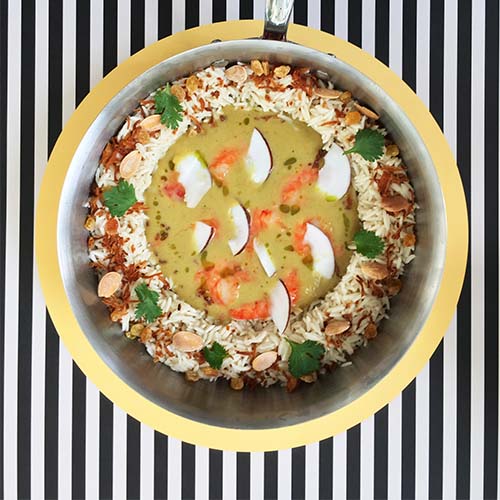
60 SUNDAY LUNCH IDEAS TO TRY THIS WEEKEND
An inspiring compilation of international recipes crafted by renowned chefs and experts, designed to bring creativity, flavor, and warmth to your Sunday table
-
by Chef Antoine Bonnet
-
by Chef Rami Jaafar
-
by Mario Jr Haddad
-
By Chef Roy Hazboun
-
by Chef Souheil Ghazal
-
by Chef Nicolas Herbault
-
by Chef Marc Fontenelle
-
by Chef Hanna Tawil
-
by Chef Ziad Hilal
-
-
by Chef Farid Chehab
-
by Chef Farid Chehab
-
by Chef Farid Chehab
-
-
by Healthyliciousbysara
-
-
-
by Widad Saade
-
-
-
By Chef Sleiman Khawand
-
-
-
By Maroun Chedid
-
by Chef Cynthia Bitar
-
-
-
by Chef Ibrahim Henawi
-
by Monique Bassila Zaarour
-
by Chef Armando Codispoti
-
by Chef Alexis Couquelet
-
by Butter of Europe
-
by Butter of Europe
-
by Butter of Europe
-
by Butter of Europe
-
by Butter of Europe
-
by Butter of Europe
-
by Chef Alexis Couquelet
-
-
-
by Chef Jerome Anfray
-
-
-
-
-
By Chef Roy Hazboun
-
By Chef Roy Hazboun
-
by Mövenpick Hotel & Resort Beirut
-
by Mövenpick Hotel & Resort Beirut
-
-
-
-
-
-
by Tania Kantemiroff
-
by Chef Dhan Singh
-
by chef Sylvain Arthus
-
by Kampai
-
-
by Chef Christophe Bacquié
OTHER RECIPES TO TRY
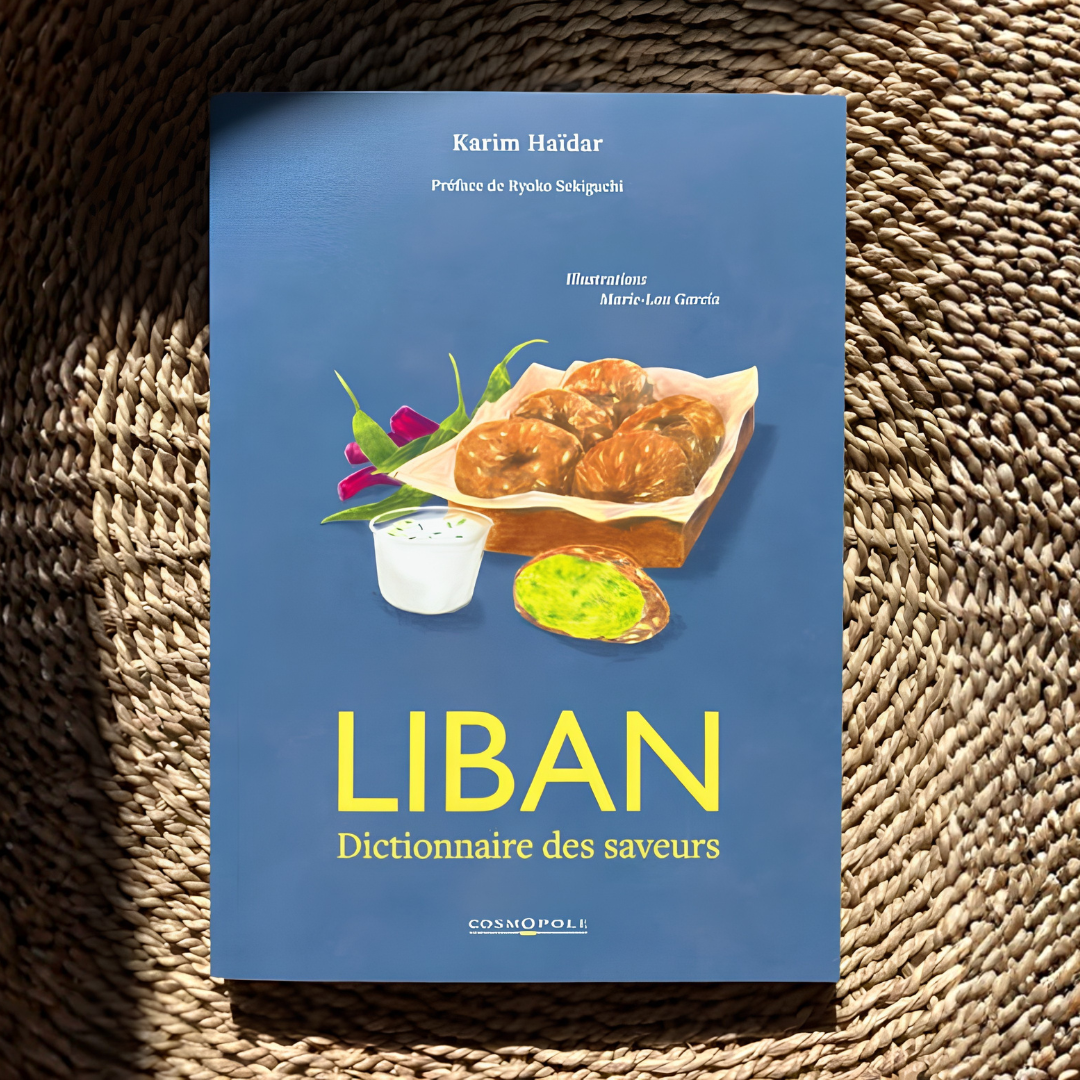
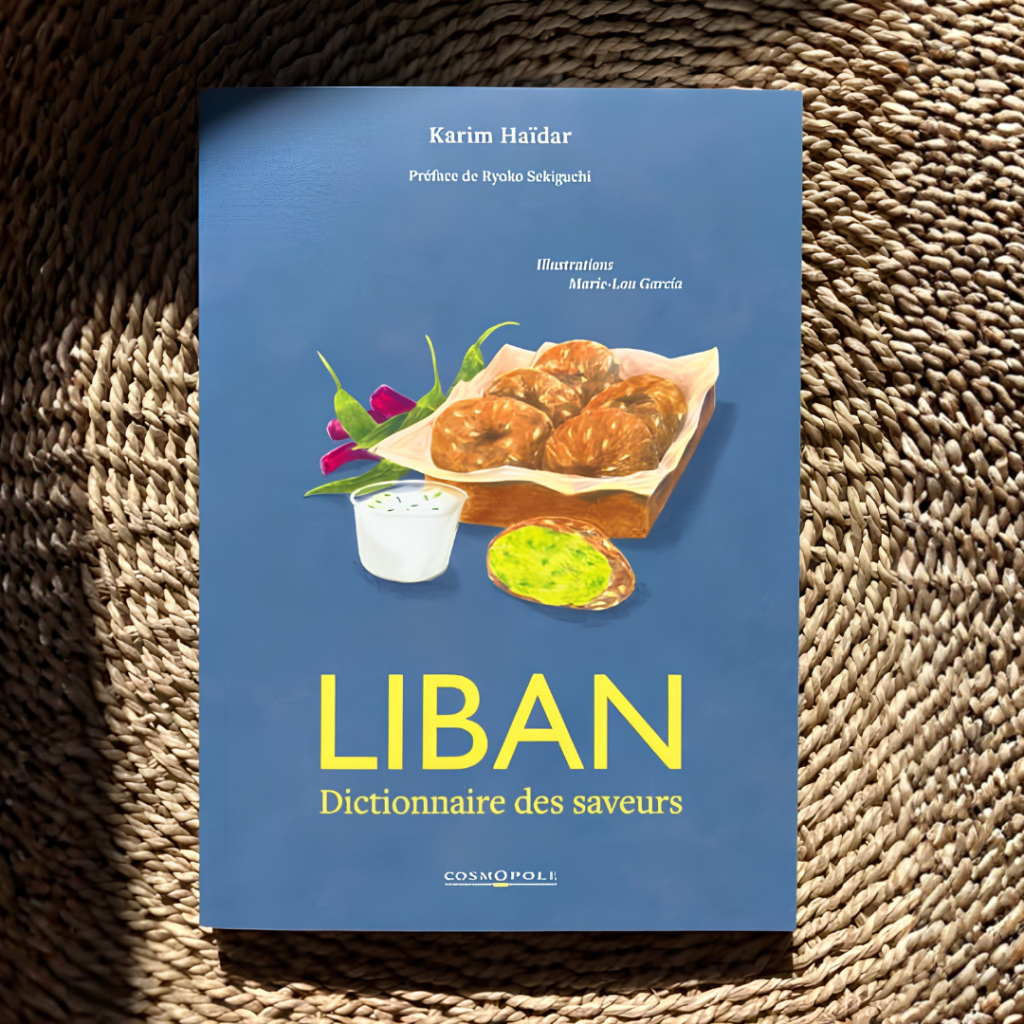
Liban: Dictionnaire des Saveurs by Chef Karim Haidar (Éditions Cosmopole) is far more than a traditional Lebanese cookbook. Through a rich and evocative narrative, the chef behind Paris’s acclaimed Sama Bistro explores Lebanese identity through its culinary heritage, going well beyond familiar dishes like hummus and falafel.
Designed as an A-Z dictionary, the book offers a unique, non-linear journey through Lebanon’s food culture. Each entry is not just a recipe, but a story, a memory, or a cultural reference that reflects everyday life, language, and traditions across generations.
Having lived abroad for over 30 years, Karim Haidar writes from the perspective of the diaspora, using food as a bridge between memory and modern reality. His work preserves a culinary heritage that has long been passed down orally, at risk of disappearing over time.
The book explores several key themes:
Food as identity and belonging
In a country with a vast diaspora, Lebanese cuisine becomes a powerful link to one’s roots. Haidar documents recipes and traditions that connect generations across borders.
Everyday rituals and culinary memory
Beyond recipes, the book captures how people eat, from simple childhood snacks to elaborate festive dishes, reflecting the rhythm of Lebanese life.
Authenticity in Lebanese cuisine
Haidar challenges the standardized versions of Lebanese food seen globally. He highlights the diversity of dishes like fattoush, which naturally evolve depending on region, season, and local ingredients.
Blending storytelling, culture, and gastronomy, Liban: Dictionnaire des Saveurs is both a tribute to Lebanon and a preservation of its culinary soul.
DISCOVER MORE COOKBOOKS
INTERVIEW |
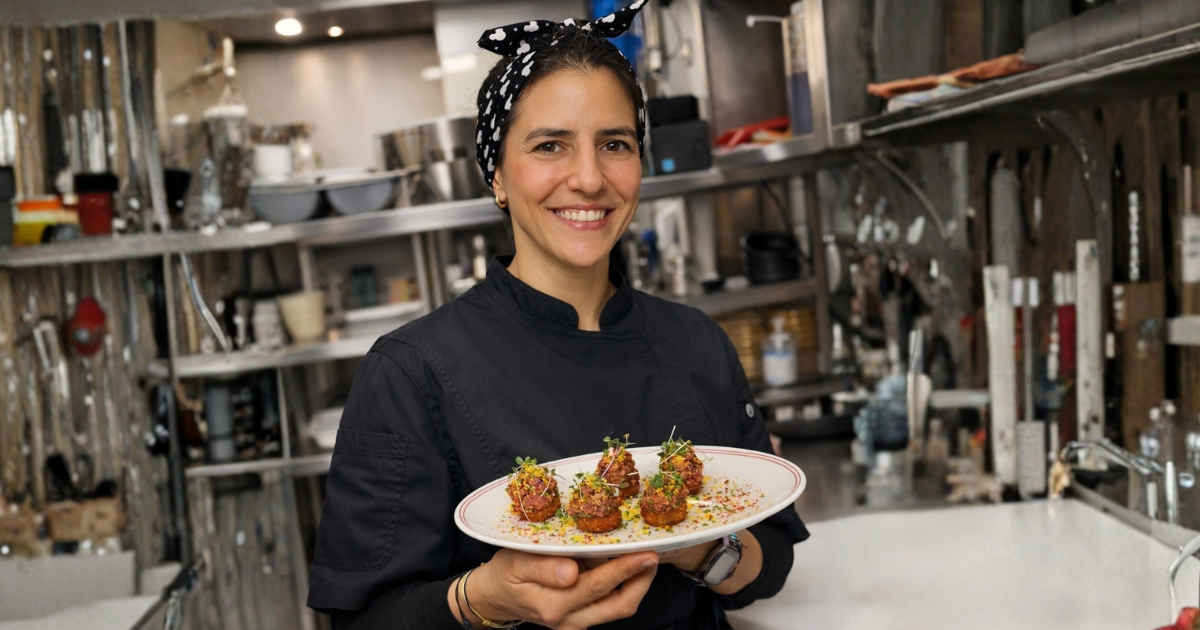
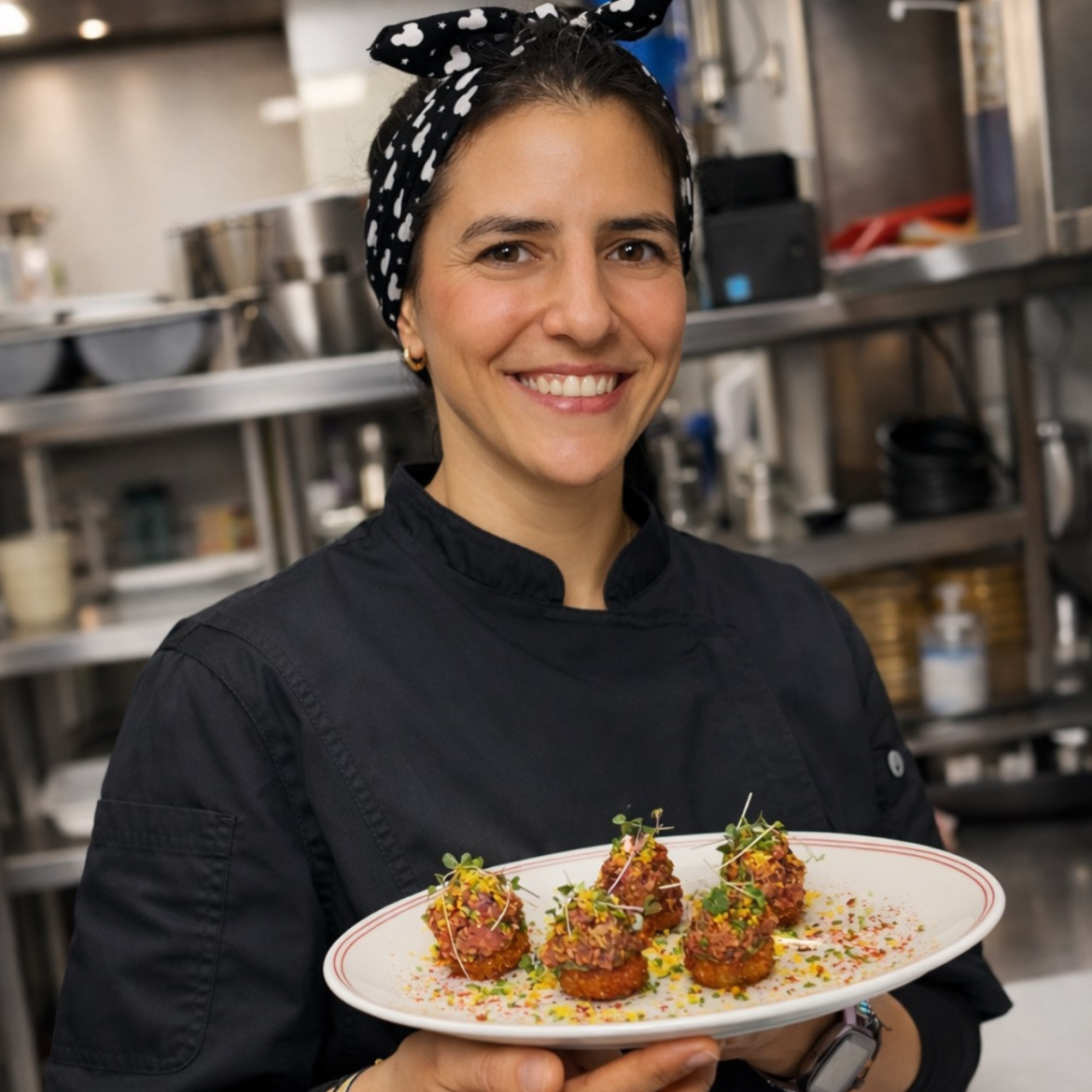
Executive Culinary Creative at SAS Hospitality
1. What inspired you to become a chef, and how does that story shape your cooking today?
Growing up in a culture where family is at the center of everything, I was always drawn to gatherings around the table. My mother, teta, aunts, and sometimes even my father and uncles would come together to create a spread that nourished not only the body, but also the soul.
Those moments were never just about cooking; they were a ritual filled with conversation, love, technique, culture, and, at times, laughter. I was deeply drawn to that process. I wanted to be part of it, to understand it, to learn it, and to connect with my roots and others through it. The kitchen became my “Happy Place.”
My cooking is deeply rooted in layering flavors, respecting ingredients, and honoring tradition while introducing new influences. I aim to create dishes that feel both familiar yet exciting.
2. What’s your favorite dish, and why?
That’s a tough one. It is hard to choose just one, but I am always drawn to things done simply and exceptionally well—like a perfectly grilled fish with a squeeze of lemon, a sprinkle of Maldon salt, and a drizzle of olive oil. Alternatively, I love dishes that tell a deeper story and can’t be replicated elsewhere—those that carry years of craftsmanship.
3. What are three ingredients you always keep in your kitchen?
Salt, of course, lemon, and olive oil. I believe they are able to enhance, brighten, and transform any ingredient. They are the foundation of Mediterranean cuisine, which is a very big part of me.
4. What is your philosophy or personal motto?
Food has a soul, especially when it’s prepared with intention. When it’s treated with love, respect, and joy, it goes beyond taste; it creates a feeling and leaves a lasting impression. I believe cooking should be grounded in technique but always driven by feeling.
5. What is your dream in life?
My dream is to build meaningful culinary concepts that go beyond just food—spaces that inspire, empower, and create a community. I want to contribute to shaping a new kitchen culture where people feel encouraged to learn, grow, and thrive both creatively and personally in a healthy work environment.
6. What are your current projects and plans?
My current work is largely consultancy-driven, allowing me to collaborate across different markets and countries. At the same time, I am preparing to step into my role as the Executive Culinary Creative Chef at SAS Hospitality. There, I will be leading the development of new concepts, overseeing franchises, and contributing to hotel culinary experiences. The plan is to work closely with the team of SAS Hospitality connoisseurs to build concepts that are not only creative and scalable but will deliver some of the best hospitality in the industry.
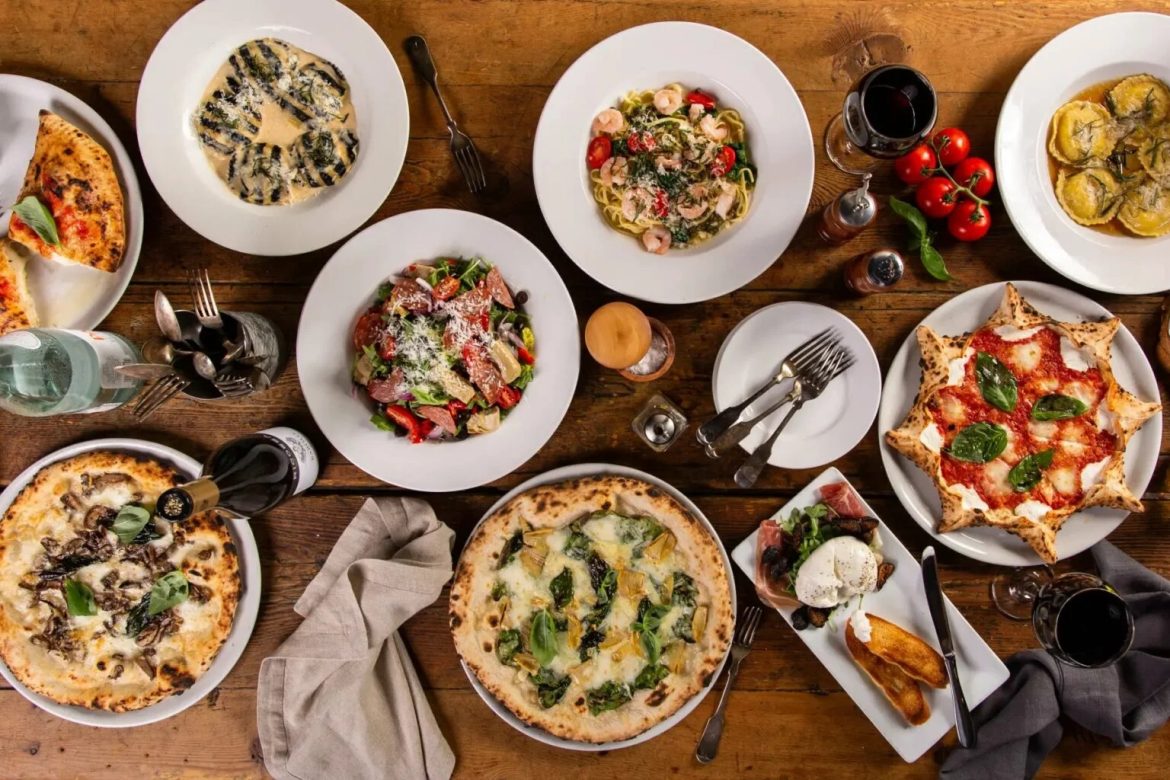
40+ OF OUR FAVORITE ITALIAN RESTAURANTS IN THE MIDDLE EAST
Craving a taste of Italy in the heart of the Middle East? Join us on a delectable journey as we uncover the top Italian restaurants sprinkled across the region. From the bustling streets of Dubai to the charming corners of Beirut, get ready to explore the culinary gems that bring the flavors of Italy to your doorstep.
EGYPT
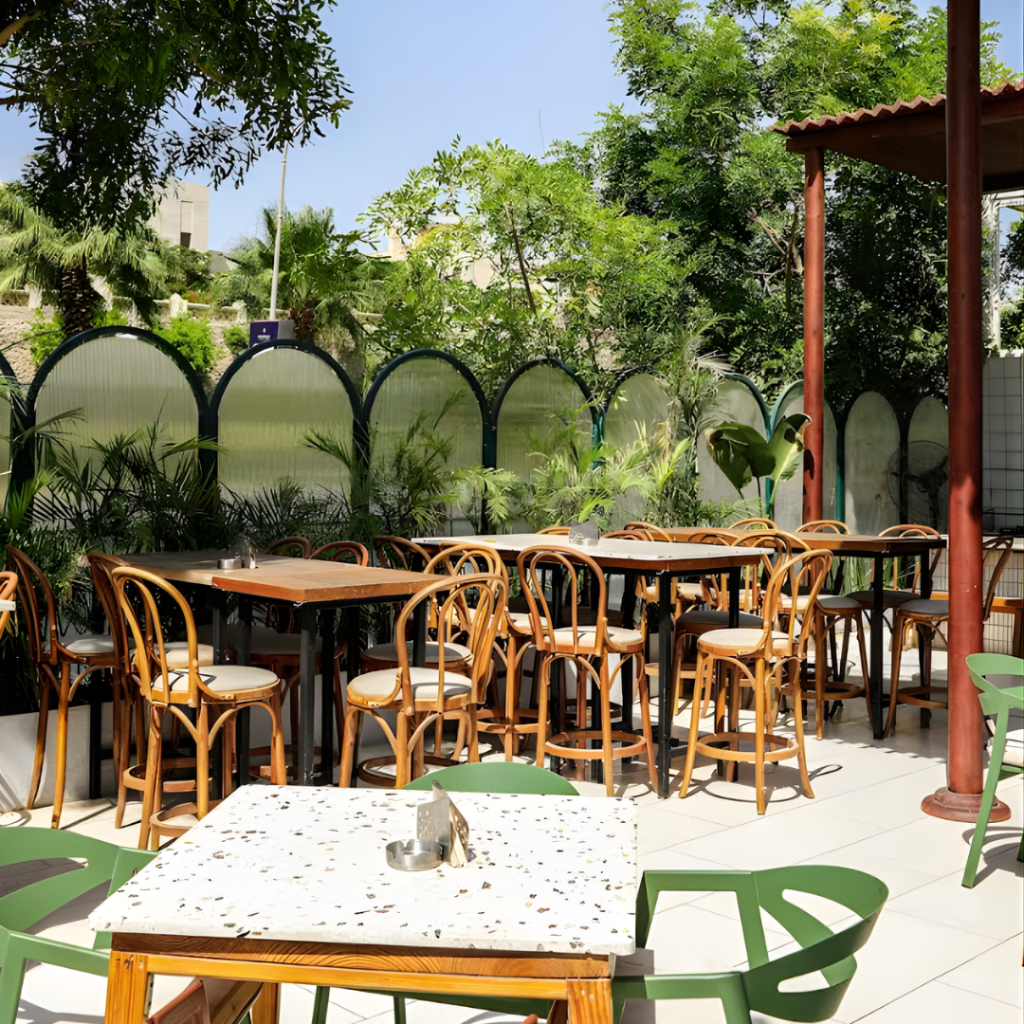
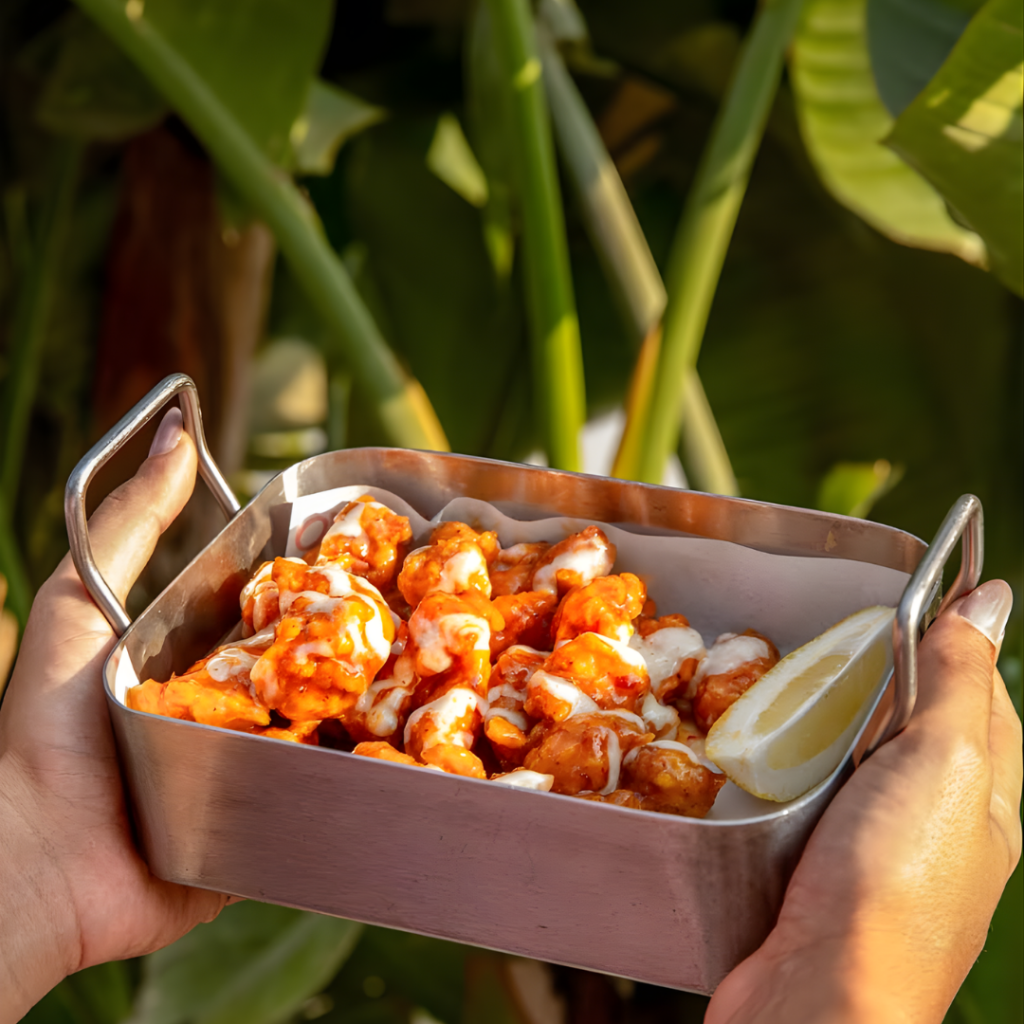
BOTANICA
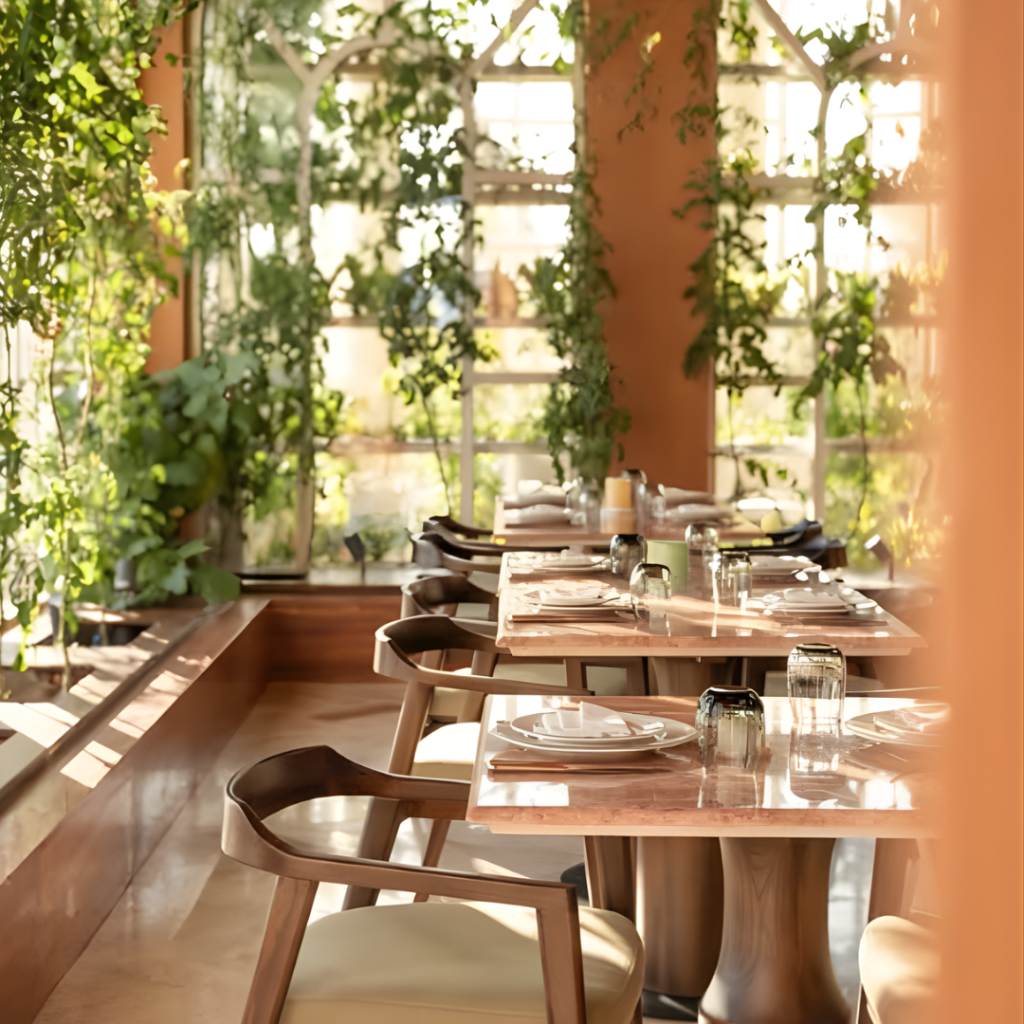
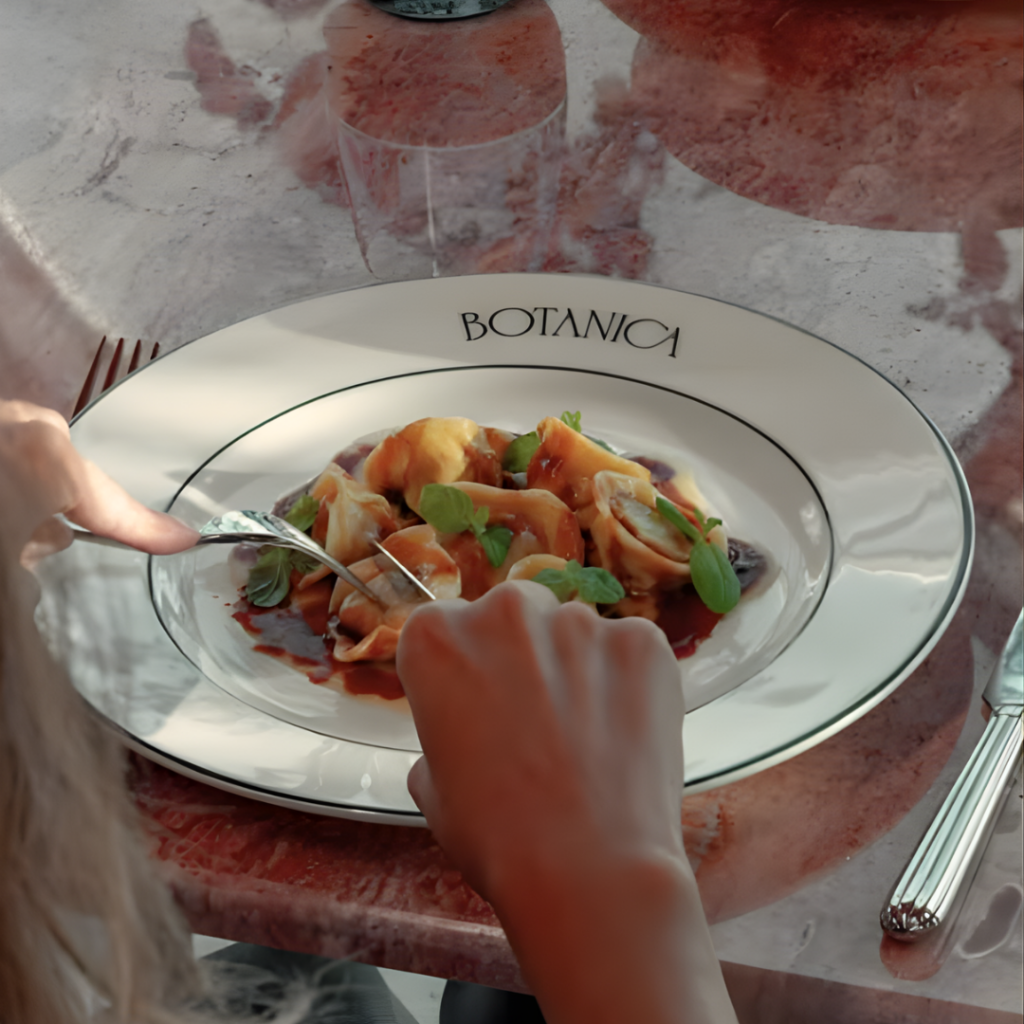
Tucked away within the serene landscape of El Gouna, Botanica is more than a restaurant, it’s a destination designed to slow you down and reconnect you with nature through food, setting, and atmosphere. Surrounded by greenery and infused with a relaxed yet refined energy, Botanica brings a fresh, contemporary approach to dining in one of Egypt’s most sought-after coastal towns.
CANTINA BY OLIVO
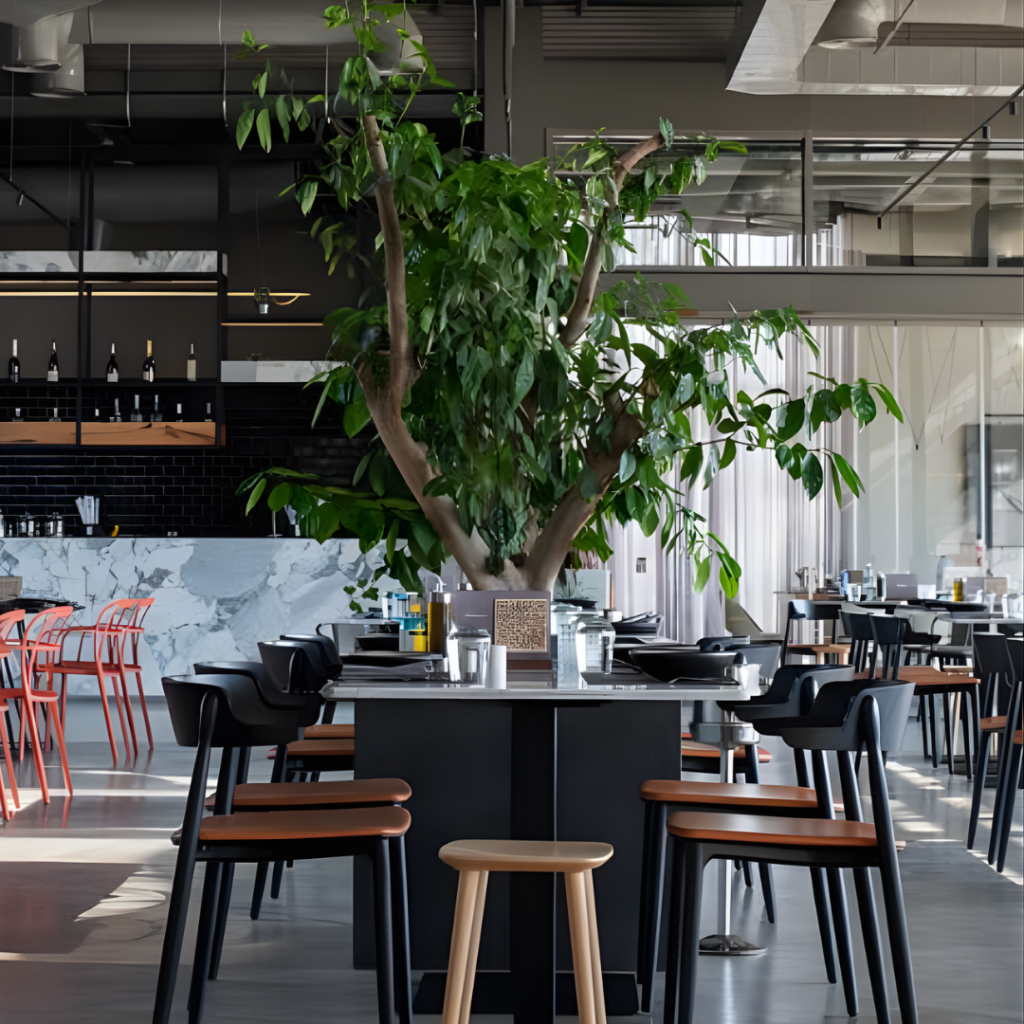
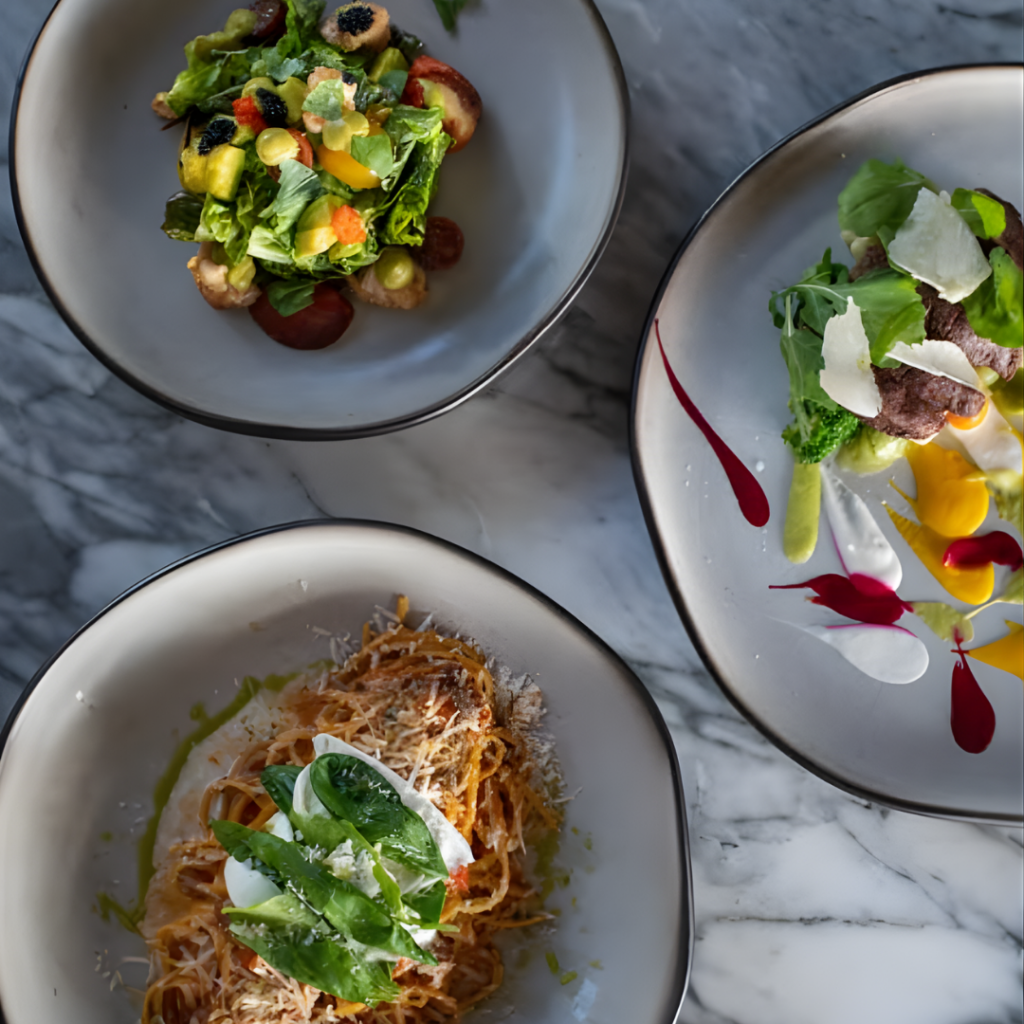
A modern take on rustic Italian fare, known for its wood-fired pizzas and cozy atmosphere. Nestled in a lively district, the venue offers a casual yet stylish vibe. Their antipasti and house-made tiramisu are crowd favorites.
ITALIANO BY PIER88
Upscale and chic, this restaurant merges Italian elegance with Nile-side views and refined dining. It features live entertainment and a carefully curated wine list. The menu is rich with Northern Italian specialties.
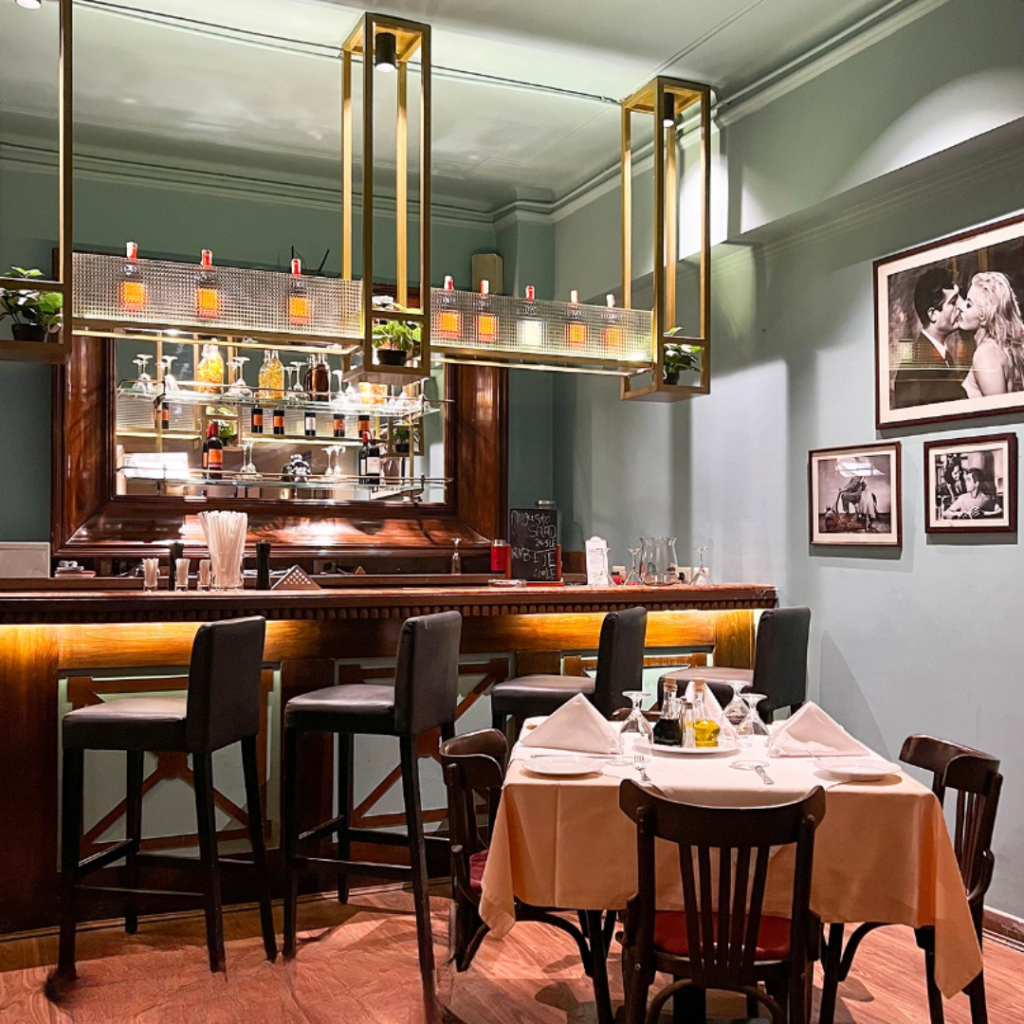
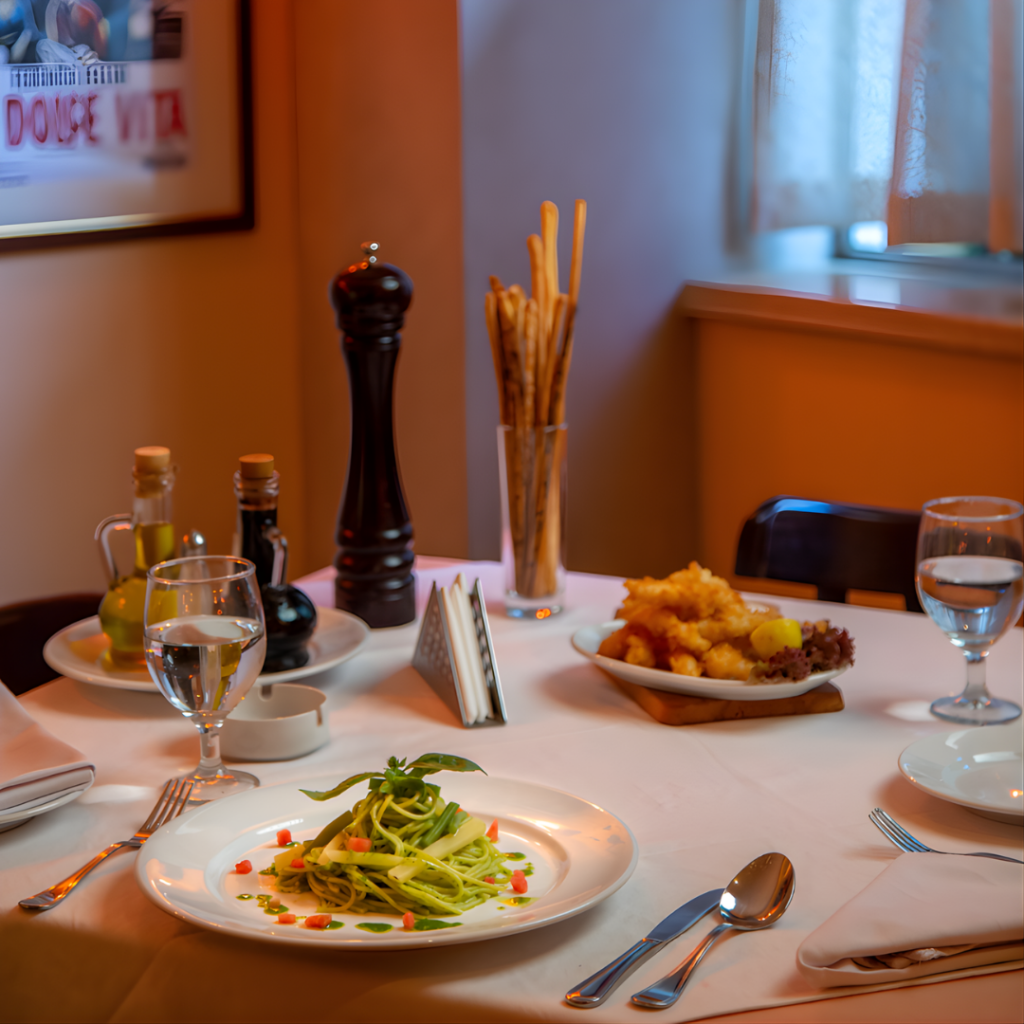
LA TRATTORIA
A charming, classic trattoria-style restaurant offering traditional dishes and a warm ambiance. Frequented by locals and tourists alike, it captures the essence of Italian hospitality. The pasta carbonara is a standout.
JORDAN
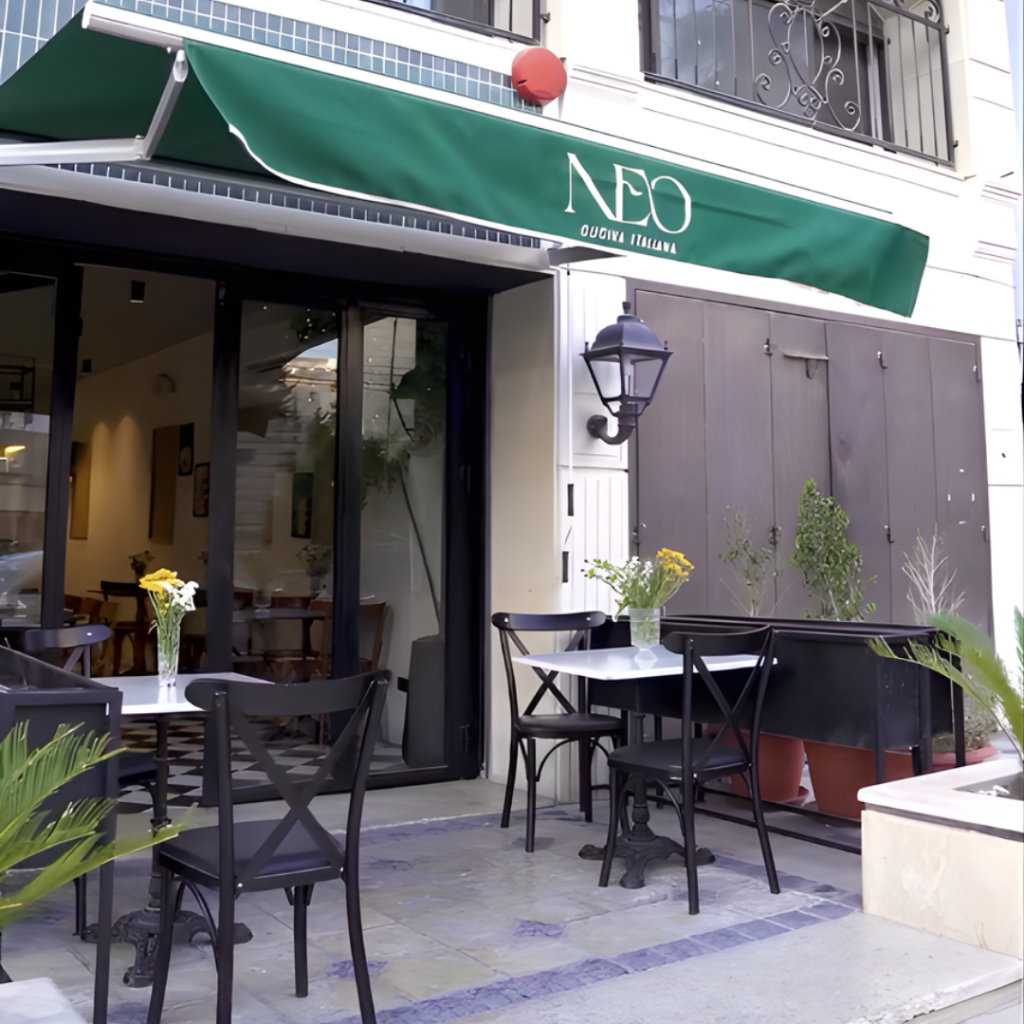
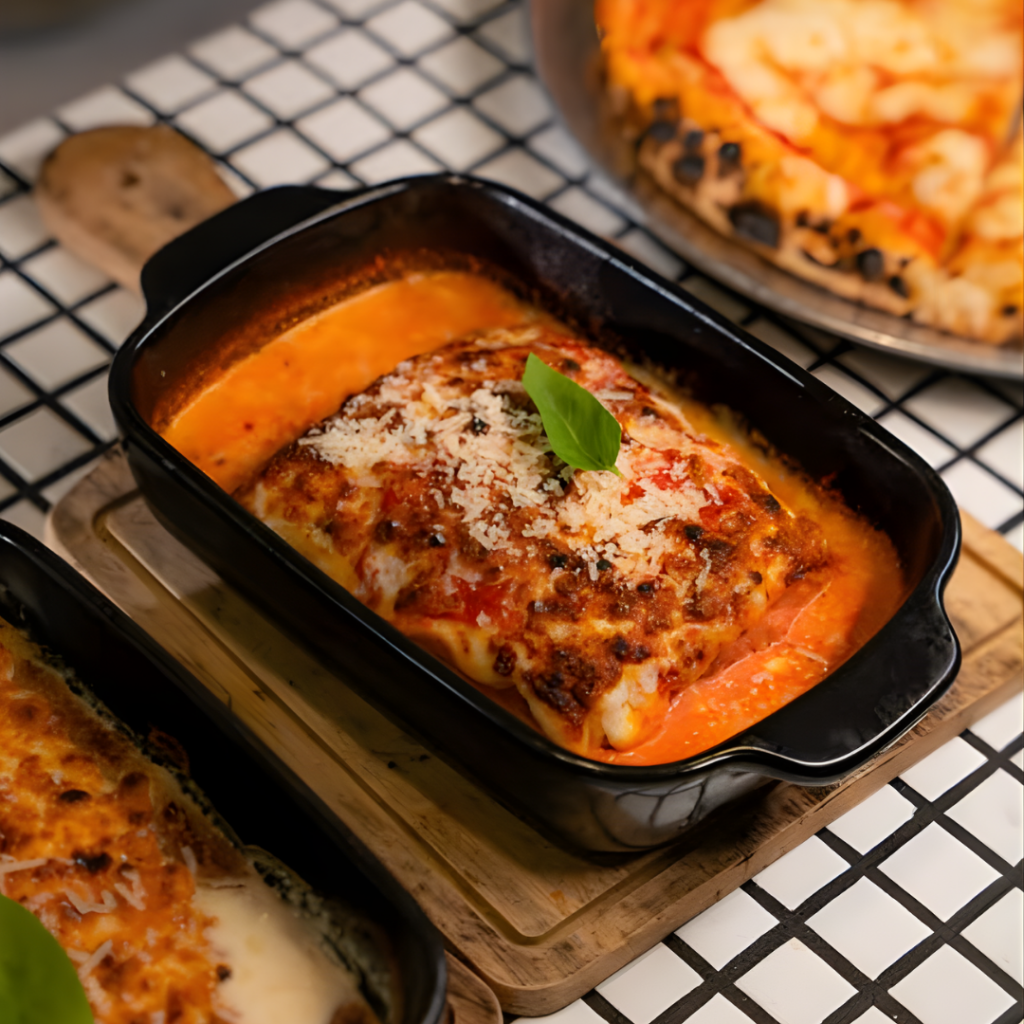
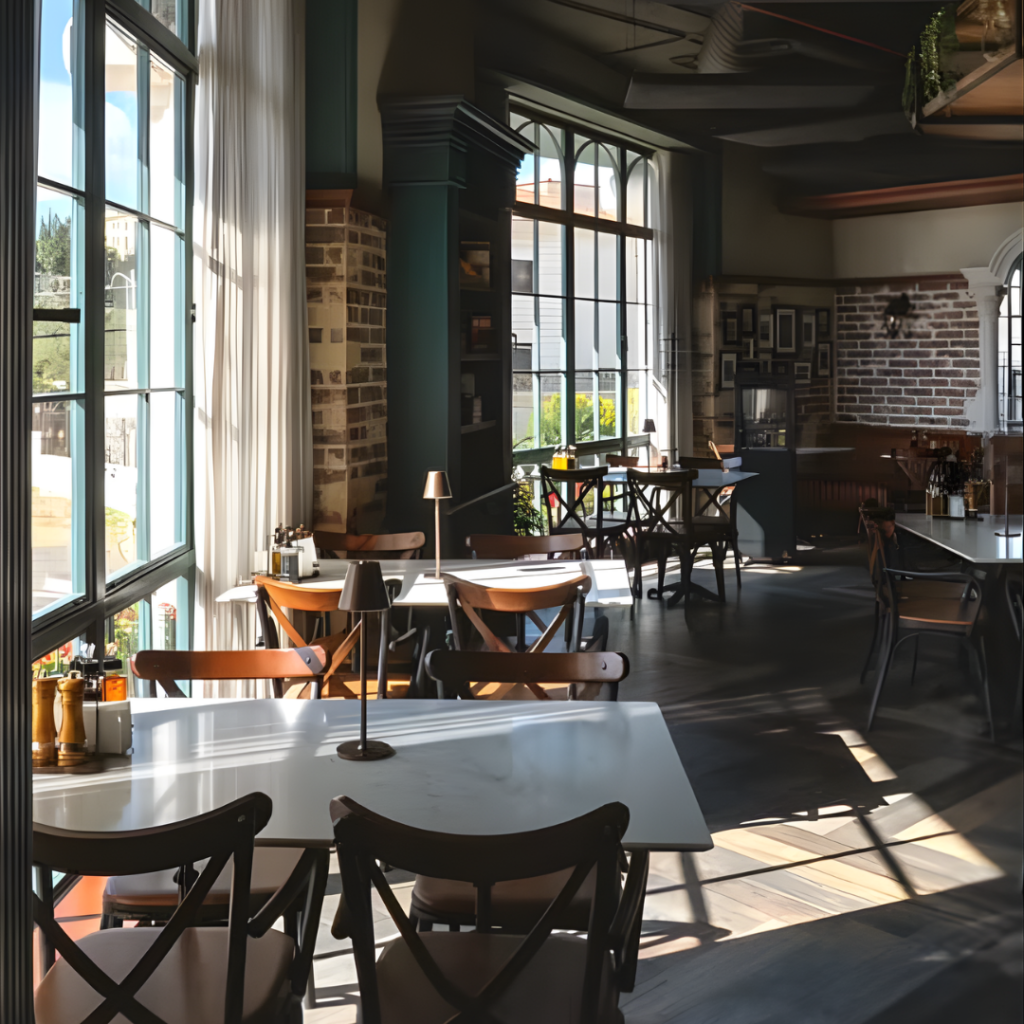
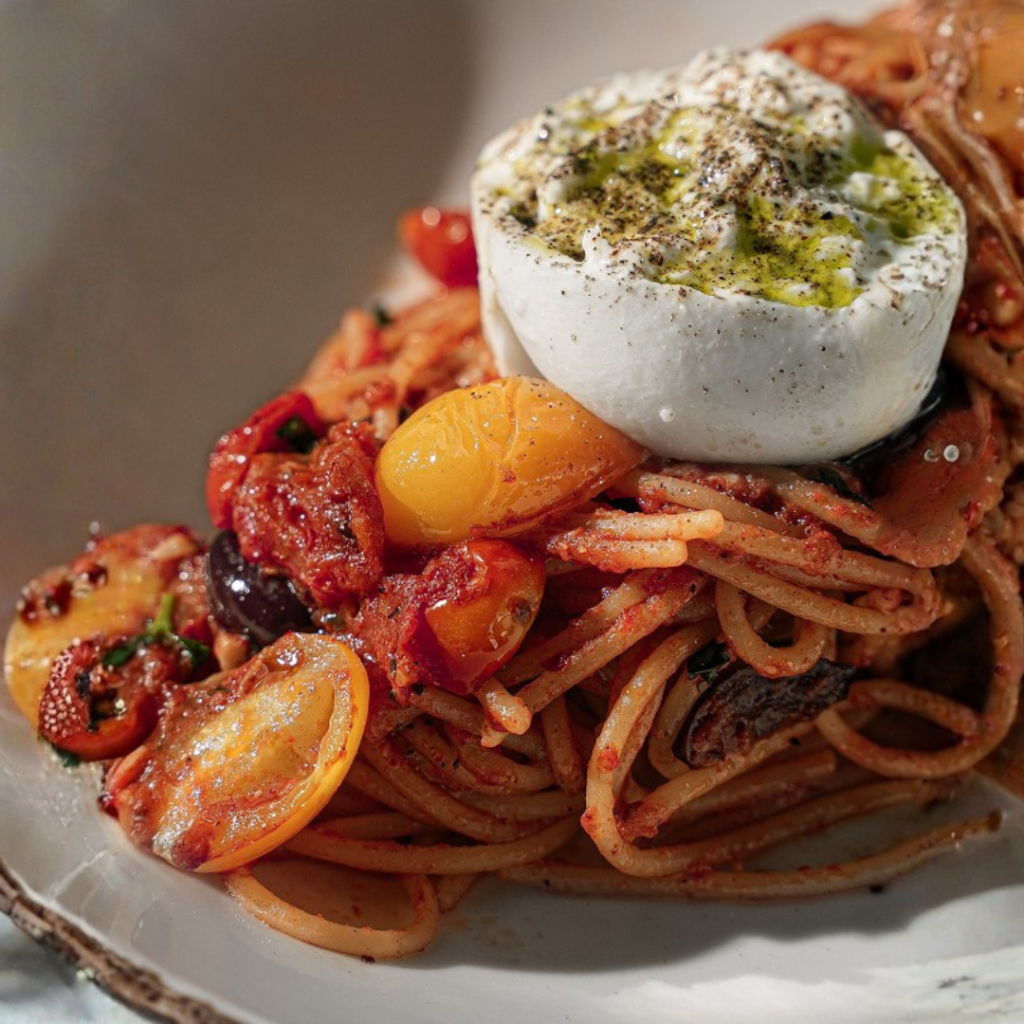
NEO CUCINA ITALIANA
A sleek, modern kitchen redefining traditional Italian recipes with innovative touches. With chic interiors and an experimental menu, it appeals to food connoisseurs. Expect artful plating and bold flavors.
PADOVA
Named after the Northern Italian city, Padova is known for its rich risottos and sophisticated ambiance. Their truffle-based dishes are especially praised. The wine list is extensive and thoughtfully paired.
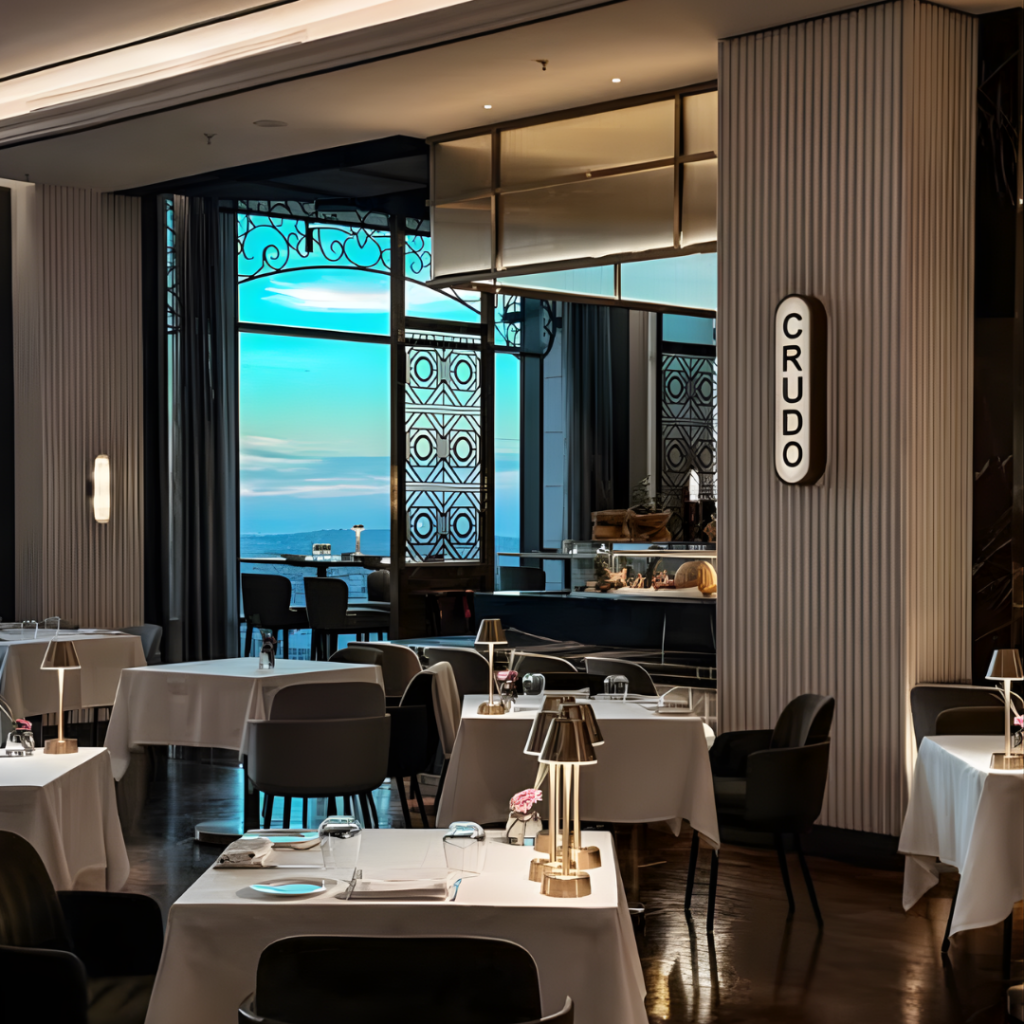
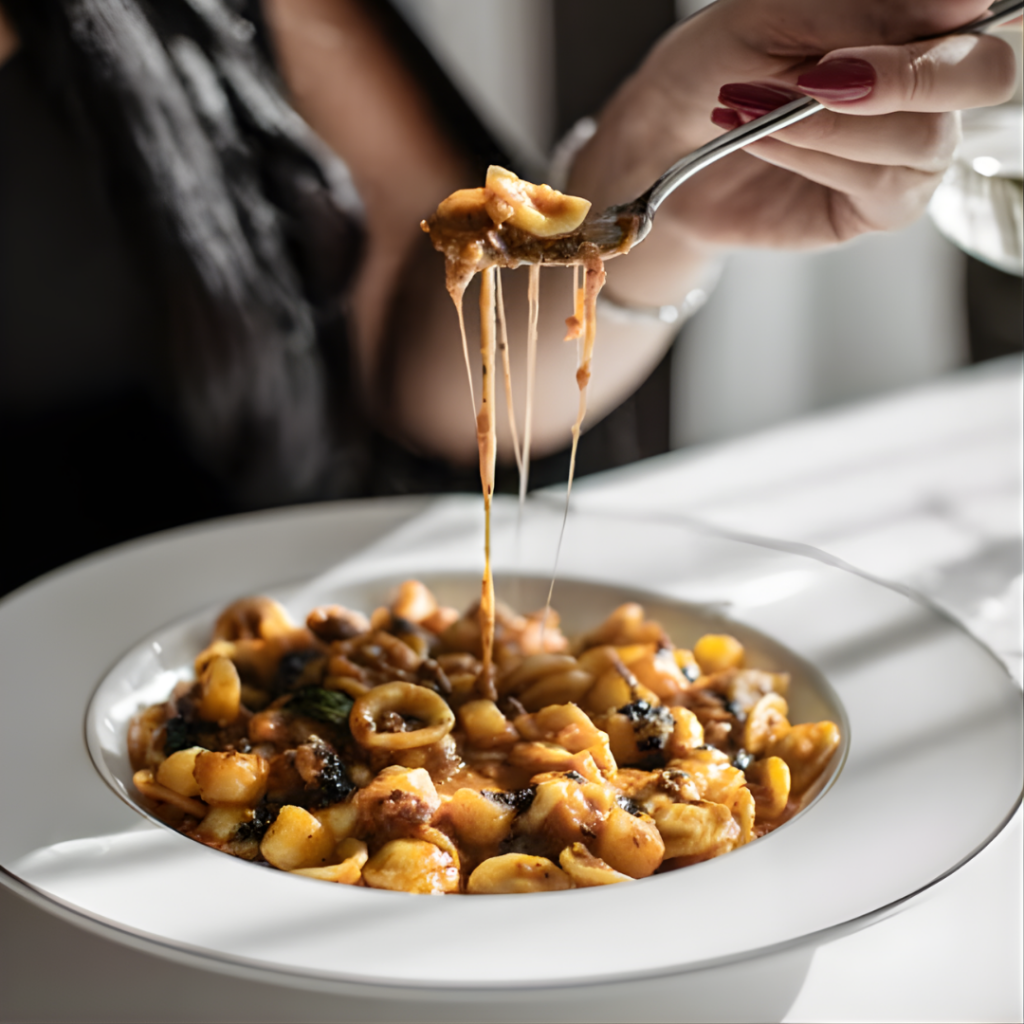
ROBERTO’S
A high-end dining experience offering refined Italian dishes in a luxurious, stylish space. The décor is inspired by Milanese fashion and design. Signature cocktails and curated menus elevate the experience.
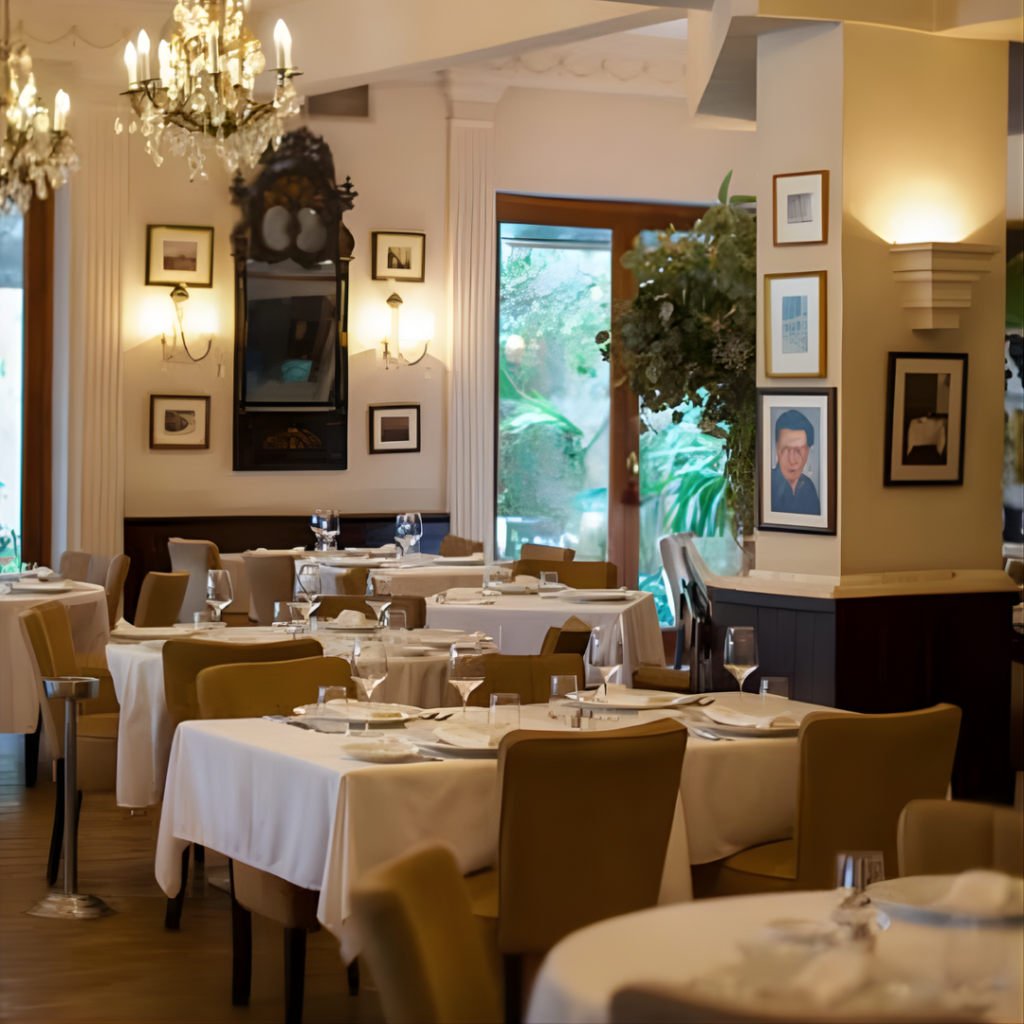
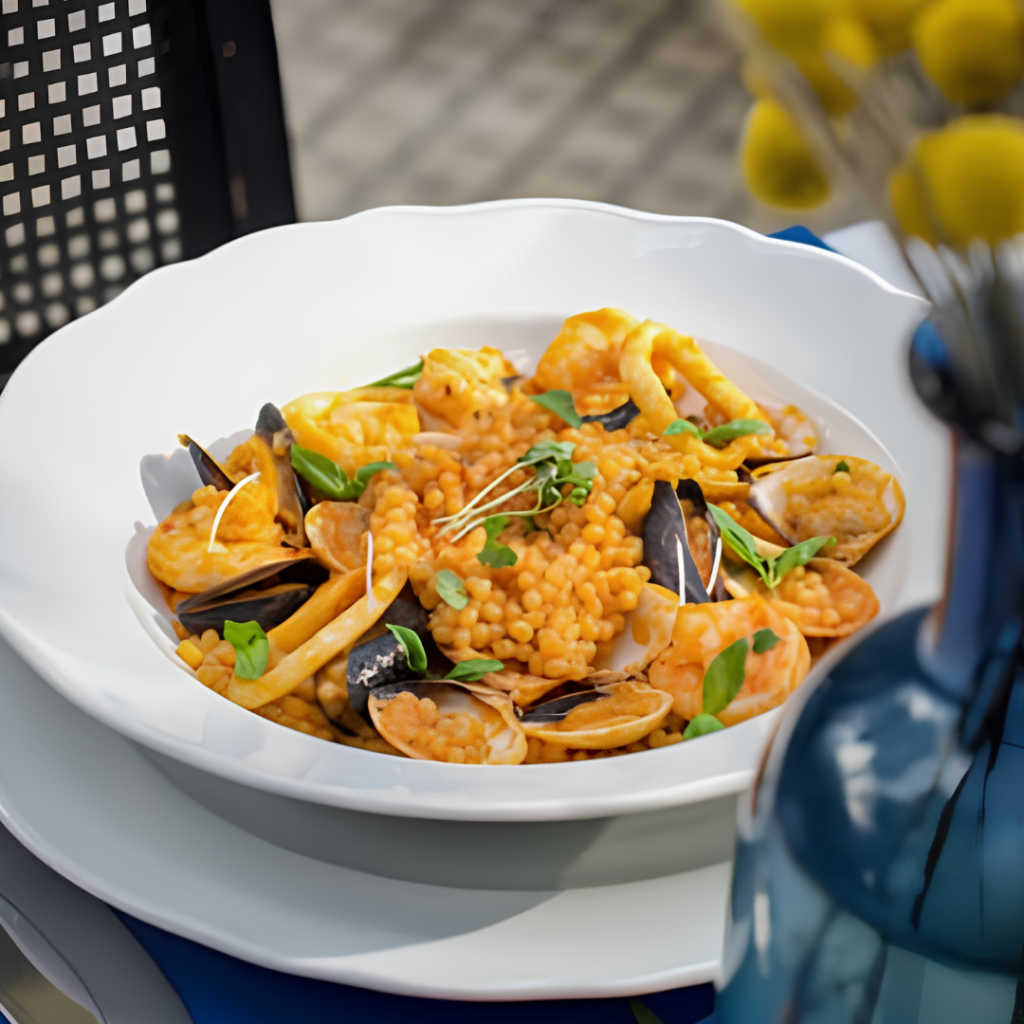
ROMERO
A Jordanian favorite for decades, Romero blends rustic Italian charm with impeccable hospitality. The garden seating is particularly popular. Guests rave about the homemade pasta and warm service.
KUWAIT
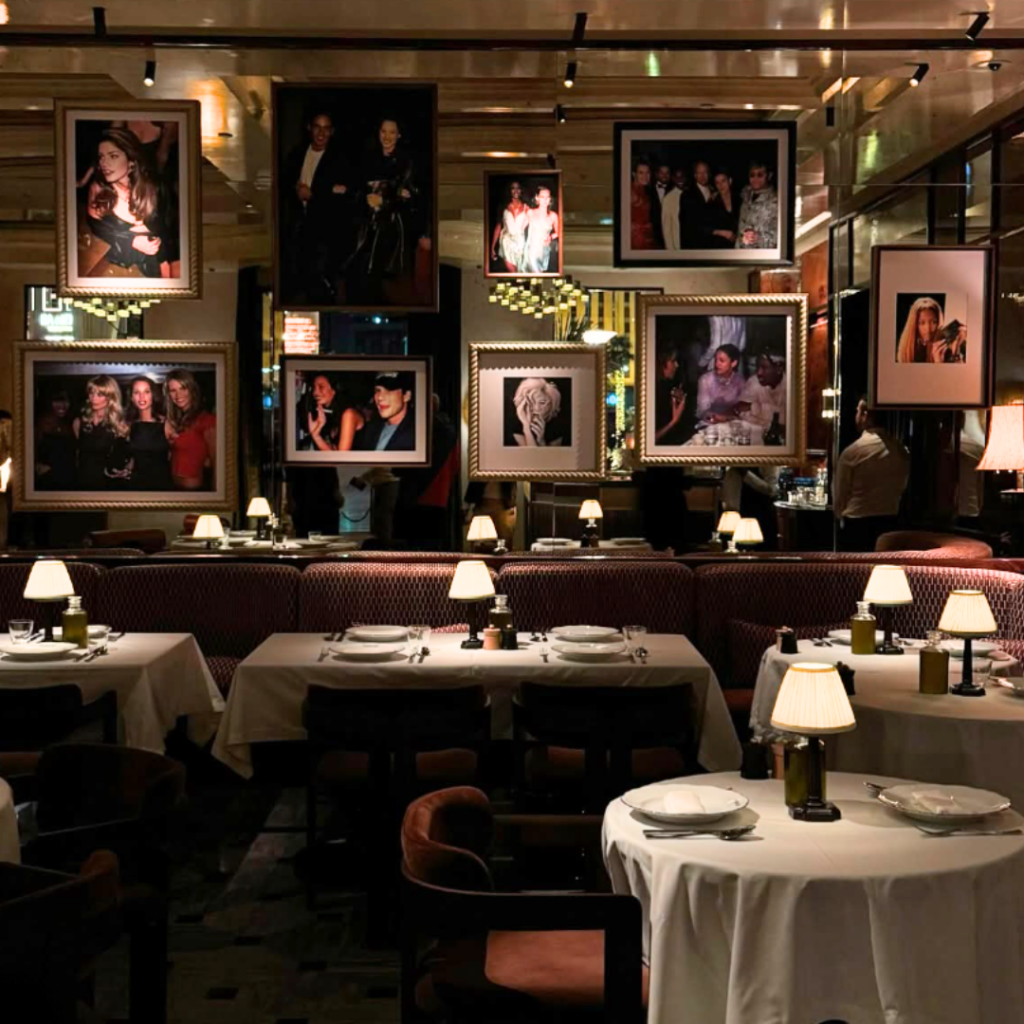
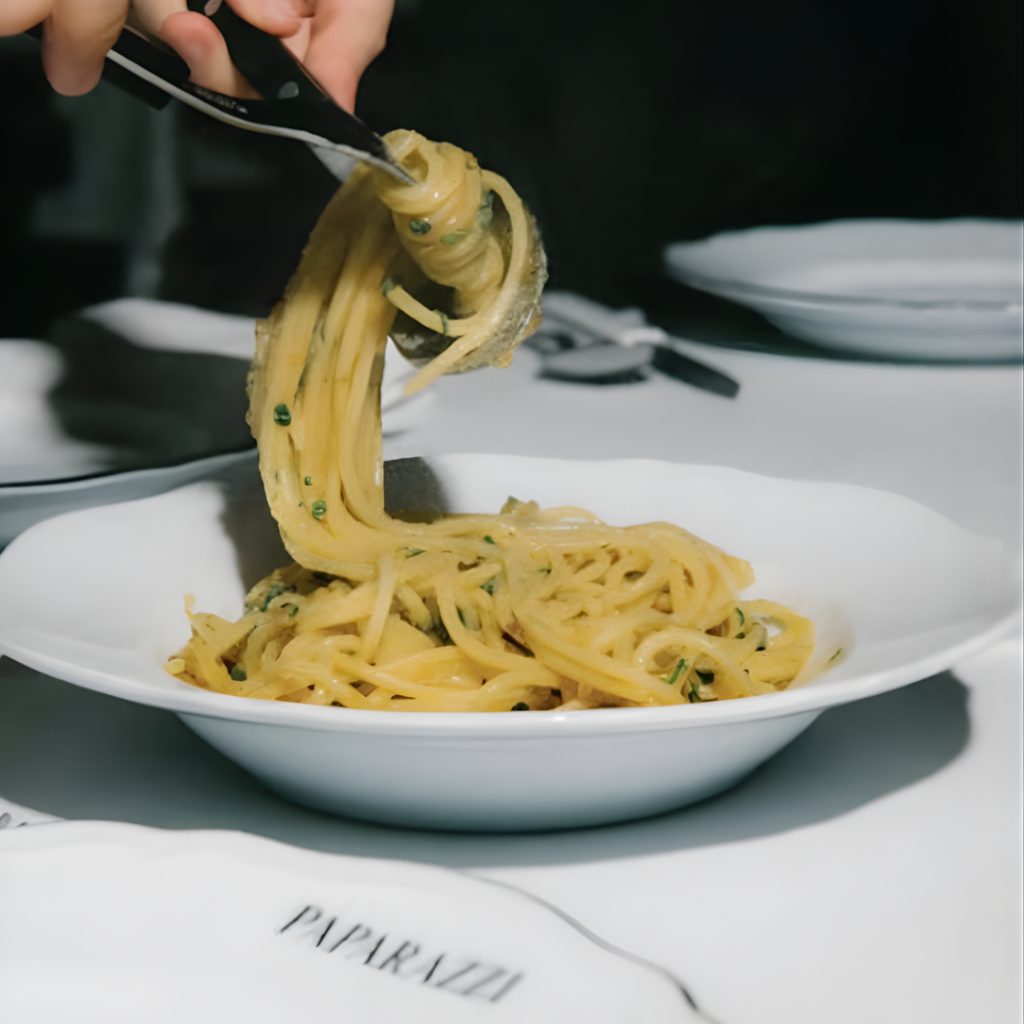
PAPARAZZI
Kuwait’s culinary landscape has a sophisticated new addition: Paparazzi, a concept by Nejoud Restaurant Management that transports diners to the glamorous era of 1970s Milan.
PRINCIPALE RISTORANTE DI NINO
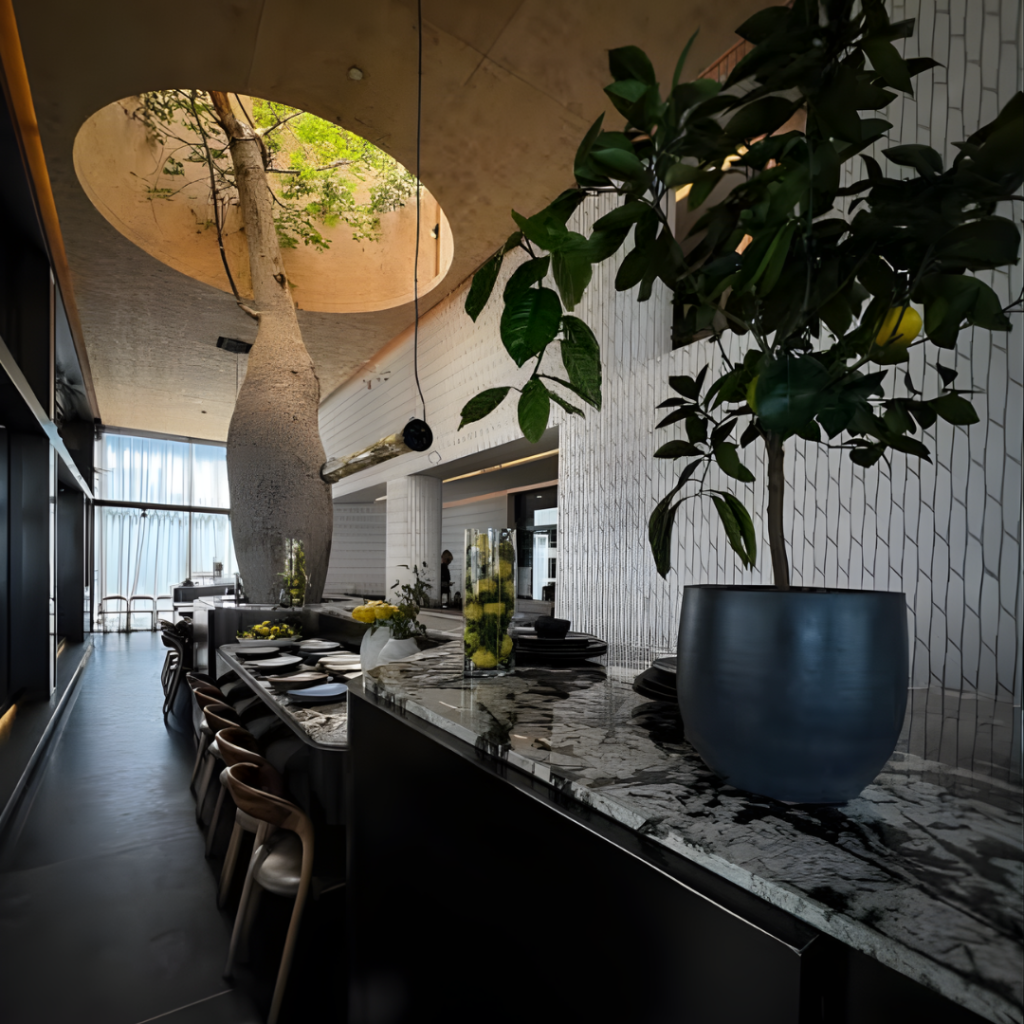
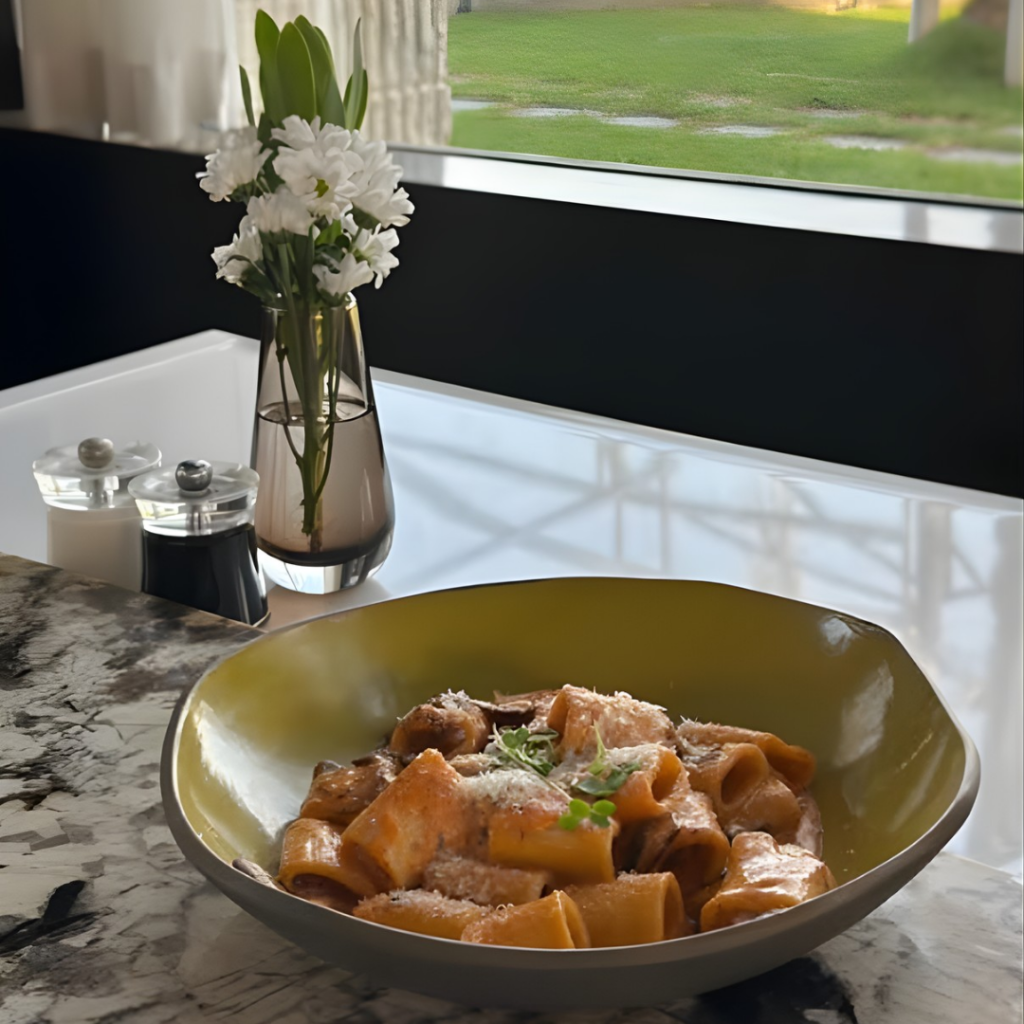
Upscale dining with a refined, minimalist setting and elegant traditional dishes. The ambiance is quiet and exclusive, perfect for business lunches. The chef’s tasting menu showcases Italian finesse.
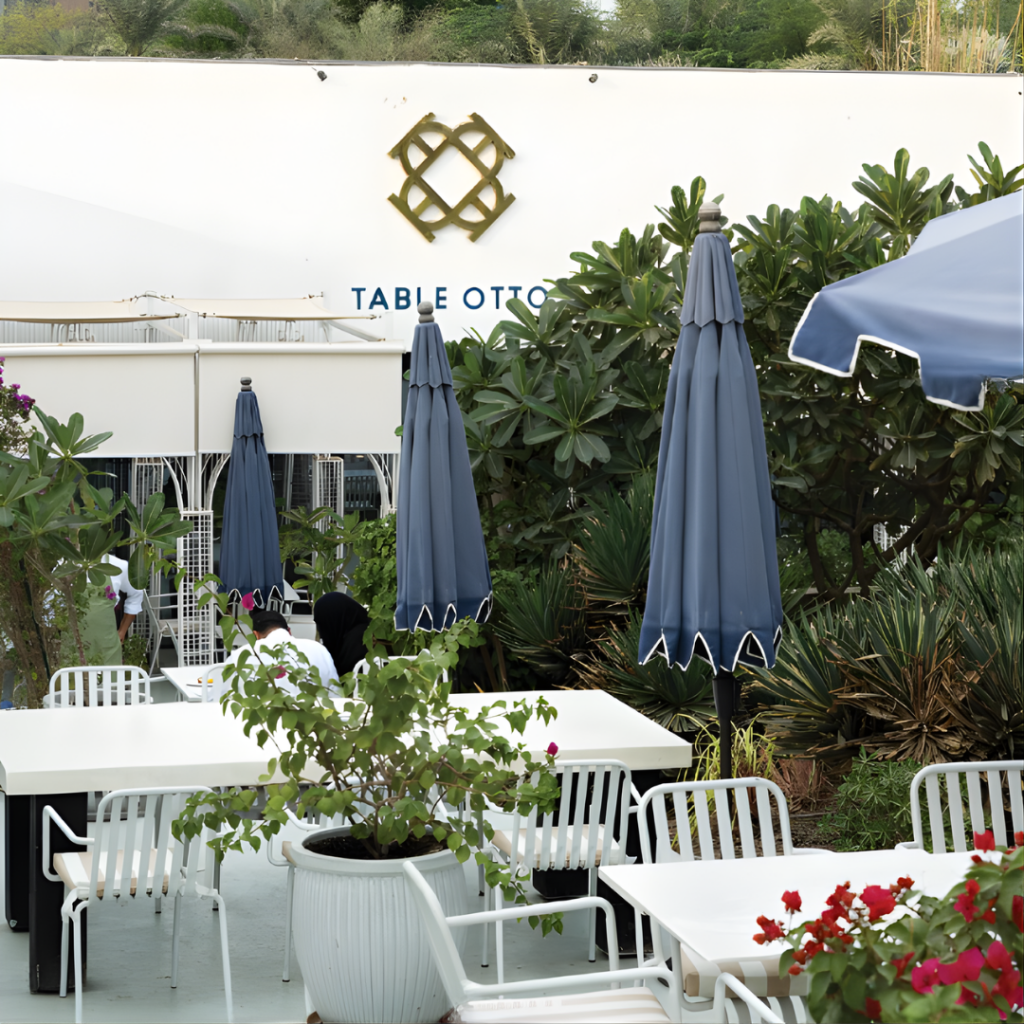
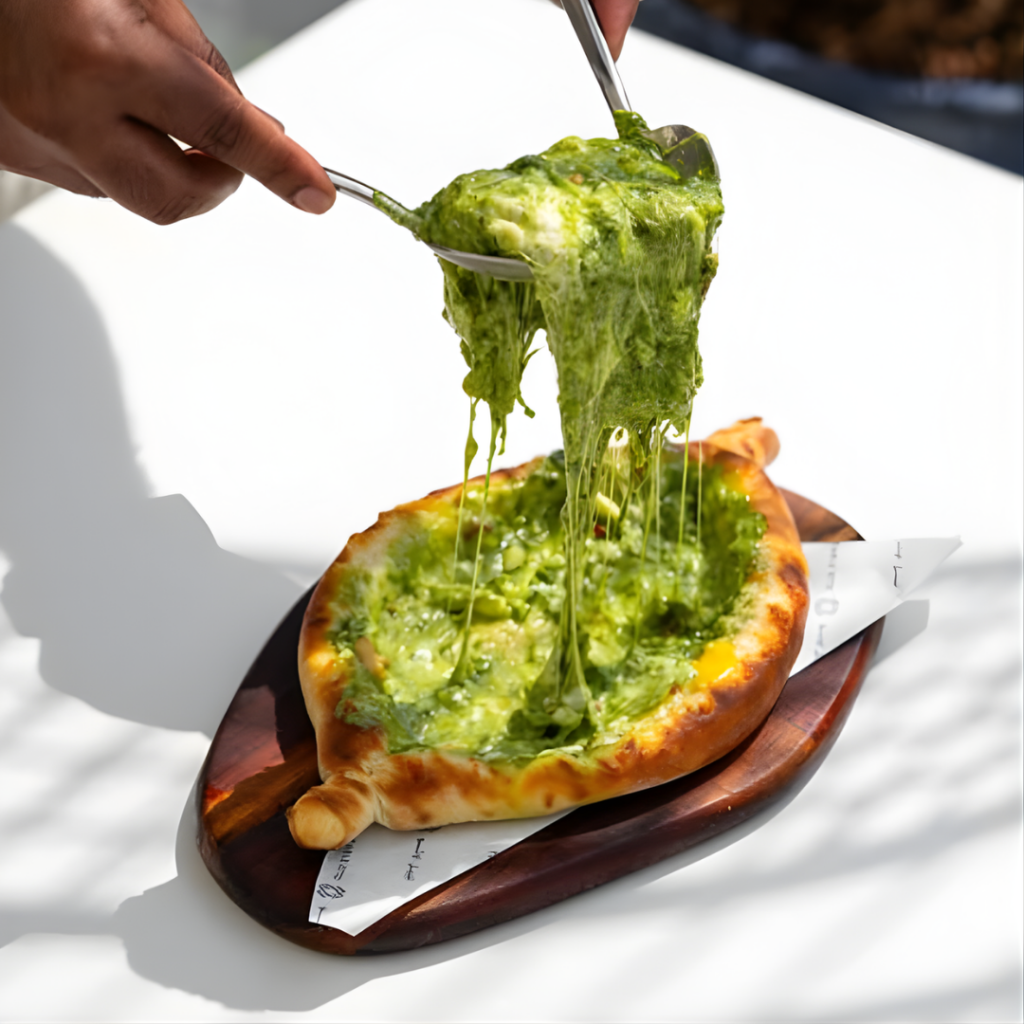
TABLE OTTO
A fusion bistro offering creative Italian-inspired dishes in a modern, artistic atmosphere. Known for its trendy vibe and inventive cocktails. Combines Italian techniques with global flavors for a unique twist.
LEBANON
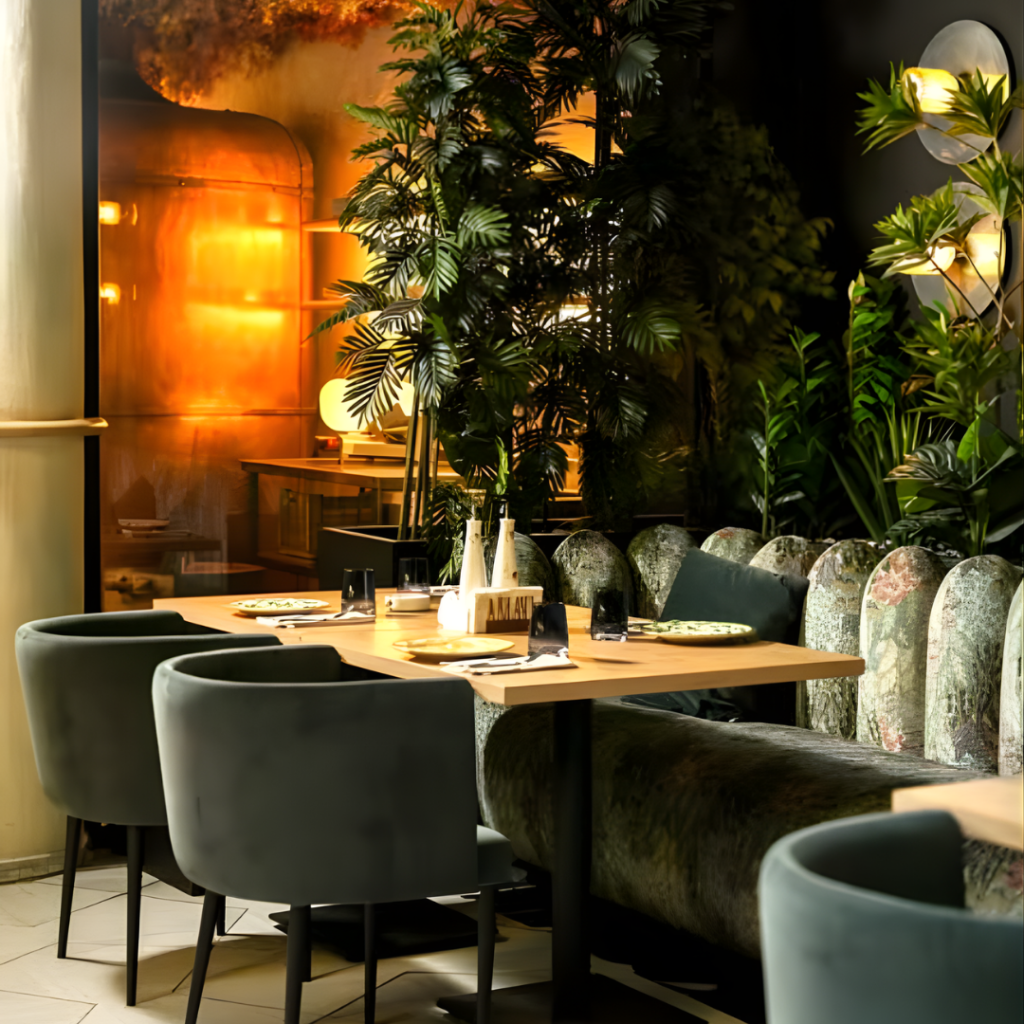
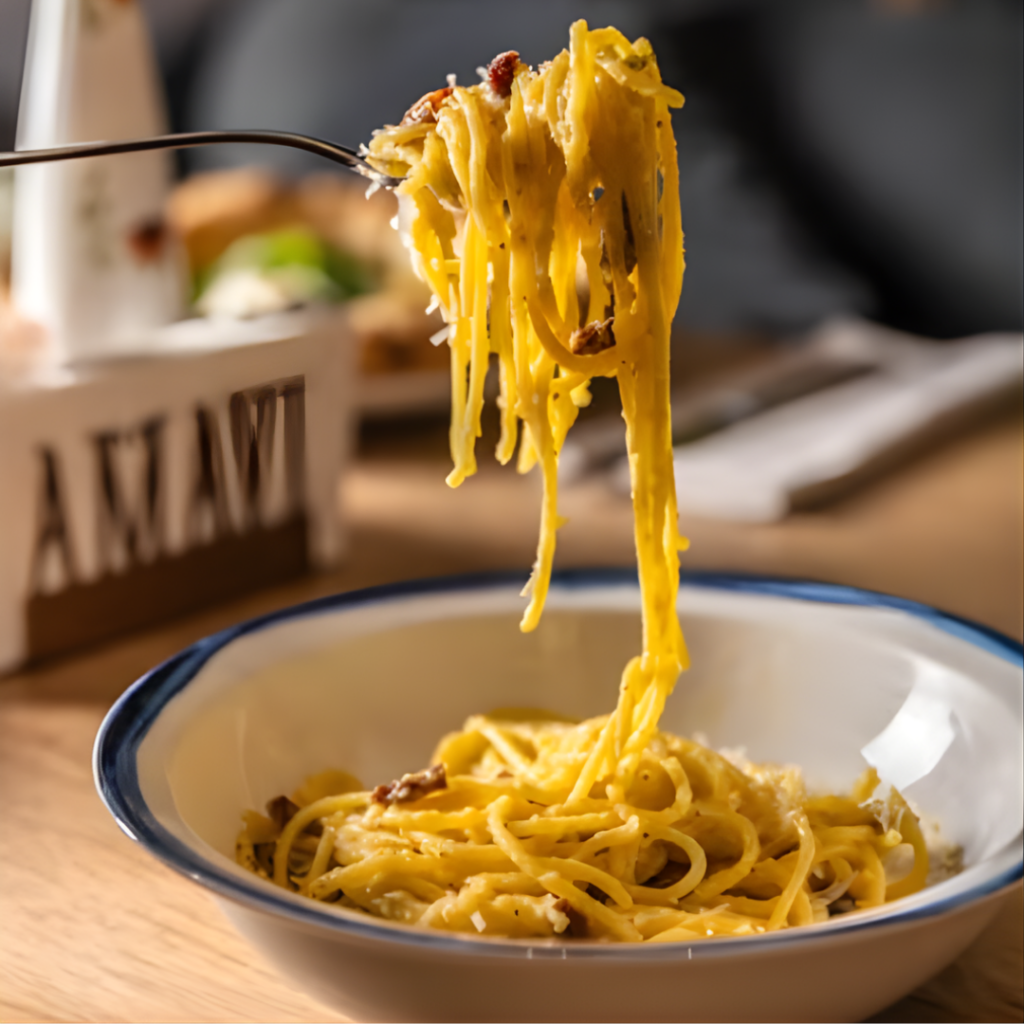
AMAVI
Contemporary Italian with a Lebanese twist, ideal for gourmet lovers and creative cuisine seekers. The décor is sleek with a coastal influence. Don’t miss the lobster ravioli and pistachio gelato.
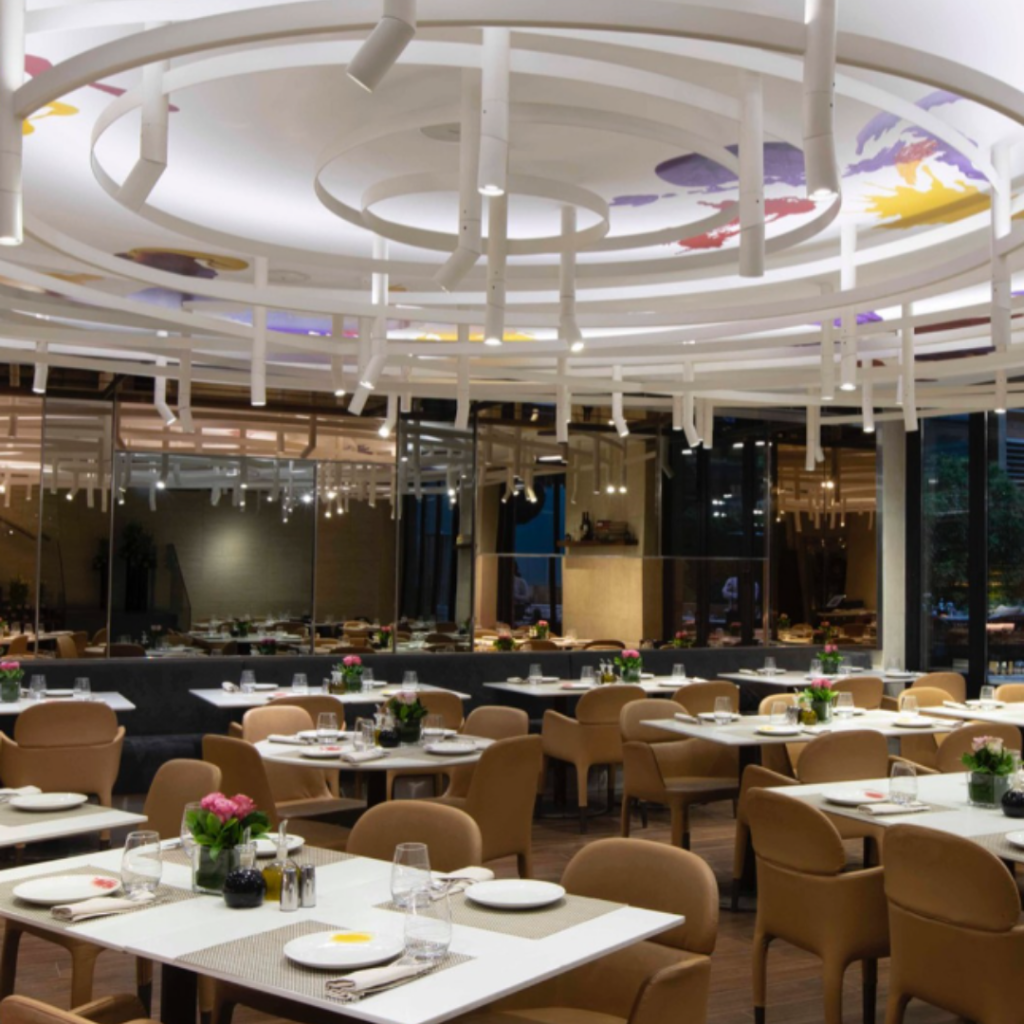
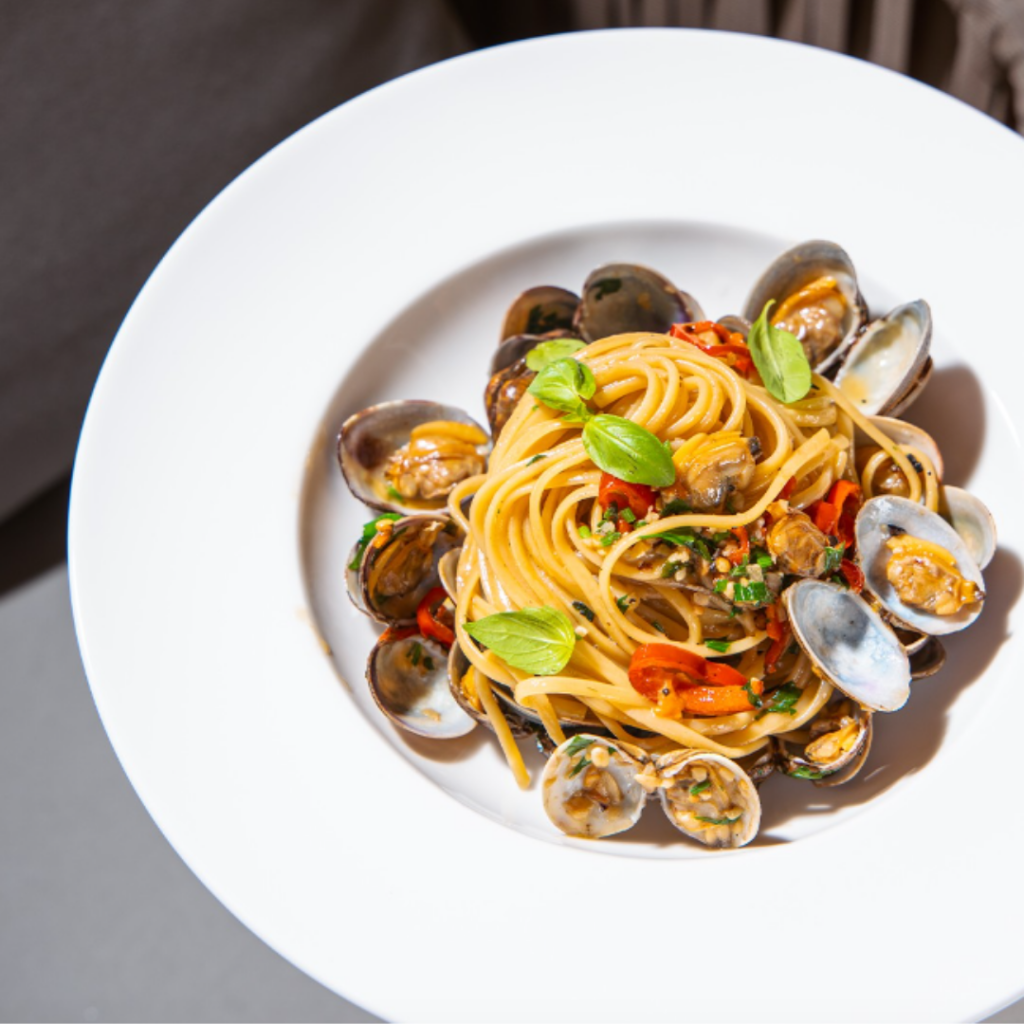
GAVI
A luxurious experience with bold flavors, elegant interiors, and a menu influenced by Milanese cuisine. A favorite for high-end events and private dining. Known for its beef carpaccio and fine wines.
MARINELLA
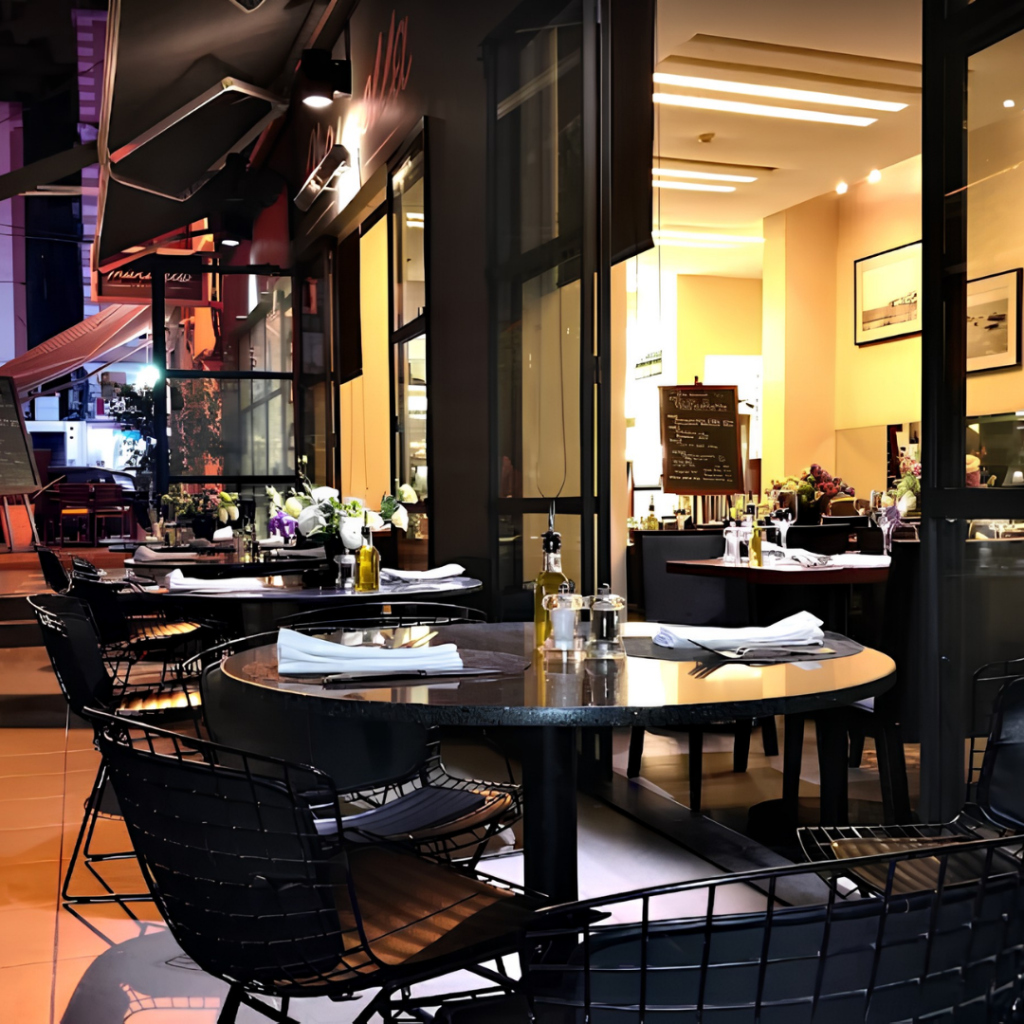
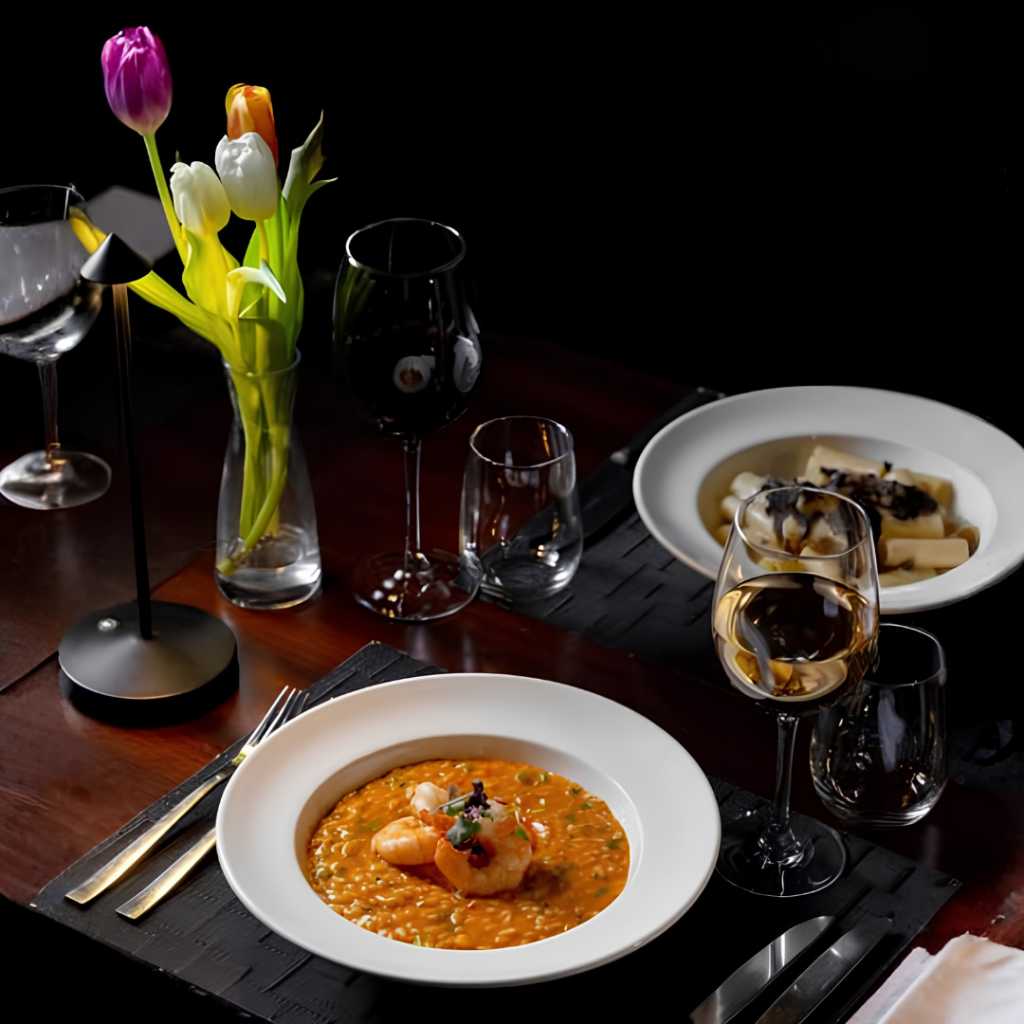
A coastal Italian vibe offering seafood-rich plates and homemade pastas in a vibrant setting. The ambiance is lively and colorful. Ideal for leisurely weekend brunches.
MARIO E MARIO
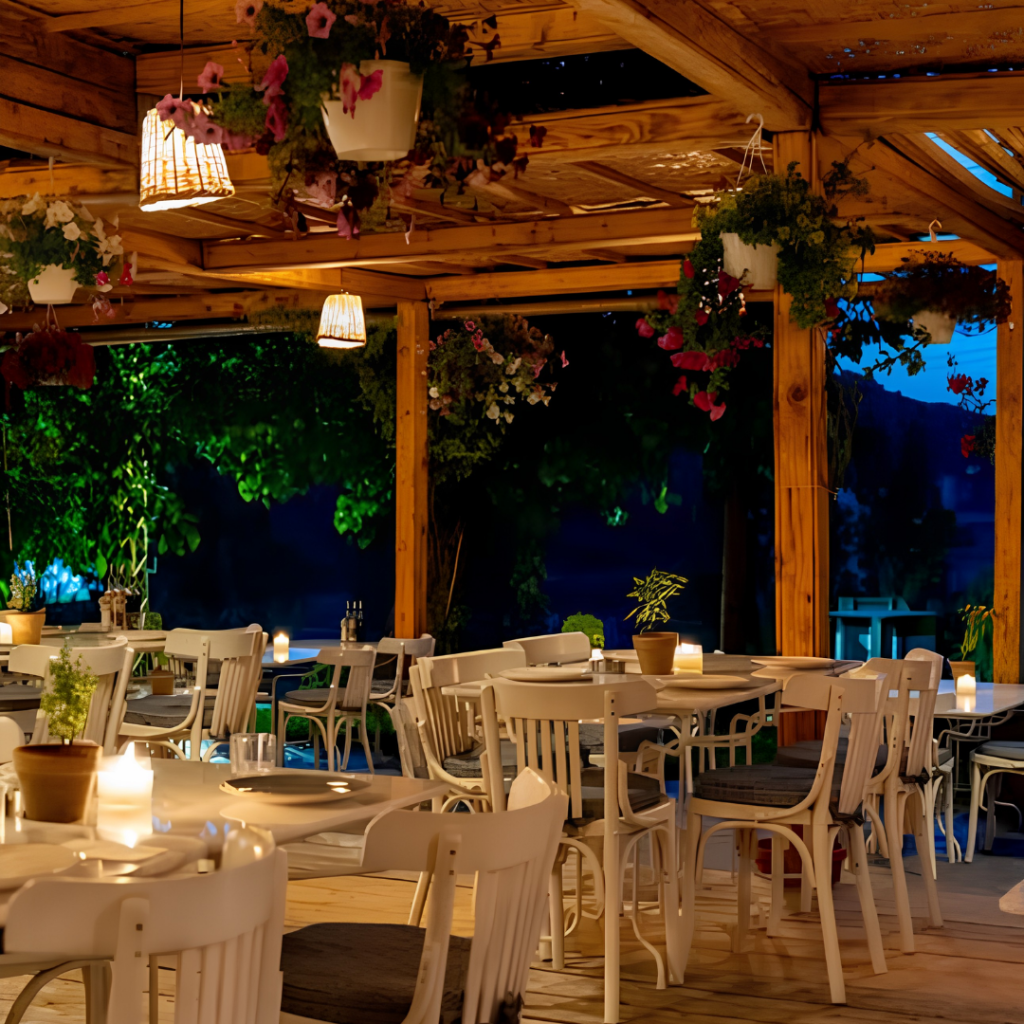
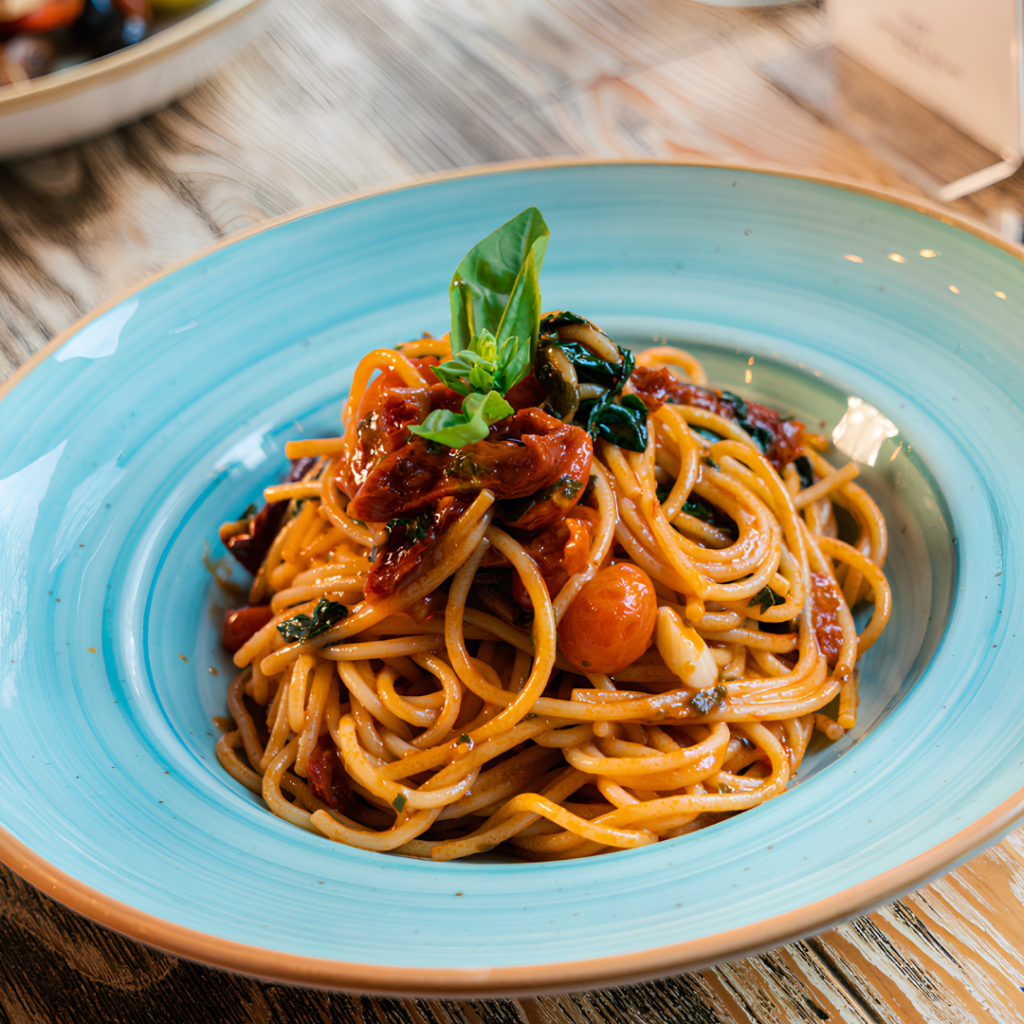
A family-style trattoria evoking homey Italian kitchens with hearty portions and rustic charm. The red-checkered tablecloths add a nostalgic touch. Great for group dining.
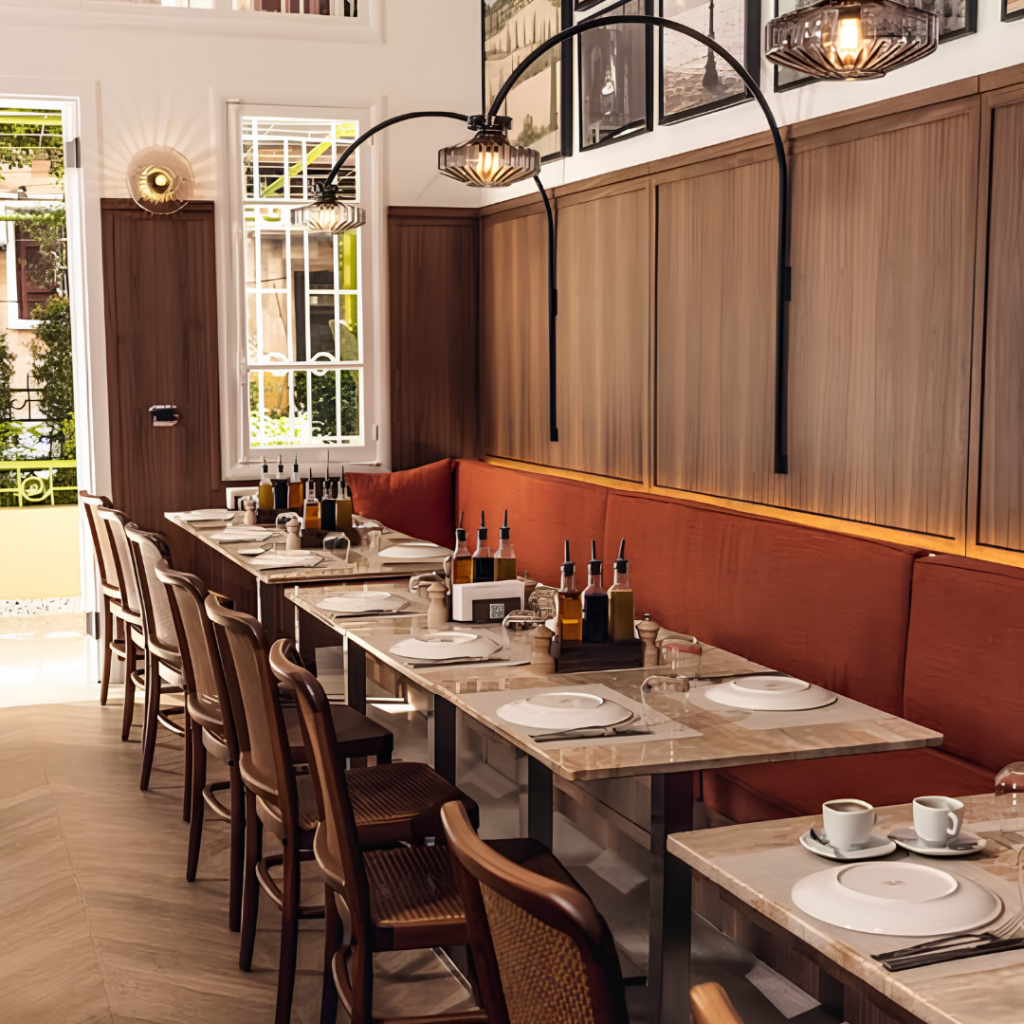
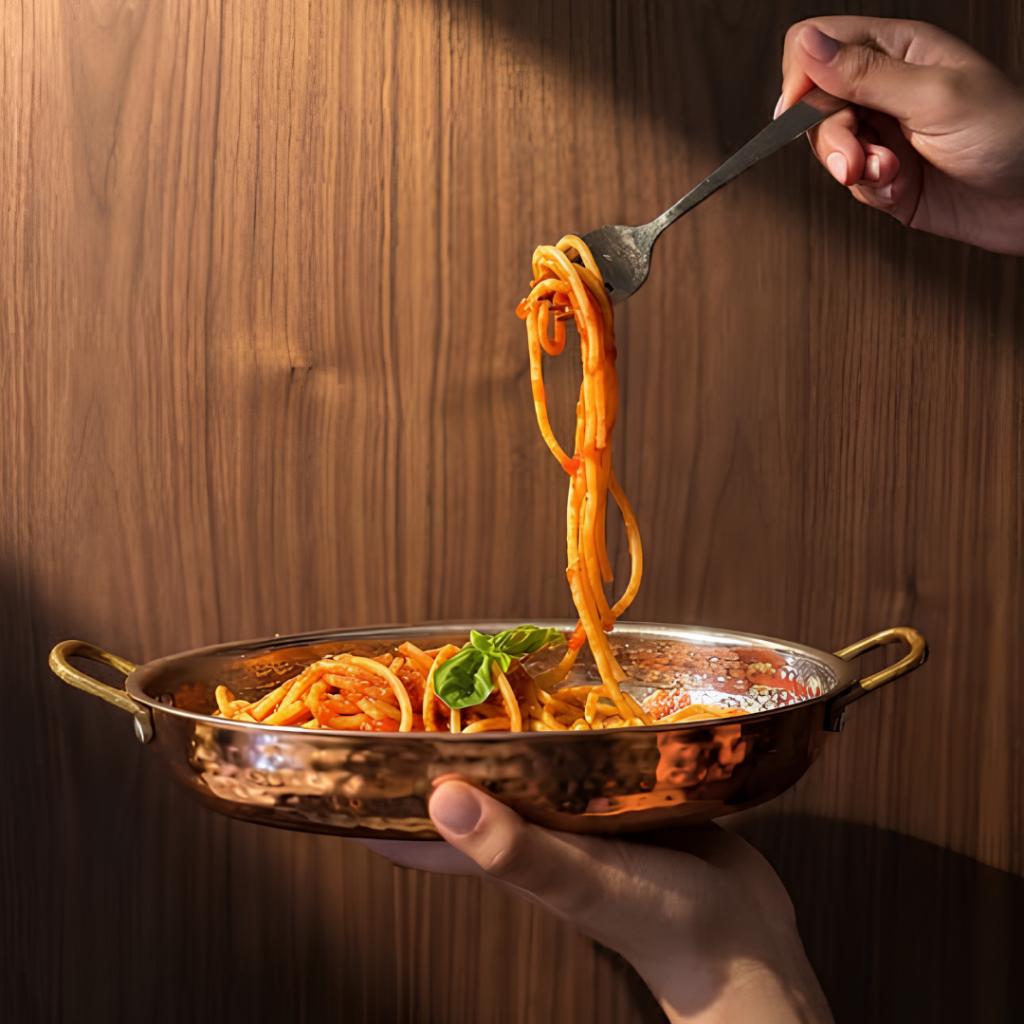
PIZZARIA
A family-style trattoria evoking homey Italian kitchens with hearty portions and rustic charm. The red-checkered tablecloths add a nostalgic touch. Great for group dining.
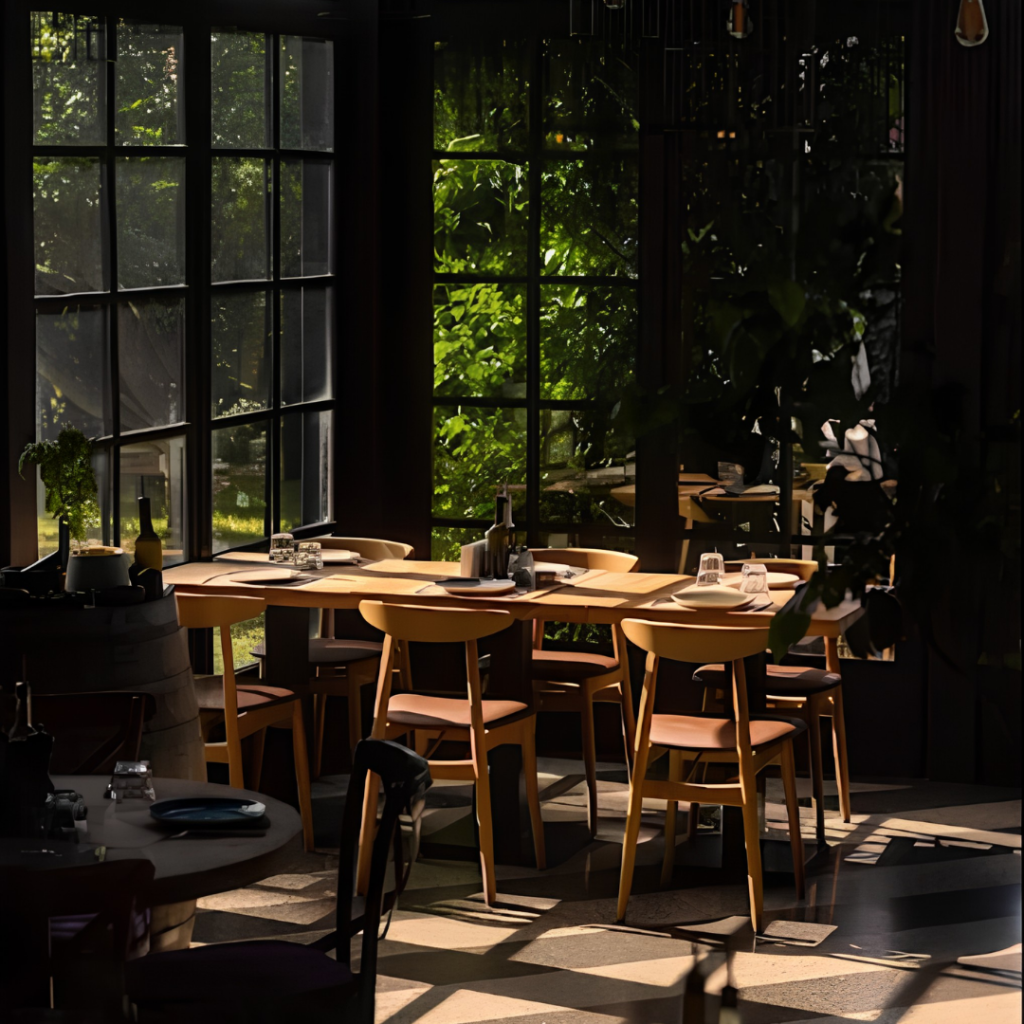
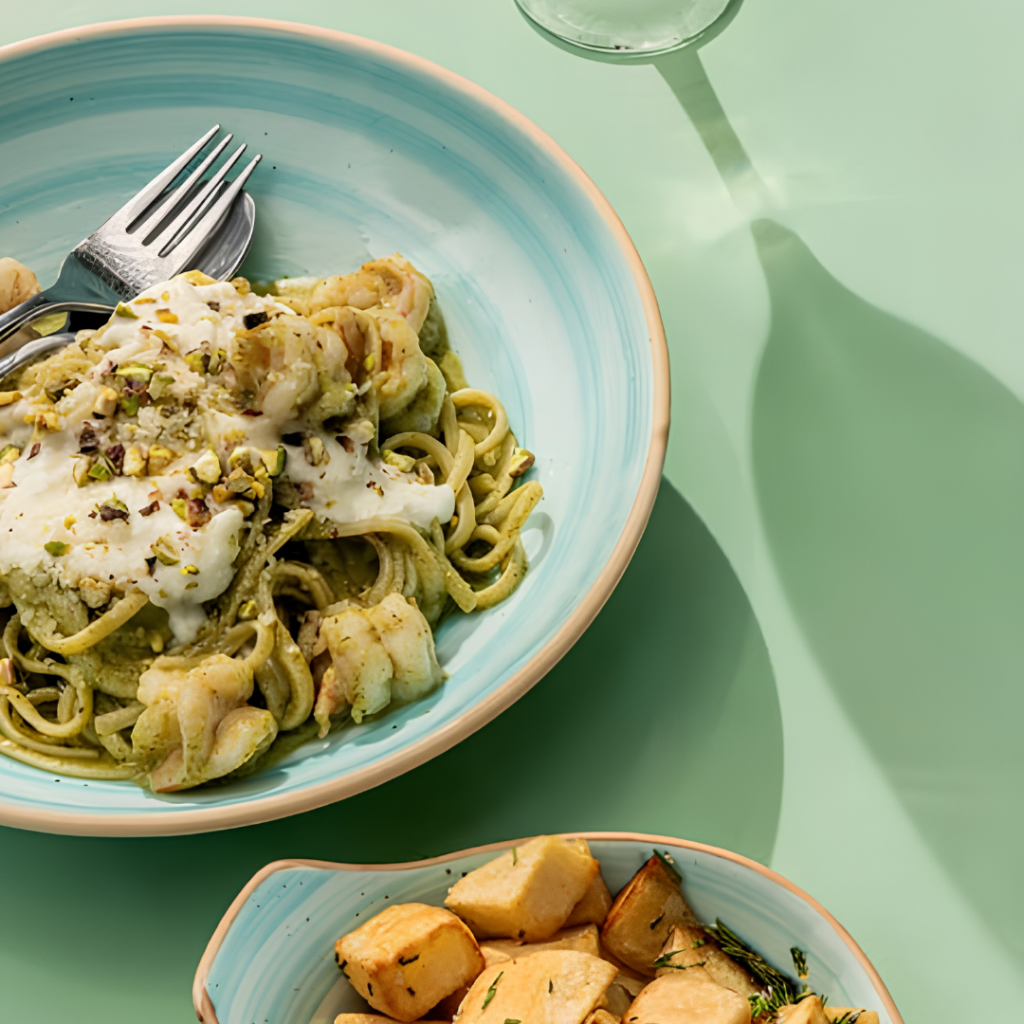
SAPORI E VINI
A wine-focused restaurant pairing classic dishes with an extensive selection of Italian wines. The wine cellar is impressive. Cheese boards and pasta pairings are highly recommended.
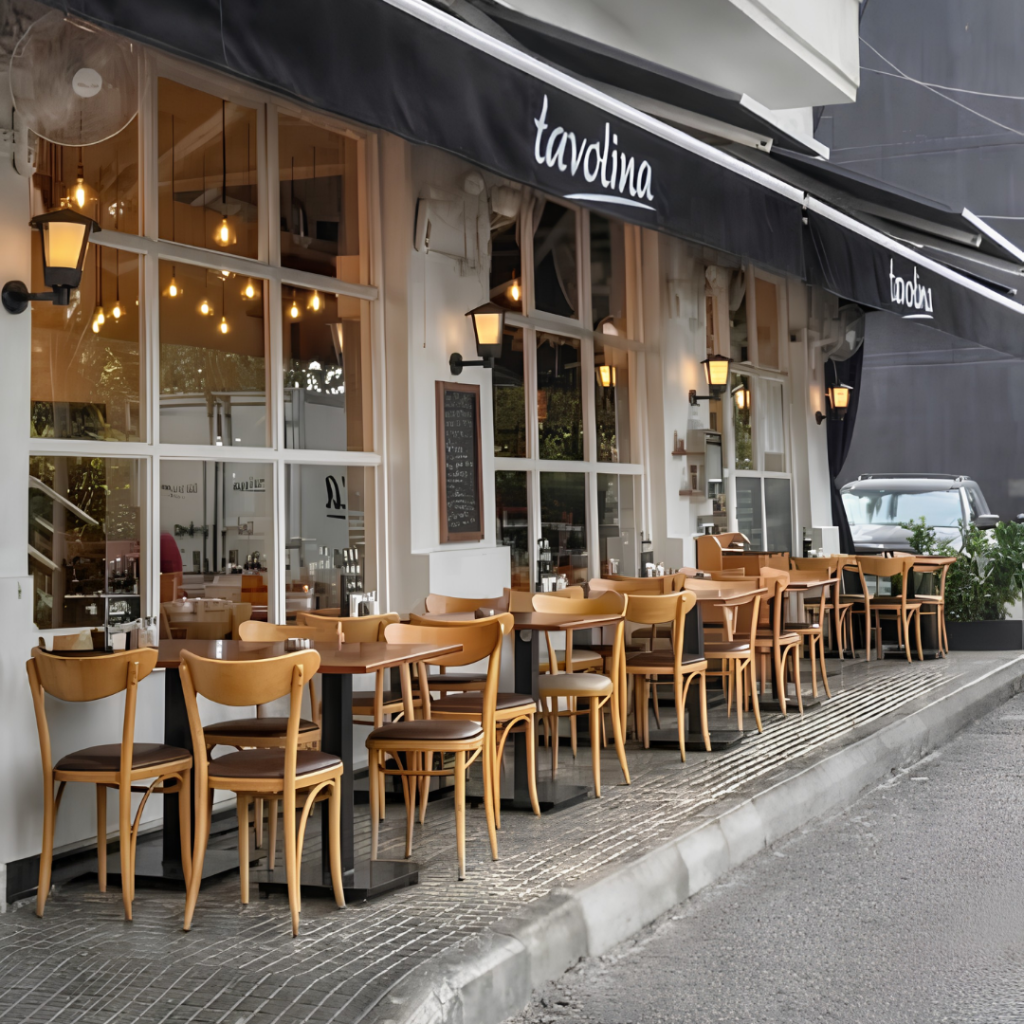
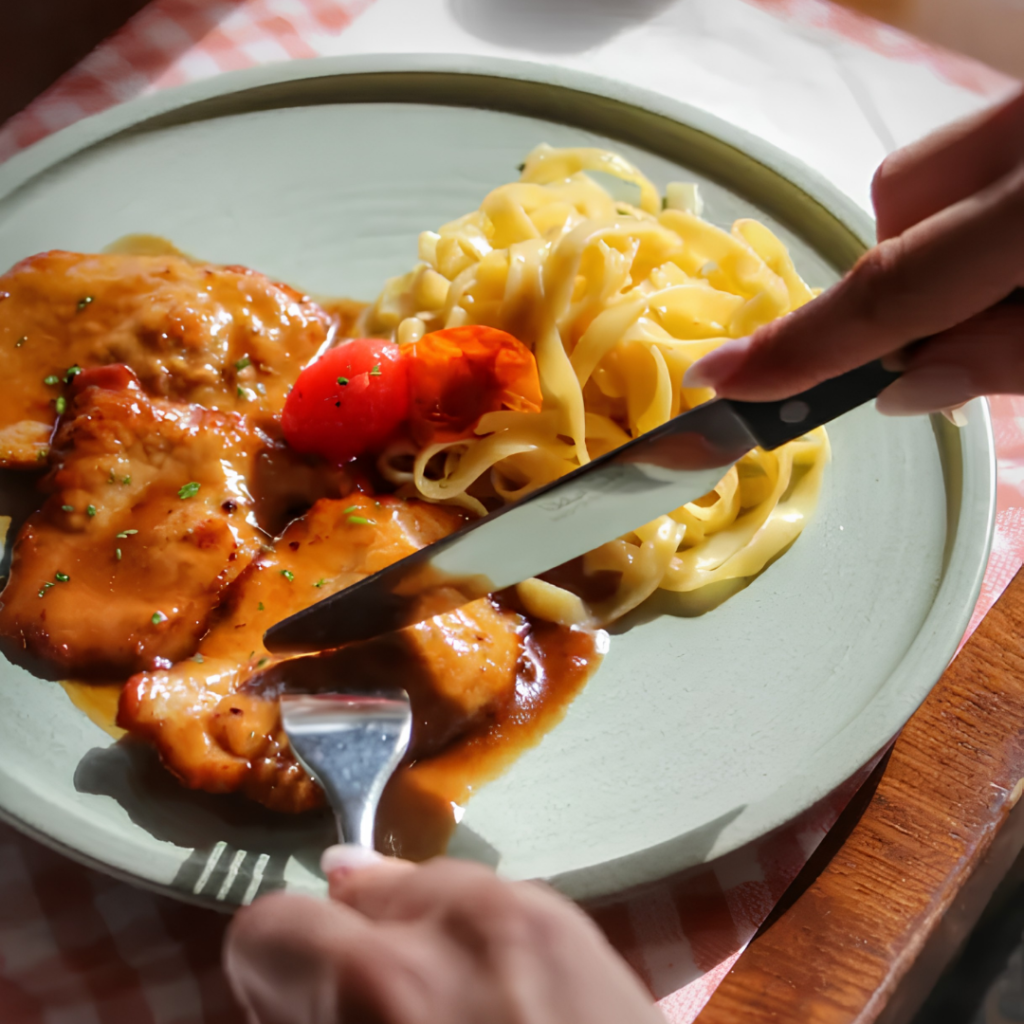
TAVOLINA
A small bistro that delivers big on flavor, known for its pizzas and relaxed, intimate feel. Regulars love the outdoor seating. The tiramisu is a house specialty.
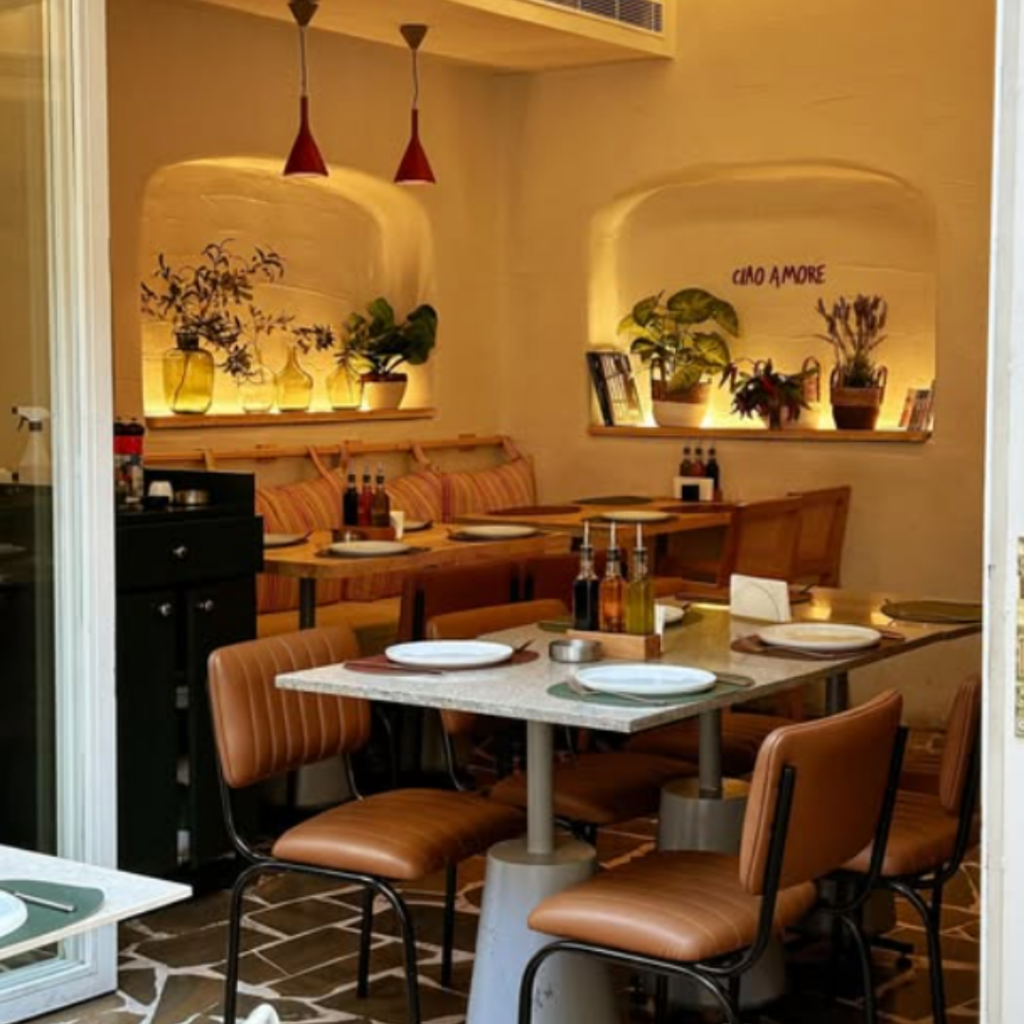
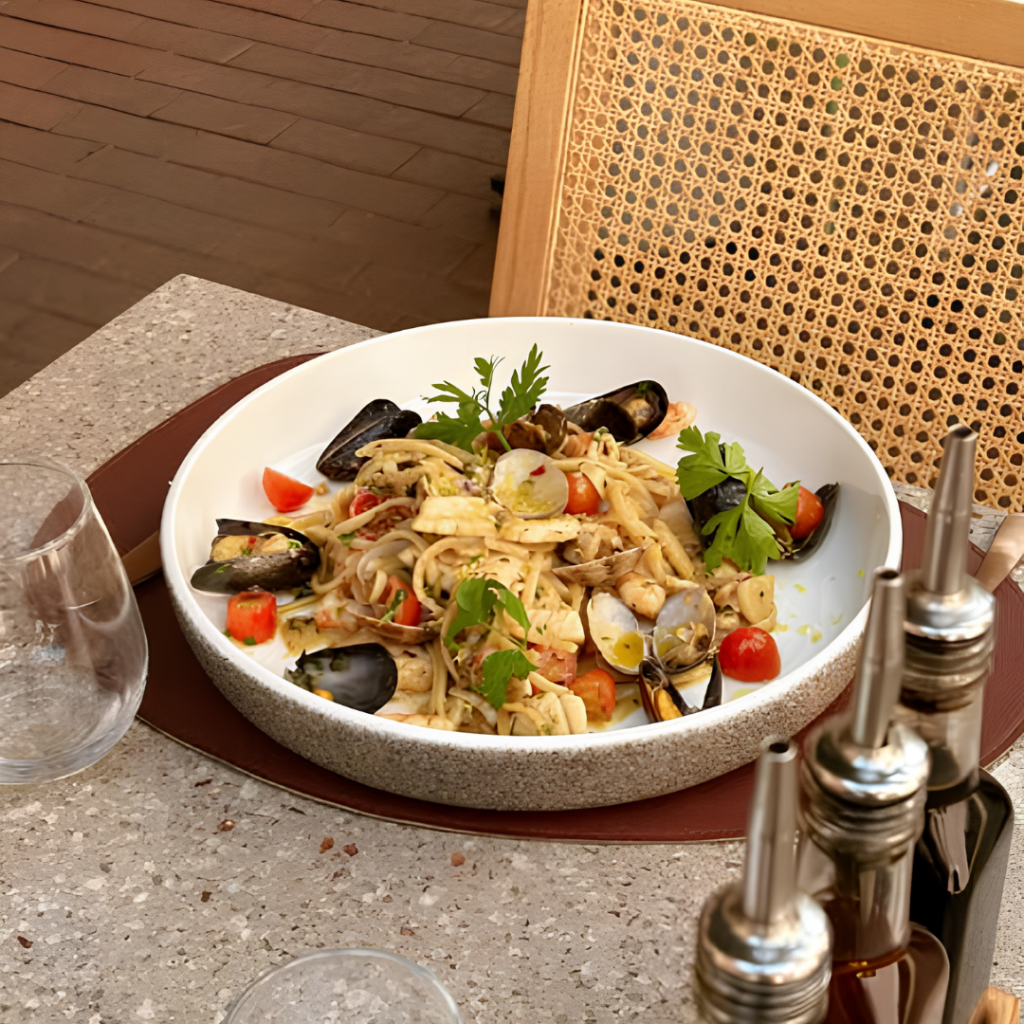
VICOLI
A stylish restaurant capturing the essence of Italy’s narrow streets with cozy décor and rich flavors. Walls adorned with vintage photos add charm. Pasta and risotto selections are top-notch.
OMAN
CAPRI COURT
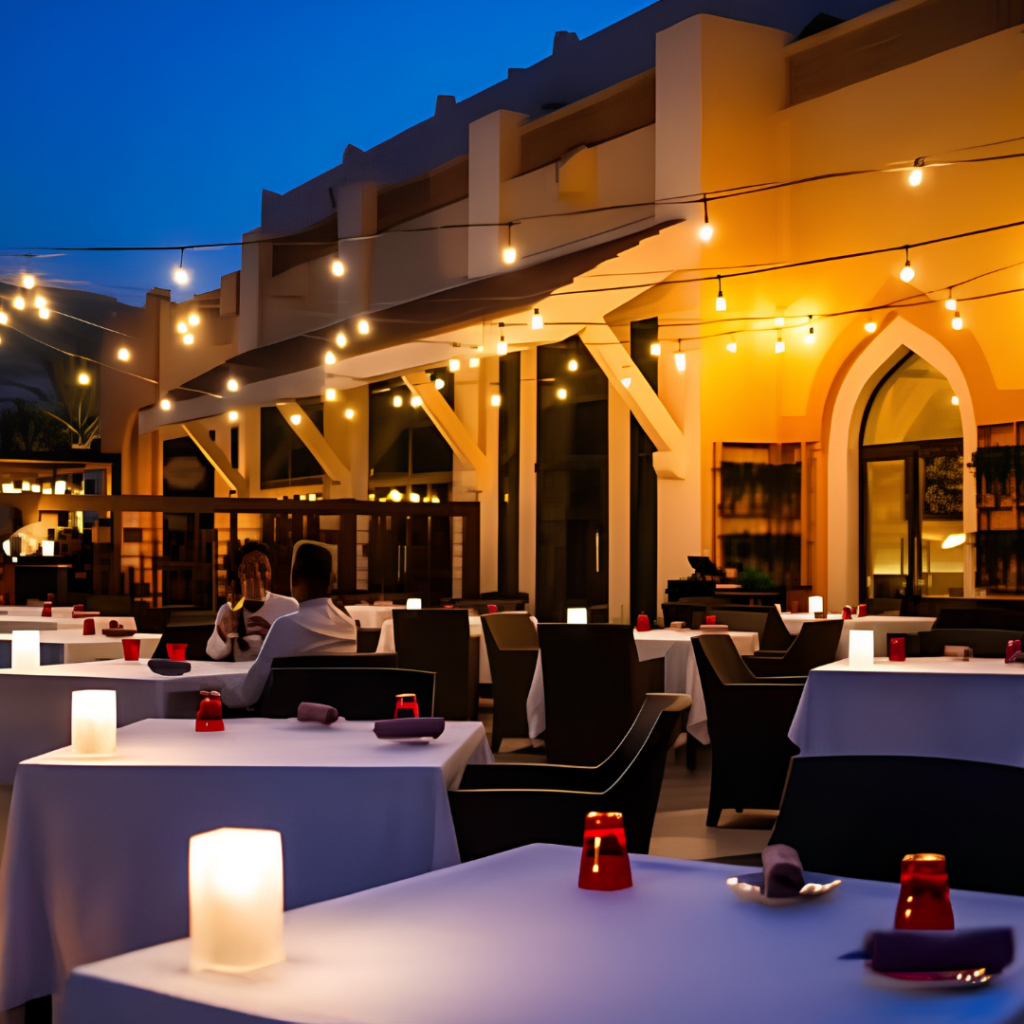
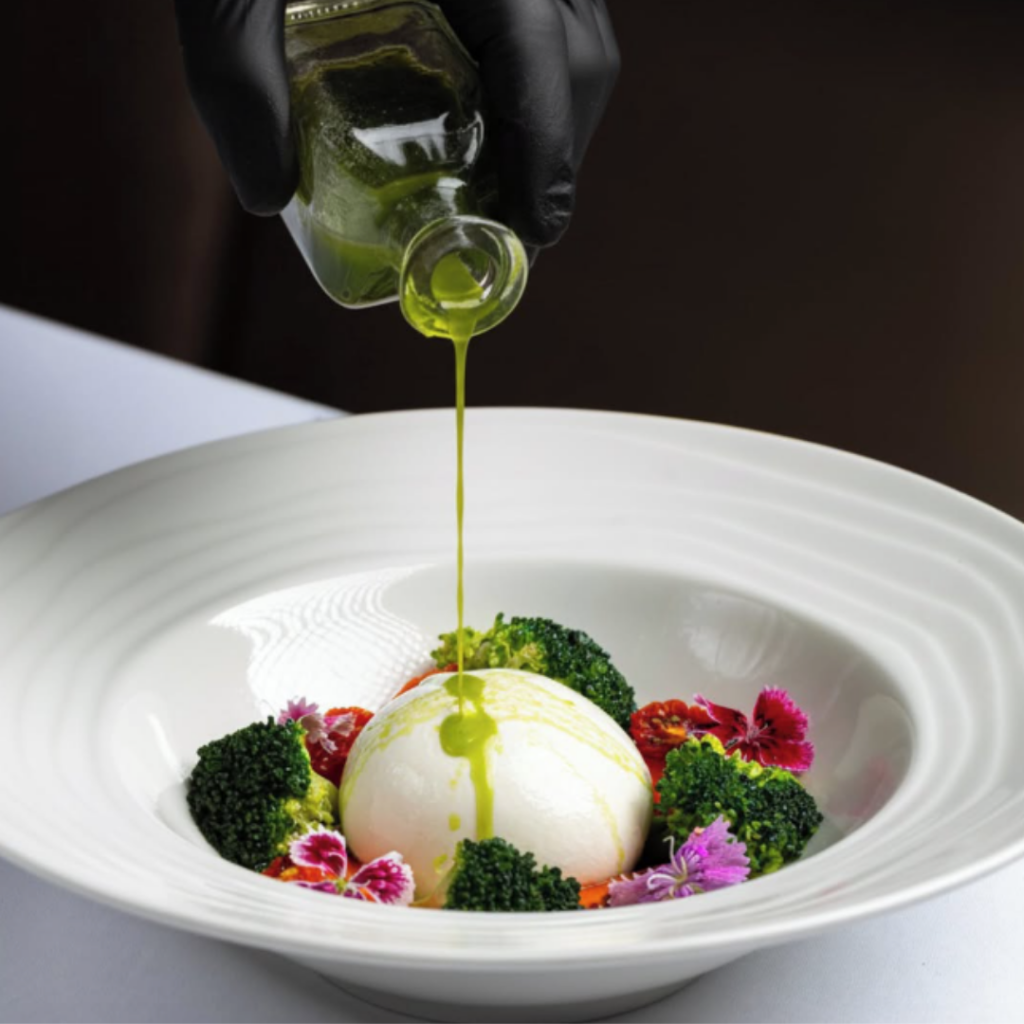
High-end dining with Amalfi Coast flair, offering elegant dishes and seaside-inspired design. The service is impeccable. Seafood dishes shine here, particularly the grilled octopus.
MESA
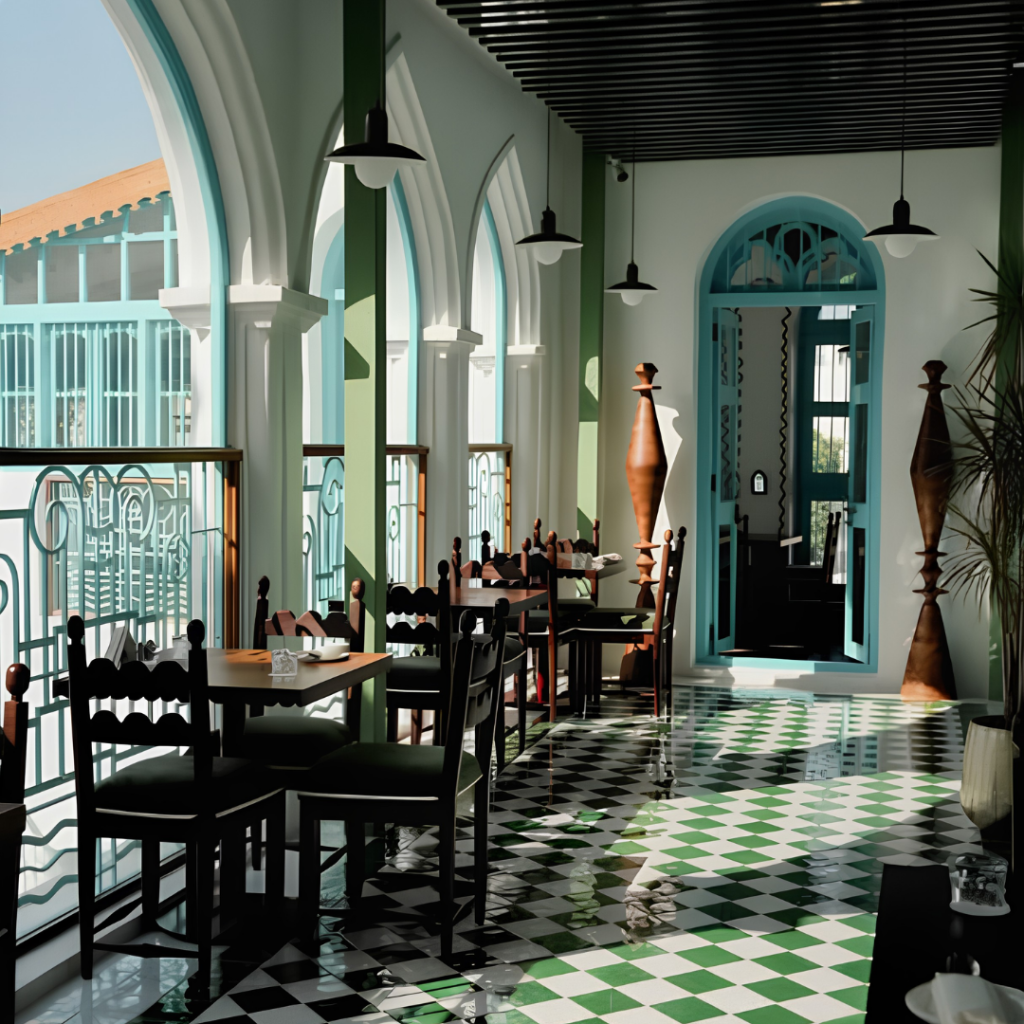
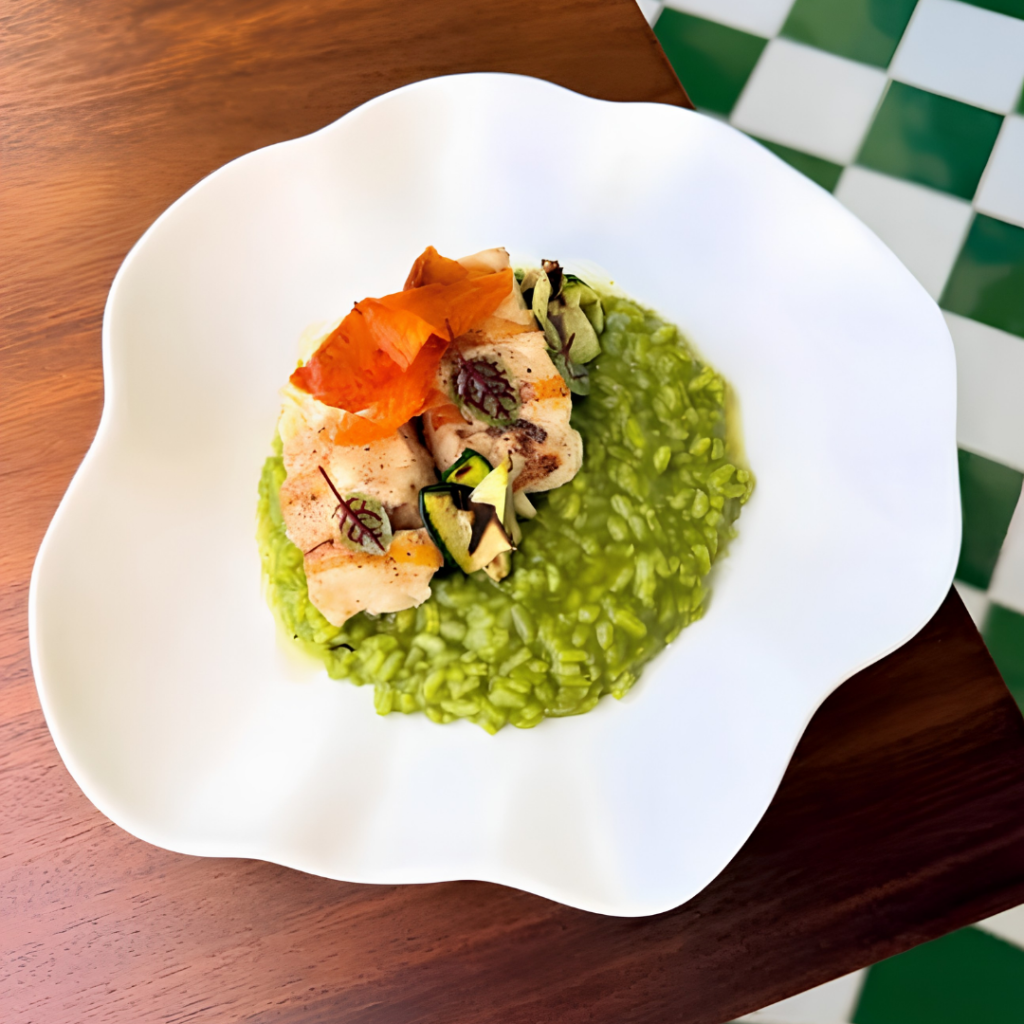
High-end dining with Amalfi Coast flair, offering elegant dishes and seaside-inspired design. The service is impeccable. Seafood dishes shine here, particularly the grilled octopus.
ROBERTO’S
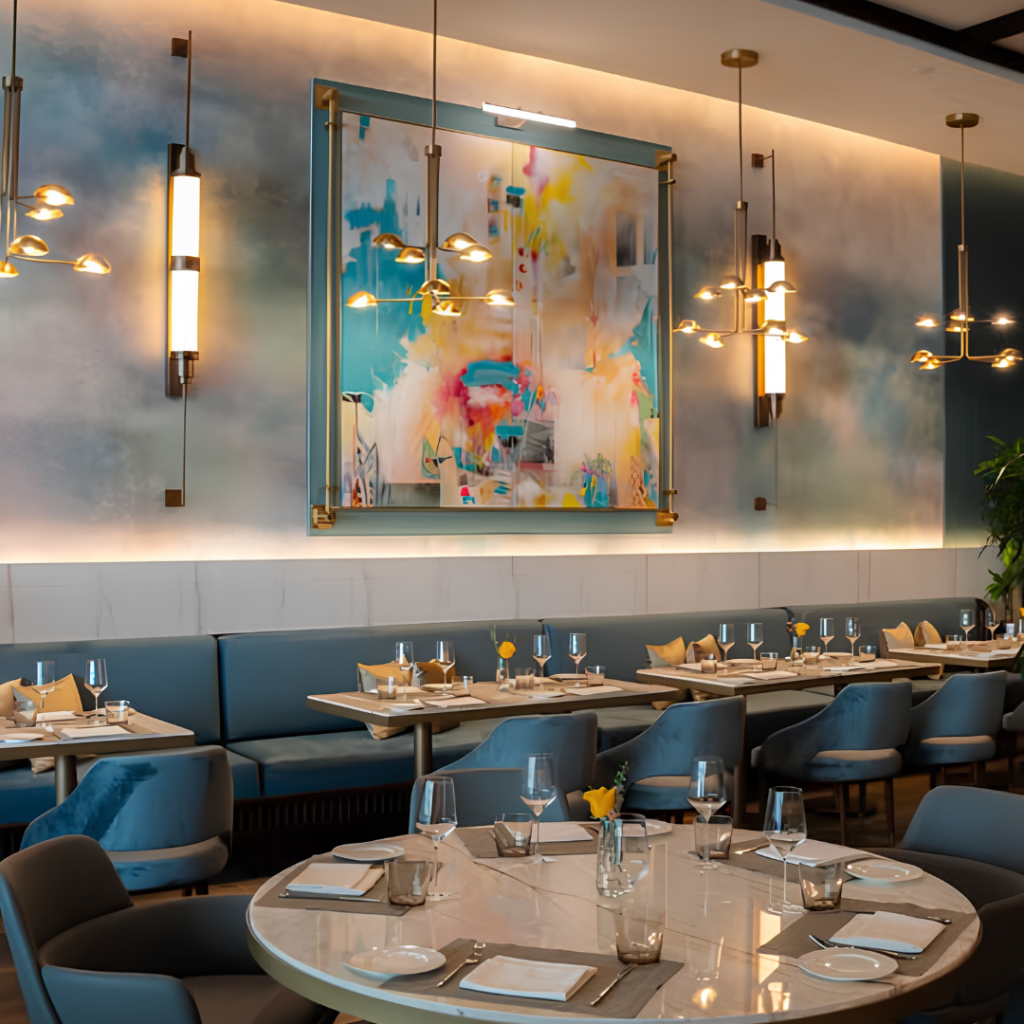
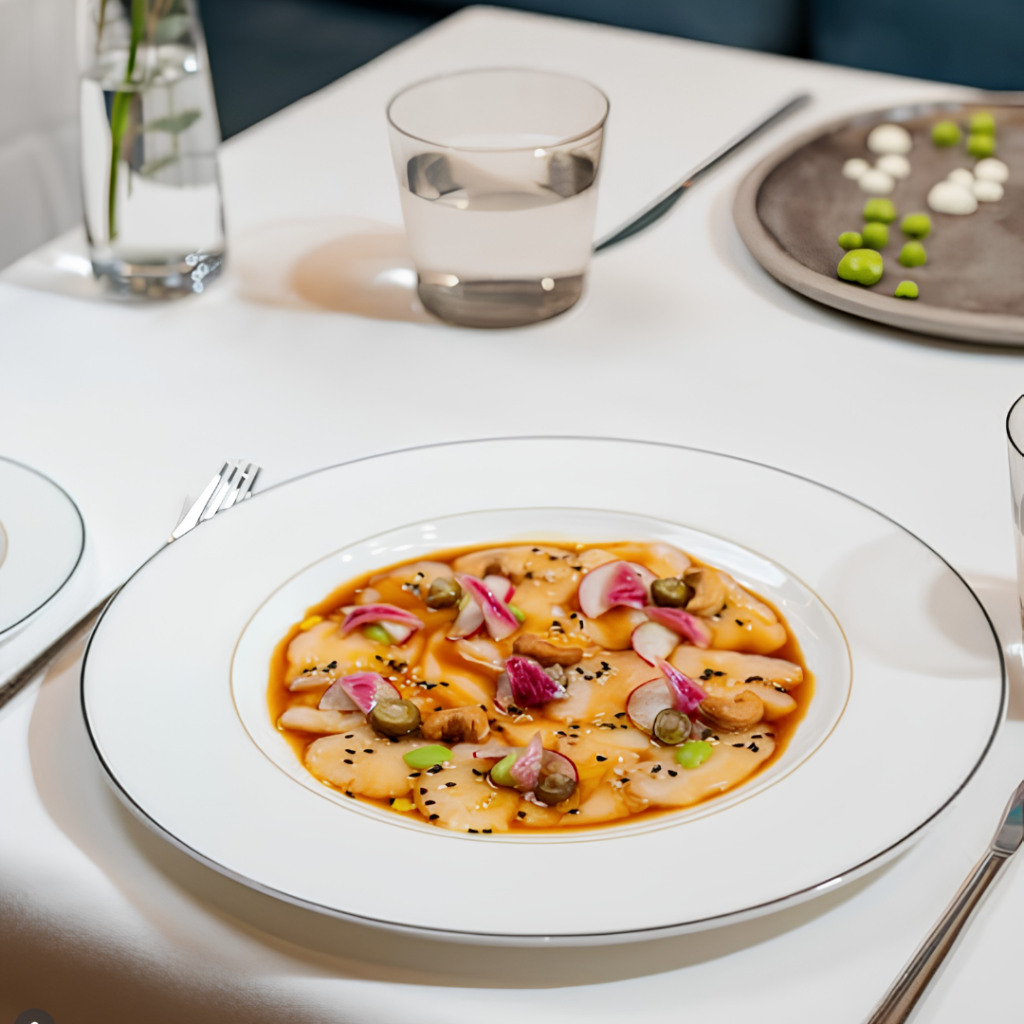
High-end dining with Amalfi Coast flair, offering elegant dishes and seaside-inspired design. The service is impeccable. Seafood dishes shine here, particularly the grilled octopus.
TOMATO
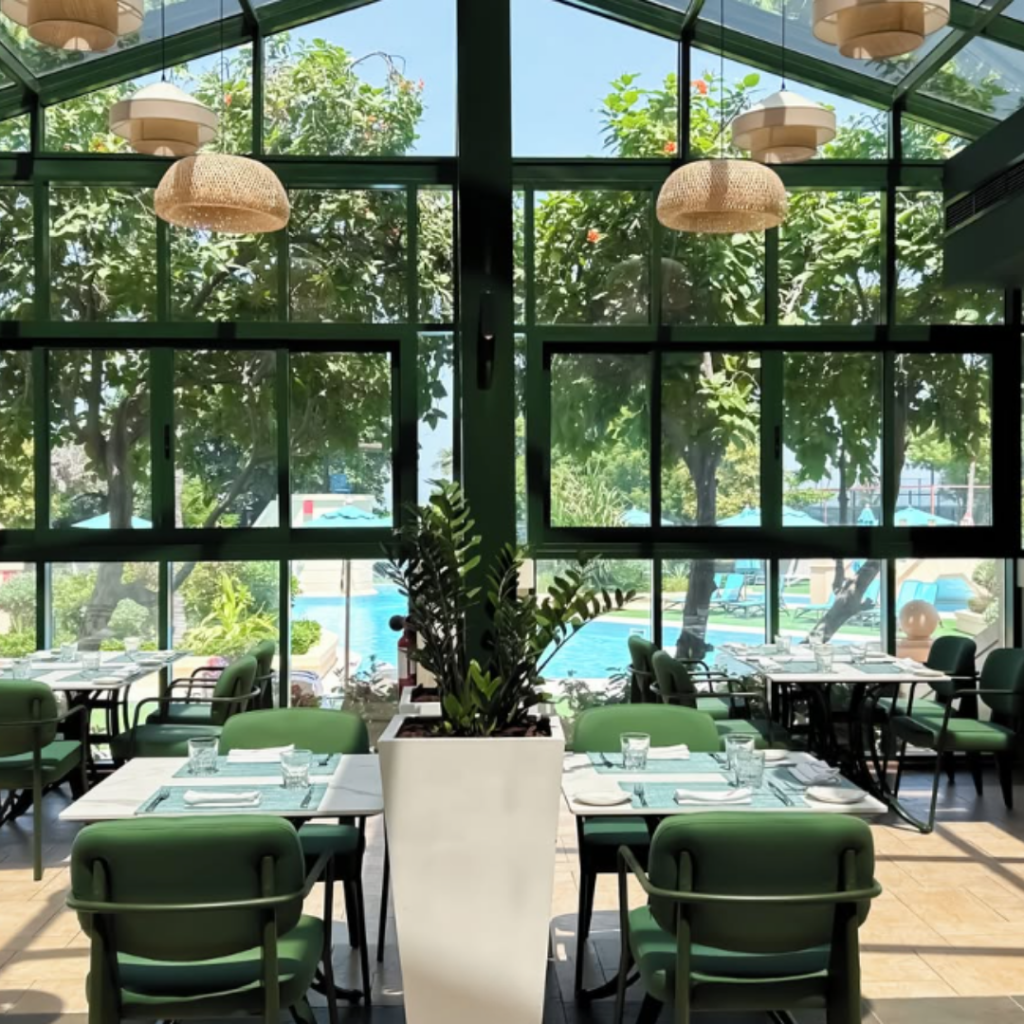
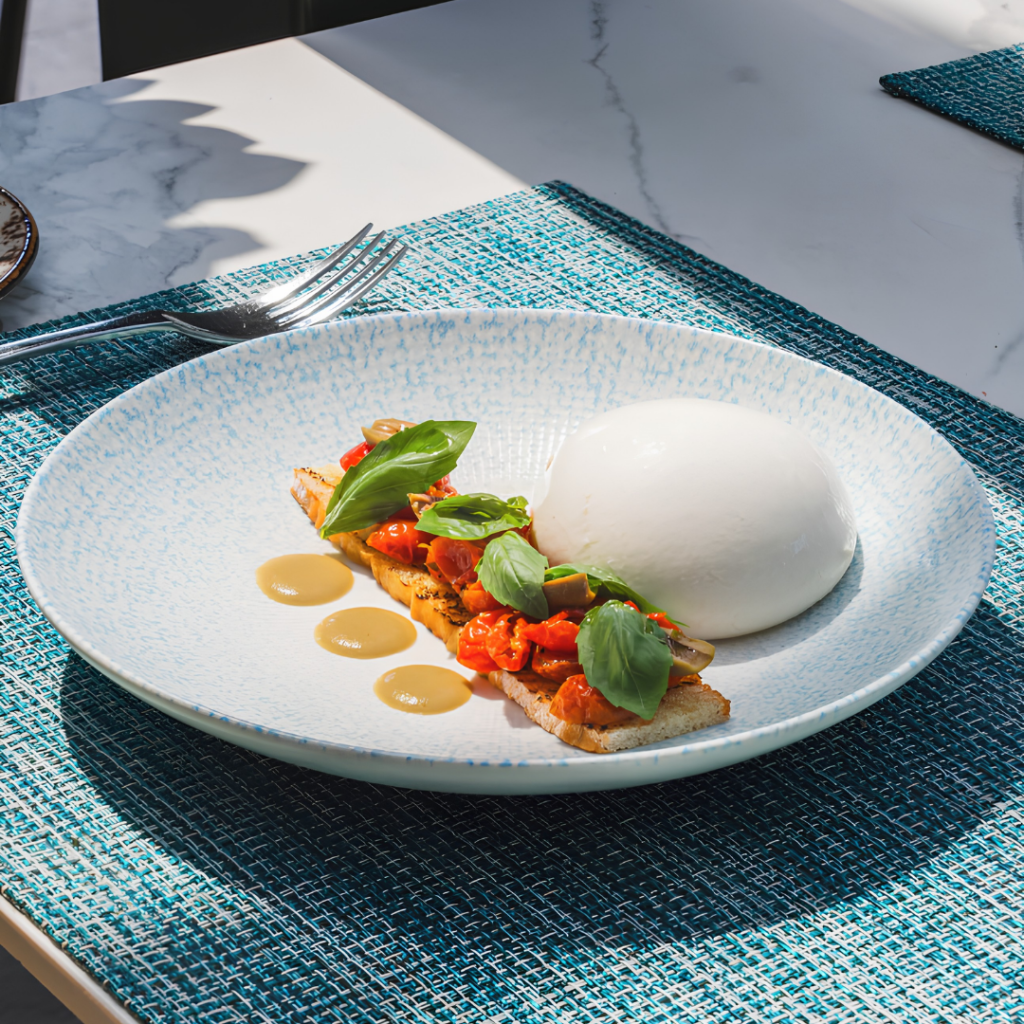
Casual, poolside Italian offering refreshing dishes perfect for relaxed afternoons and light bites. Its wood-fired pizzas and summer salads are especially popular. Great for family-friendly dining.
TUSCANY
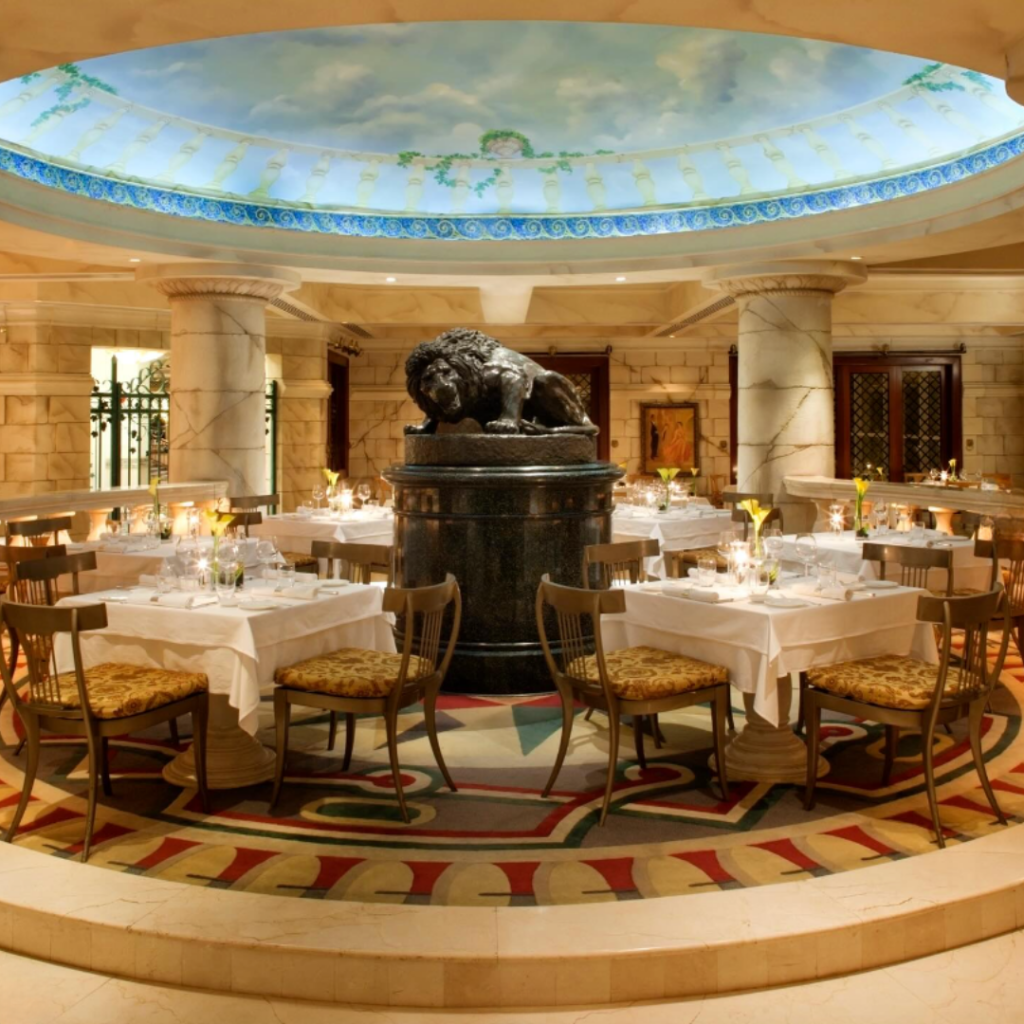
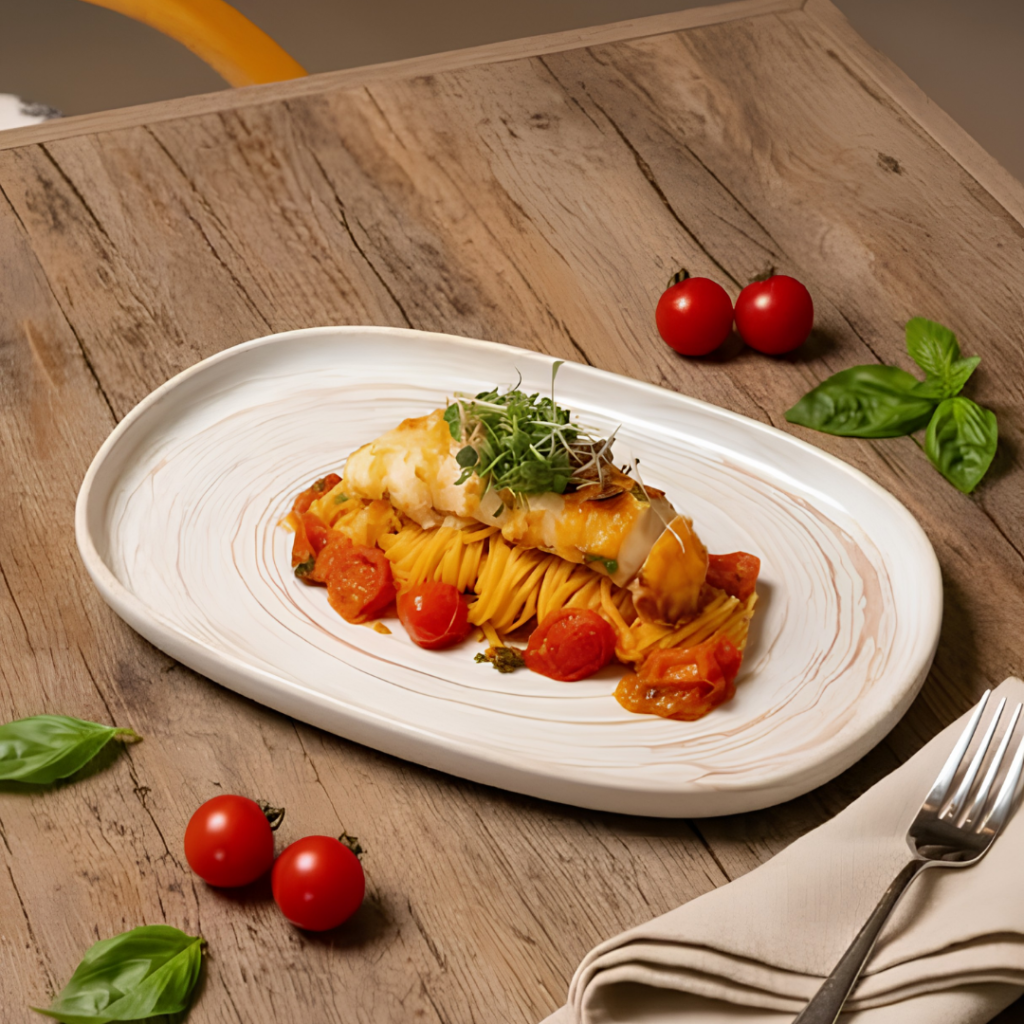
Rich, opulent décor and a menu that pays tribute to the region of Tuscany’s culinary heritage. The candlelit ambiance is ideal for romantic evenings. Known for its slow-cooked meat dishes.
QATAR
IL GALANTE
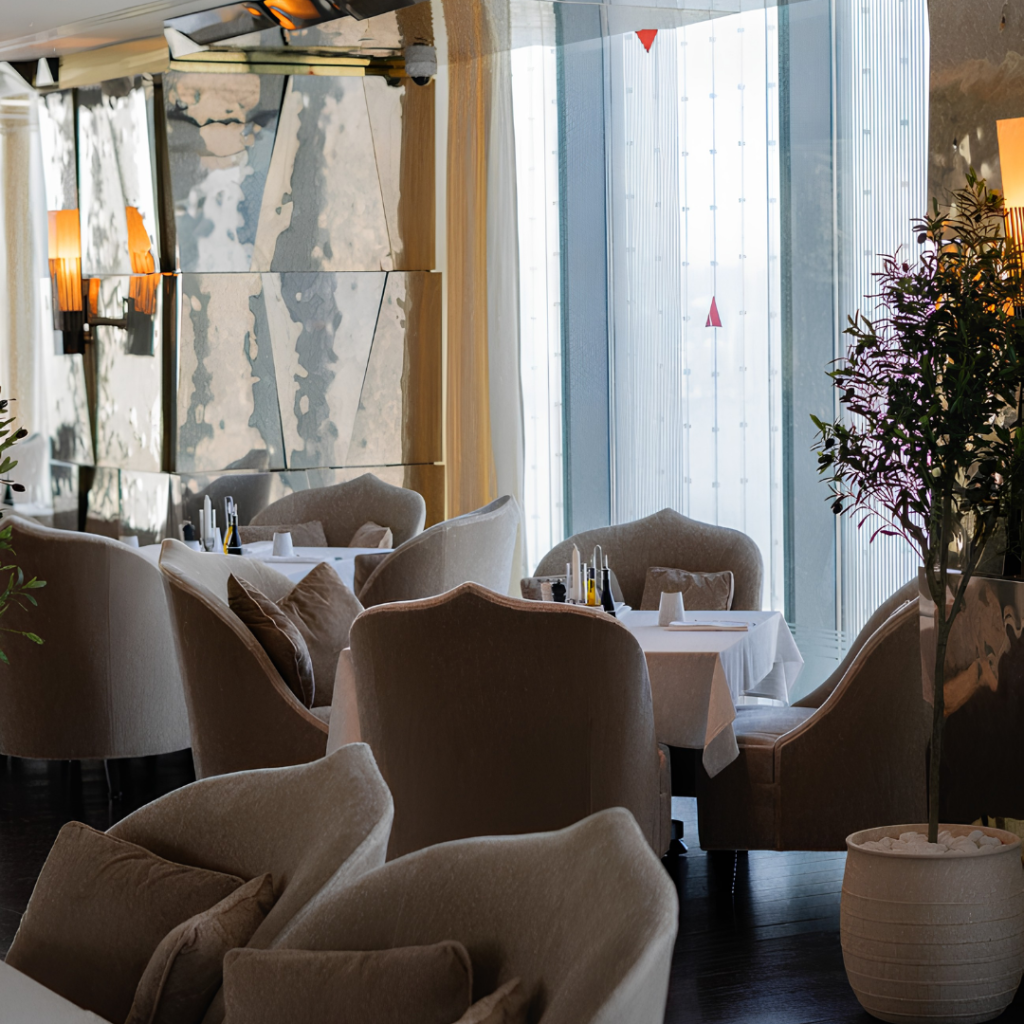
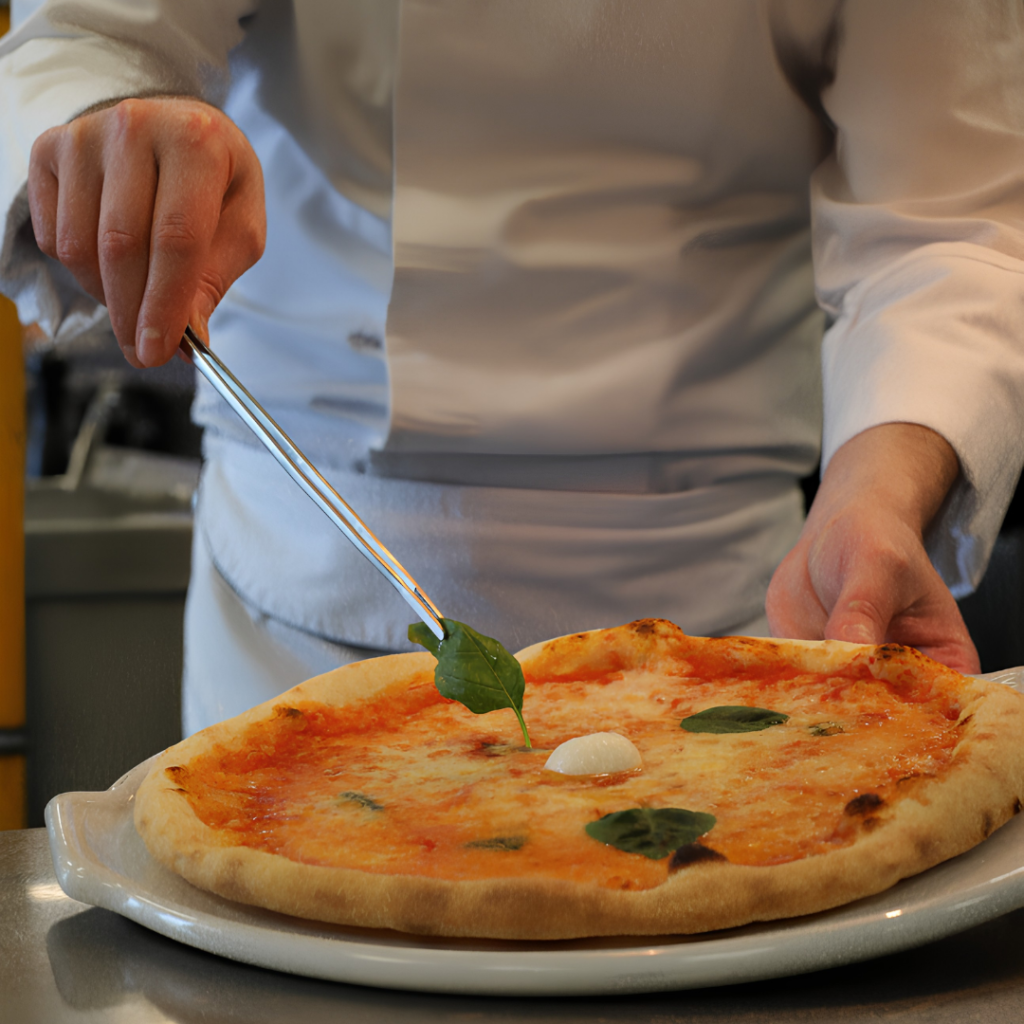
A tribute to refined Italian traditions, blending artful presentation with classic recipes. Located in a luxury hotel, the setting is grand and inviting. Perfect for business dinners and celebrations.
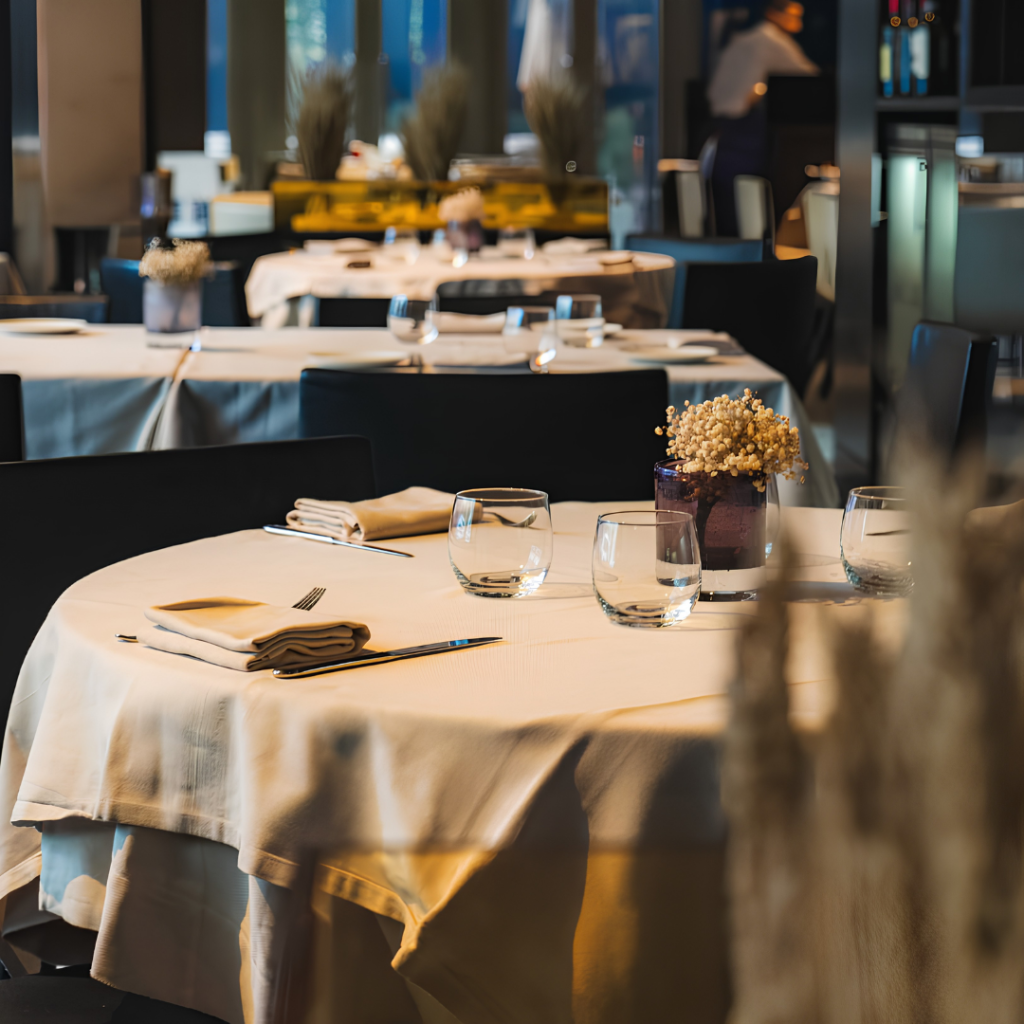
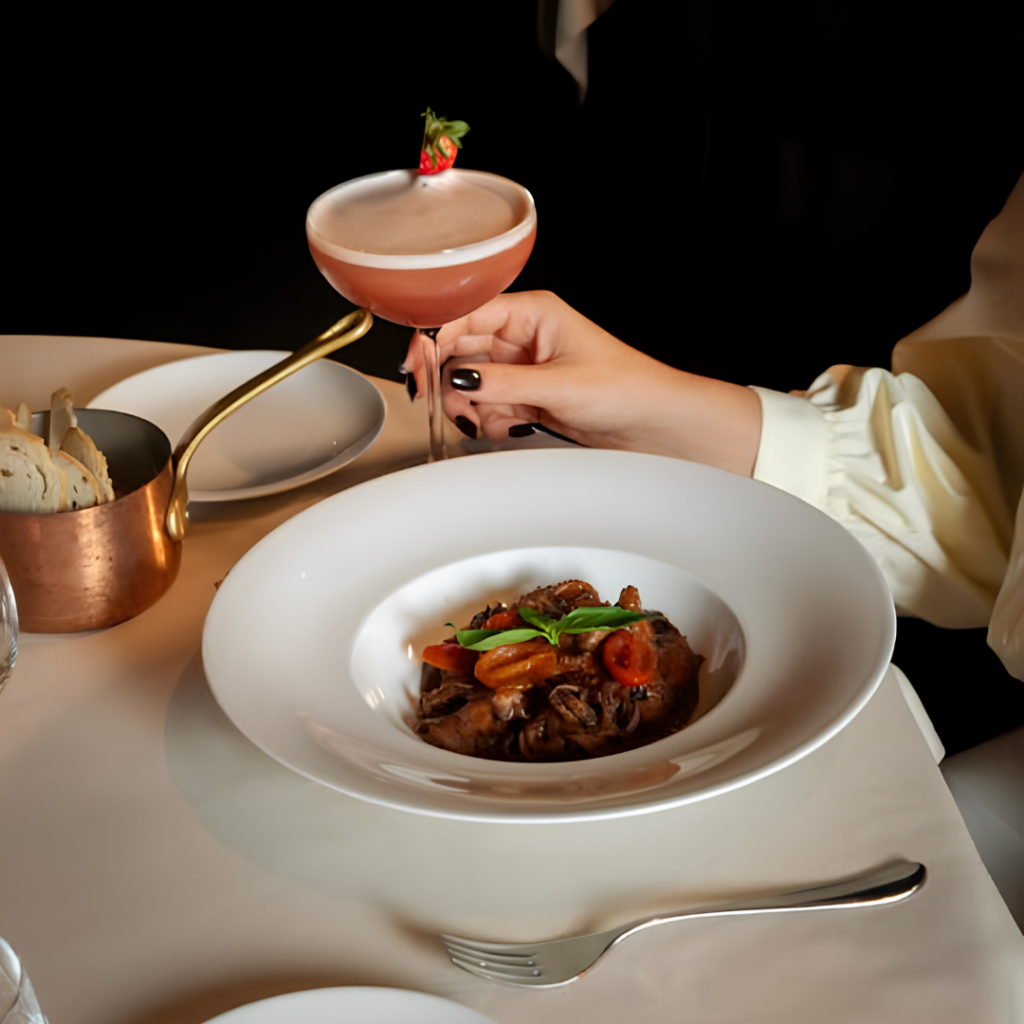
LA SPIGA BY PAPER MOON
Modern and minimalist, offering a curated menu of high-quality ingredients and signature dishes. The service is polished and professional. Guests love the fresh pasta and truffle dishes.
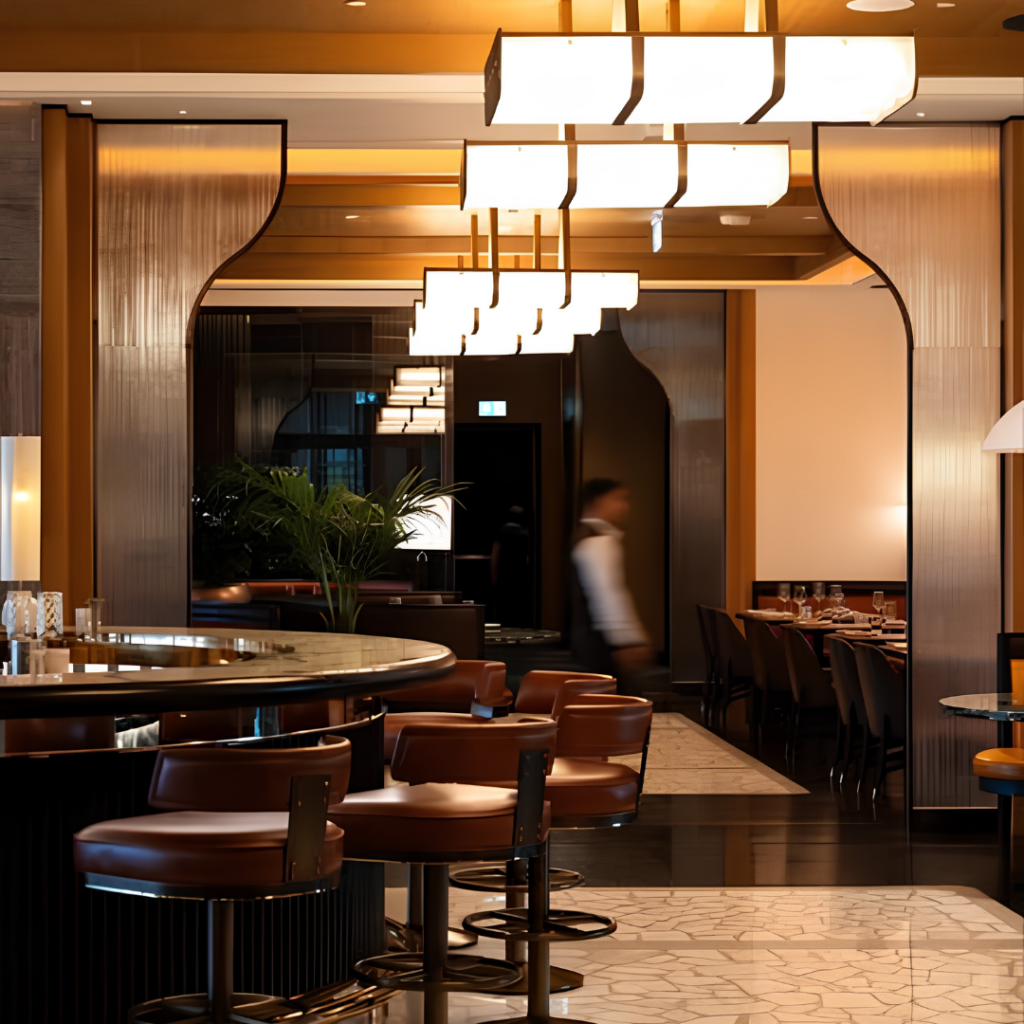
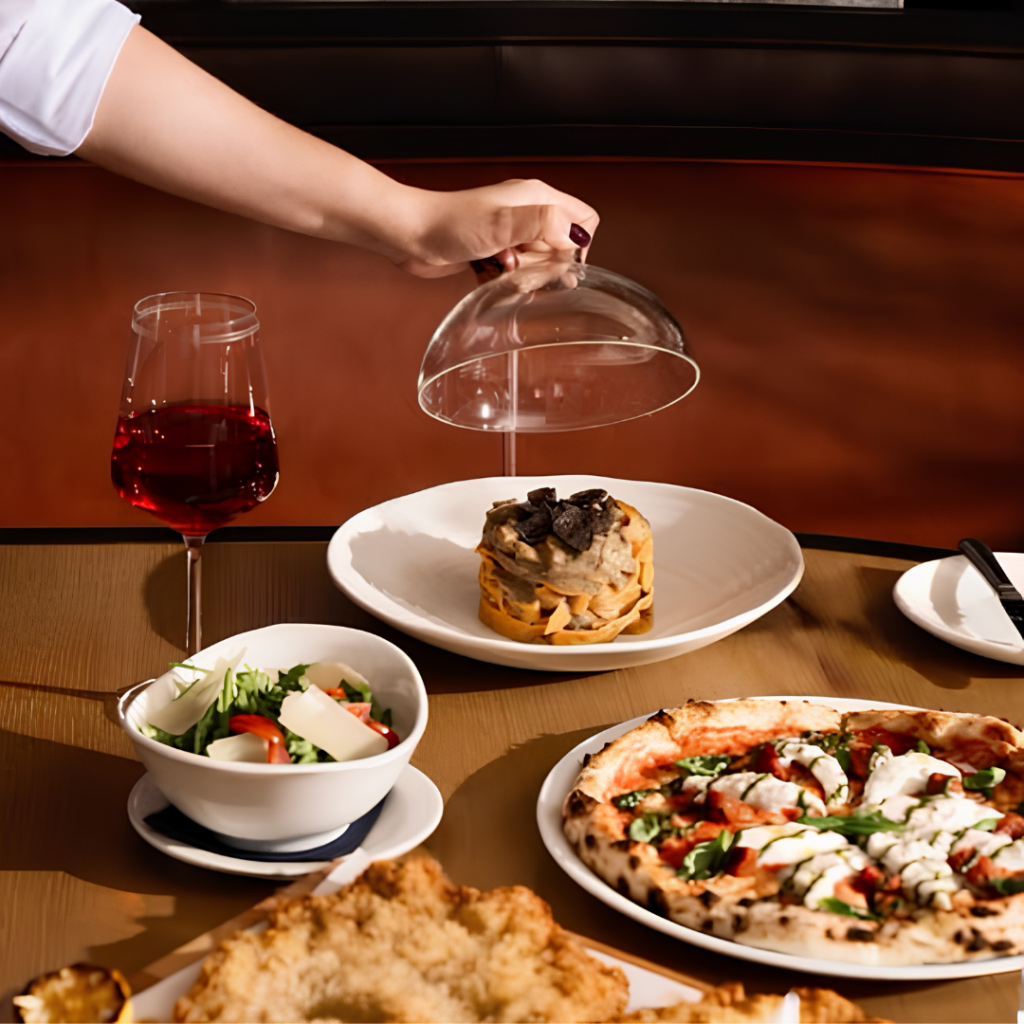
SCARPETTA
A sleek, globally recognized name known for its bold pastas and upscale ambiance. The signature tomato and basil spaghetti is iconic. Ideal for discerning diners and culinary explorers.
SAUDI ARABIA
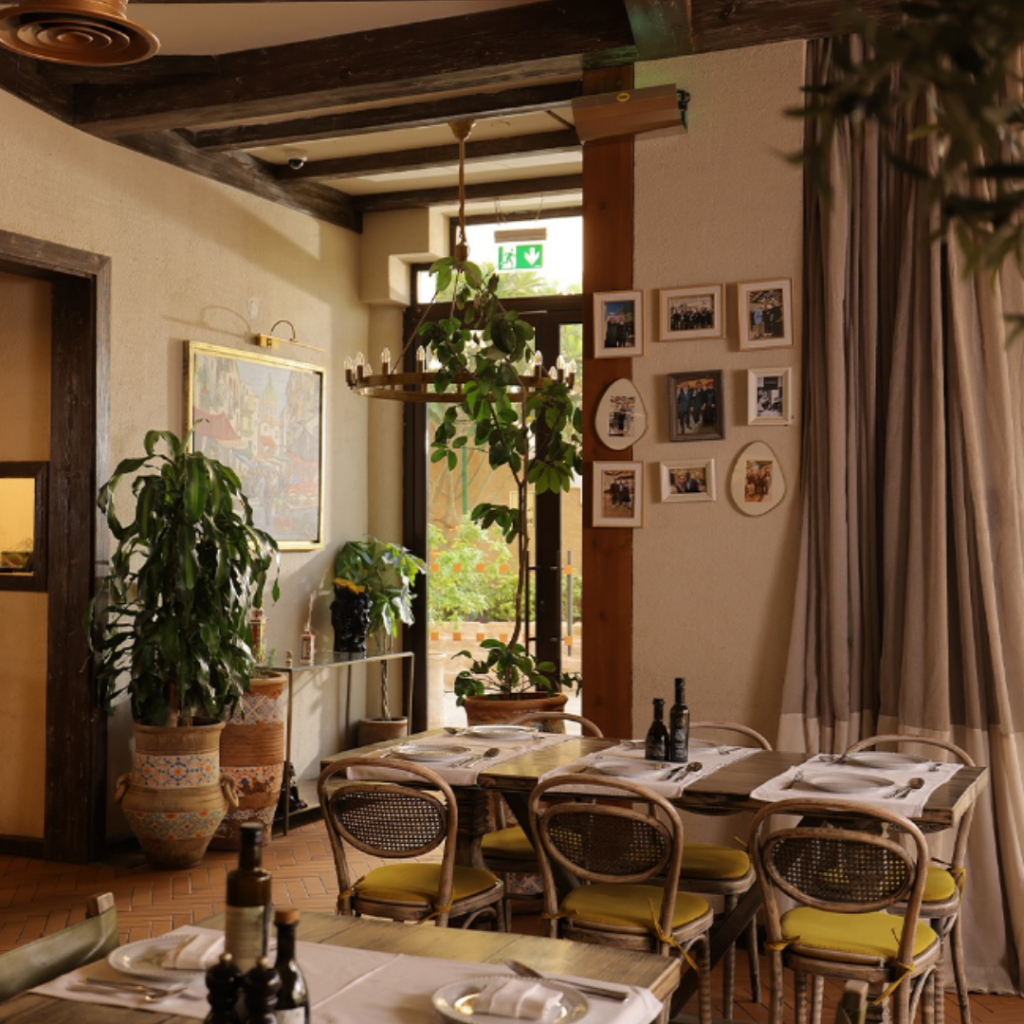
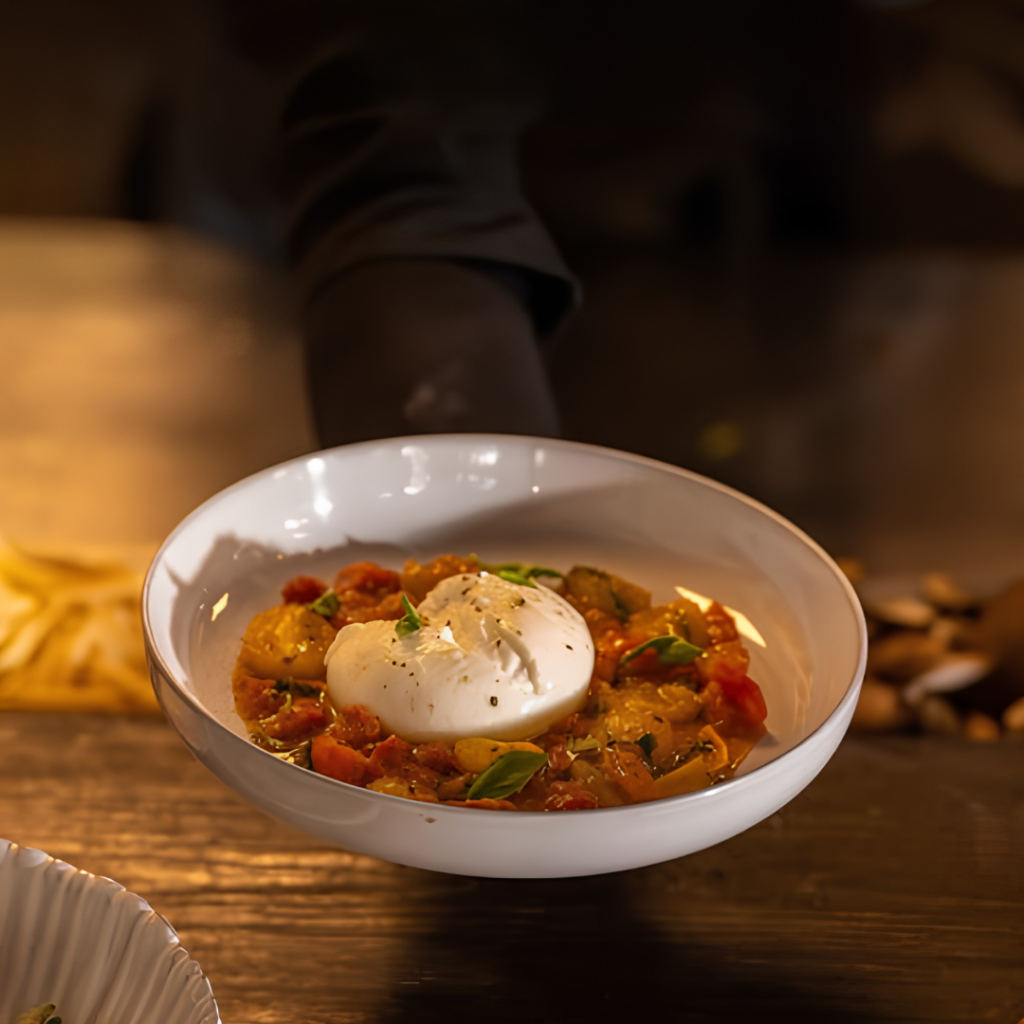
ALTOPIANO
A contemporary Italian eatery offering elegant, elevated versions of regional specialties. The ambiance is serene and modern. A favorite for corporate meals and fine dining.
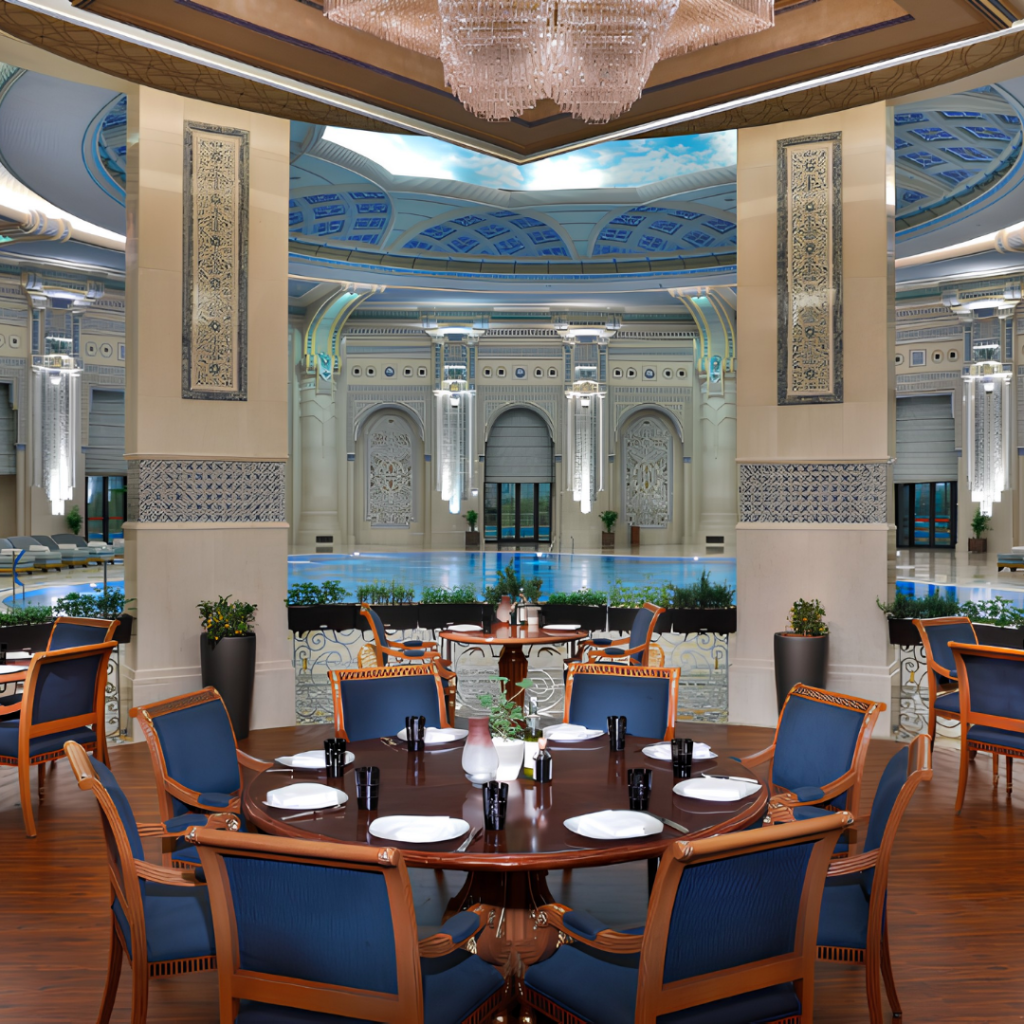
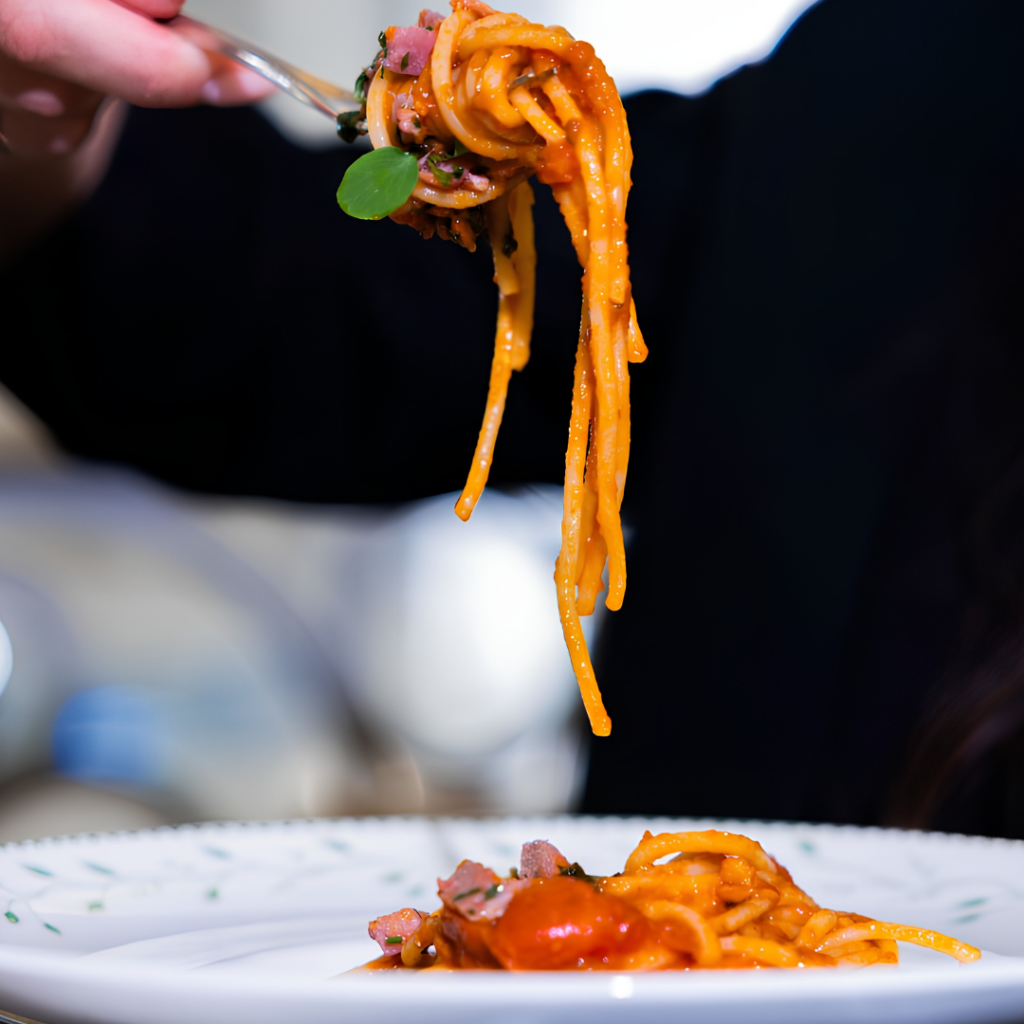
AZZURRO
Luxurious and timeless, Azzurro features a regal setting and a menu full of refined classics. Located in a five-star hotel. Standout dishes include truffle risotto and osso buco.
CIPRIANI
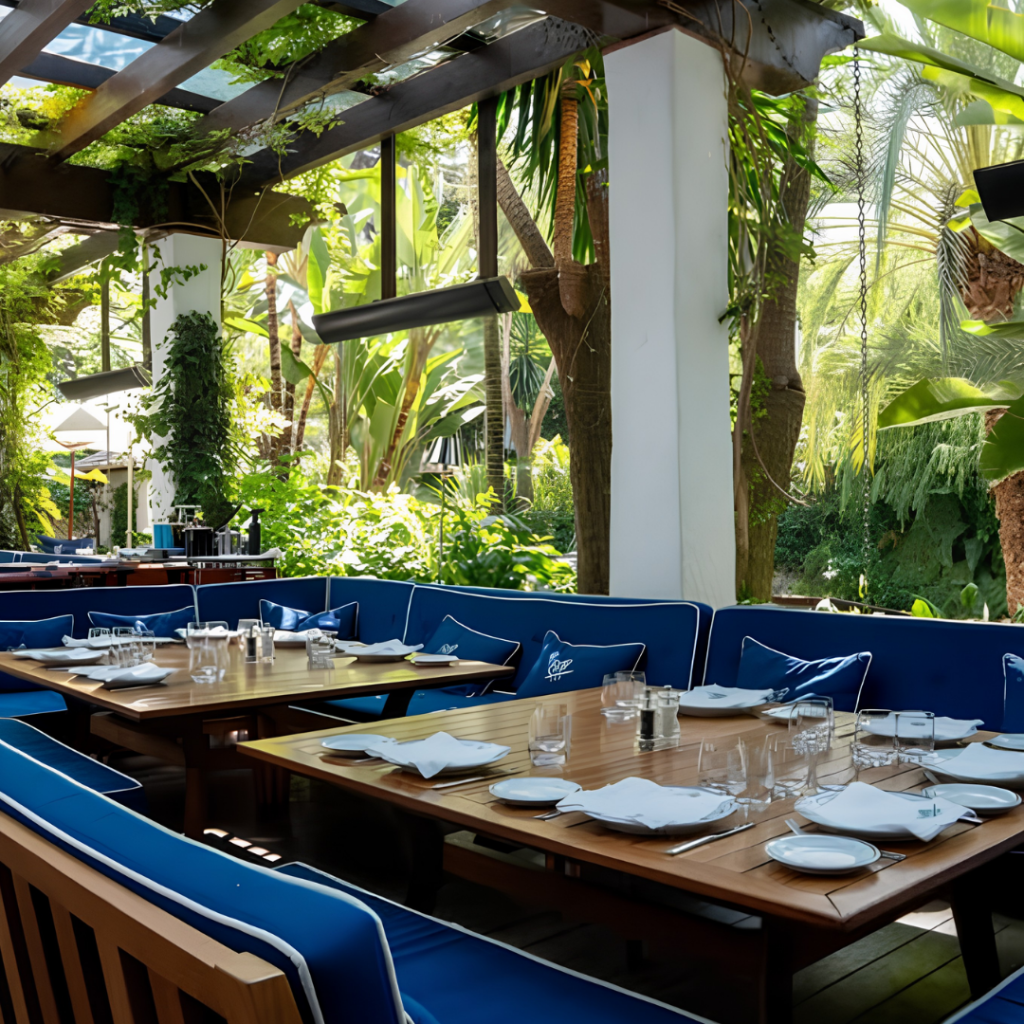
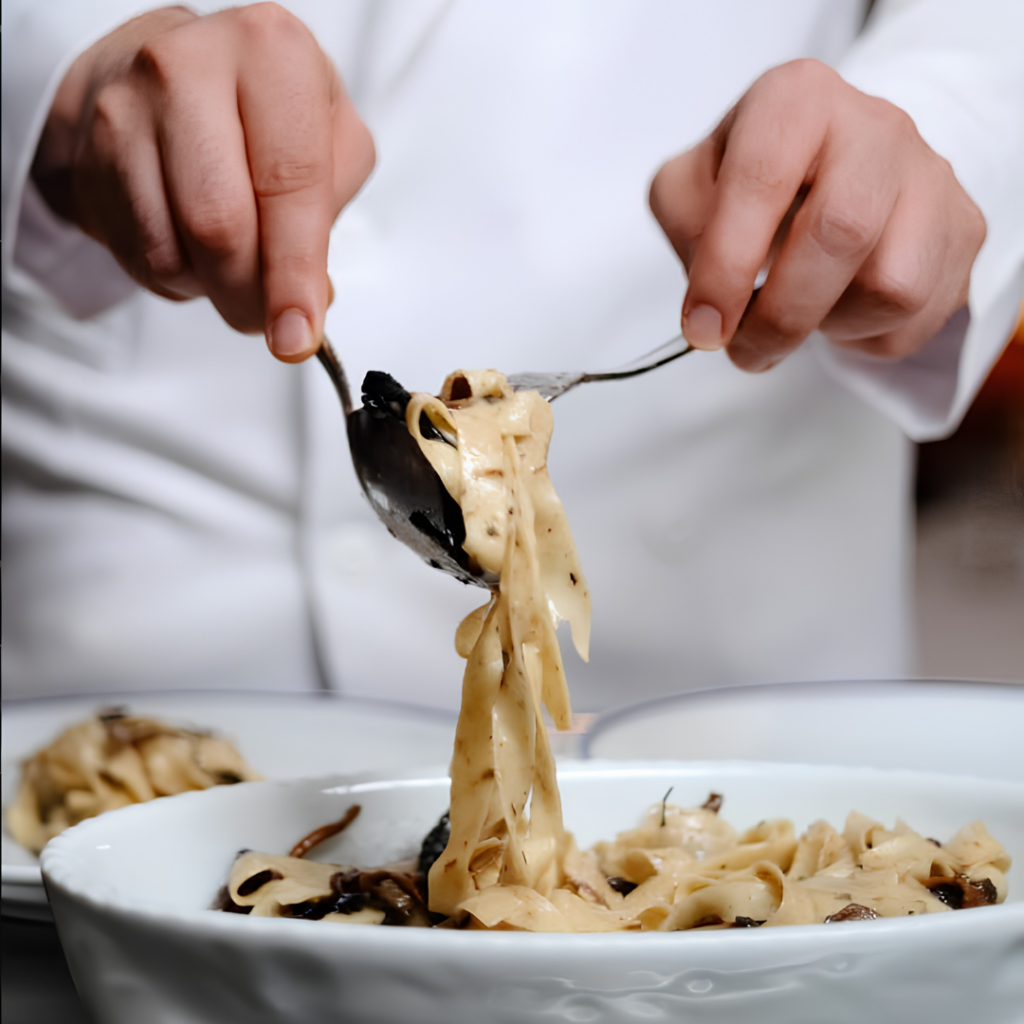
World-renowned for its elegance, Cipriani is an iconic Italian experience with impeccable service. From Bellinis to carpaccio, it’s a celebration of Venetian cuisine. Celebrities often frequent this spot.
CUCINA
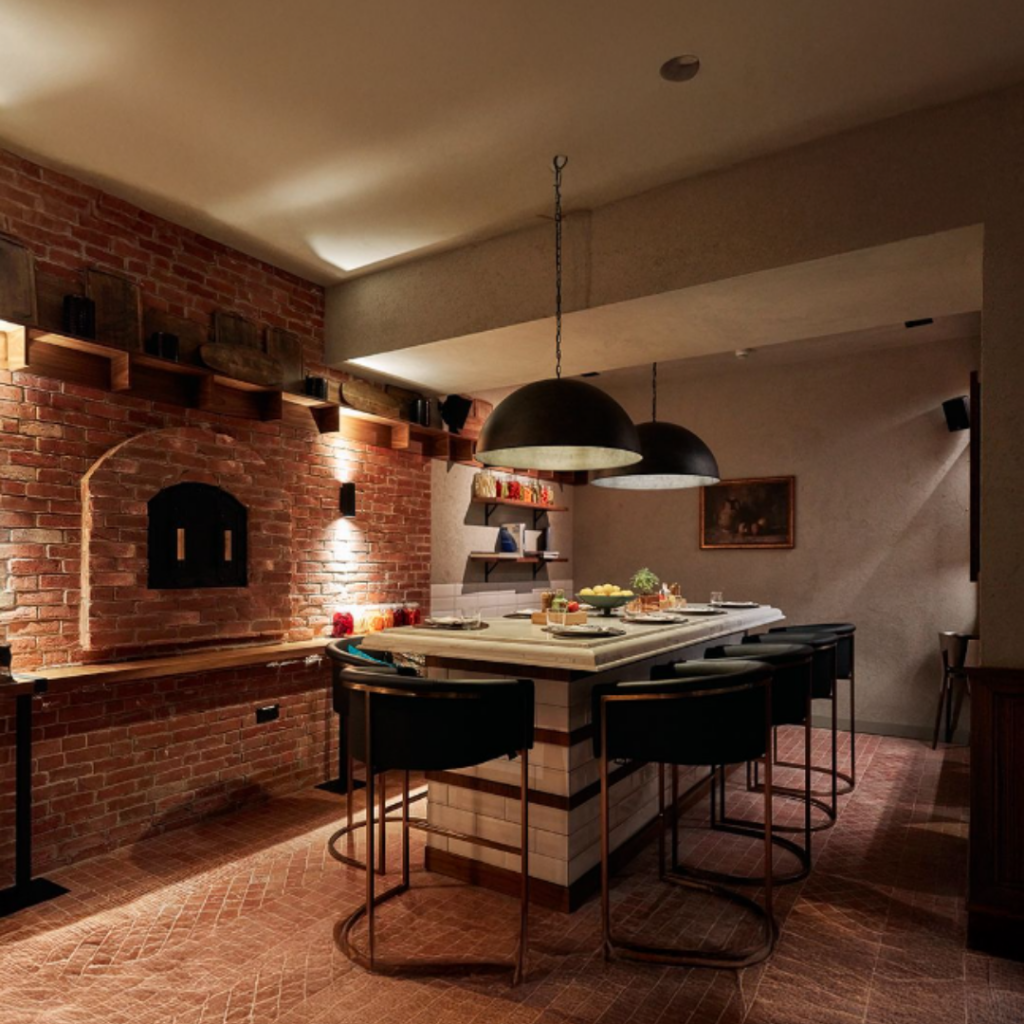
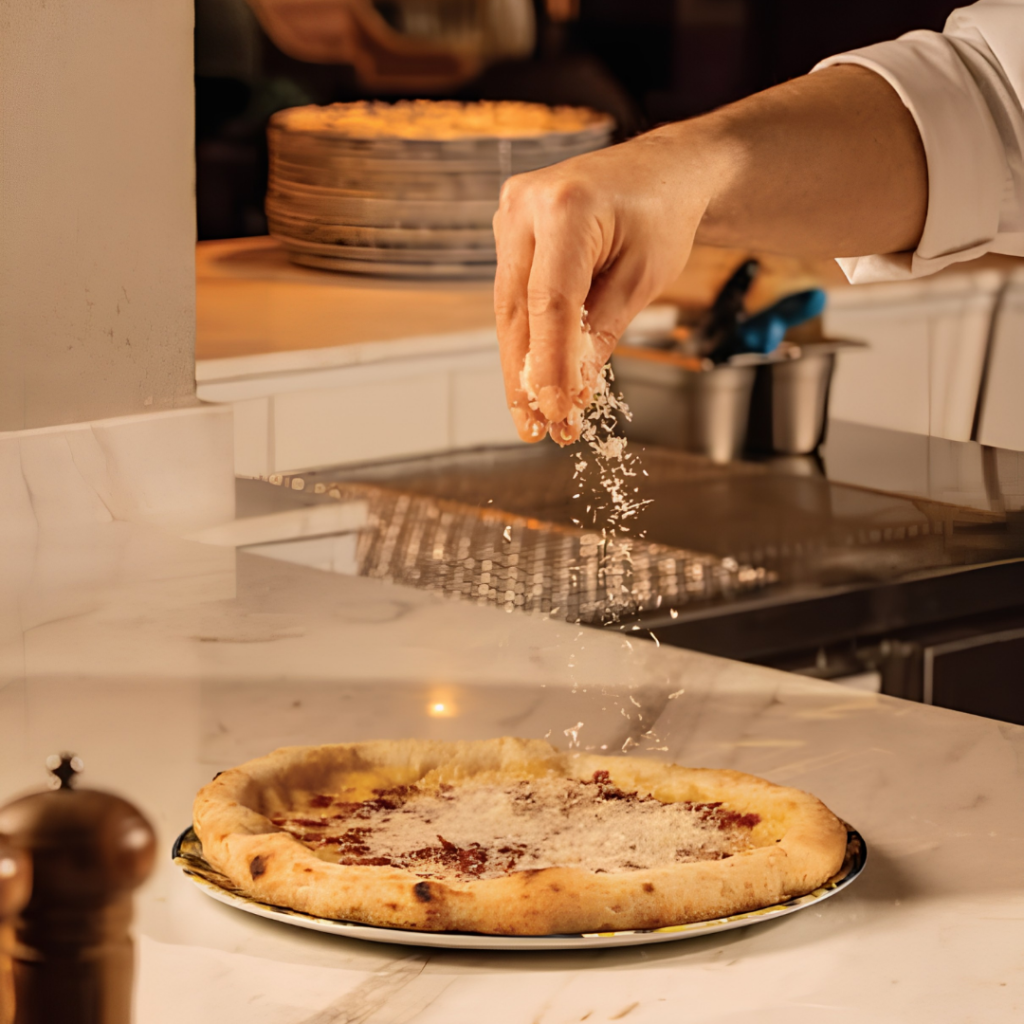
World-renowned for its elegance, Cipriani is an iconic Italian experience with impeccable service. From Bellinis to carpaccio, it’s a celebration of Venetian cuisine. Celebrities often frequent this spot.
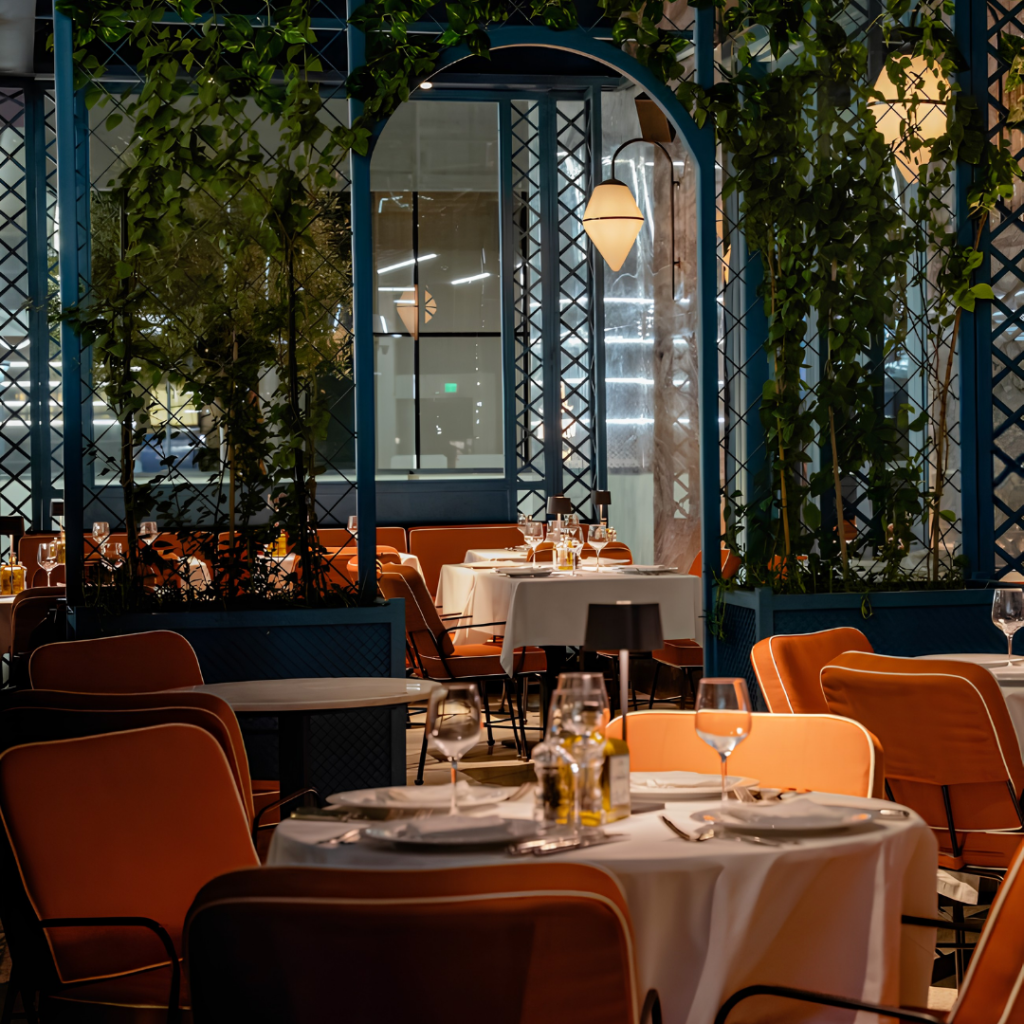
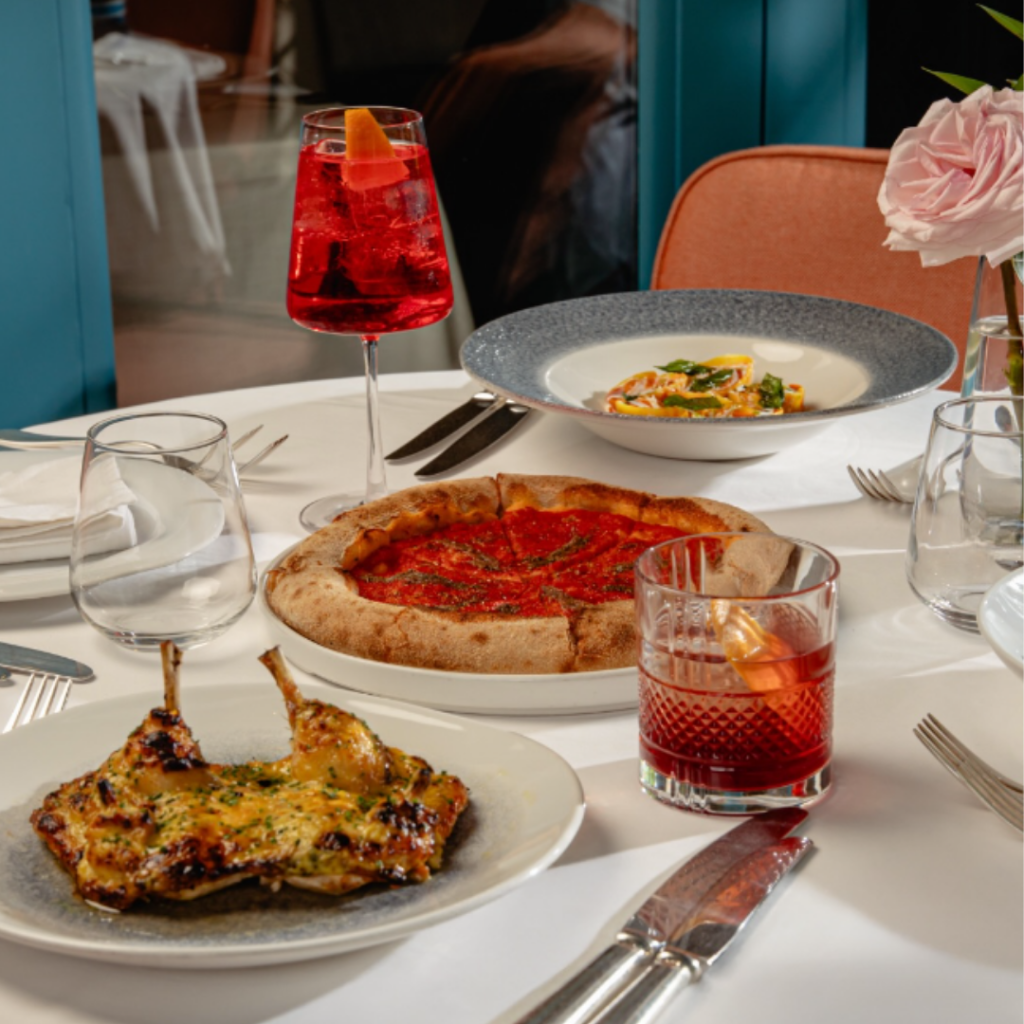
IL BARETTO
A trendy hotspot with London roots, bringing stylish Italian dining to the heart of the kingdom. The interiors are sleek and modern. Great for a night out with friends or business dinners.
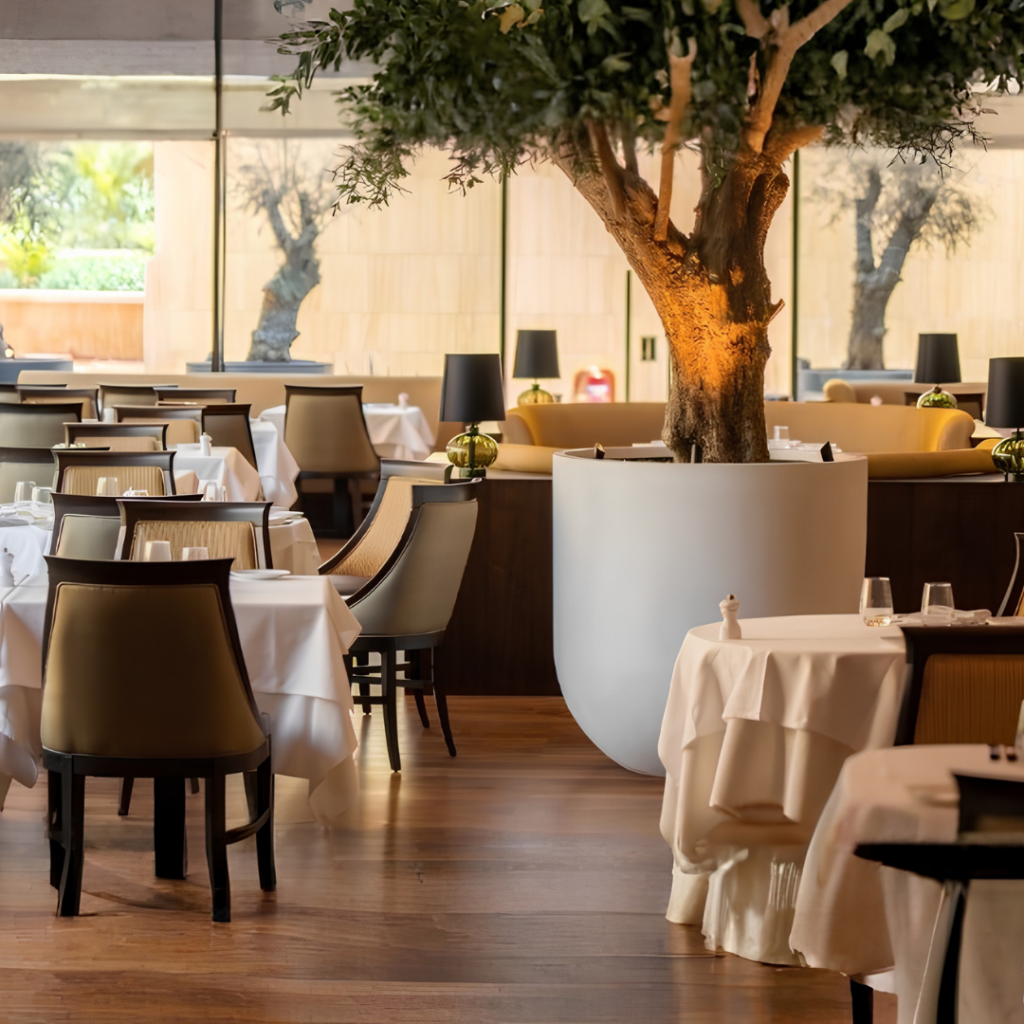
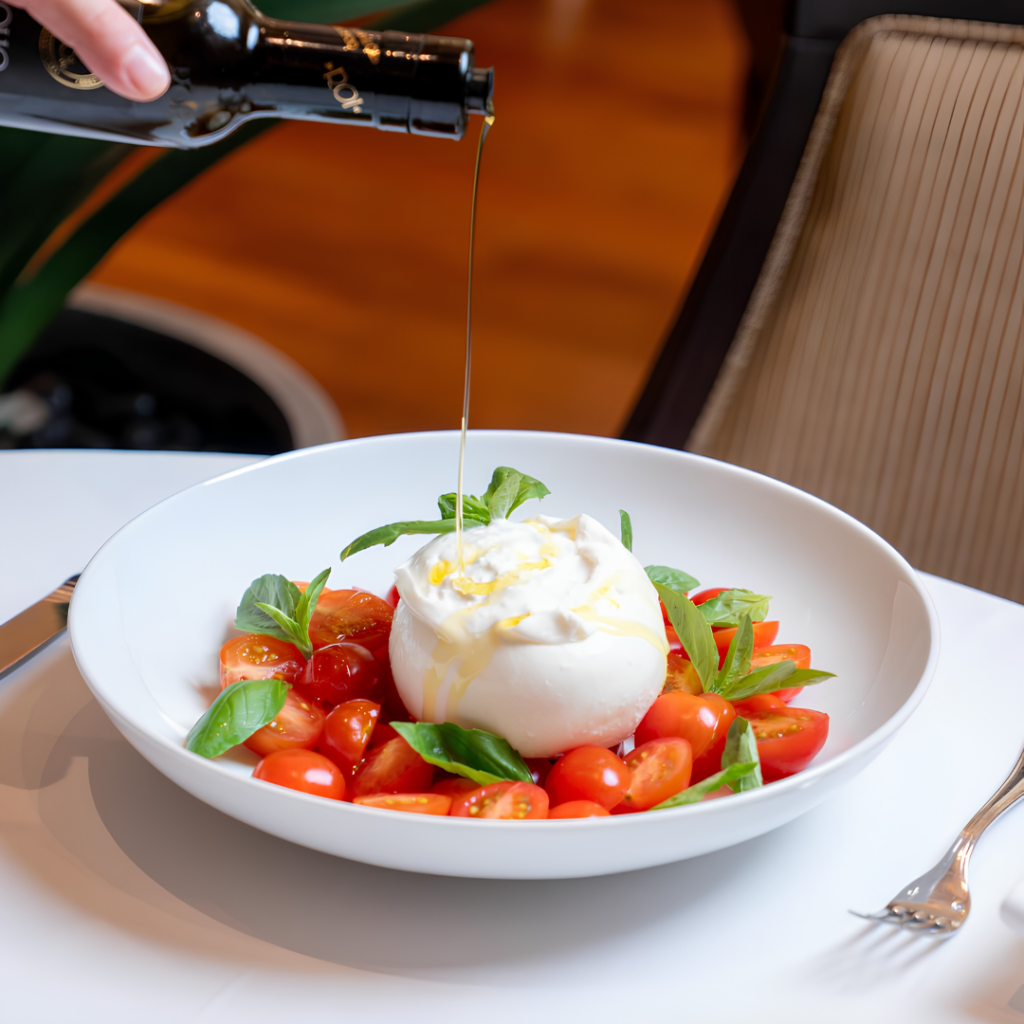
MADEO
A celebrity favorite known for its rich, authentic flavors and upscale dining vibe. Originally from LA, it brings that Hollywood glamour. Their Bolognese is legendary.
SANTINI
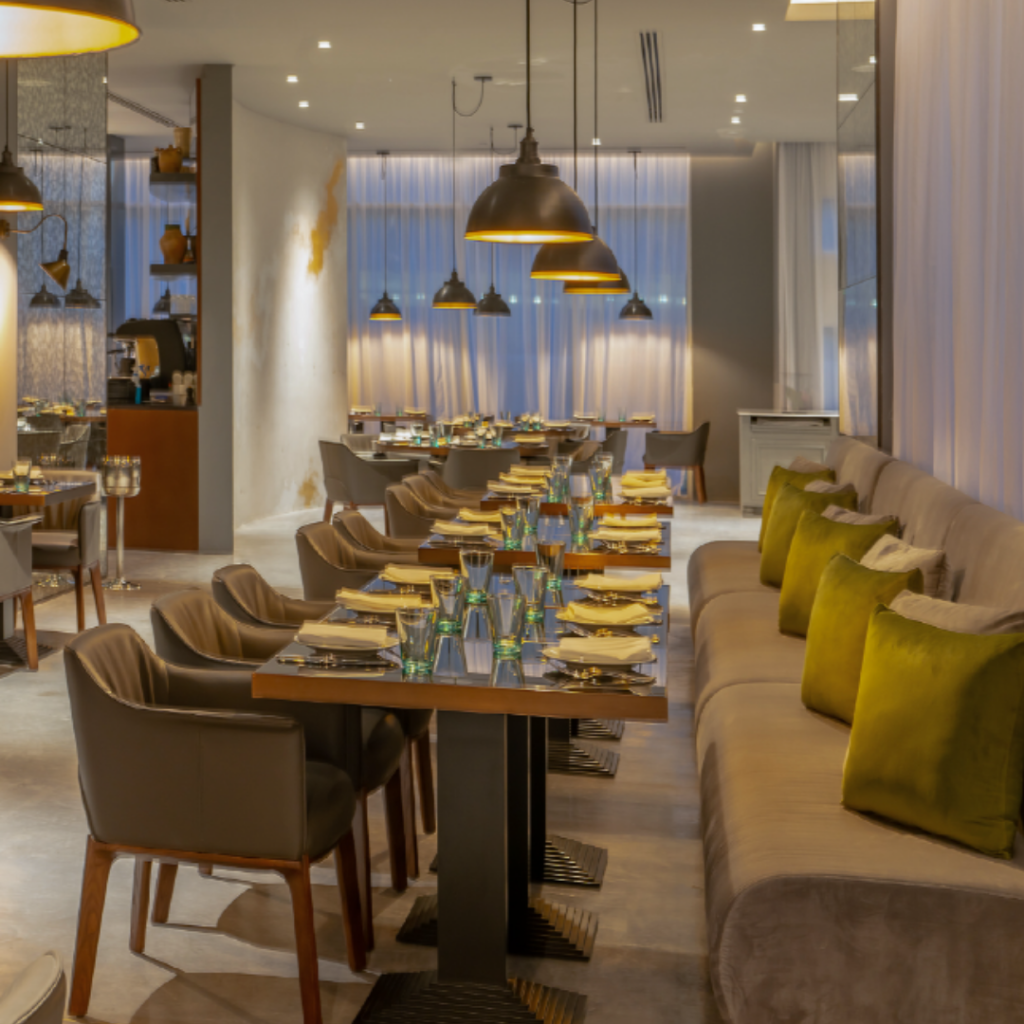
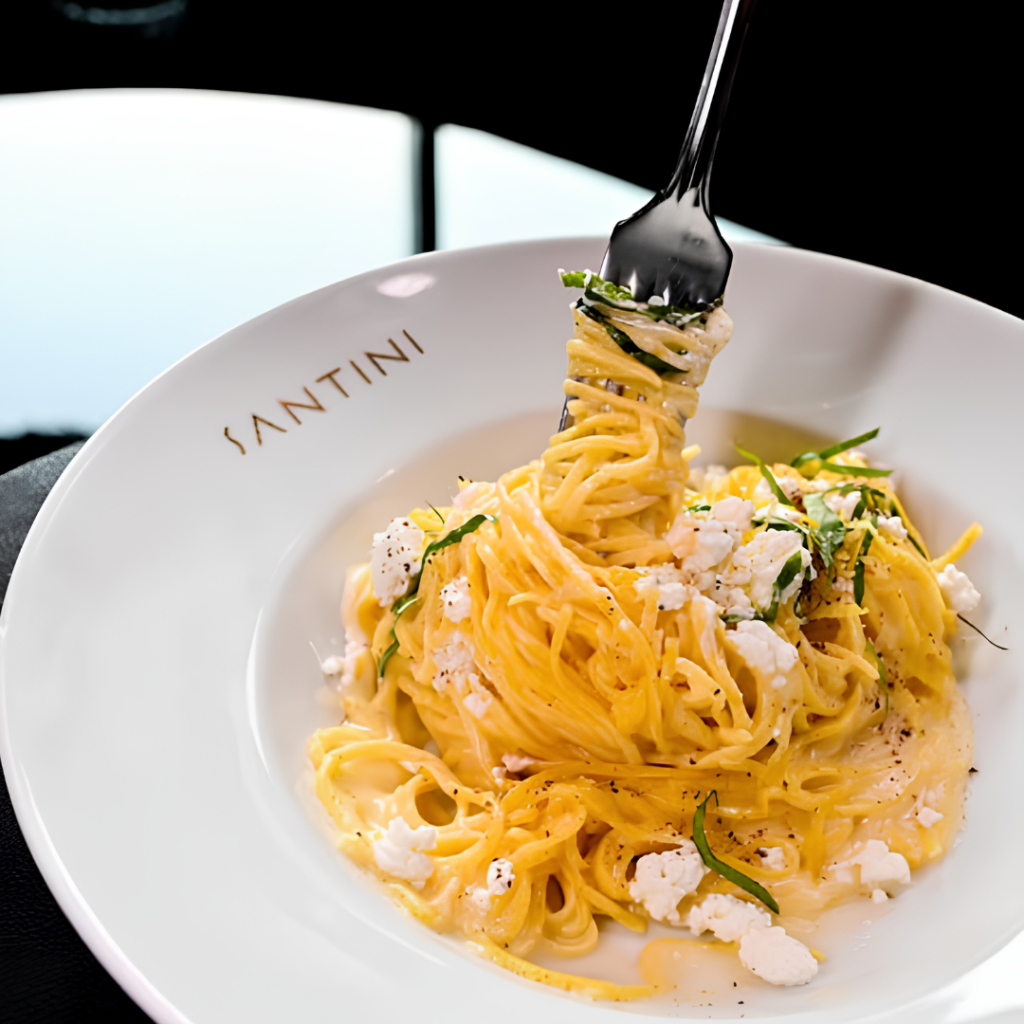
A family-run Italian classic delivering gourmet meals with heartfelt service and heritage recipes. Cozy yet sophisticated. Excellent wine pairings enhance the experience.
SIGNOR SASSI
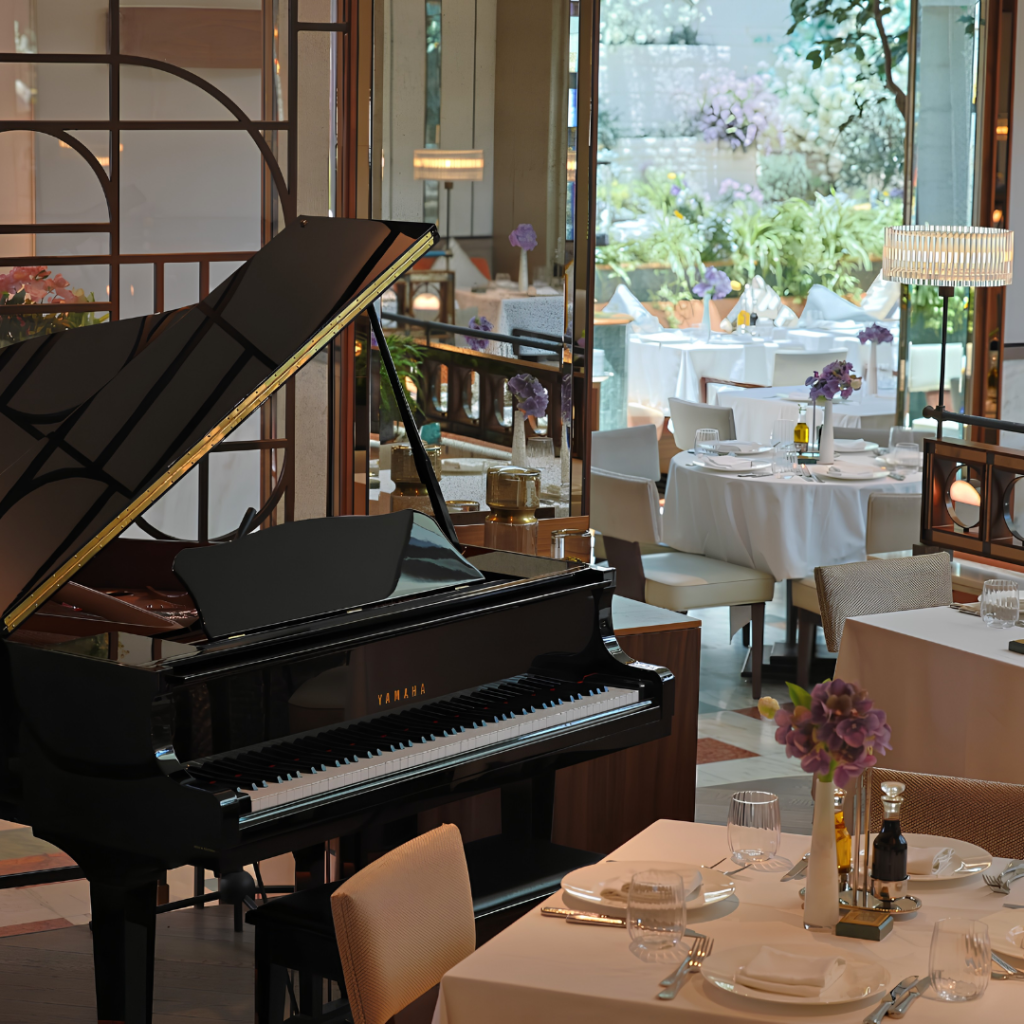
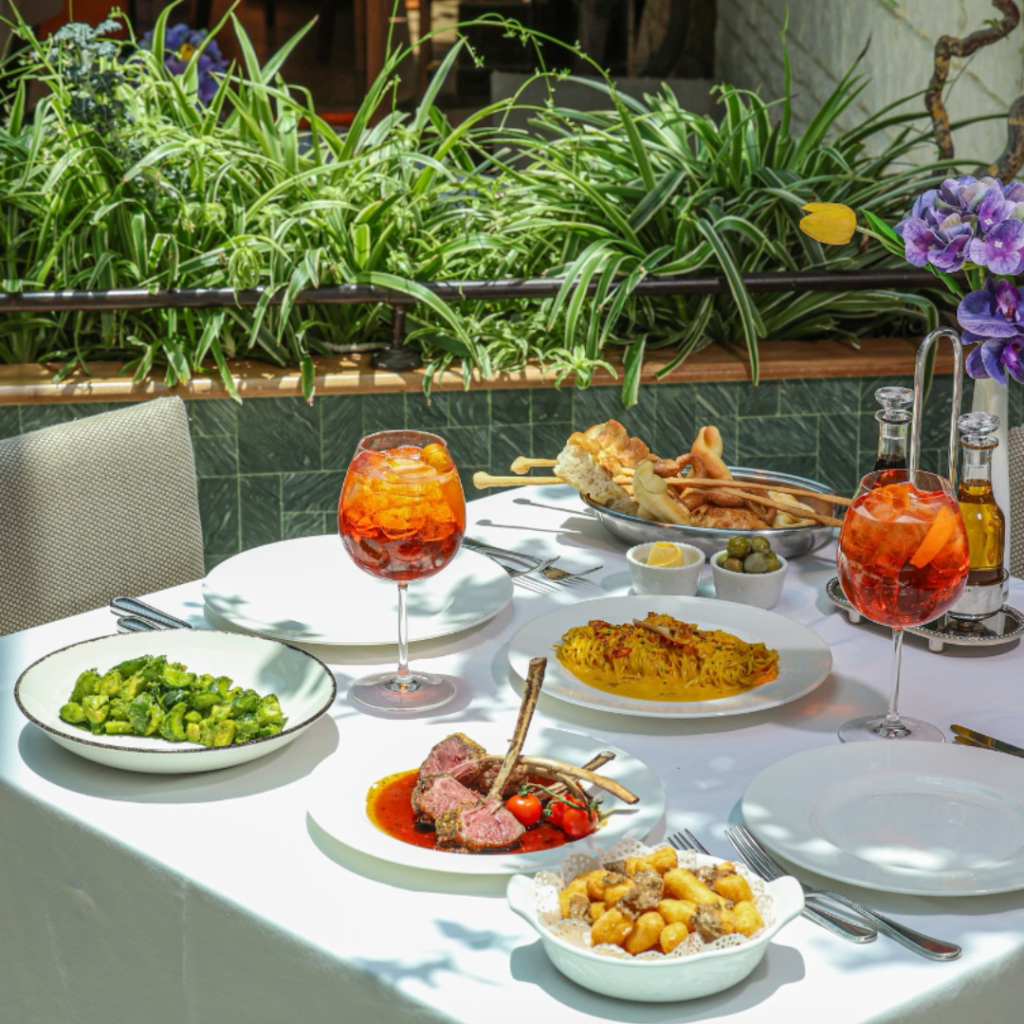
An Italian fine dining gem with a reputation for quality and charm, rooted in London origins. Known for its theatrical presentation and bold flavors. A feast for all senses.
UAE
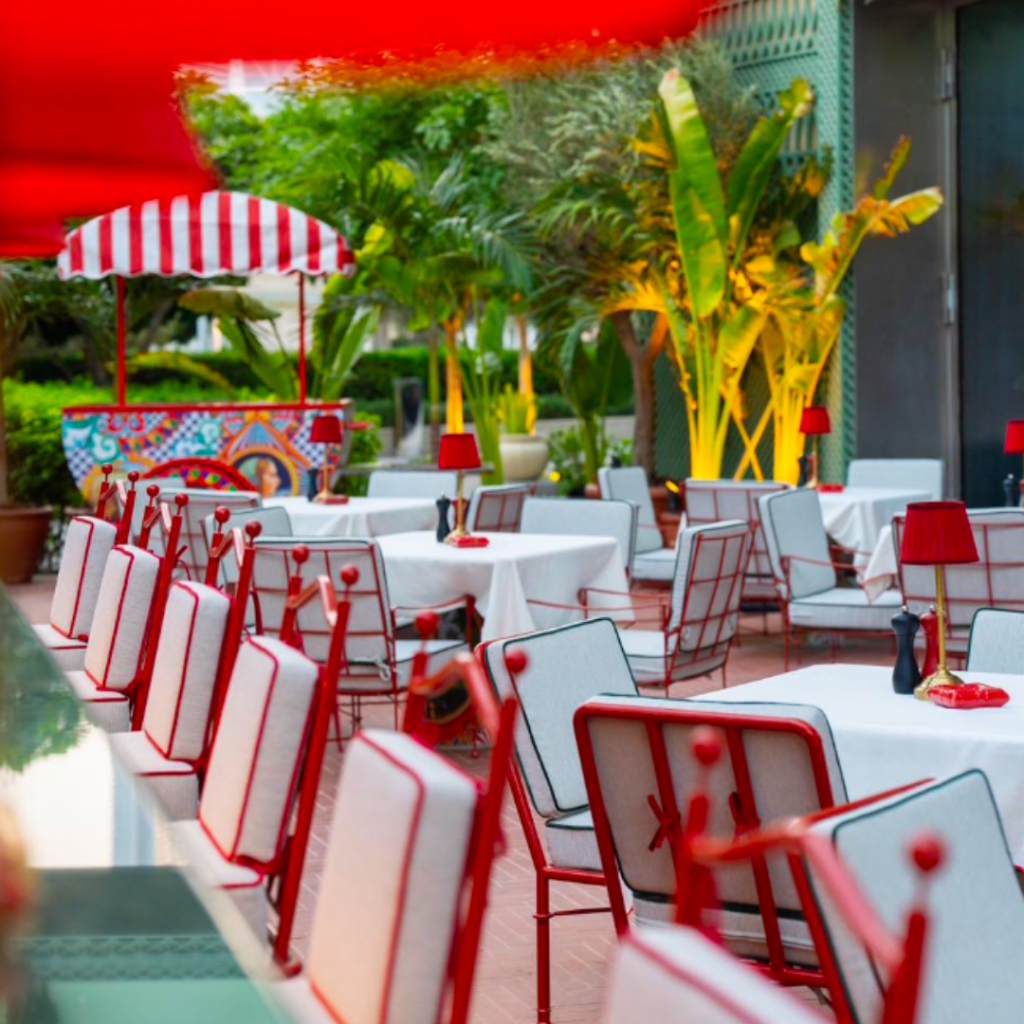
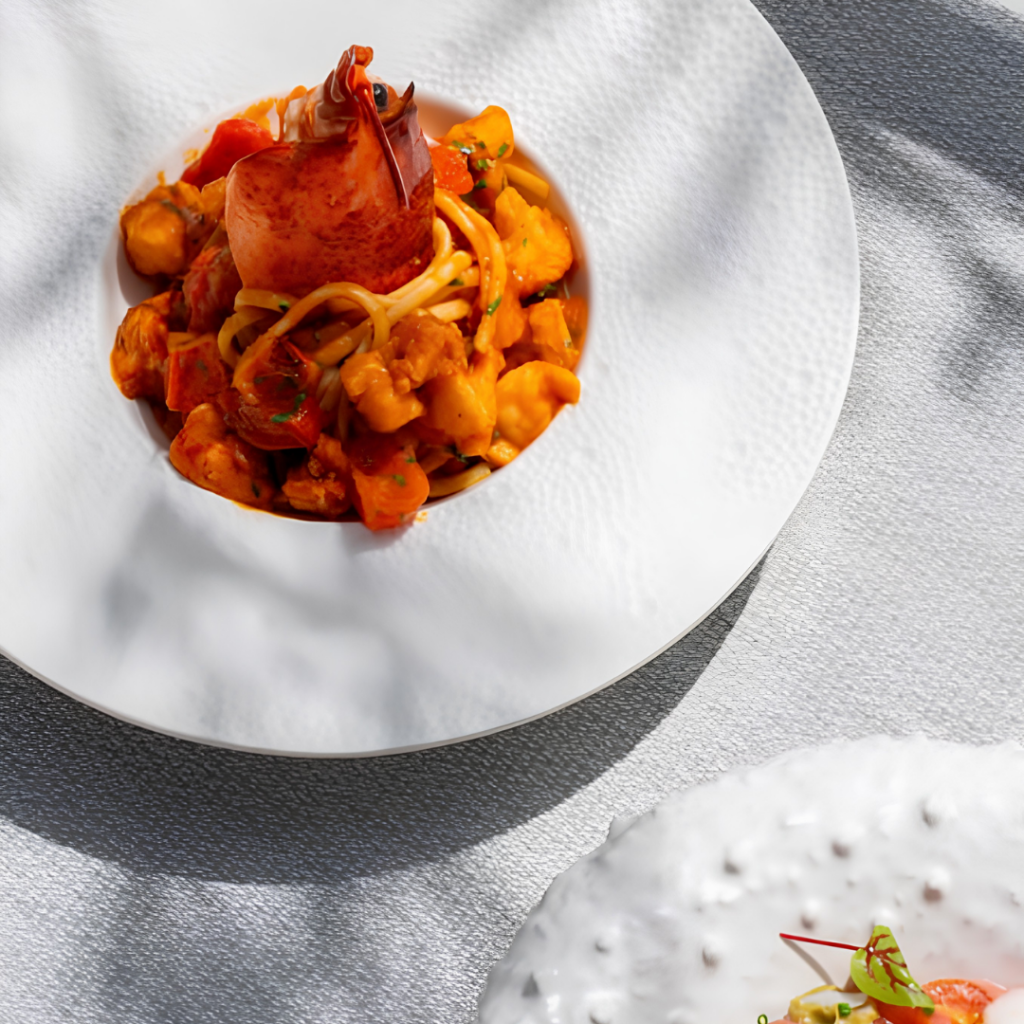
FELICITA
More than just a restaurant, Felicità is a bold fusion of food, design, music, and culture—bringing the vibrant soul of Southern Italy to the heart of Dubai’s skyline.
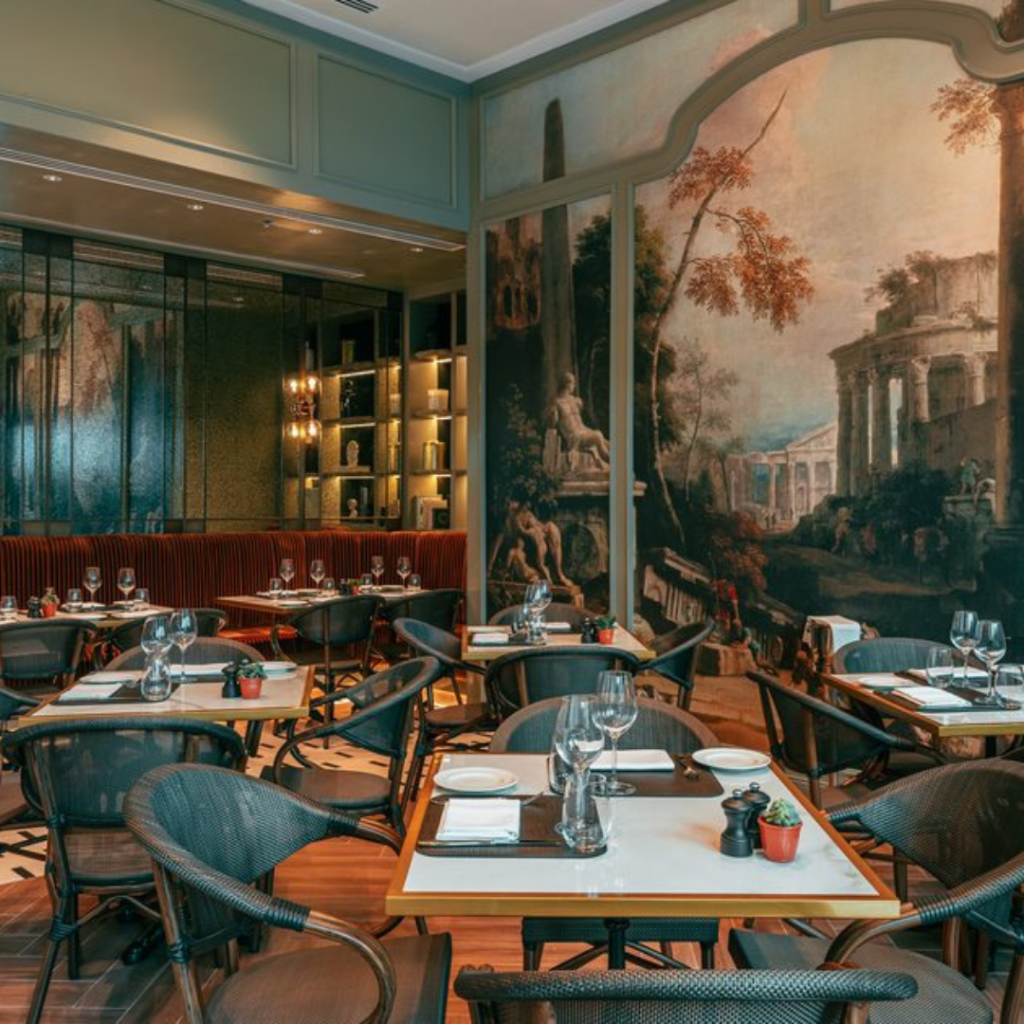
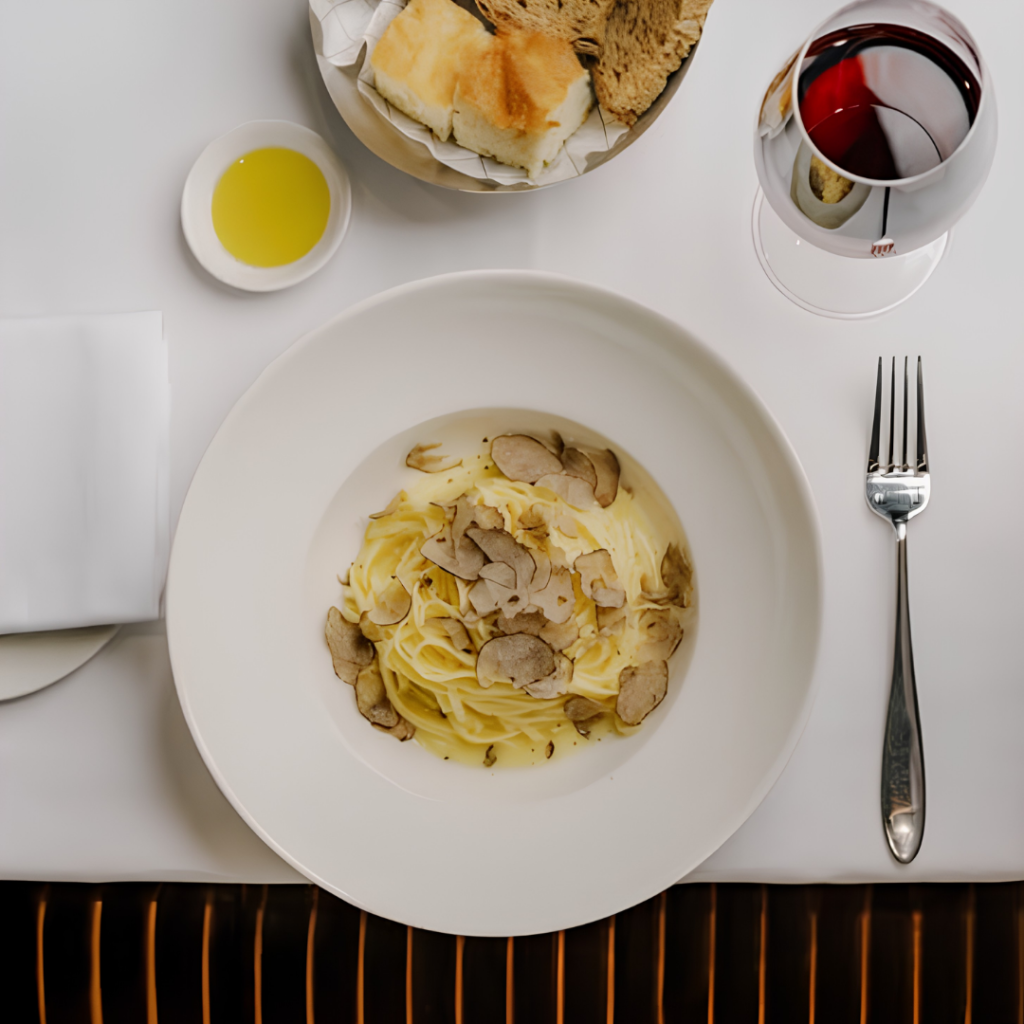
GUSTO
Nestled at the intersection of refined taste and comforting familiarity, Gusto redefines the dining experience by artfully bridging the worlds of fine dining and casual eateries.
ISABELLA CUCINA ITALIANA
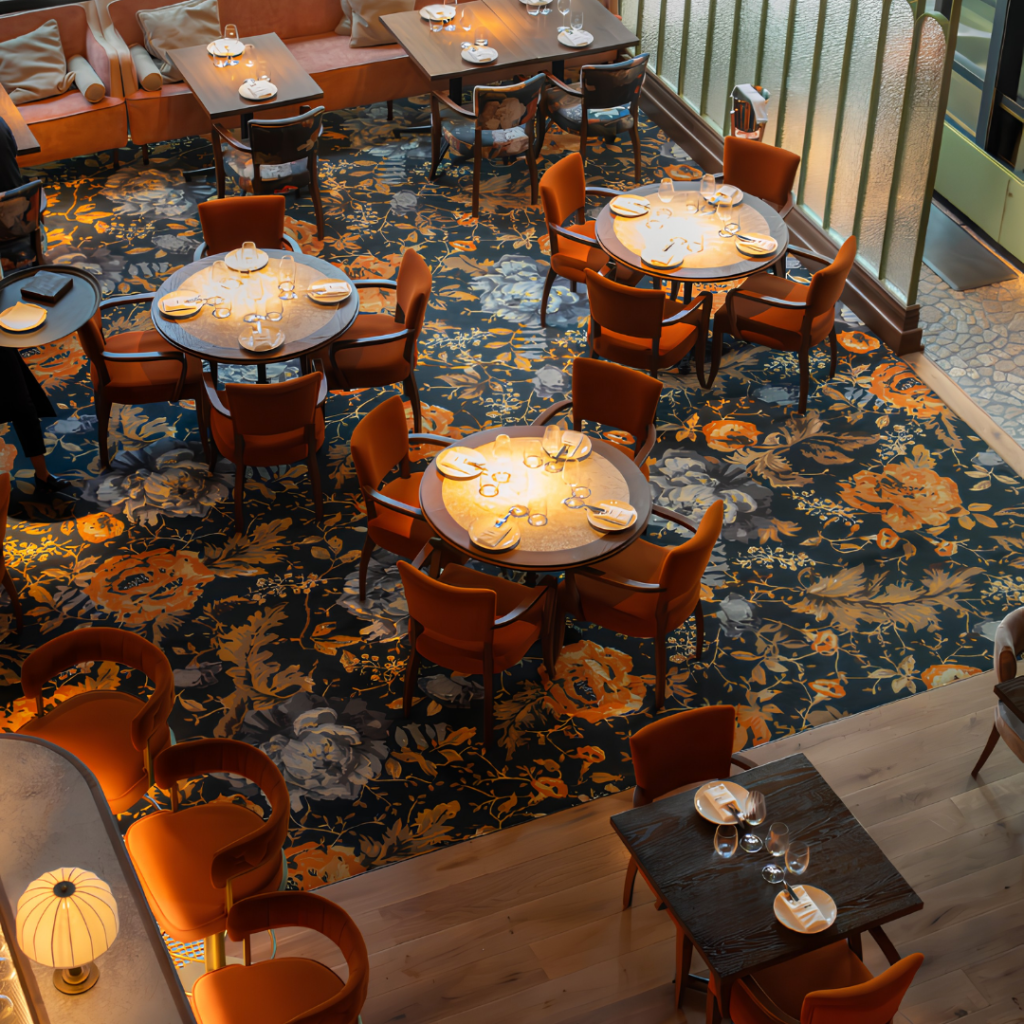
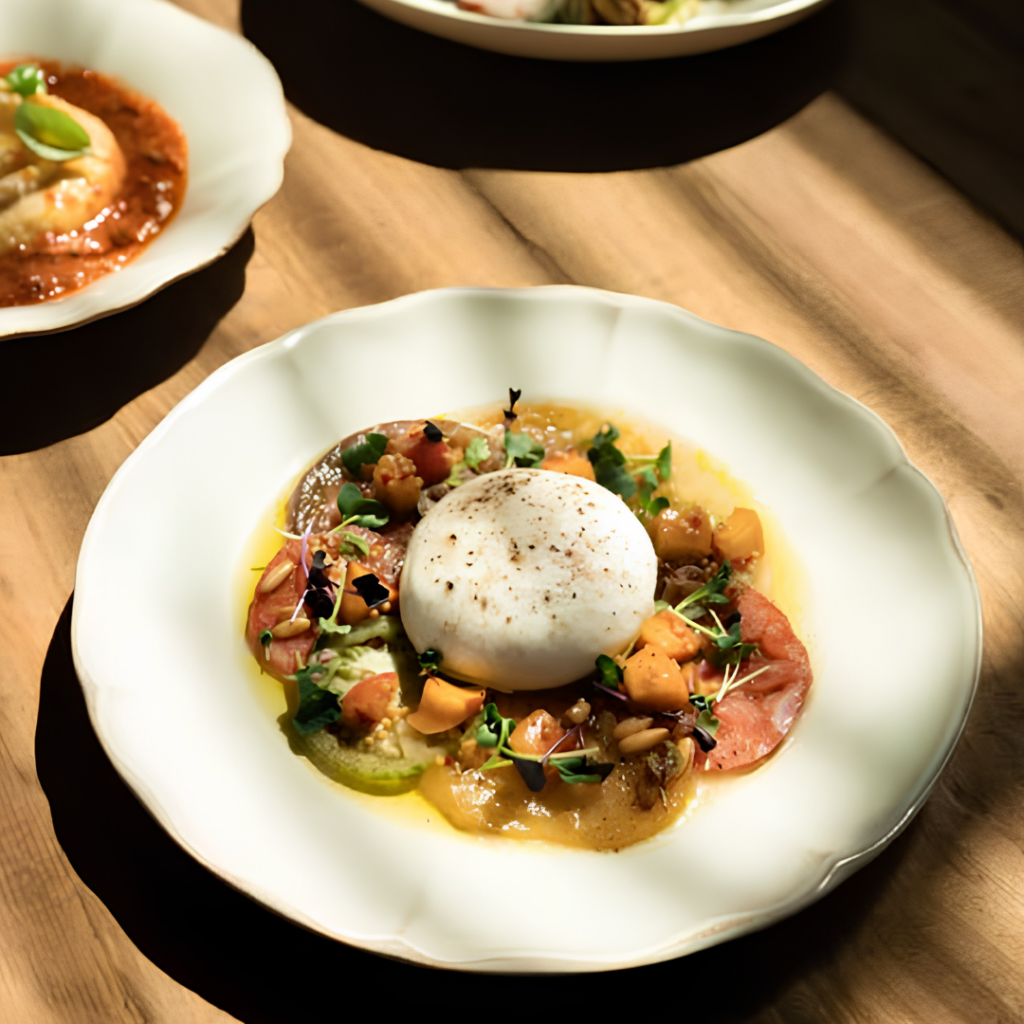
A modern and fresh interpretation of Italian cuisine with a focus on seasonal dishes. A cozy spot for intimate gatherings. Known for its burrata and fresh seafood options.
JAMIE’S ITALIAN GCC
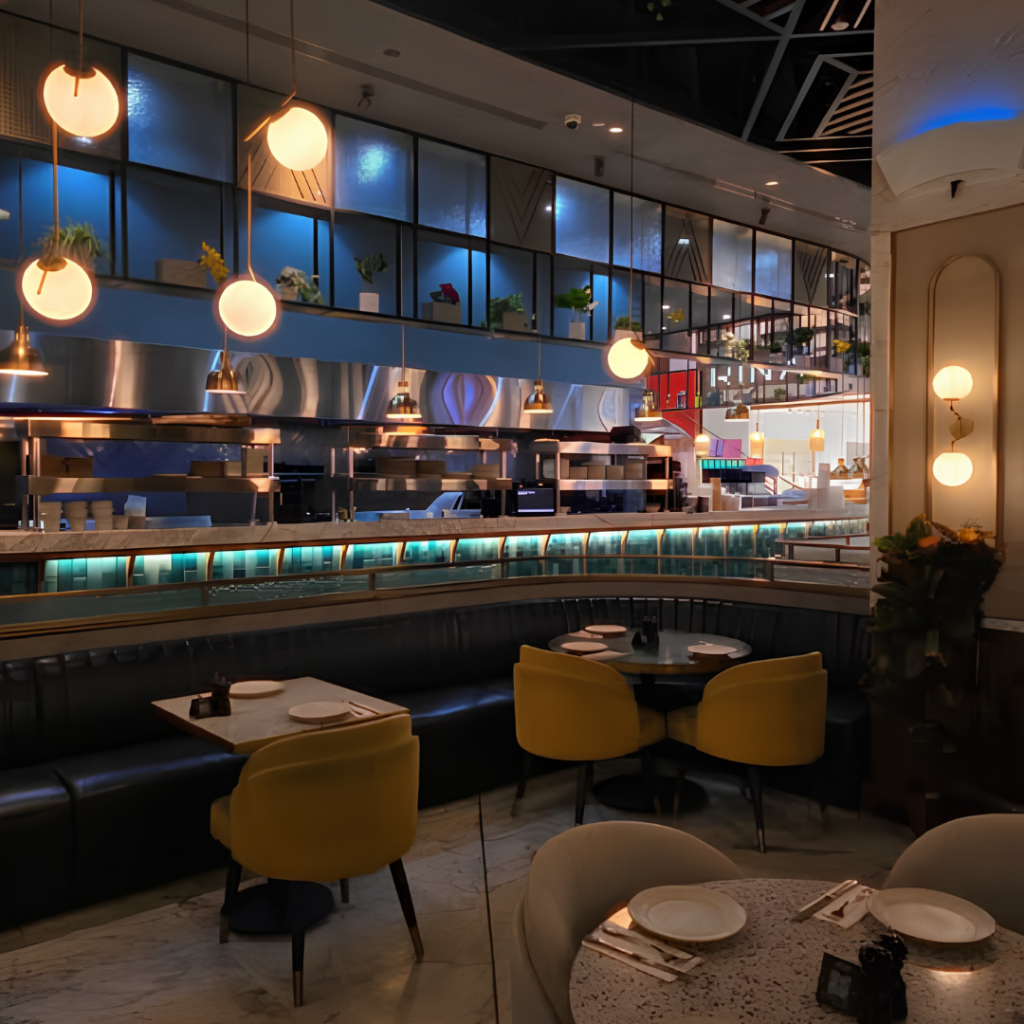
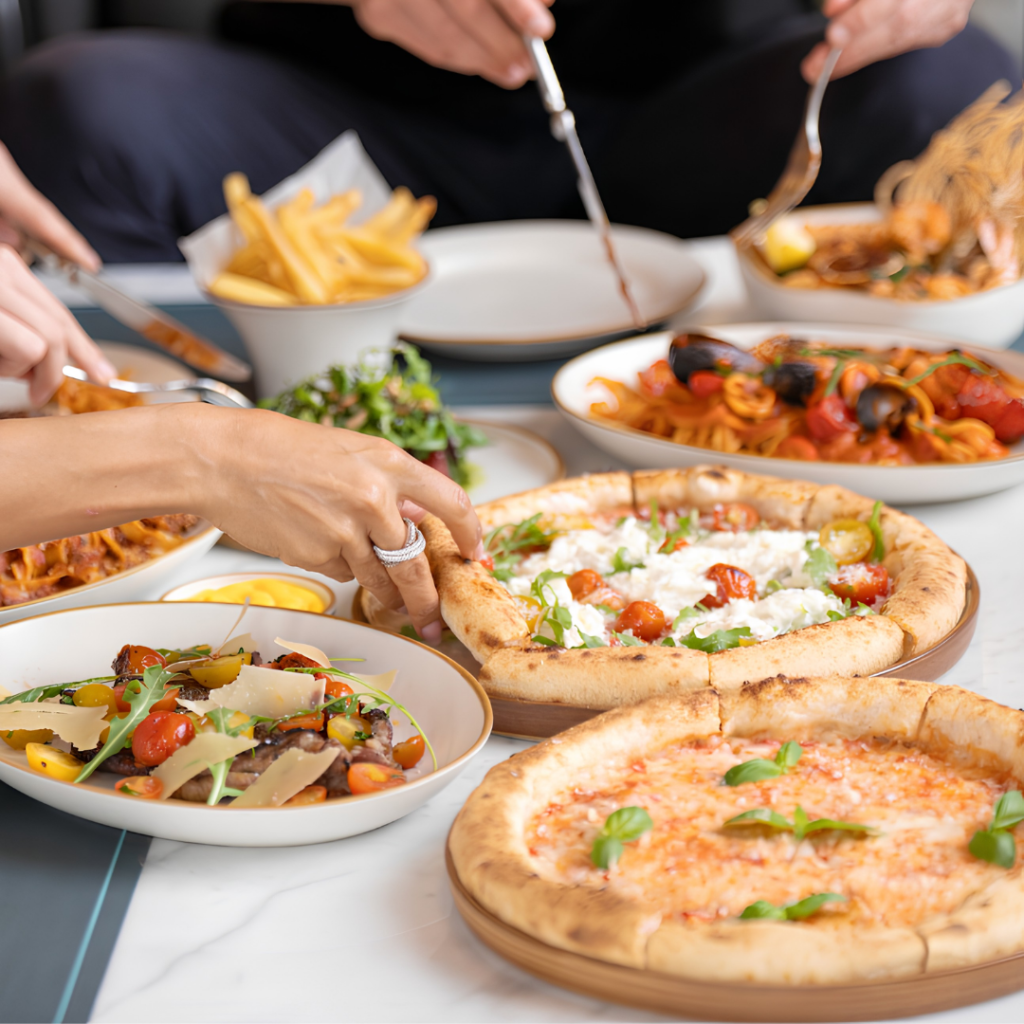
Jamie Oliver’s vibrant, family-friendly concept offering hearty Italian favorites with flair. Ideal for all ages. The handmade pastas and funky interiors create a lively vibe.
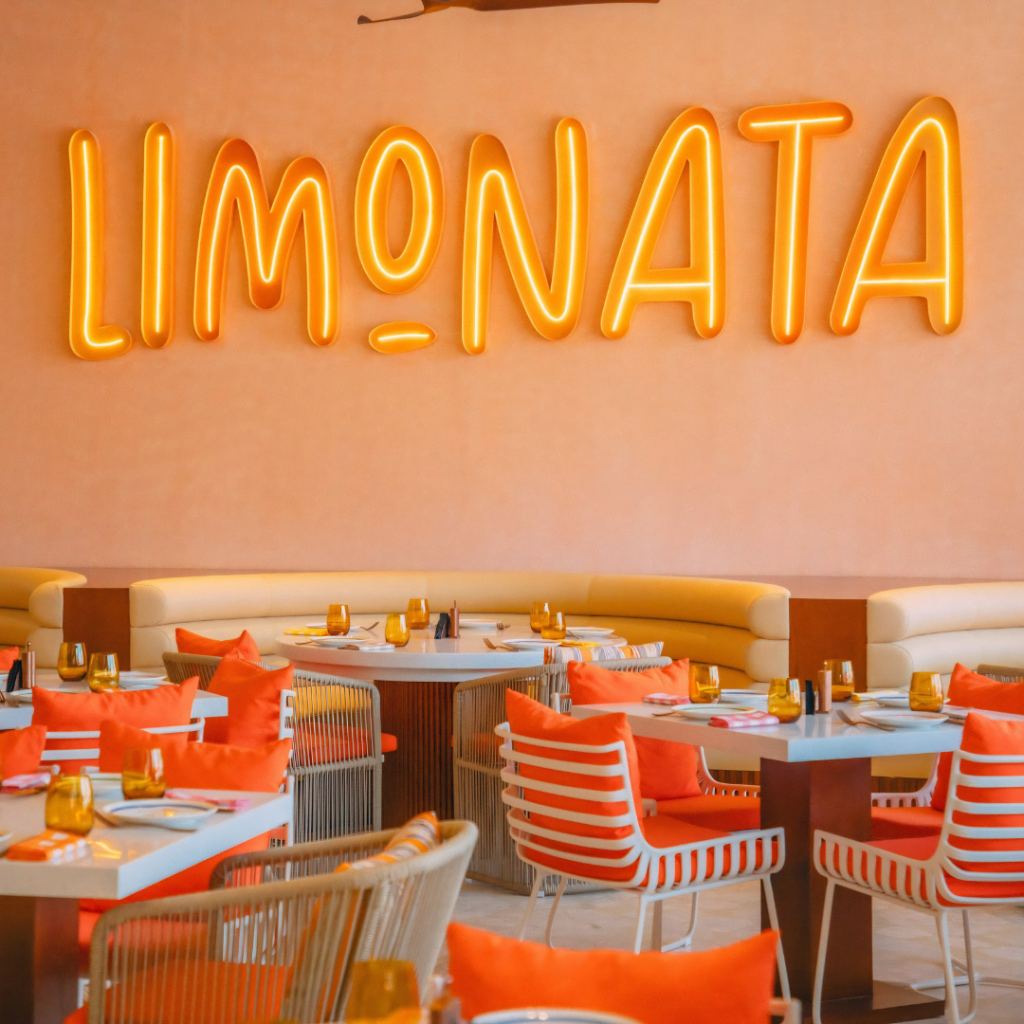
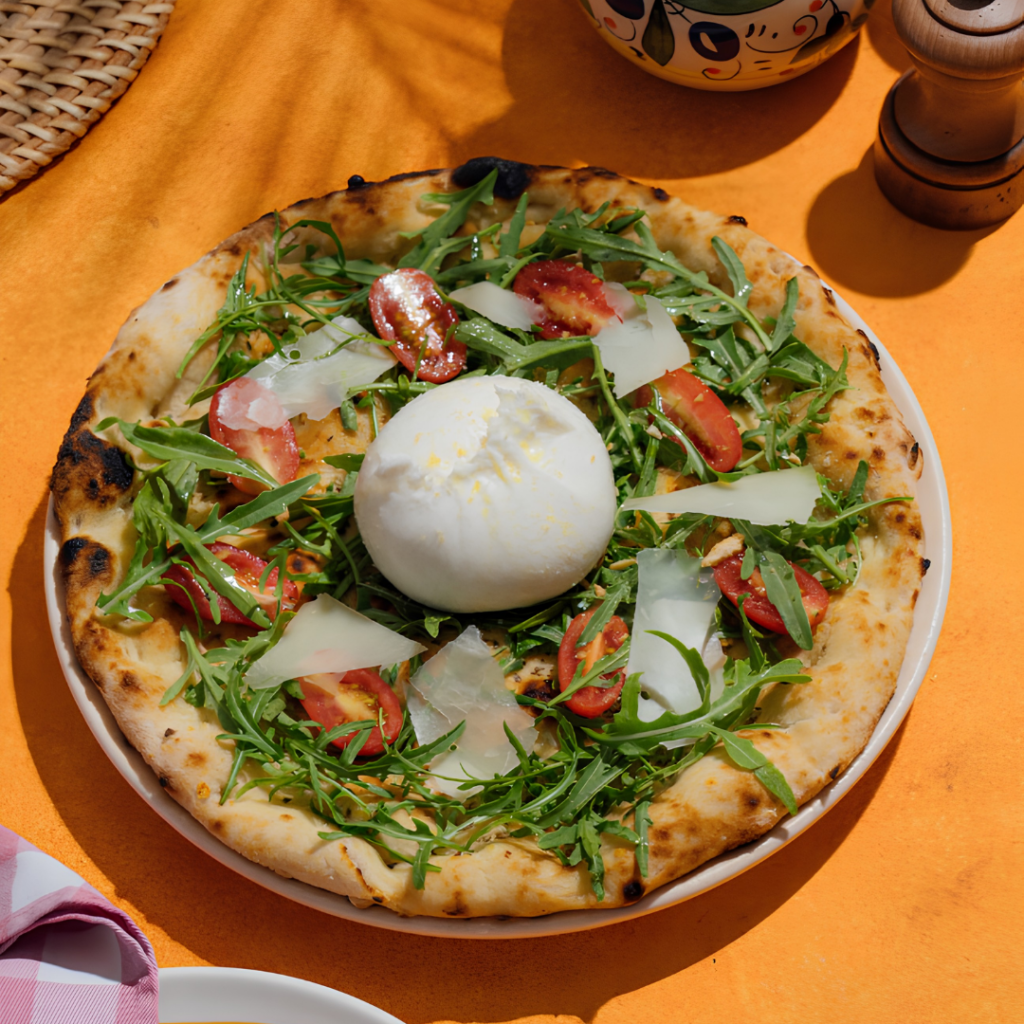
LIMONATA
Inspired by the Amalfi Coast, this beachside restaurant offers colorful plates and sunny vibes. Think seafood linguine and lemon tarts under palm trees. Perfect for relaxed afternoons.
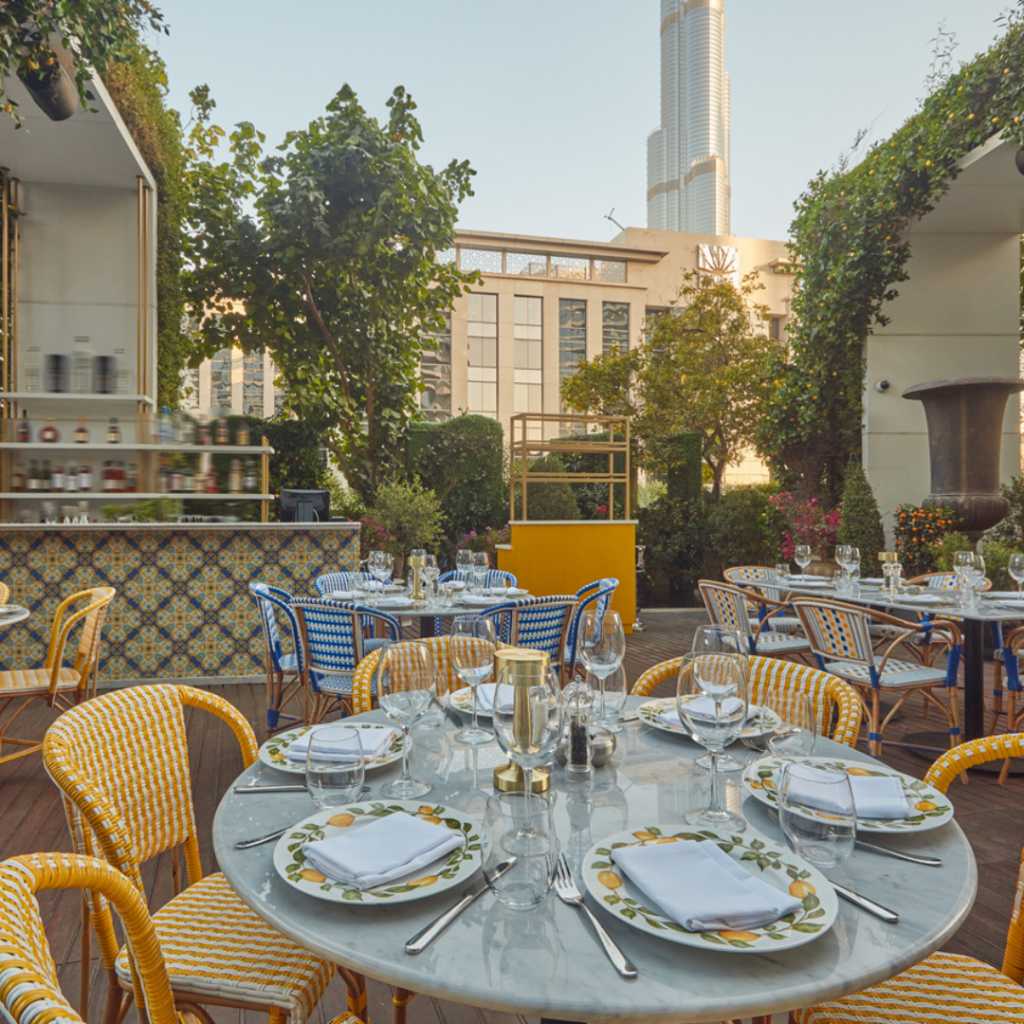
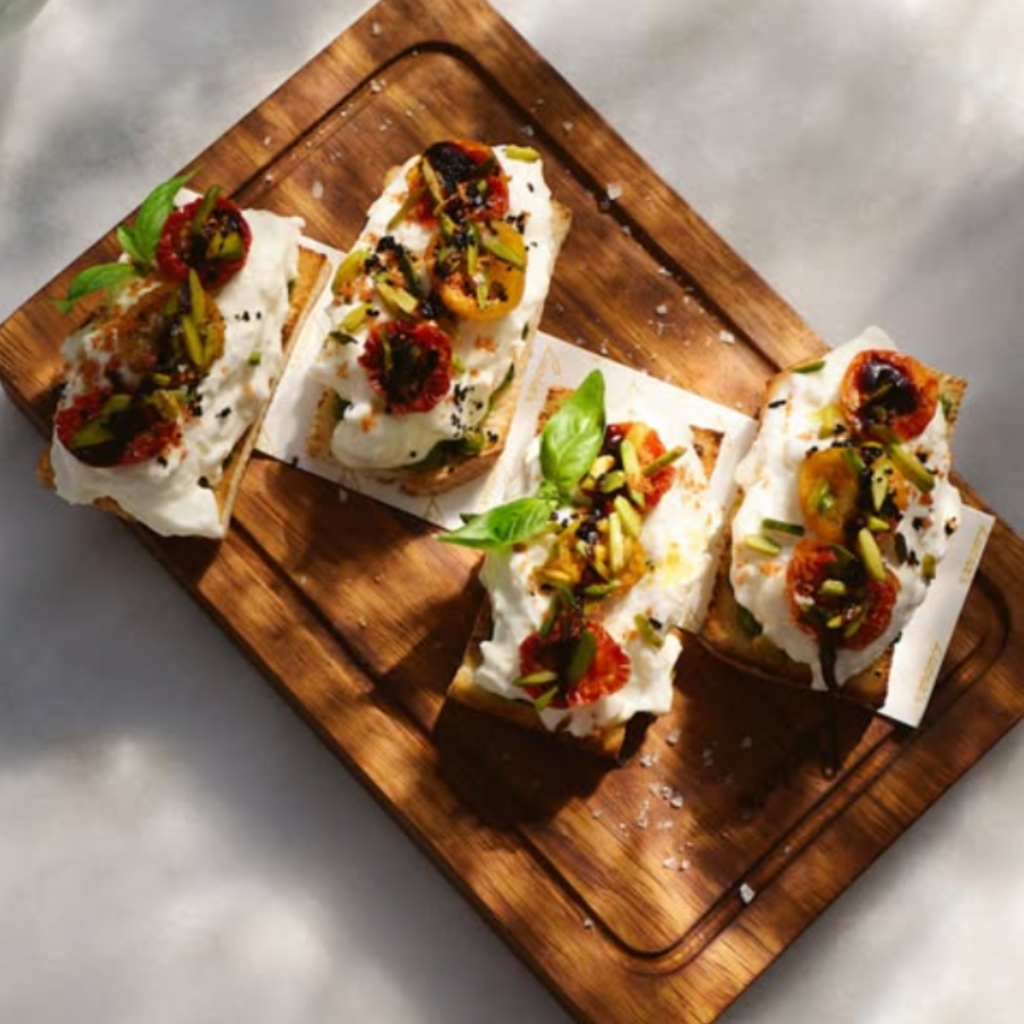
LUCIA’S
A garden-themed Italian restaurant known for its cheerful ambiance and bold, flavorful plates. The courtyard dining is a visual treat. Great for brunches and group dinners.
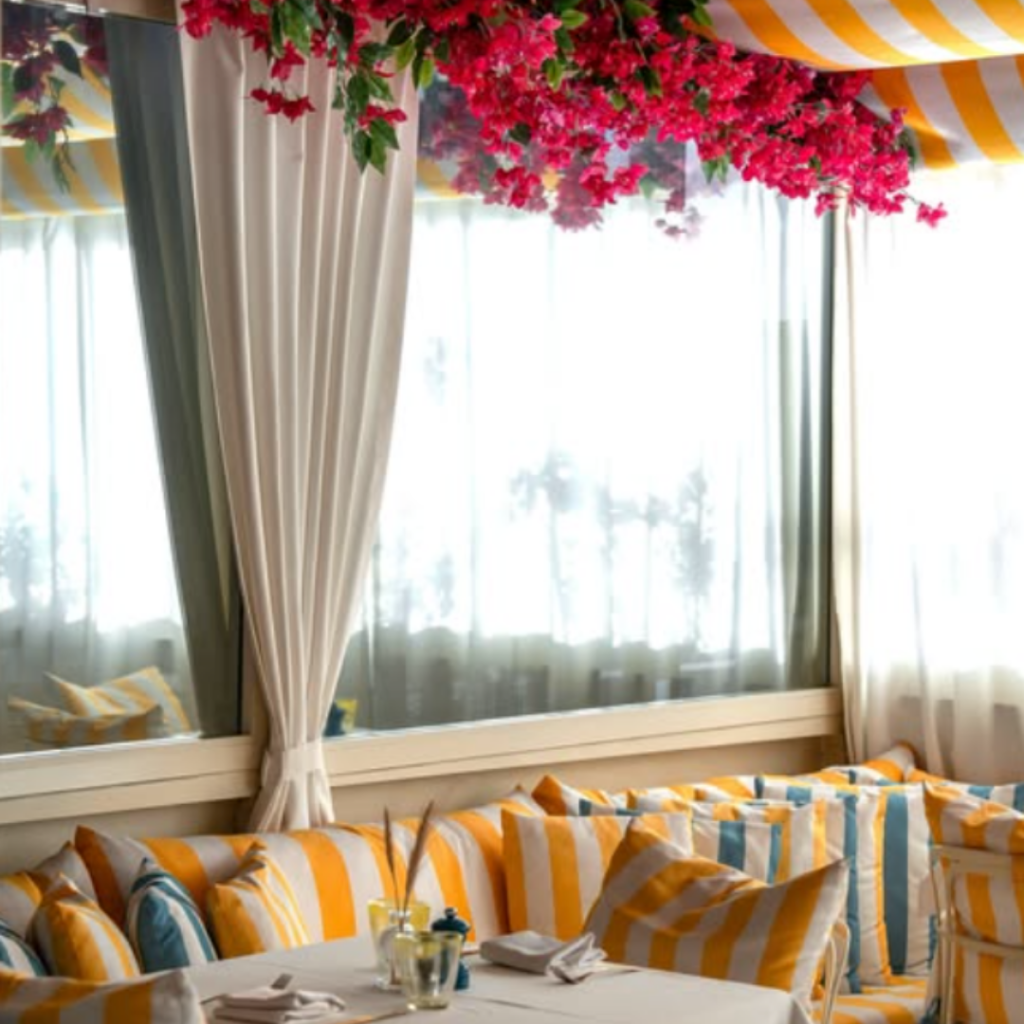
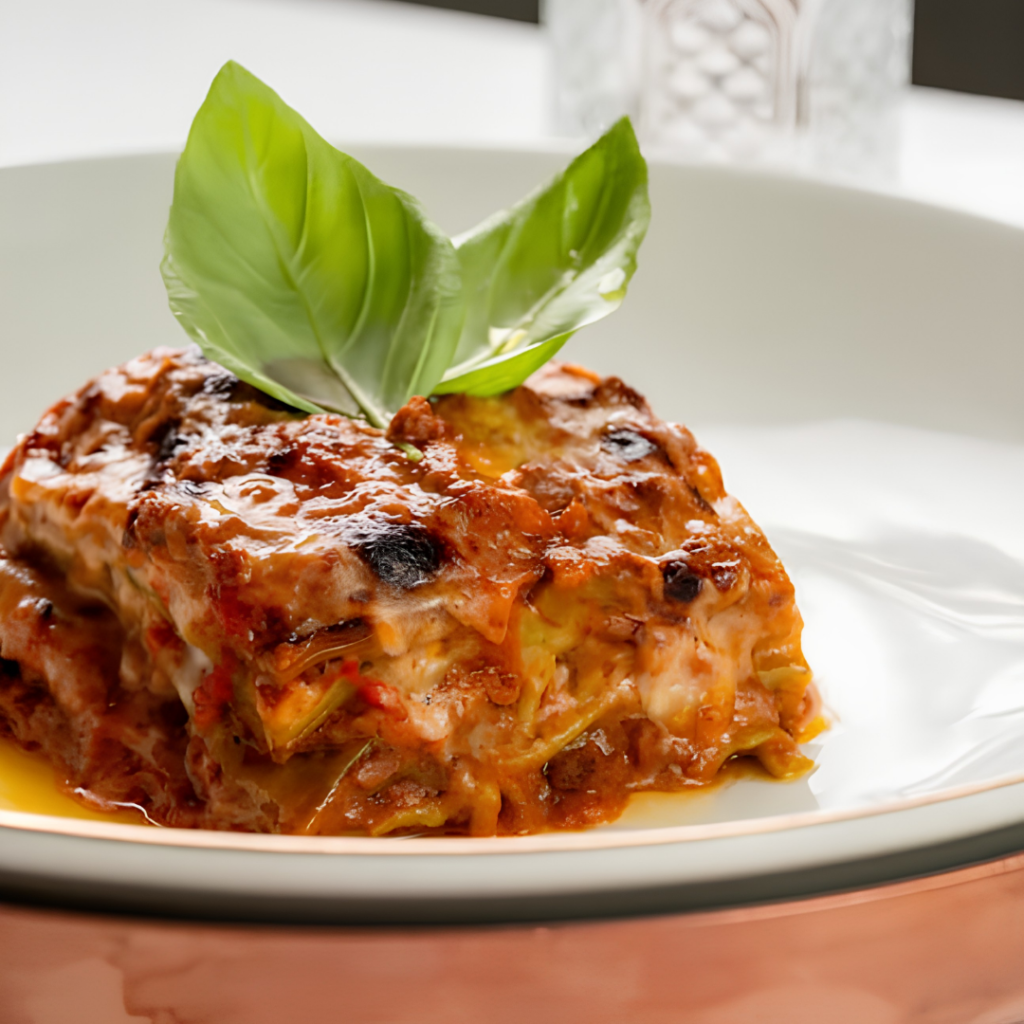
MARINI
High-end and intimate, Marini excels in traditional dishes executed with precision and grace. Elegant interiors and candlelight create a romantic setting. Try their saffron risotto and panna cotta.
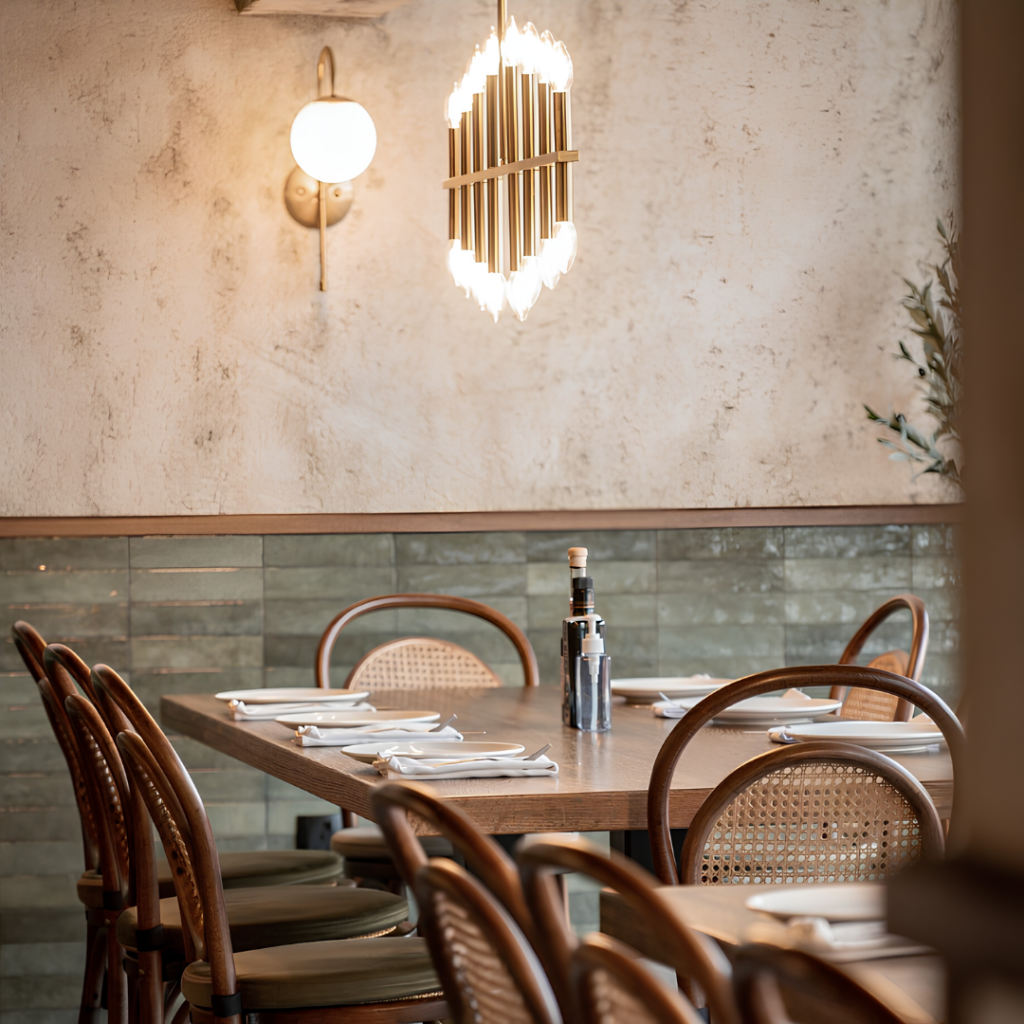
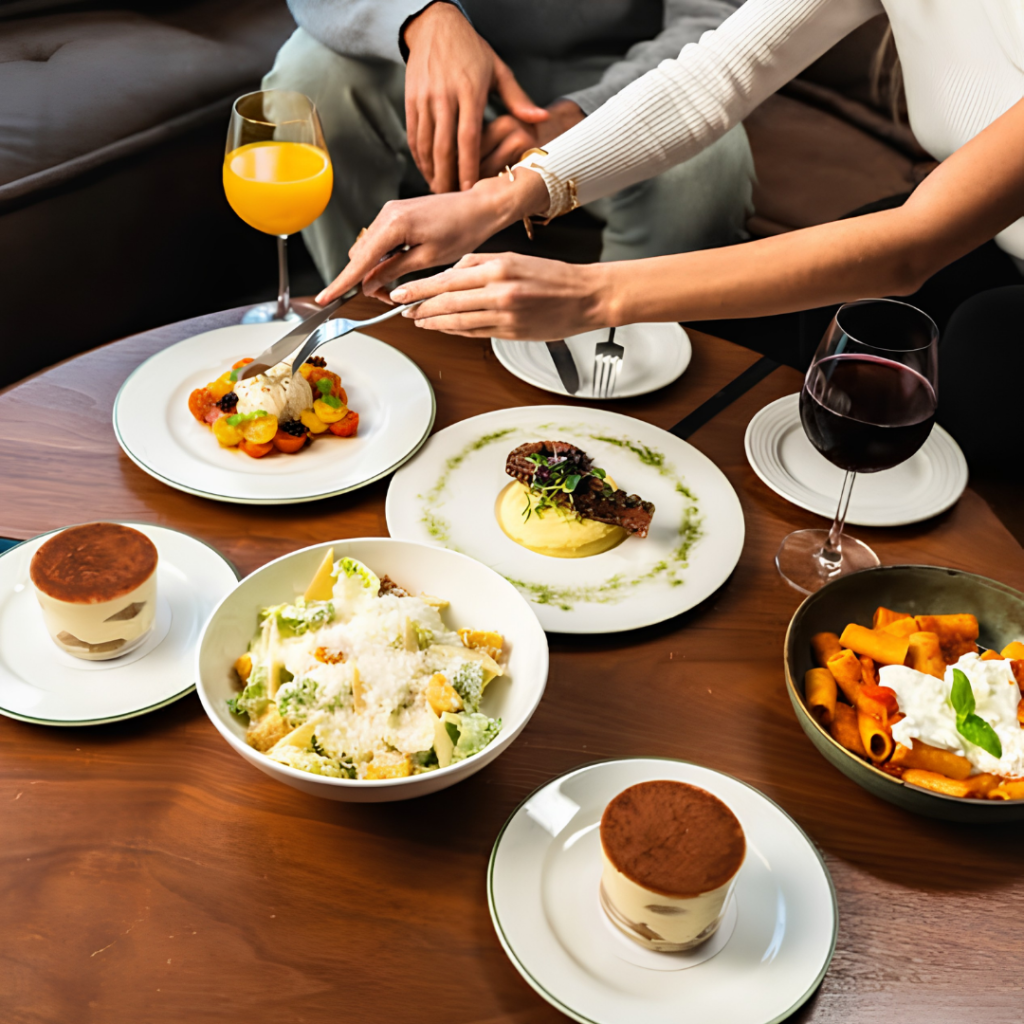
MONNO
A minimalist space with avant-garde takes on Italian cuisine, ideal for foodies and design lovers. Plating is artistic and flavors are bold. Great for culinary adventurers.
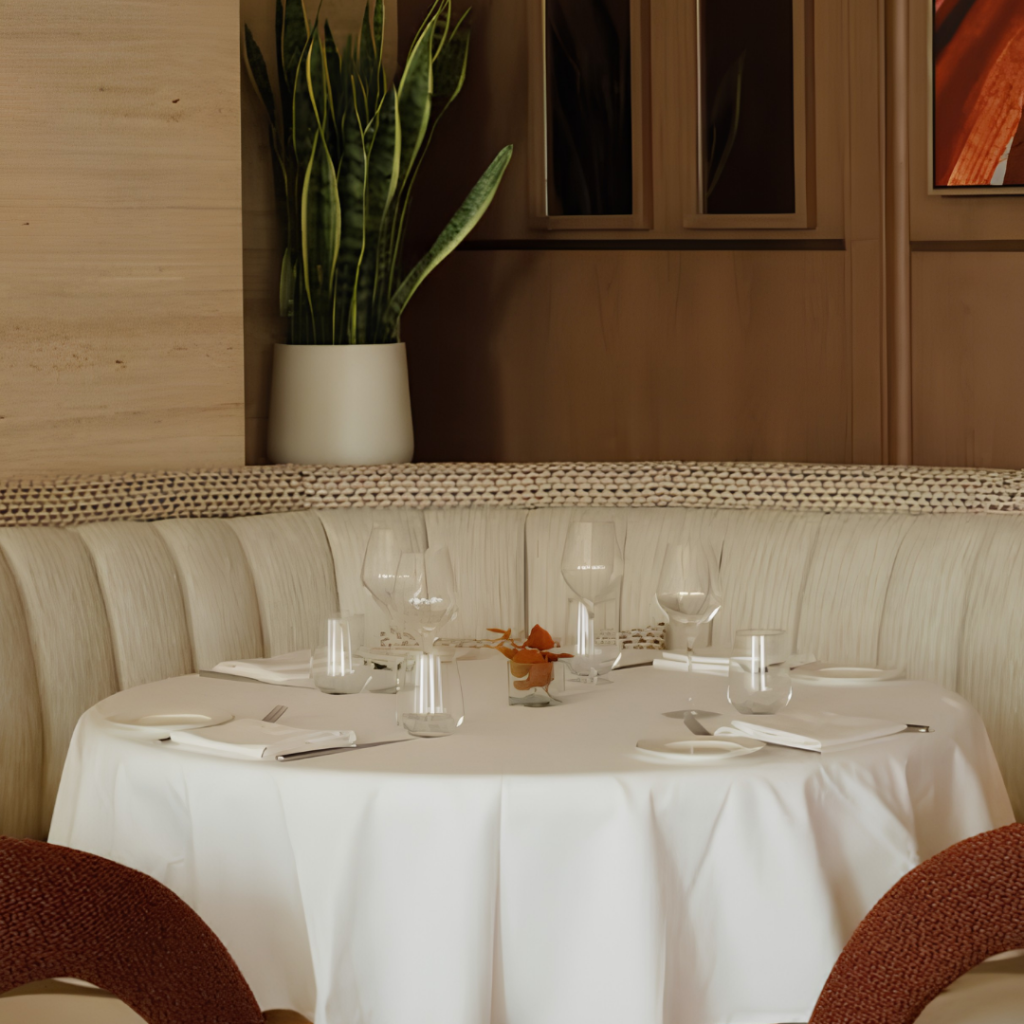
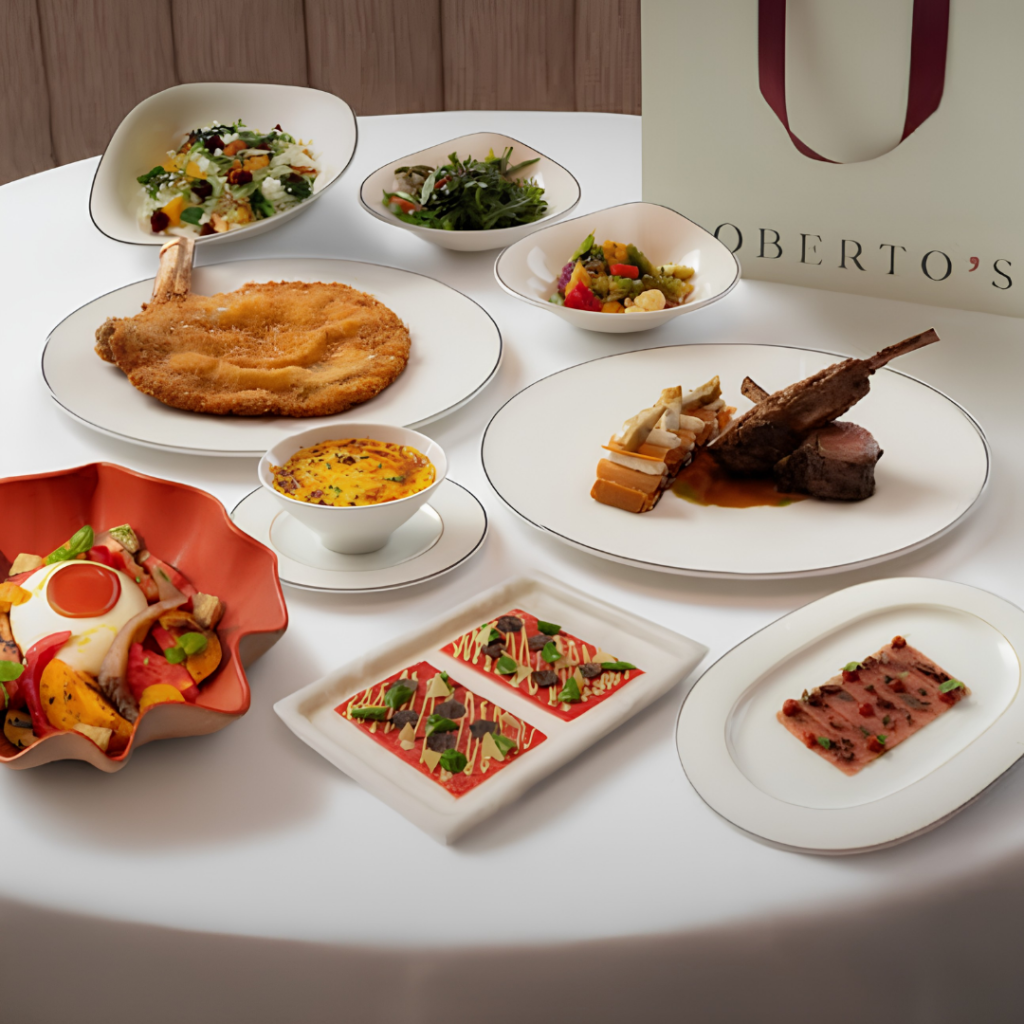
ROBERTO’S DUBAI
A culinary icon blending modern Italian flavors with Dubai’s glamorous dining scene. Located in DIFC, it’s a hotspot for the elite. The truffle pizza and seafood platters are must-haves.