


Gardening for Beginners: Easy Tips to Grow Your Own Food
Gardening is a simple, rewarding way to spend time outdoors while growing your own fresh food. Whether you have a small balcony or a spacious backyard, starting a home garden can improve your well-being, reduce grocery costs, and help you reconnect with nature. Unlike instant results from digital games, real gardening teaches patience—and delivers lasting satisfaction.
How to Start a Garden at Home
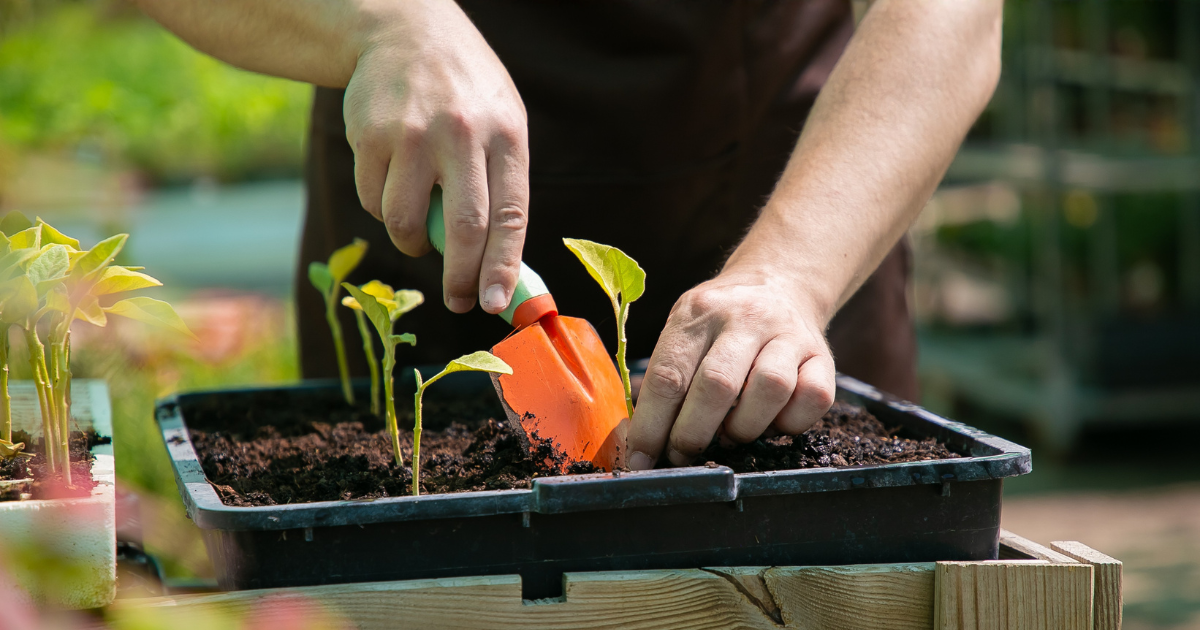
Starting a garden begins with two key decisions: what to grow and how much space you have.
- Small spaces or balconies: Try an herb garden with basil, mint, or parsley.
- Larger outdoor areas: Grow vegetables like tomatoes, cucumbers, carrots, or green beans.
Next, choose how to plant:
- Seeds: Budget-friendly but take longer to grow
- Seedlings: Faster results and easier for beginners
- Starter plants: Best for immediate progress with minimal effort
Selecting the right setup will make your home gardening experience smoother and more enjoyable.
Essential Gardening Tools for Beginners
To start gardening successfully, you’ll need a few basic tools:
- Hoe for soil preparation and weeding
- Spade for digging
- Garden rake for leveling soil
- Hand trowel for planting
- Watering can or hose for irrigation
- Sprayer for pest control
- Seeds, seedlings, or starter plants
- Fertilizer or compost for healthy growth
Investing in quality tools can make gardening easier and more efficient.
Easy Vegetables and Plants to Grow at Home
If you’re new to gardening, start with low-maintenance crops that grow quickly:
Carrots
Grow best in cool weather and mature in about 60 days. Ideal for direct sowing.
Sunflowers
Fast-growing and visually striking, they sprout in about a week and bloom in 8 weeks.
Lettuce
A beginner-friendly crop that grows quickly (7–10 days to germinate) and thrives in moist soil.
Radishes
One of the fastest vegetables to grow, ready in just a few weeks and perfect for beginners.
Cherry Tomatoes
Great for containers, these thrive in full sun. Using seedlings speeds up the process.
Best Gardening Tips for Success
1. Start small
Avoid overwhelm by beginning with a manageable garden size.
2. Use quality soil and compost
Healthy soil is the foundation of a productive garden.
3. Water consistently
Regular watering is essential, especially during early growth stages.
4. Be patient
Plants take time to grow, but the results are worth the wait.
5. Harvest and enjoy
Use your homegrown produce in meals or share it with others—gardening is both practical and fulfilling.
Why Gardening Is Worth It
Home gardening is more than just a hobby—it’s a sustainable lifestyle choice. It promotes healthier eating, reduces stress, and gives you control over what you grow and consume. Whether you’re growing herbs indoors or vegetables outdoors, gardening is an accessible and deeply satisfying activity for beginners and experienced growers alike.
OTHER ARTICLES YOU MAY LIKE