




WHAT’S NEW |
MULTI-EVENTS U.S. BEEF PROGRAM BUILDS DIVERSE SKILLS AND CULINARY VIBRANCY AMONG EGYPTIAN CHEFS
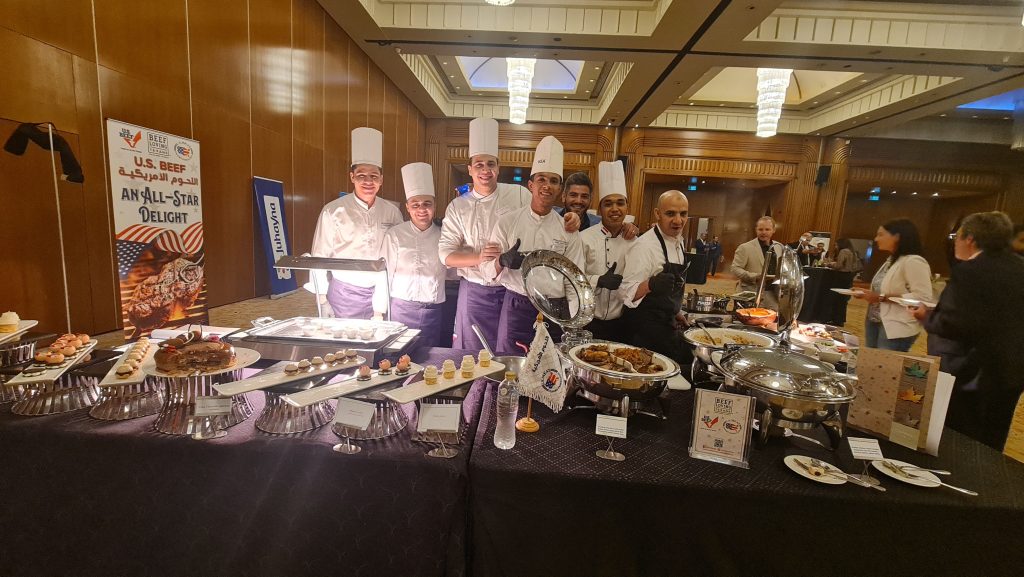
U.S. Meat Export Federation (USMEF) and the Texas Beef Council (TBC), in partnership with the Egyptian Chefs Association, launched a dynamic multi-event program to bolster Egypt’s burgeoning hospitality industry through technical seminars, hands-on trainings, and competitions.


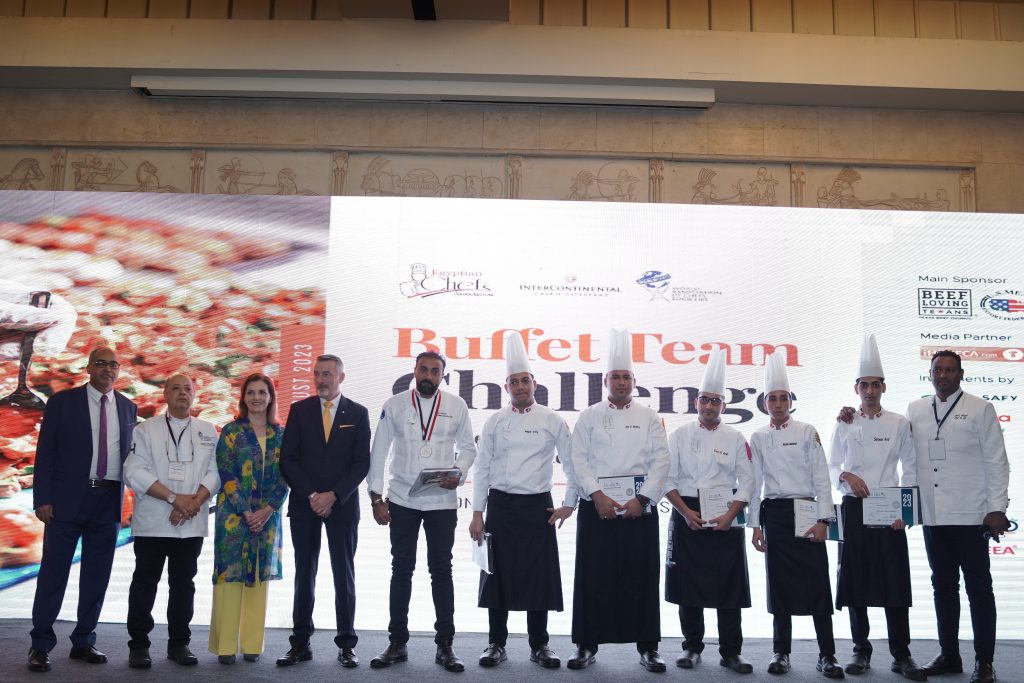
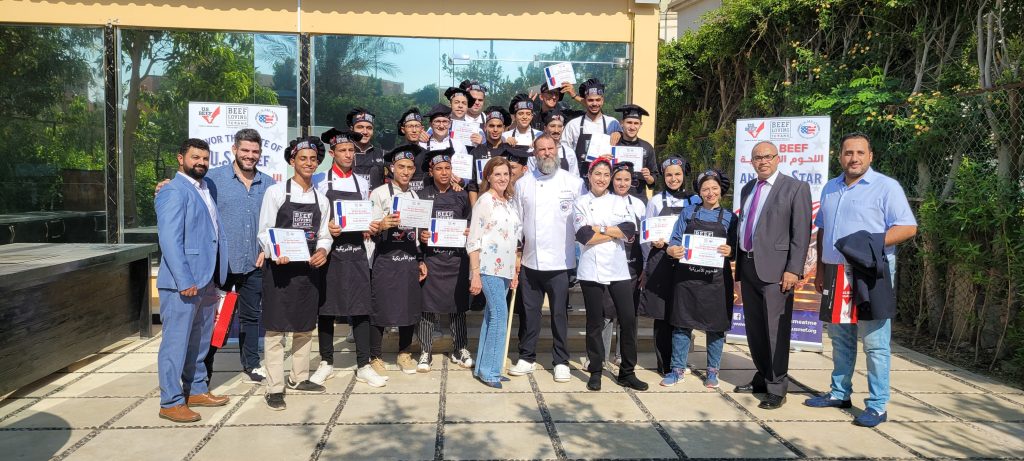
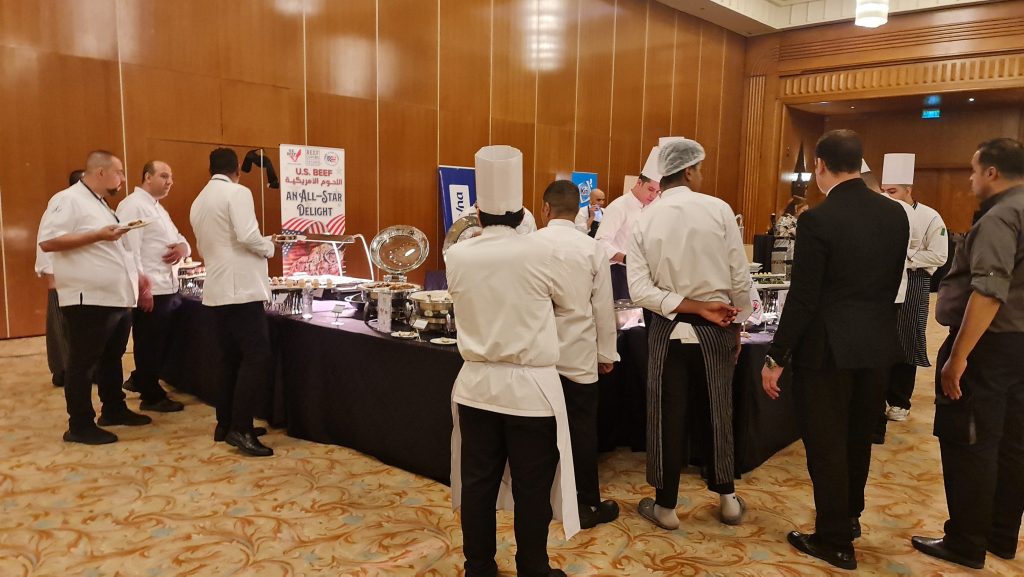
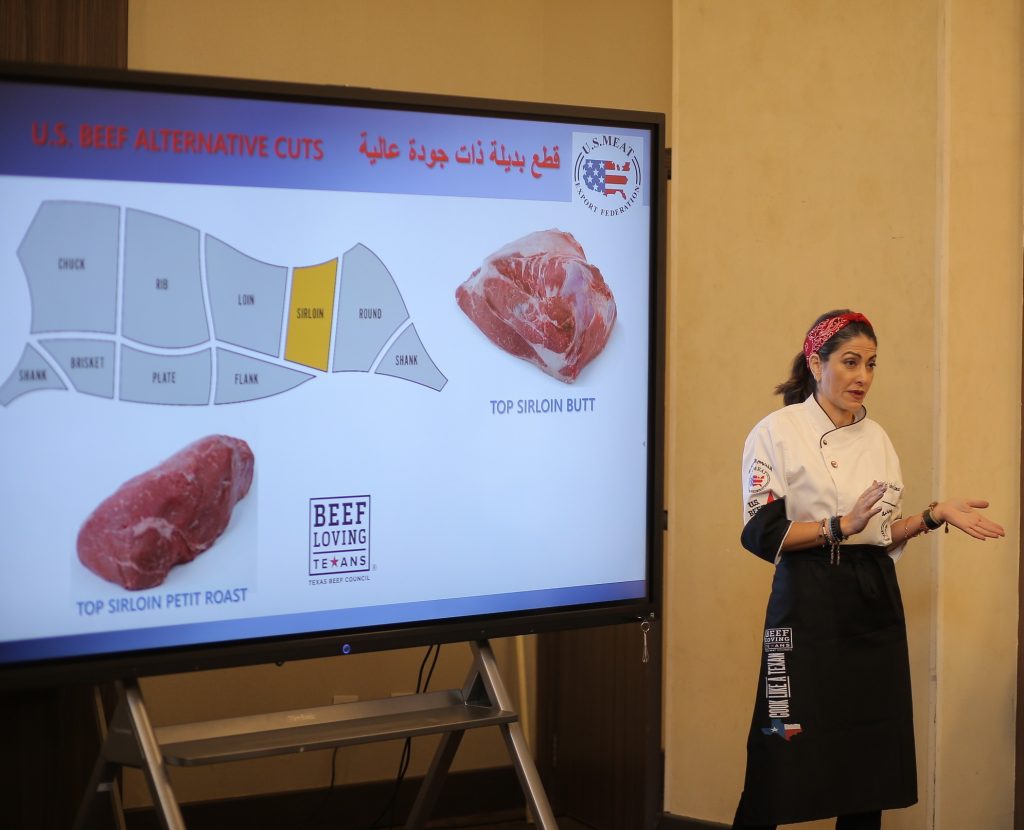
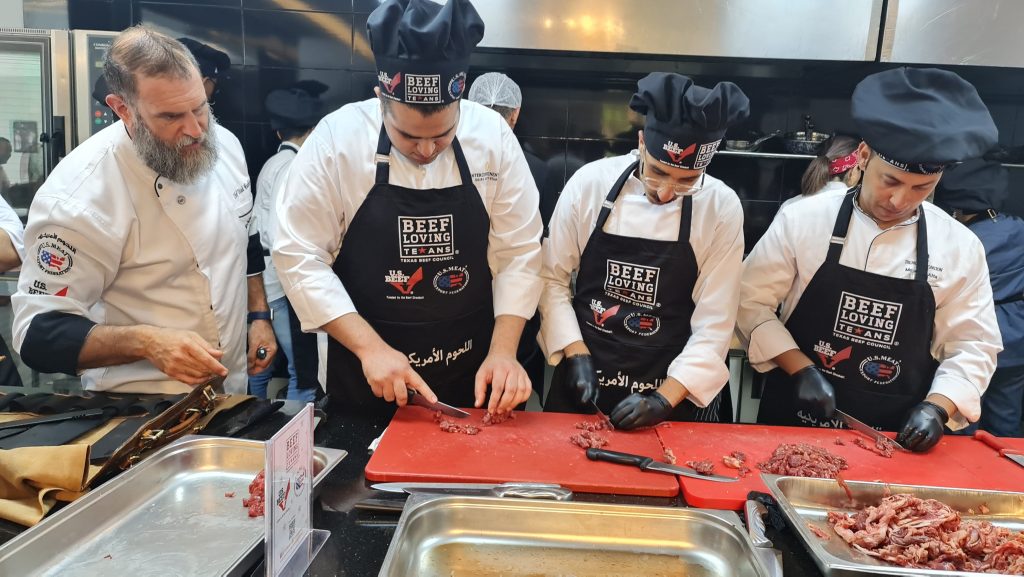
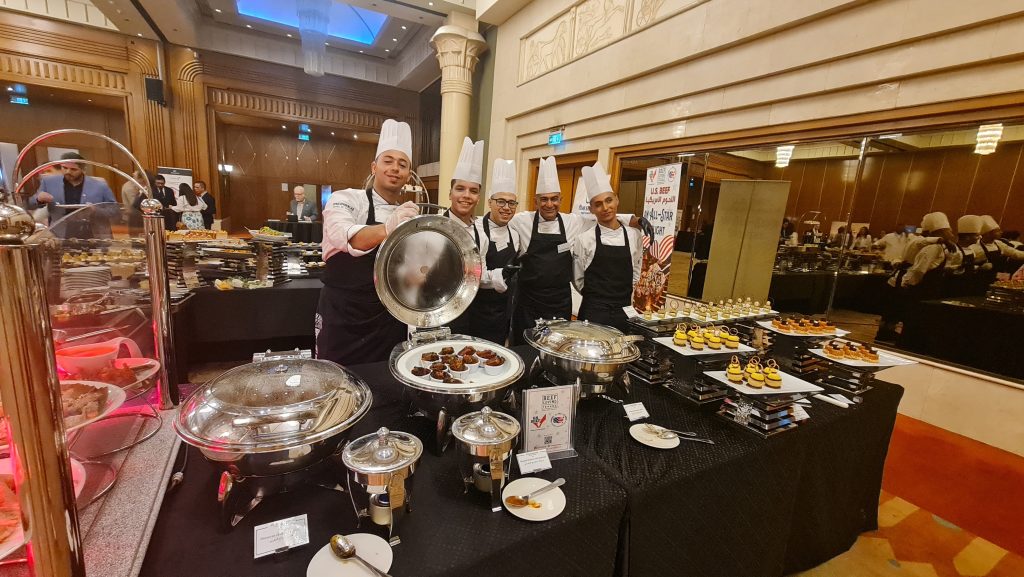
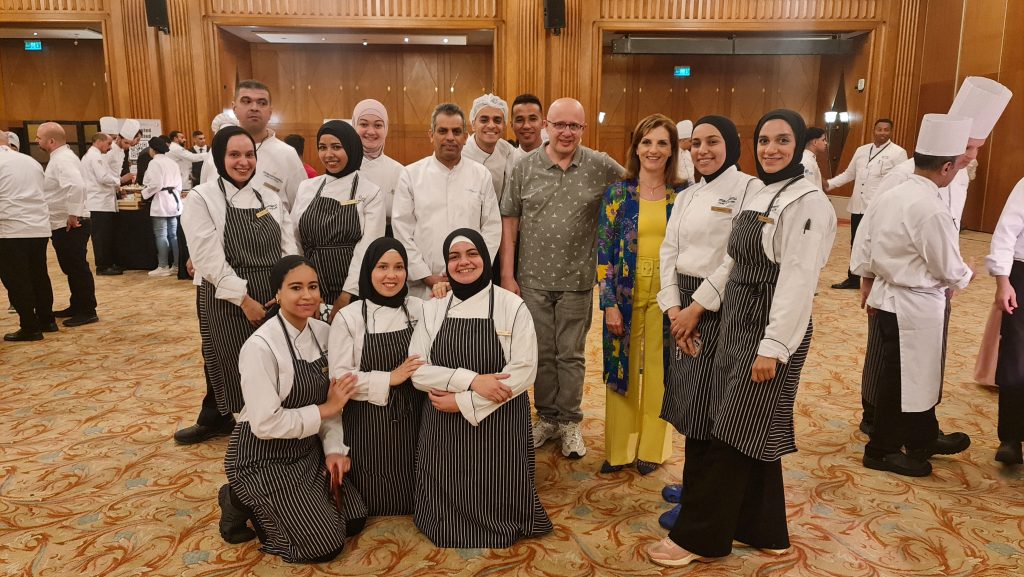
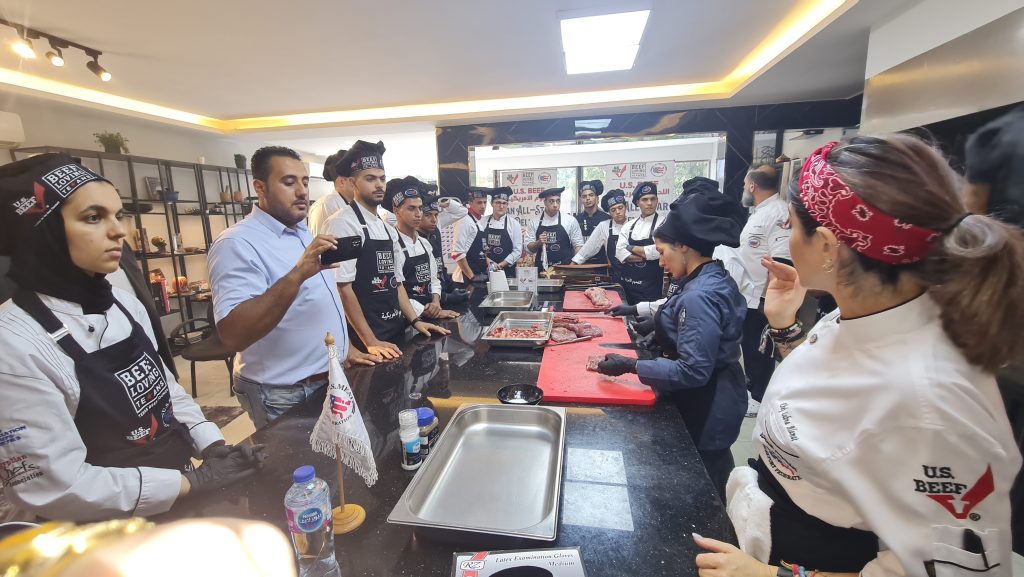
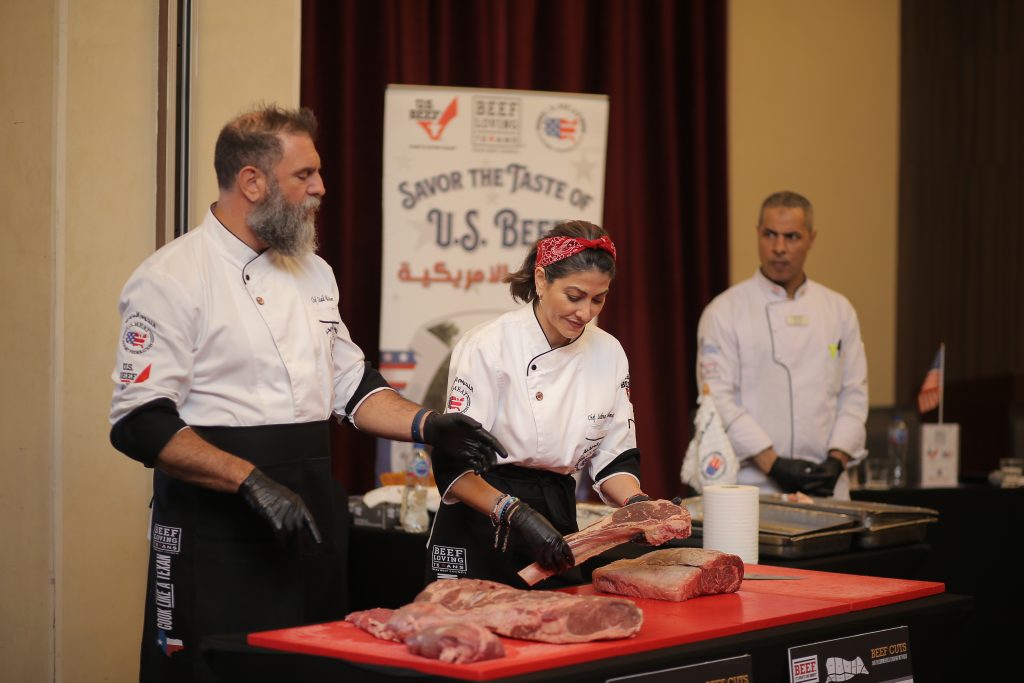
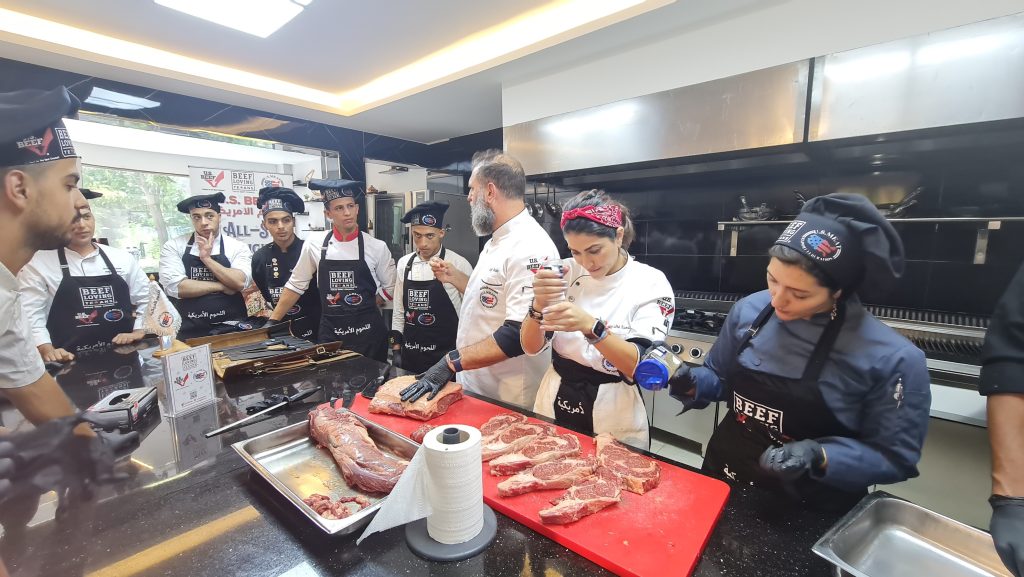
A culinary voyage commenced at Modern Culinary, where 25 talented young chefs delved into the world of U.S. beef. Through an immersive U.S. beef masterclass and hands-on training, they embarked on an exceptional educational journey.
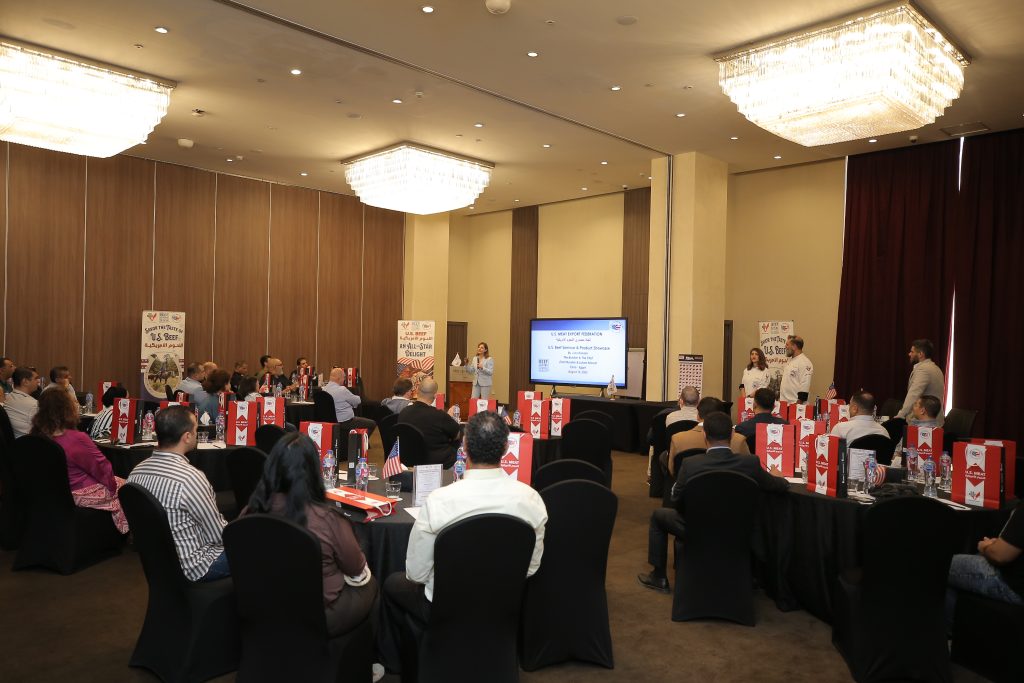
The adventure continued at the prestigious Steigenberger Hotel, uniting 60 top-tier executive chefs, F&B directors, hotel/restaurant managers, foodservice operators, and traders.
Under the guidance of Head Chef Lubna Alamat and Head Butcher Ziad Muasher, with coordination by USMEF Representative Lina Kanaan, participants immersed themselves in cutting-edge cookery demonstrations and explored diverse scientific and technical topics.
During these enlightening sessions, participants compared tenderloin and striploin, emphasizing the role of ribeye in the grading system. Discussions clarified terminology distinctions, correlated grading with USDA stamps, and addressed packaging differences.
Beyond theory, chefs mastered precise steak portioning and expert reverse-searing techniques. They actively participated in hands-on activities, including trimming and portioning U.S. beef cuts.
Concepts like resting and carry-over cooking were highlighted, along with insights into flank steak’s unique characteristics and the importance of cutting against the grain.
Marinades, dry rubs, and culinary techniques were explored, including smoking briskets and the art of low and slow cooking, showcasing U.S. beef’s versatility, even with lesser-known cuts like braised short ribs.
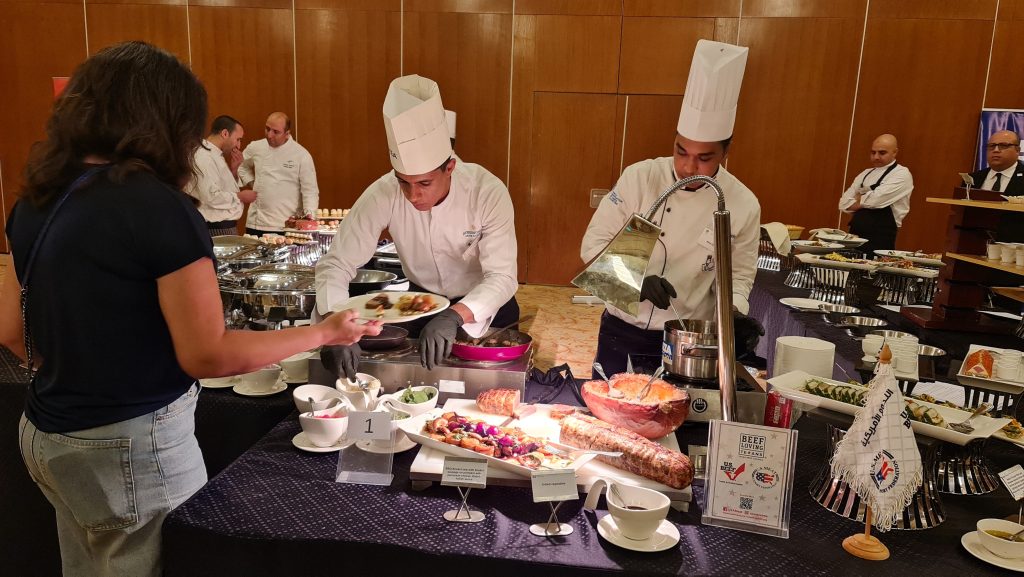
Upon mastering these culinary applications, participants enjoyed a hands-on carving and tasting session, featuring expertly prepared cuts, from succulent short ribs to perfectly Reverse Seared Ribeye and Striploin Steaks, all served in rich, savory gravy.
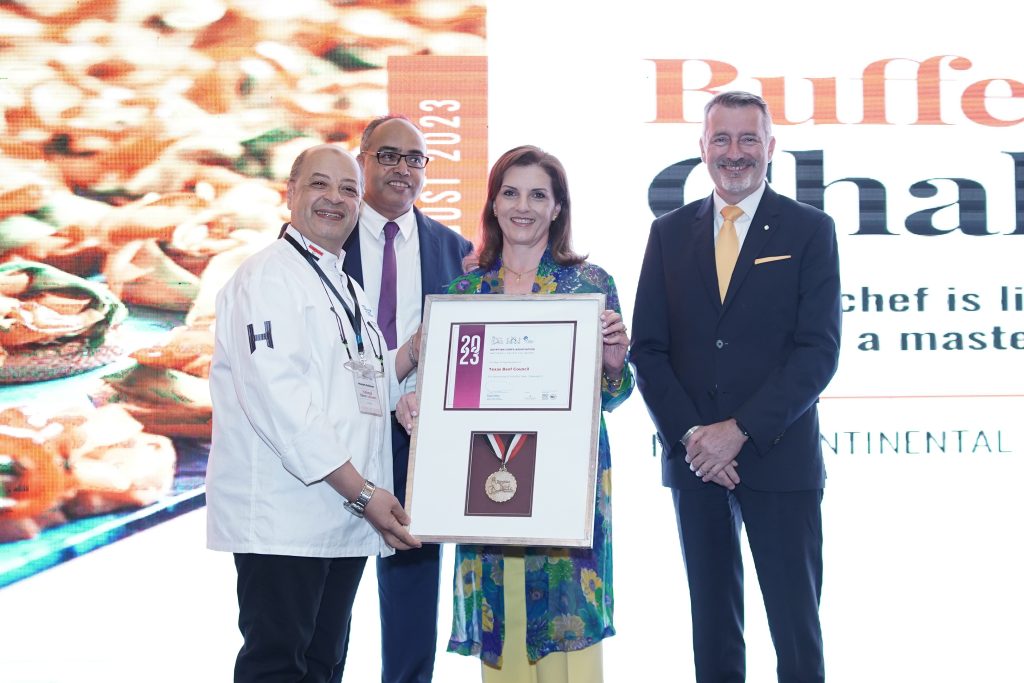
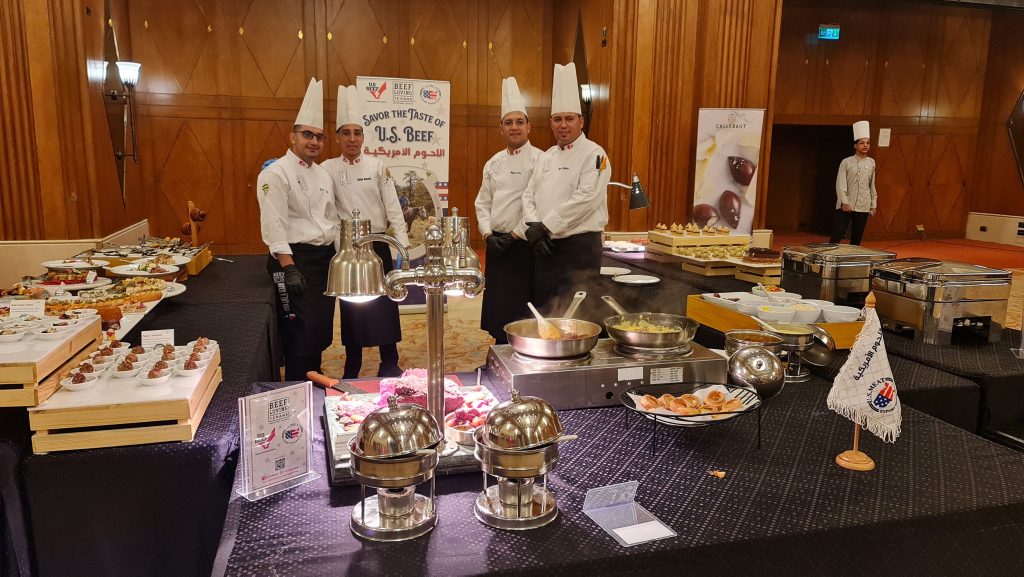
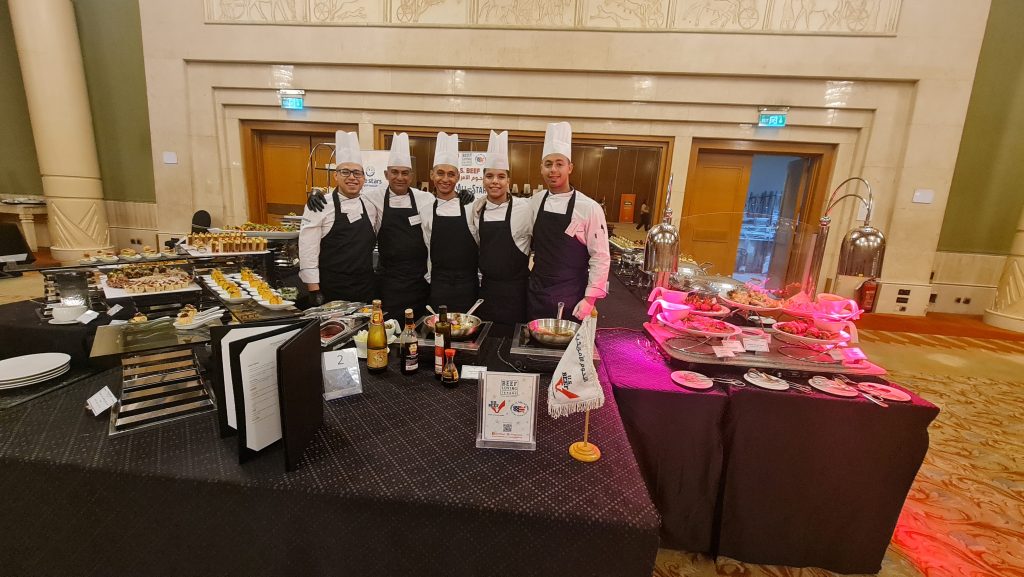
This culinary journey received invaluable support from USMEF and TBC, extending to the highly anticipated Hotels’ Buffet Challenge 2023, hosted by the esteemed Egyptian Chefs Association (ECA) at the InterContinental City Stars Hotel.
Renowned chefs from various hotels showcased their talents, with Steigenberger Hotel’s team, led by Chef Hossam Soleiman, claiming the first place.
The grand finale included an unforgettable Award Ceremony, where USMEF and TBC awarded challenge cups, medals, trophies, and custom-made butcher’s knives to winners, recognizing their remarkable achievements.
This partnership with ECA showcased diverse U.S. beef muscle cuts in the Egyptian market, highlighting their quality, taste, and tenderness.
Sponsored by USMEF and TBC, it promises a pivotal role in the success of the Hotels’ Buffet Challenge 2023, marking a significant milestone in Egypt’s culinary landscape.

INTERVIEW |
1. Tell us about your journey into the culinary world.
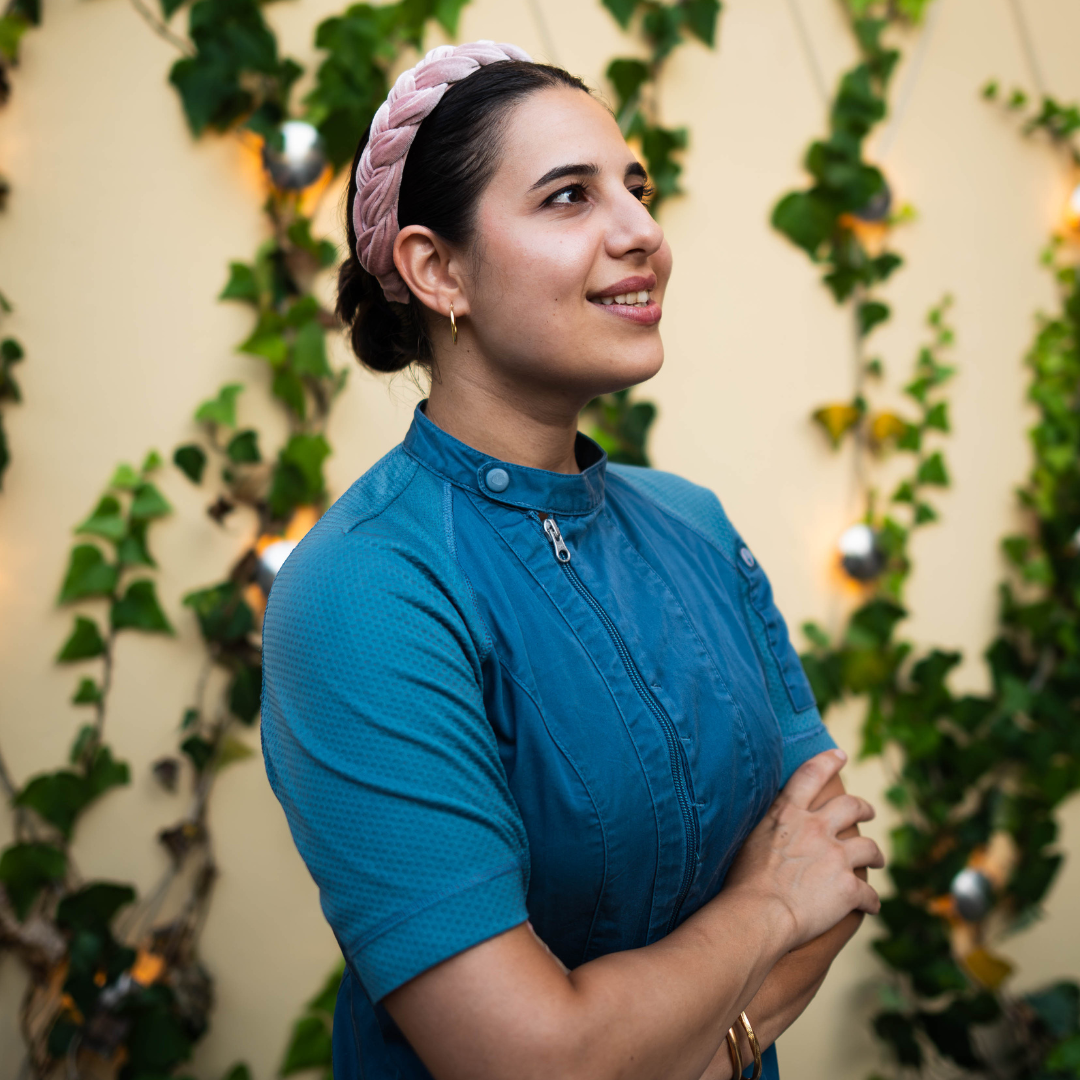
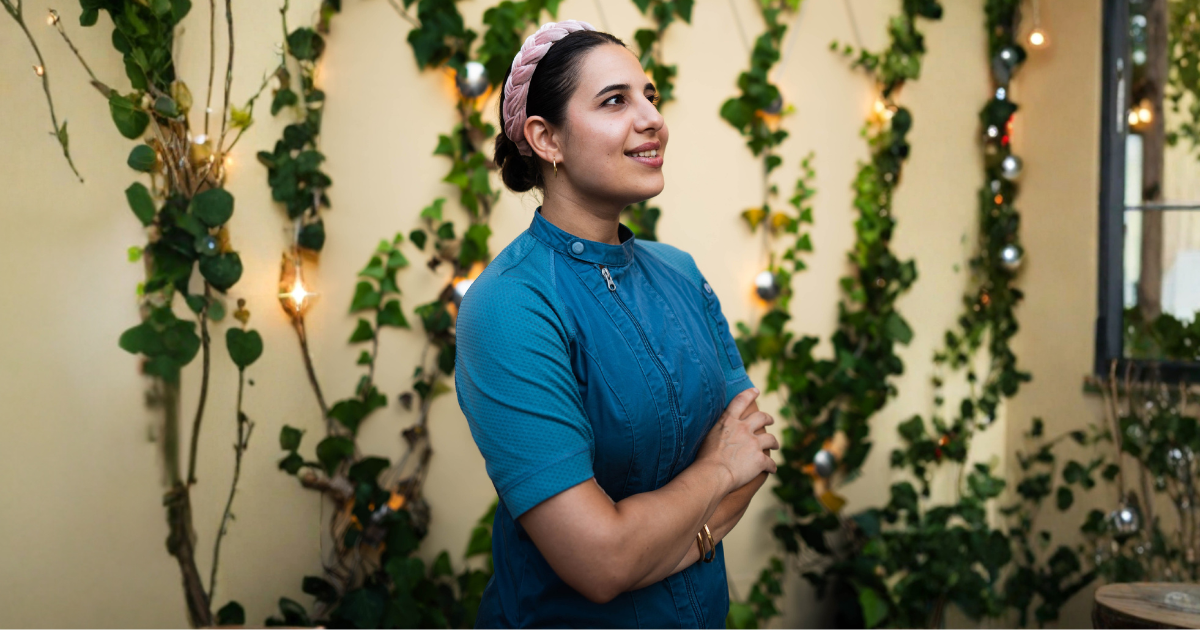
I’ve always dreamed of becoming a chef. I studied Hospitality Management in Lebanon and then moved to Spain, where I completed internships in Michelin-starred restaurants throughout my studies. After earning my degree, I pursued a diploma in Gastronomy and continued my training in Spain. Those experiences shaped my culinary philosophy and helped me develop a strong sense of pride in Lebanese products, culture, and identity.
2. What were some of the milestones in your career before opening Time Etc.?
I participated in the S.Pellegrino Young Chef competition and won the Acqua Panna Award. Later, I co-founded Beit Kanz and Kanz in Lebanon. I then moved to Dubai, where I worked as Head Chef for a hospitality company. Throughout my career, I was involved in multiple restaurant openings. After six openings, my partner and I finally decided it was time to create our own concept, which became Time Etc.
3. Why did you decide to become a chef?
It’s actually a funny story. Most chefs say their mothers inspired them because of their cooking. In my case, it was the opposite. My mother worked very hard and was always busy helping my father with work, so cooking wasn’t a priority at home. Since I didn’t particularly enjoy the food she made, I started going into the kitchen to prepare things I liked myself. That’s how I discovered my love for cooking and eventually developed the dream of becoming a chef.
4. What does a typical day look like as a chef-owner?
Every day starts with managing suppliers, organizing kitchen preparations, and coordinating the team. I oversee everything from prep schedules to service operations. Then there are the unexpected challenges that come with running a business. In hospitality, there are always surprises and obstacles that need immediate attention, many of which have nothing to do with the kitchen itself.
5. How has the food and beverage industry changed since you started?
I entered professional kitchens nearly 12 years ago, and the industry was very different. There were fewer restaurants opening, and career progression felt more structured. I started from the bottom and worked my way up. Back then, I believed that if I worked 18 hours a day, I could gain a year’s worth of experience in less time and move forward faster.
Today, the industry is much more competitive and fast-paced. While competition is healthy, there’s often less patience for the process of learning and growth. Globally, we’re facing challenges related to employee development, career expectations, and maintaining quality and culture in what we serve.
6. What keeps you motivated despite the challenges?
Running a restaurant comes with many struggles, but the feedback from our guests constantly reminds us why we started. Seeing people connect with our food and our vision makes all the hard work worthwhile.
7. What advice would you give aspiring chefs?
Try to tune out some of the noise from social media and reconnect with the reason you chose this profession in the first place. Cooking is a demanding career that requires time, patience, and dedication, but it’s incredibly rewarding in the end.
8. What has shaped your culinary identity?
Spain had a huge impact on me. I noticed that in Spain, out of every hundred local restaurants, you might find one serving foreign cuisine. When I returned to Lebanon, I realized we had the opposite situation. That made me want to preserve and celebrate our culinary heritage.
My goal is not to reinvent Lebanese cuisine unnecessarily, but to showcase it authentically through its products, traditions, preservation methods, stories, and techniques. Every ingredient has a history, and I believe those stories deserve to be told.
9. Why did you and your partner Sally decide to open Time Etc.?
Sally and I always dreamed of opening our own place. We share a deep connection to our identities and wanted to create a space that reflects our culture through both food and drinks. Throughout all the challenges Lebanon has faced, including war and economic struggles, we never wanted to leave. We wanted to invest our experience and energy here, in our own country.
Time Etc. is our way of creating something meaningful, a place where guests feel connected, welcomed, and even a little homesick for the flavors that remind us of home.
10. What do you hope guests take away from their experience at Time Etc.?
I hope they leave with a stronger connection to Lebanese culture, our products, and our stories. More than anything, I want them to remember how they felt here and to think of Time Etc. as a place that feels like home.
WHAT’S NEW |
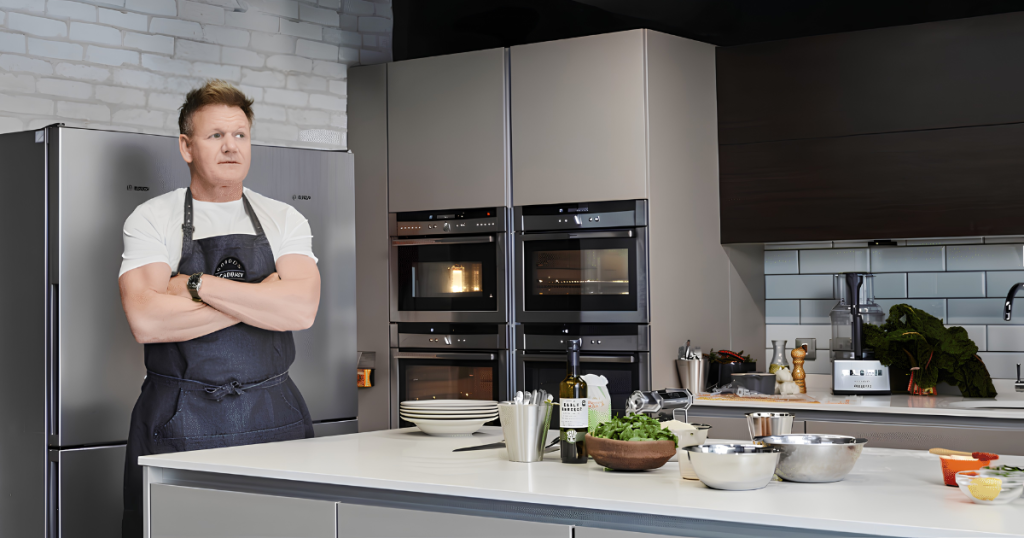
GORDON RAMSAY ACADEMY OFFICIALLY OPENS IN RIYADH
Saudi Arabia is now home to the first Gordon Ramsay Academy outside the UK, bringing world-class culinary education to the Kingdom and creating new opportunities for aspiring chefs and food enthusiasts across the GCC.
A New Chapter for Culinary Education in the Middle East
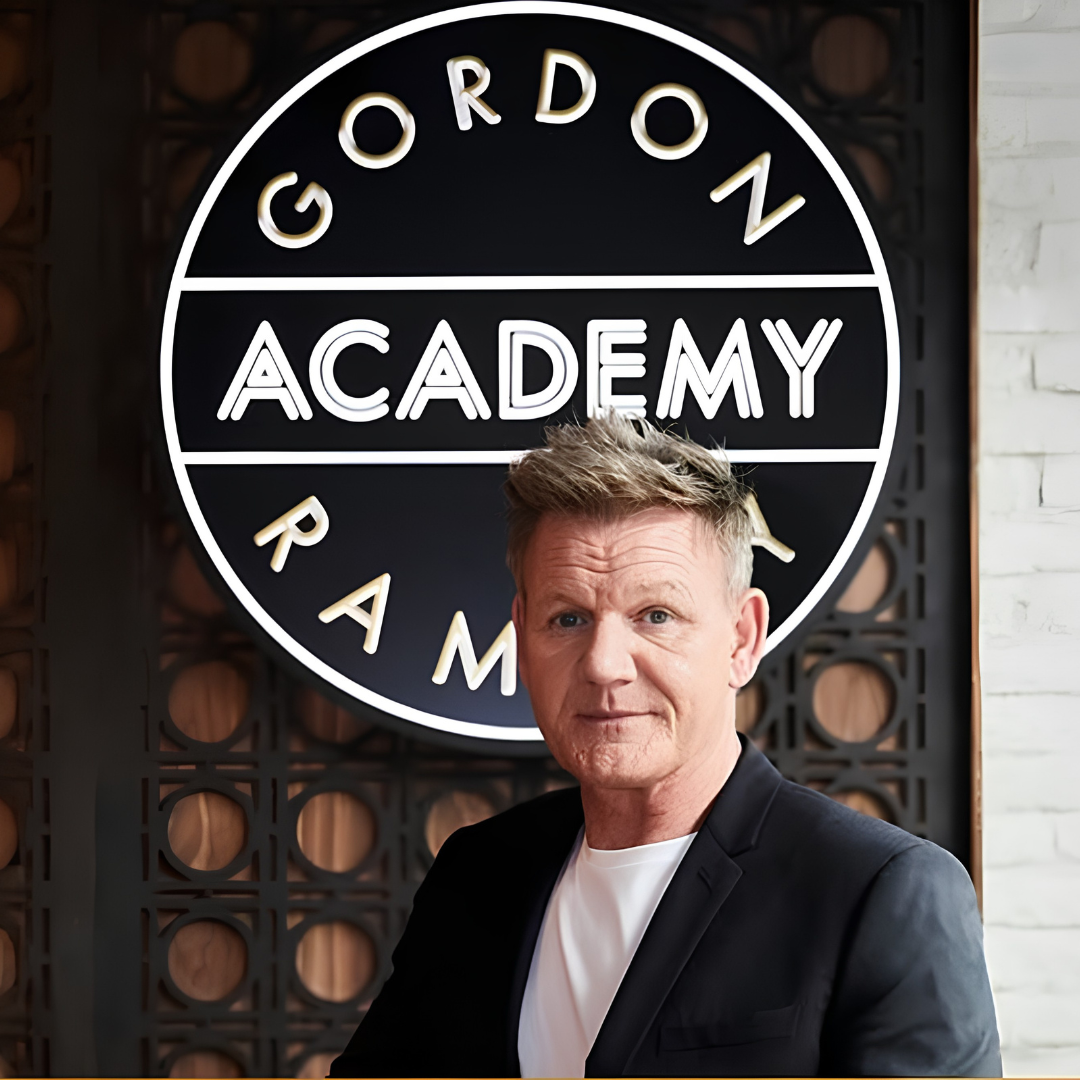
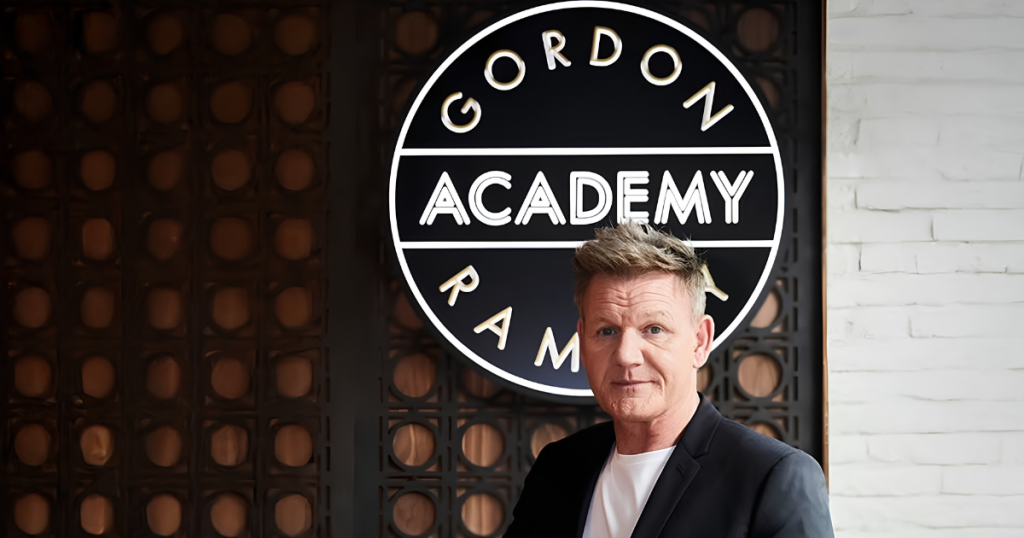
Celebrity chef Gordon Ramsay has officially opened the first international branch of the Gordon Ramsay Academy in Riyadh. The launch marks a major milestone for Saudi Arabia’s fast-growing culinary and hospitality industry.
Established in partnership with AlKhaleej Training & Education, the academy is the first to operate outside the United Kingdom. It reinforces the Kingdom’s position as an emerging destination for world-class education and gastronomy.
The opening aligns with Saudi Arabia’s continued investment in tourism, hospitality, and talent development. It also gives aspiring chefs and home cooks across the GCC access to internationally recognized culinary training without traveling to Europe.
Hands-On Learning for Every Level
Located in Riyadh, the academy offers a wide range of practical cooking courses. These programs are designed for beginners, passionate home cooks, and hospitality professionals.
Students can choose from recreational classes, professional diploma programs, and specialist workshops. The courses cover international cuisines, baking, pastry, knife skills, and essential culinary techniques.
The curriculum follows the successful teaching model of the Gordon Ramsay Academy in the UK. Experienced chefs lead immersive, hands-on classes in professional kitchen environments.
Why It Matters Beyond Saudi Arabia
The Riyadh opening is more than a local milestone. Through a long-term partnership, AlKhaleej Training & Education has exclusive rights to expand the Gordon Ramsay Academy brand across Riyadh, Jeddah, and Al Khobar over the next decade.
The expansion reflects the growing demand for premium culinary education across the Middle East. It also highlights the region’s ambition to become a global hospitality destination.
For food lovers, aspiring chefs, and hospitality professionals across the GCC, the academy offers easier access to internationally recognized training. As the region’s dining scene continues to evolve, initiatives like this help develop local talent. They also raise standards in food, hospitality, and culinary innovation.
With its official opening in Riyadh, the Gordon Ramsay Academy brings one of the world’s most recognized culinary brands to the Middle East. It offers new opportunities for anyone looking to turn a passion for food into professional expertise.
INGREDIENTS |
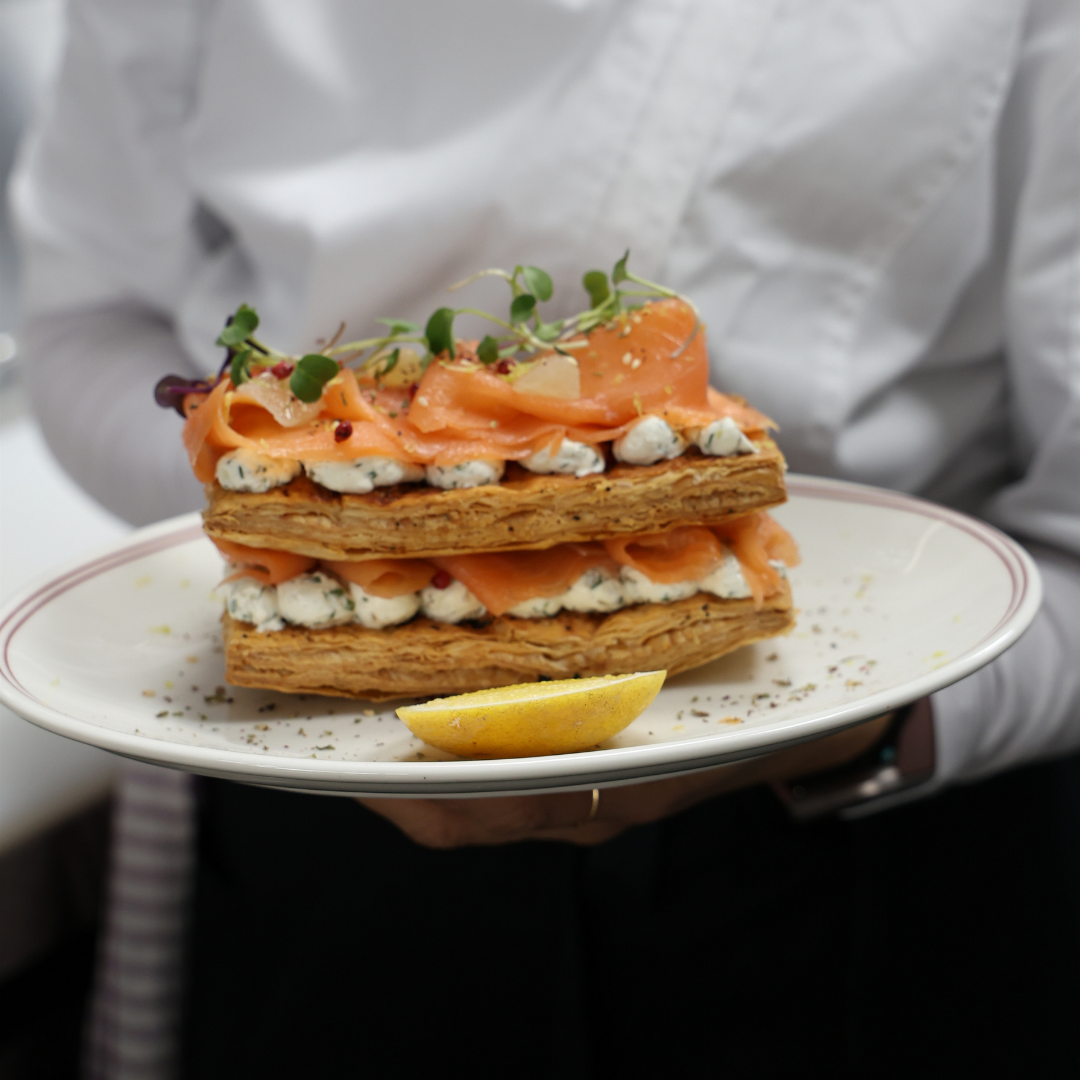
- 100 g puff pastry, cut into rectangles or squares before baking
- 100 g cream cheese, whipped
- 1 tsp dried herb mix
- ½ tsp lemon zest
- 1 tsp lemon segments, finely chopped
- ½ cup smoked salmon, loosely packed
- ½ tsp lemon pepper
- ½ tsp pink peppercorns
- 1 tbsp arugula microgreens
- 1 lemon wedge
PREPARATION |
- Place the puff pastry on a baking sheet lined with parchment paper.
- Prick it all over with a fork, then cover with another sheet of parchment paper and a second baking tray to weigh it down and prevent it from puffing up too much.
- Bake at 180°C for 15 minutes, or until golden brown.
- Remove from the oven and allow to cool on a wire rack.
- In a bowl, whip the cream cheese with the lemon zest, dried herb mix, and lemon pepper until well combined.
- Transfer to a piping bag.
- Pipe a small amount of the cream cheese mixture onto the center of the serving plate to secure the first piece of puff pastry.
- Place the puff pastry on top, then pipe more cream cheese over it.
- Add half of the chopped lemon segments, half of the pink peppercorns, and half of the smoked salmon.
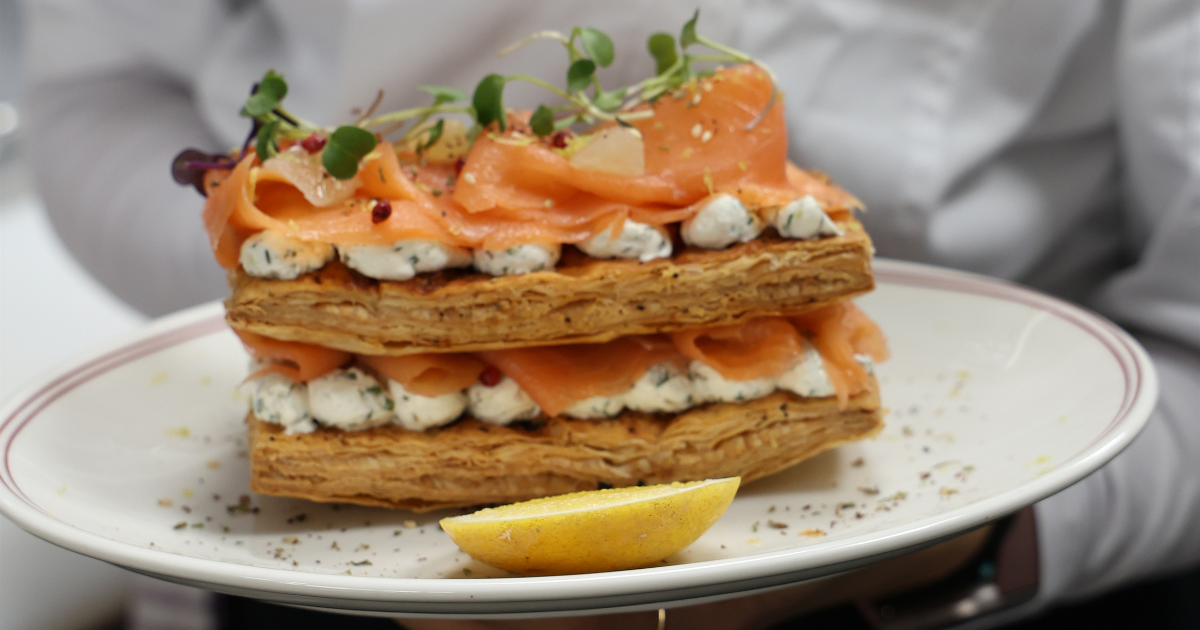
- Top with another piece of puff pastry and repeat the layers.
- Garnish with the arugula microgreens and serve with a lemon wedge on the side.
GET TO KNOW THE CHEF
RESTAURANT IN EGYPT |
NOBU
A Taste of Nobu, A New Energy for Cairo’s Dining Scene
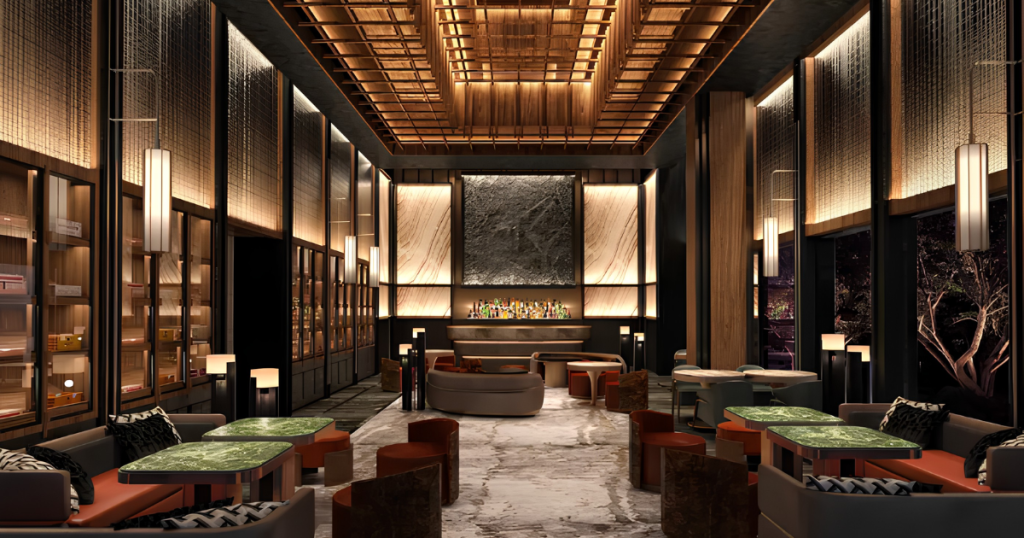
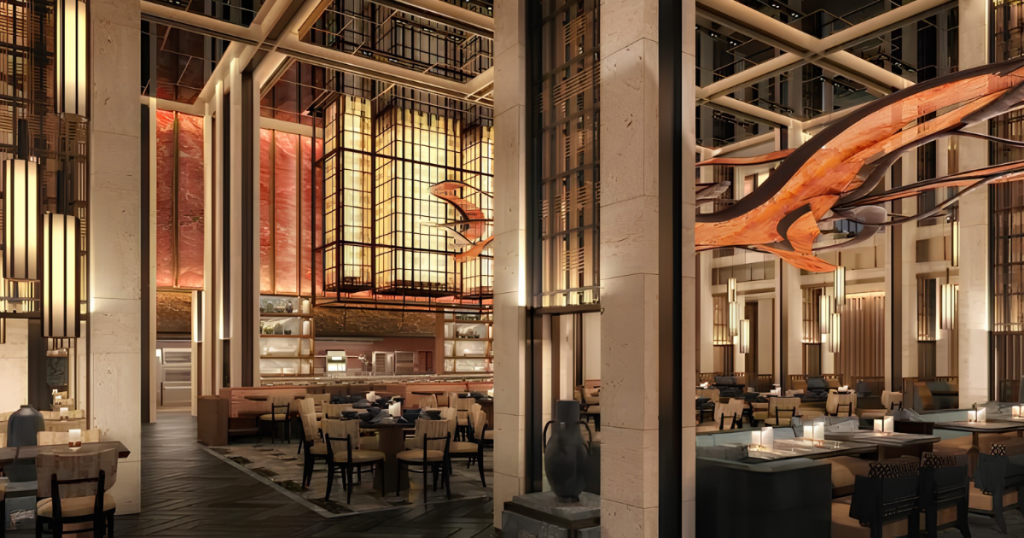
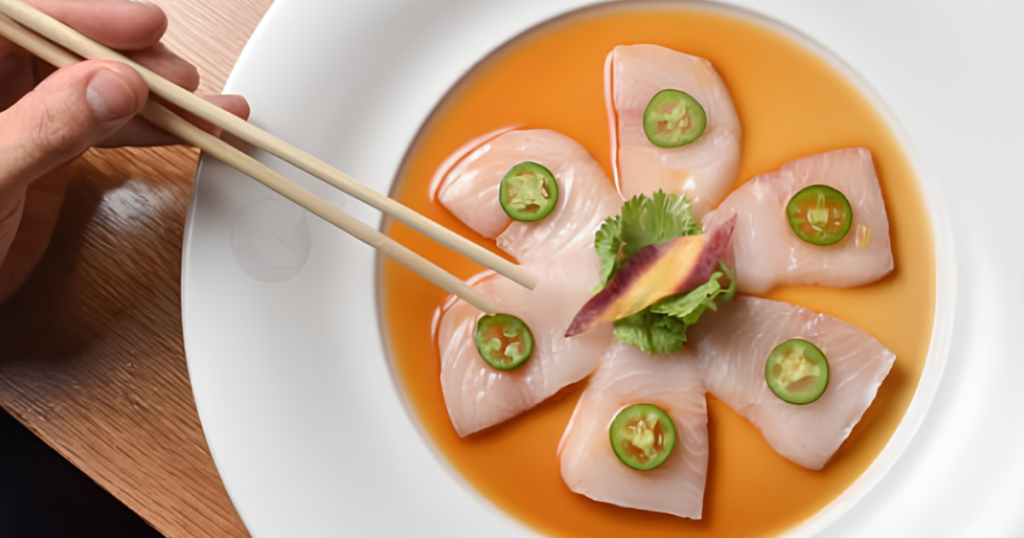
Egypt’s luxury hospitality landscape has reached a new milestone with the official opening of Nobu New Cairo, the first restaurant in the capital from the globally celebrated Nobu brand. Developed through the partnership between SODIC and Nobu, the launch represents a significant step in bringing one of the world’s most influential hospitality names to Egypt while reinforcing the country’s growing status as a destination for premium lifestyle experiences.
Located within Eastown District New Cairo (EDNC), Nobu New Cairo introduces the brand’s distinctive blend of Japanese cuisine infused with Peruvian influences, a culinary philosophy that has made Nobu a global phenomenon for more than three decades.
Signature Flavors Meet Contemporary Design
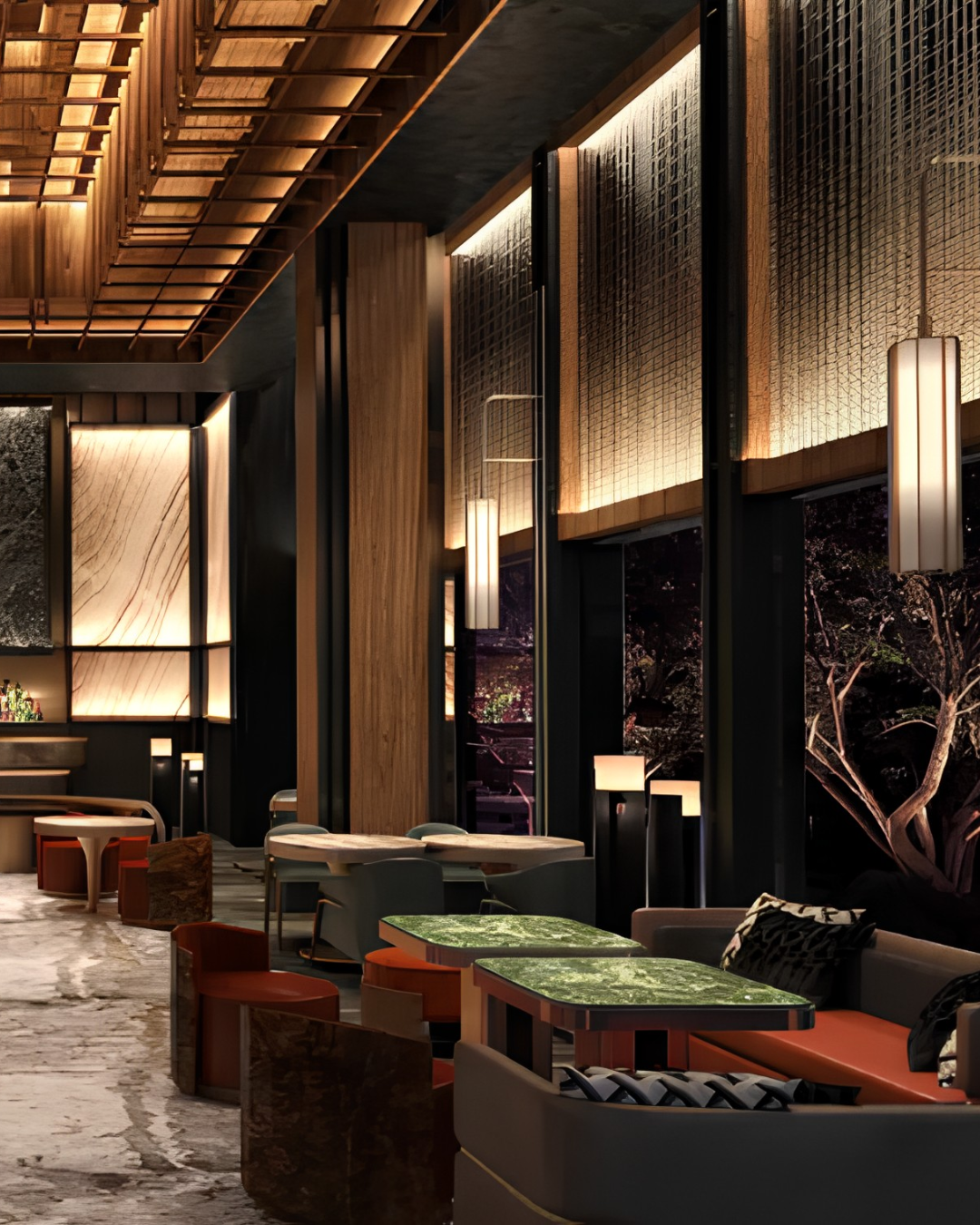
The menu featured some of Nobu’s most iconic creations, including the world-famous Black Cod Miso, Yellowtail Jalapeño, and an extensive selection of signature sushi dishes. The restaurant’s design balances Nobu’s globally recognized aesthetic with subtle references to its Egyptian setting, creating a space that feels both internationally refined and locally connected.
The result is a dining destination that delivers the signature Nobu experience while embracing the character and energy of New Cairo, offering guests a sophisticated environment where culinary artistry and hospitality converge.
A New Chapter for Luxury Hospitality in Egypt
With the arrival of Nobu New Cairo, Egypt joins an exclusive collection of destinations that host the iconic brand. More than a restaurant opening, the launch represents the beginning of a new chapter for luxury dining and hospitality in the country, one that combines world-class culinary excellence, distinctive design, and a vision for lifestyle experiences that resonate both locally and internationally.
For Cairo’s dining scene and Egypt’s hospitality sector alike, the opening of Nobu New Cairo is more than an arrival, it is a statement of intent, reflecting the country’s growing appeal as a destination for globally renowned luxury brands and experiences.
Cuisine: Japanese with Peruvian influences.
Address: 2G96+2VJ, New Cairo 1, Cairo Governorate 4728114, Egypt
WHAT’S NEW |
HORECA OMAN 2026 SET TO SPOTLIGHT THE FUTURE OF HOSPITALITY
September 14 – 16, 2026
Oman Convention and Exhibition Centre (OCEC)
horecaoman.com
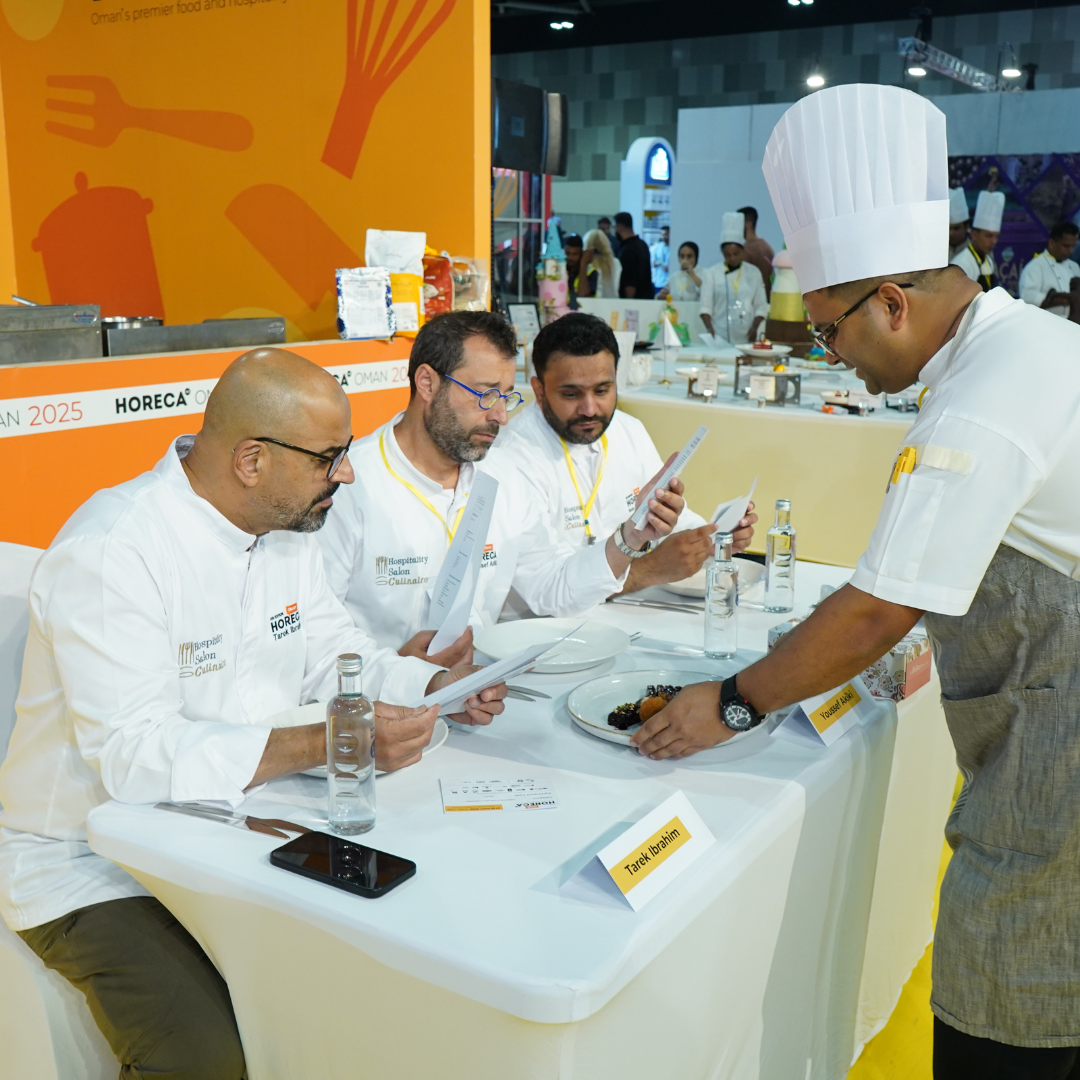
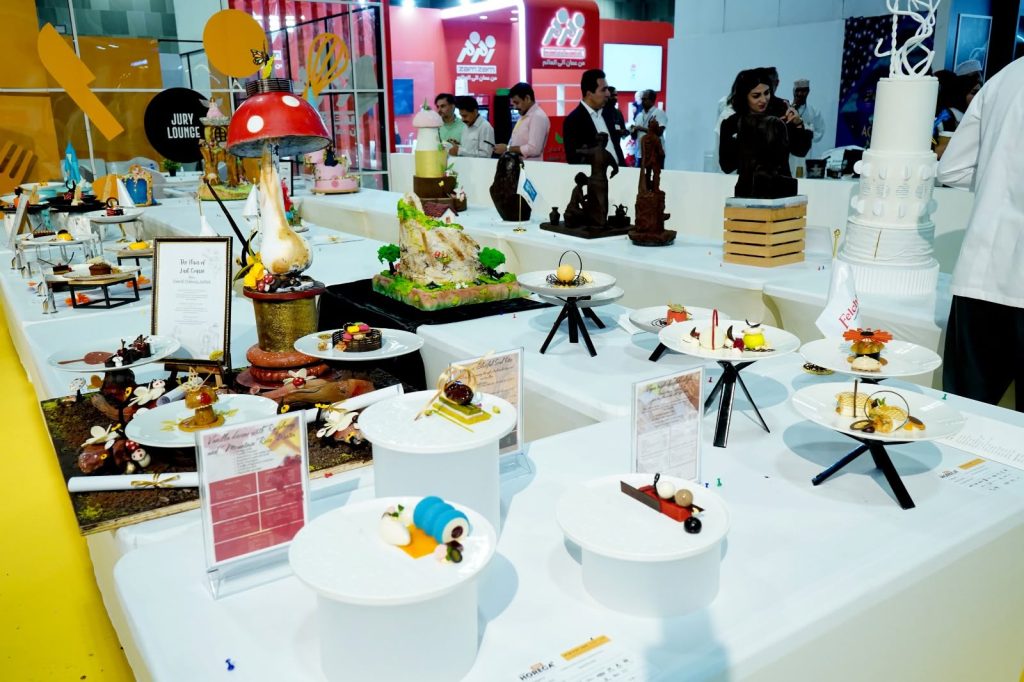
HORECA Oman 2026, one of the Sultanate’s leading hospitality and foodservice exhibitions, will return to the Oman Convention and Exhibition Centre (OCEC) from 14 to 16 September 2026. The event will bring together hospitality professionals, culinary talent, suppliers, and industry leaders from across Oman and the wider Gulf region.
Now entering its fifth edition, the exhibition has established itself as an important meeting point for businesses operating across hospitality, foodservice, tourism, and catering. As the GCC’s hospitality sector continues to expand, events such as HORECA Oman are becoming increasingly significant. Tourism growth, major investments, and evolving consumer expectations are driving this expansion. The exhibition offers stakeholders new opportunities for partnerships and business growth.
A Showcase of Hospitality Innovation
Visitors can expect a comprehensive exhibition featuring hospitality equipment, food and beverage products, technology solutions, and industry services. These offerings are tailored to hotels, restaurants, cafés, and catering businesses.
More than 150 exhibitors and over 8,000 visitors are expected to participate. This reflects the event’s growing influence across the region.
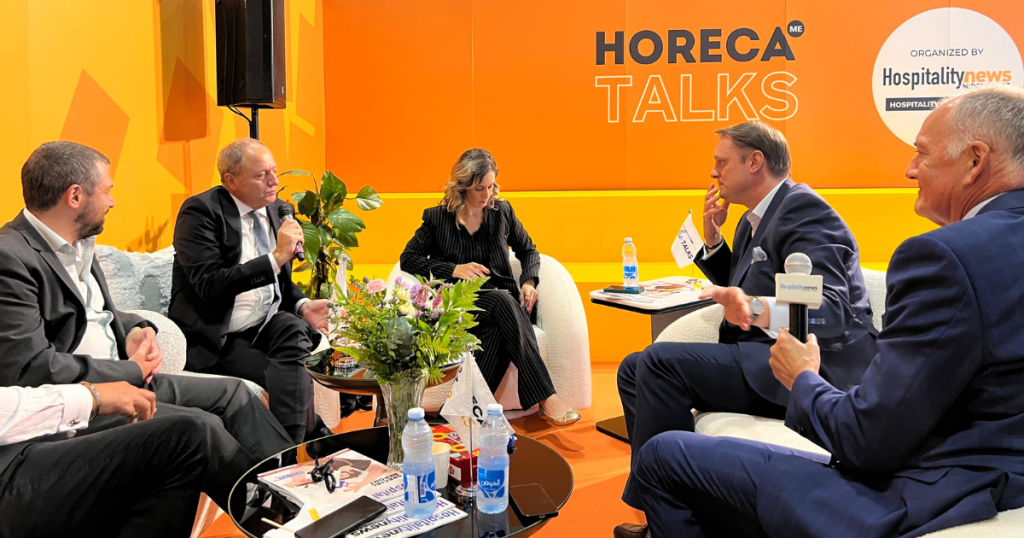
For hospitality operators across the Middle East, the exhibition offers valuable insight into emerging industry trends. These include digital transformation, sustainability initiatives, evolving dining concepts, and enhanced guest experiences.
Celebrating Culinary Talent
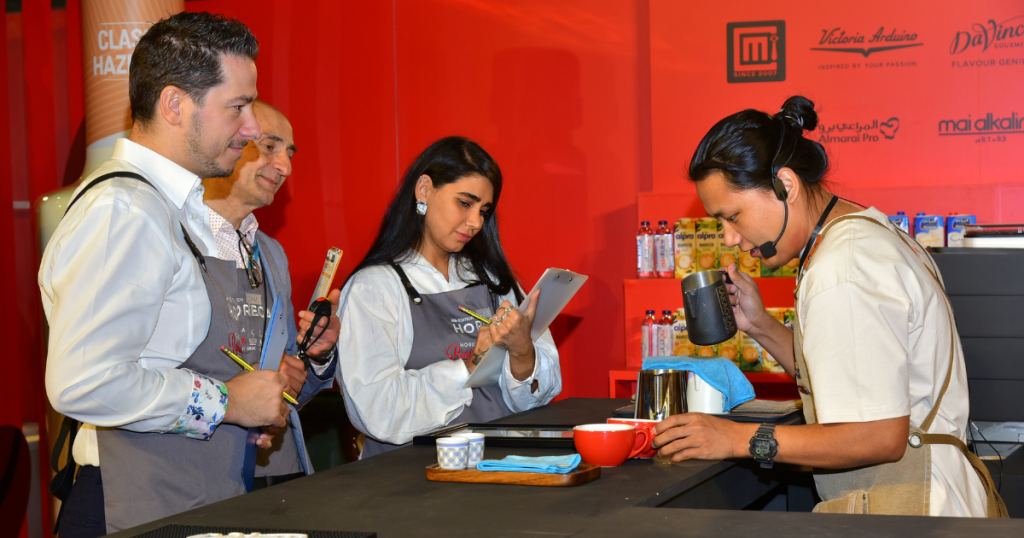
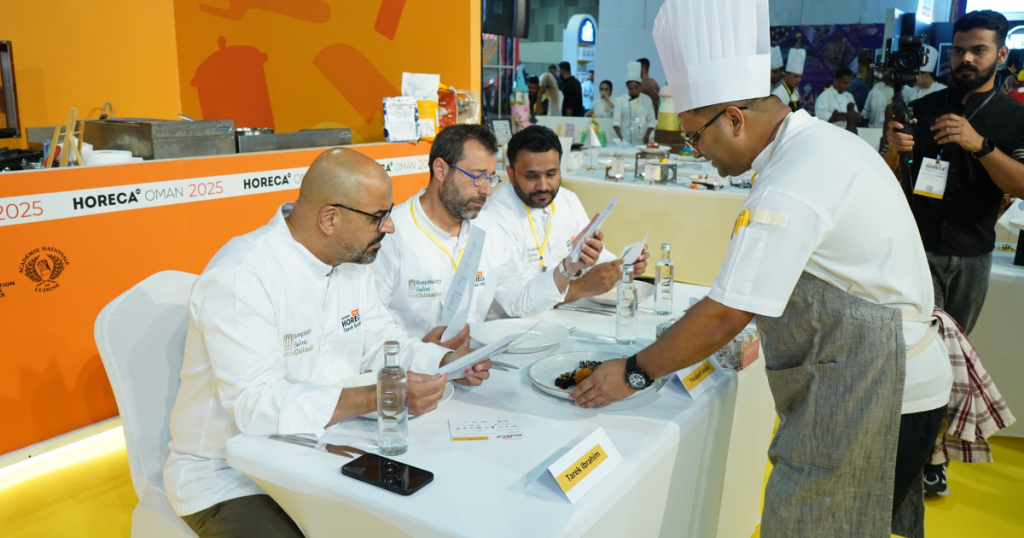
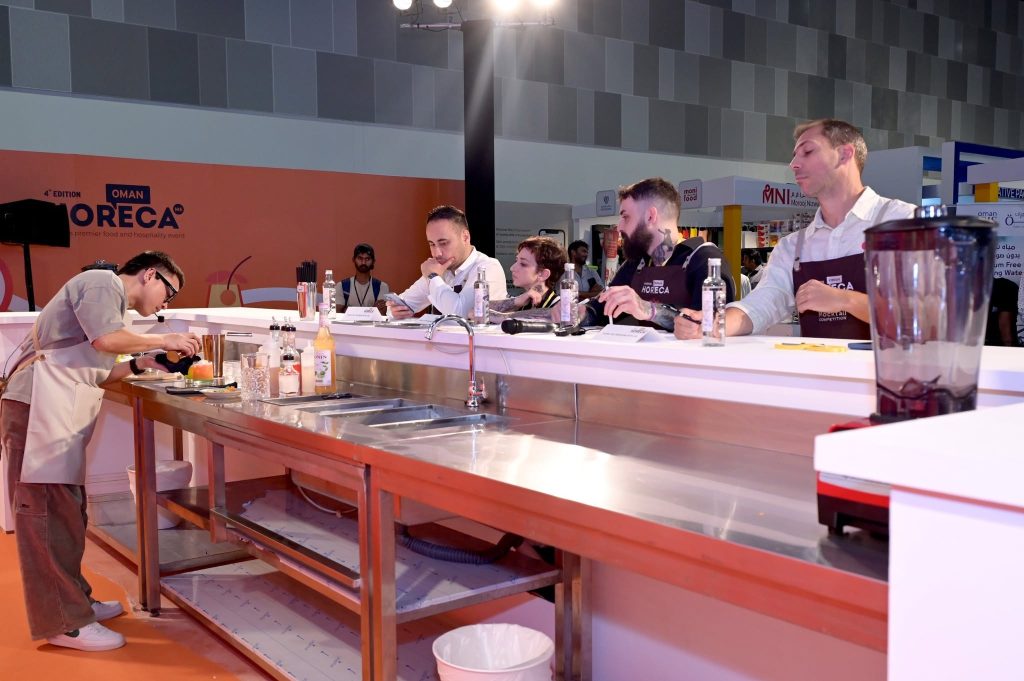
A key highlight of HORECA Oman 2026 will be its lineup of professional competitions. These events are designed to showcase and nurture talent within the hospitality sector.
Competitions are expected to include the Junior Chef Competition, Barista Competition, Latte Art Competition, Mocktail Competition, Bedmaking Competition, and the Art of Service Competition.
The competitions provide a platform for aspiring professionals to demonstrate their skills. They also give visitors a glimpse into the next generation of hospitality talent emerging from the region.
Why It Matters Beyond Oman
While the event takes place in Muscat, its relevance extends across the GCC. Hospitality markets throughout the Middle East are experiencing rapid growth. Destinations across the region continue to invest heavily in tourism infrastructure, luxury experiences, and culinary innovation.
By bringing together industry leaders, suppliers, chefs, and decision-makers under one roof, HORECA Oman 2026 creates opportunities for collaboration and knowledge exchange. It also serves as a valuable platform for business development. As a result, the exhibition is helping shape the future of hospitality across the region.
RESTAURANT IN KSA |
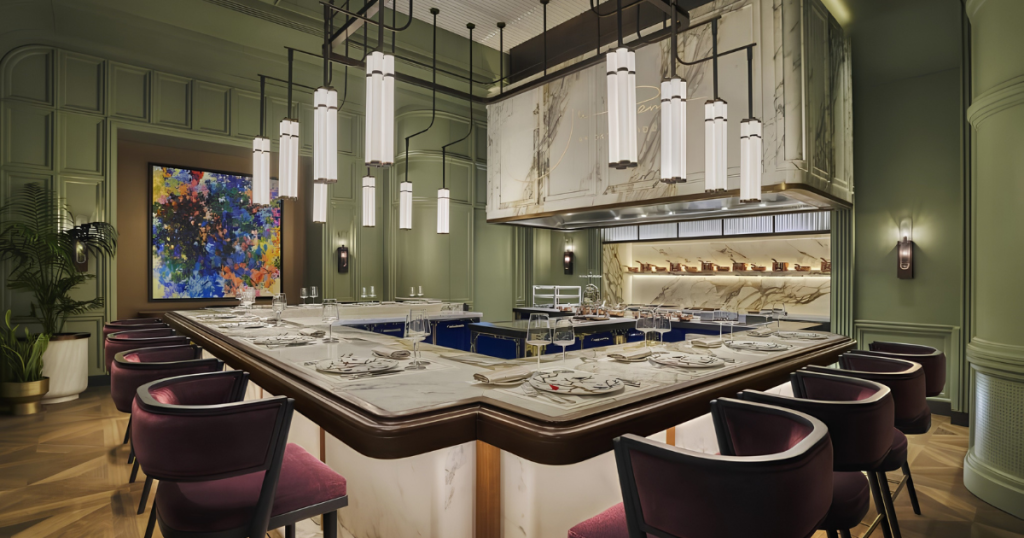
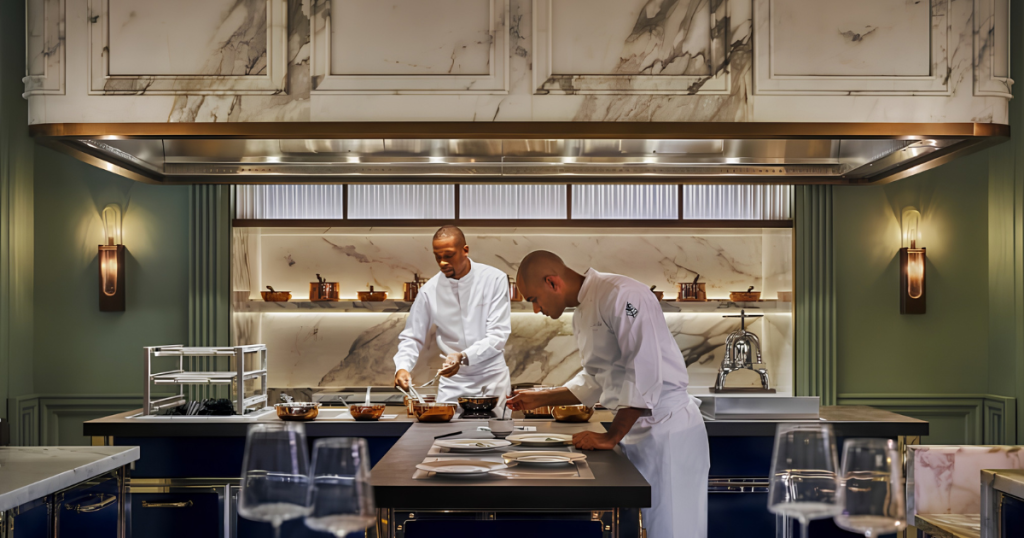
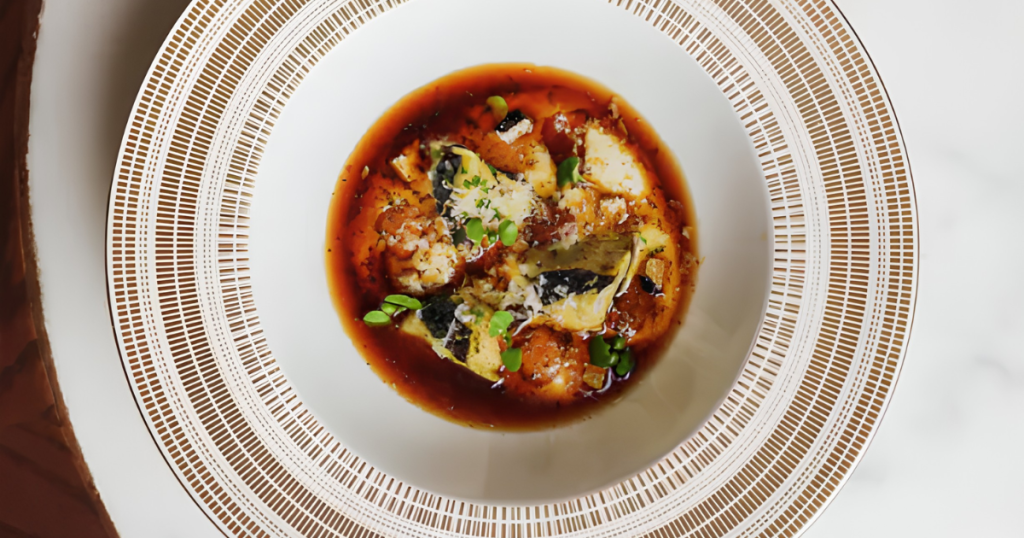
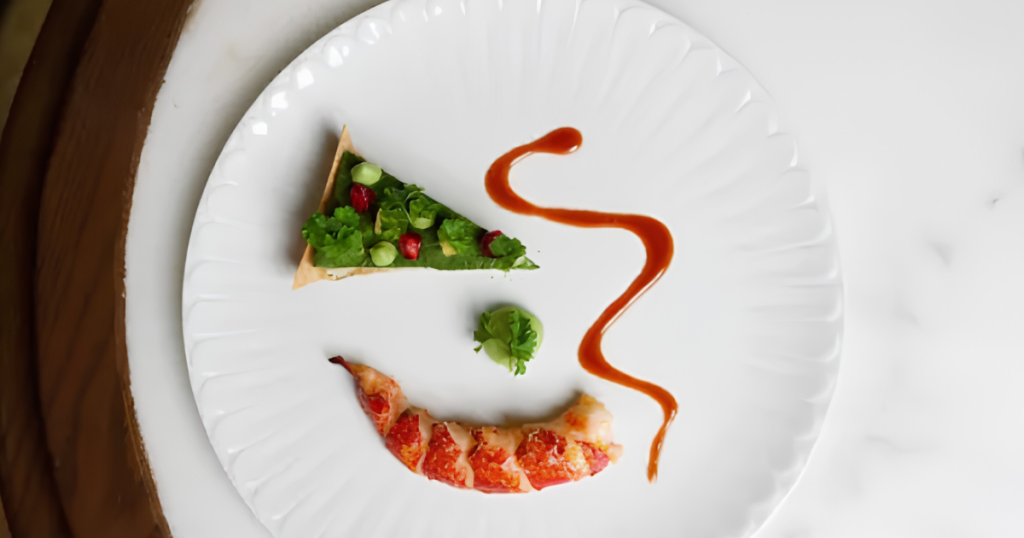
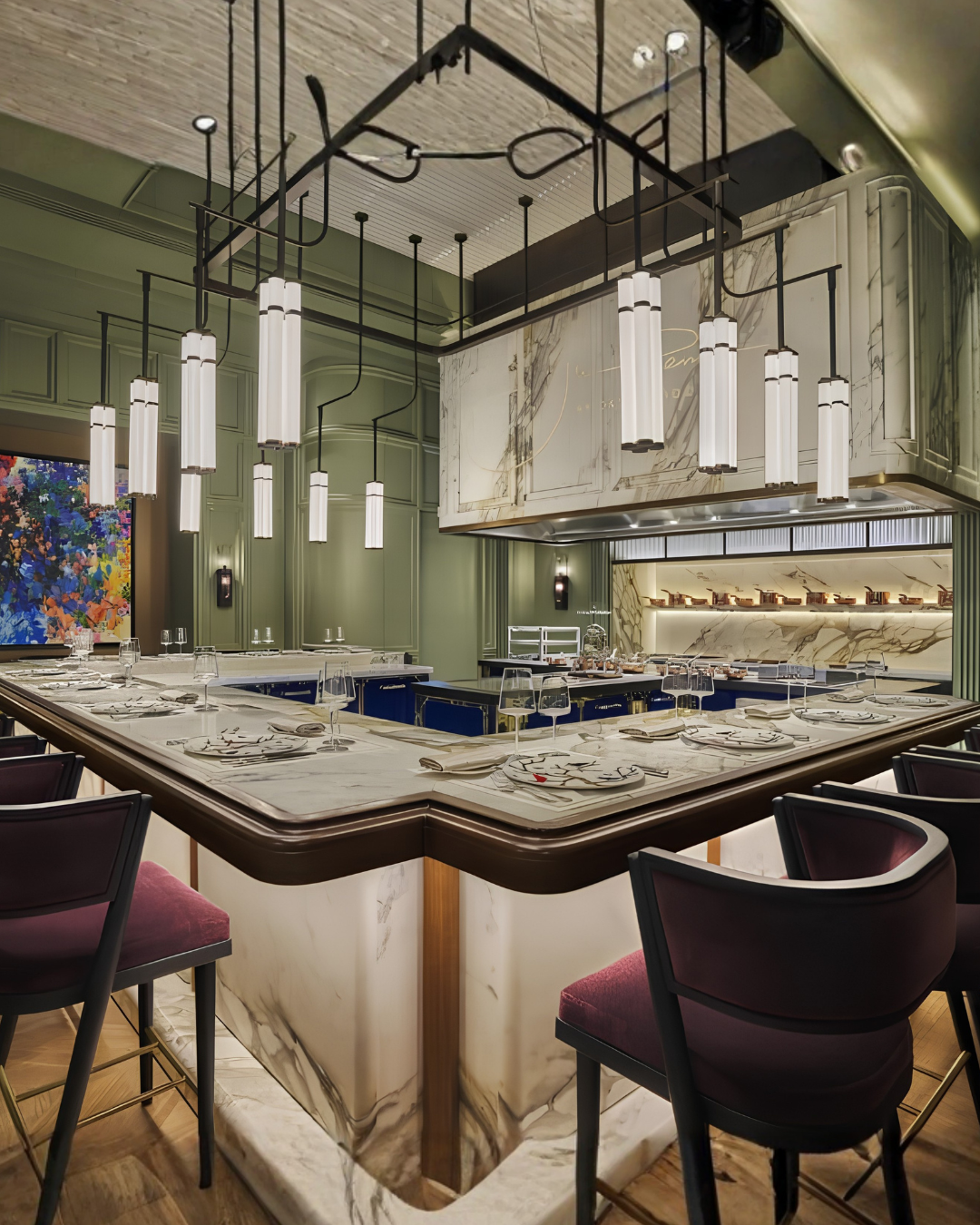
JULIEN BY DANIEL BOULUD
Riyadh’s Most Exclusive Table

INTERVIEW |
1. What inspired you to become a chef, and how does that story shape your cooking today?
From a young age, I was always helping my mother in the kitchen, and I quickly discovered how much I loved working with my hands. Transforming raw ingredients into a beautifully plated dish and seeing the joy it brings to people is what truly sparked my passion for hospitality.
My cooking has been deeply shaped by both my mother and my grandfather. As a second-generation Palestinian, I grew up surrounded by the spices, flavors, and traditions of our cuisine. They taught me not only how to cook, but also how food can carry culture, memory, and connection.
2. What was your favorite dish you created on the show, and why?
My favorite dish on the show was the one I created during Episode 8, the Olive Oil Challenge. It pushed me completely out of my comfort zone, especially since desserts made with olive oil can be incredibly challenging to balance.
Not only did I create a dish that was both delicious and deeply personal, now one of my signature creations, but it also won the challenge. That moment marked the beginning of a three-win streak that carried me through to the finale and ultimately led to me winning the trophy.
3. What are three ingredients you always keep in your kitchen?
Salt, salt, and salt.
4. What is your philosophy or personal motto?
Never give up or give in.
When you work with authenticity and true passion, that is when you shine the most.
5. What is your dream in life?
To become an international restaurateur.
6. What are your current projects and plans?
Currently, I am managing my restaurant, Dirty Lemon, in Paris, France. At the same time, I am developing three different restaurant concepts that I plan to launch over time in Riyadh.
My goal is to be based in Riyadh by this time next year.
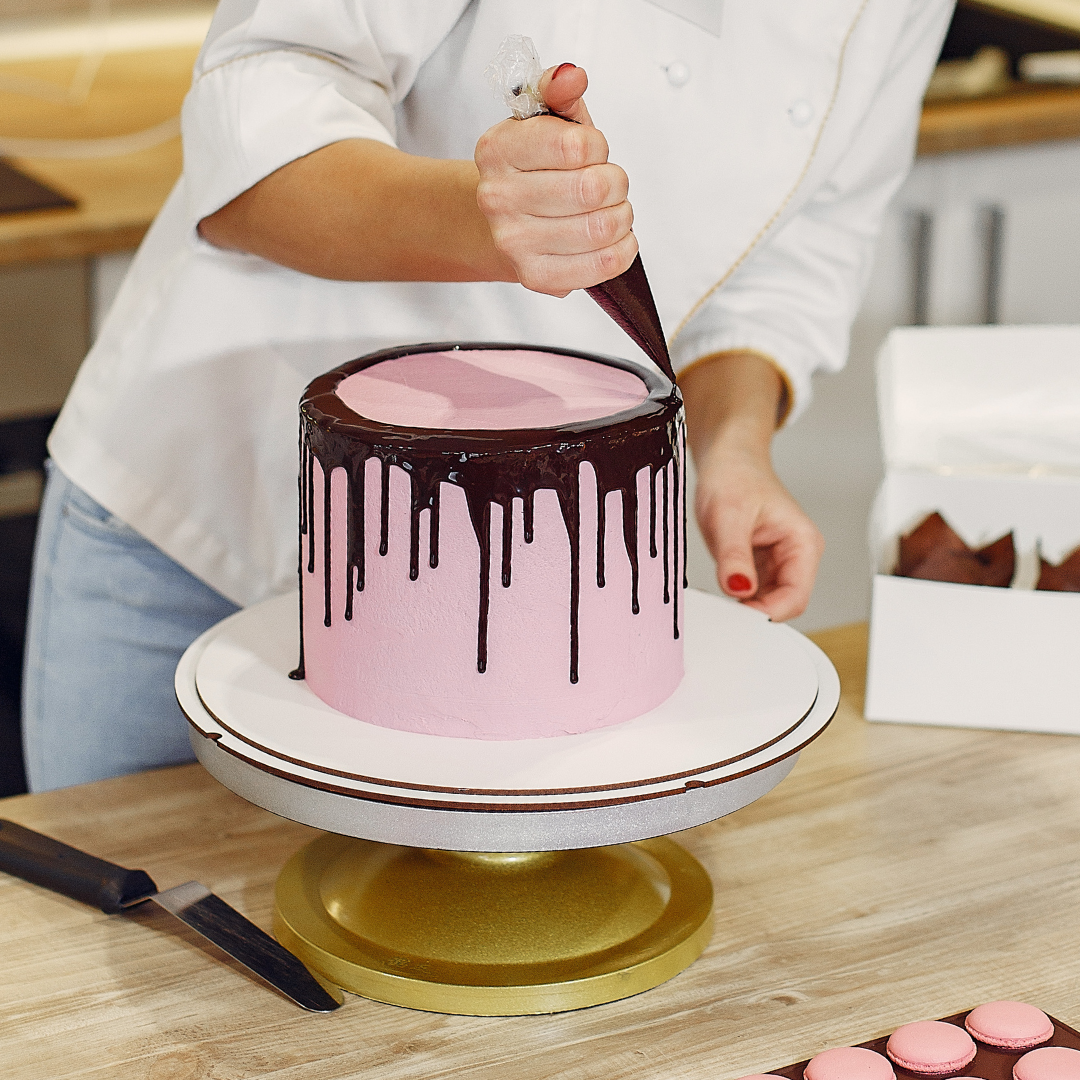
COMMON CAKE DECORATING MISTAKE AND HOW TO FIC THEM
BY CHEF CHAHRAZAD
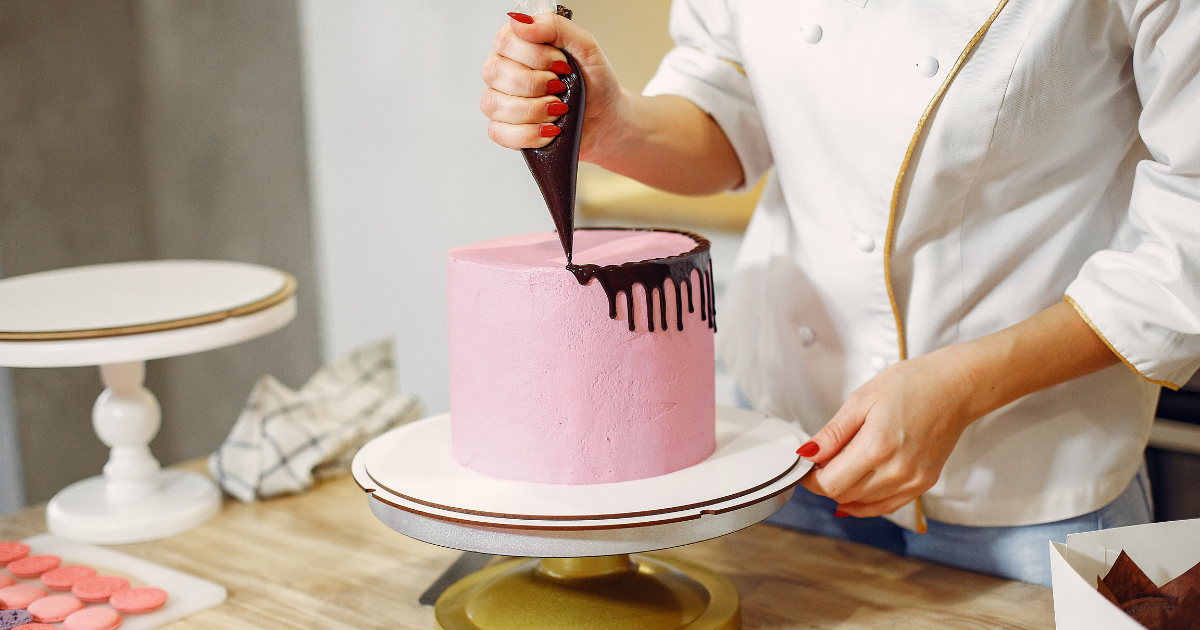
Cake decorating can be both rewarding and challenging. Even experienced bakers encounter small issues that can affect the final appearance of a cake. The good news is that most decorating mistakes are easy to fix once you know what to look for. Today, we’re sharing some of the most common cake decorating problems and the simple solutions that will help you achieve a smoother, more professional finish.
1. Thinking Your Cream Has Gone Bad After Refrigeration
One of the most common concerns occurs after storing decorating cream in the refrigerator. When you take it out, the texture may appear separated, grainy, or uneven, making it seem as though it has been ruined.
Don’t worry, this is completely normal. Simply allow the cream to come to room temperature, then beat it again until it returns to a smooth, stable consistency suitable for decorating. In most cases, the cream will regain its original texture and perform perfectly.
2. Incorrect Smoothing Technique with a Spatula
Another frequent mistake happens during the initial frosting stage. Many decorators smooth the cake by moving the spatula up and down along the sides.
This technique can create uneven surfaces and visible lines. Instead, use smooth, controlled motions around the cake, keeping the spatula steady as you work. This approach helps create a much cleaner and smoother finish.
3. Holding the Scraper at the Wrong Angle
After applying the frosting, many decorators use a scraper to refine the sides of the cake. However, the position of the scraper is crucial.
A common mistake is holding the scraper flat against the cake. For best results, hold the scraper at approximately a 45-degree angle. This allows you to remove excess frosting evenly and achieve smooth, straight sides with less effort.
4. Leaving Gaps in the Frosting
Even after careful smoothing, you may notice small gaps, holes, or air pockets appearing in the frosting.
The solution is simple: apply a small amount of additional cream to fill the gaps, then smooth the surface again using your scraper. Repeat as needed until the sides are completely even and flawless.
Final Thoughts
Perfect cake decorating takes practice, and small mistakes are part of the learning process. By understanding how to properly handle your cream, use your spatula correctly, position your scraper at the right angle, and repair any gaps in the frosting, you’ll be well on your way to creating beautifully finished cakes every time.
We hope these tips from Chahrazad’s Cuisine help make your next cake decorating project easier and more enjoyable. Happy baking!
Other articles you make like
INGREDIENTS |
Stew
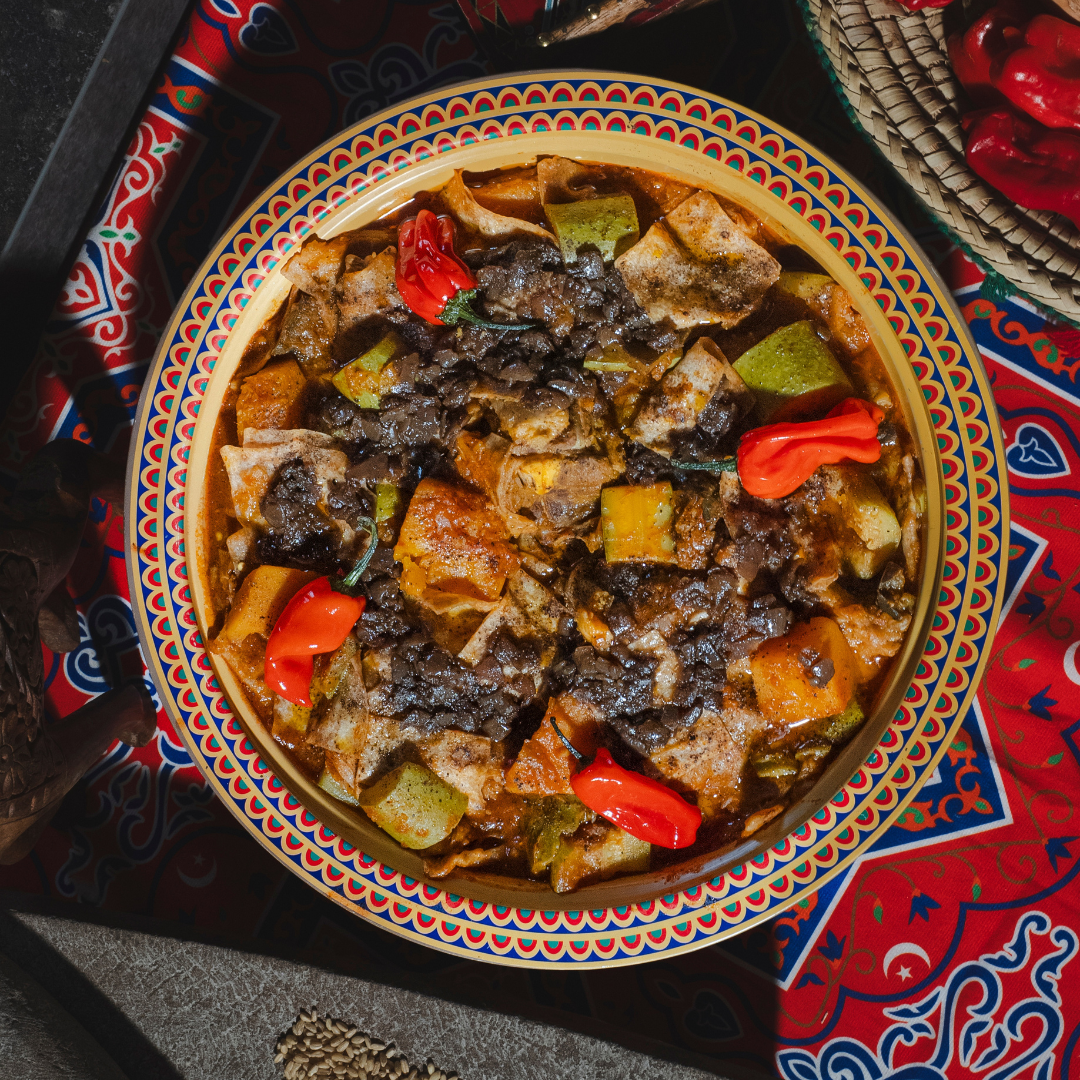
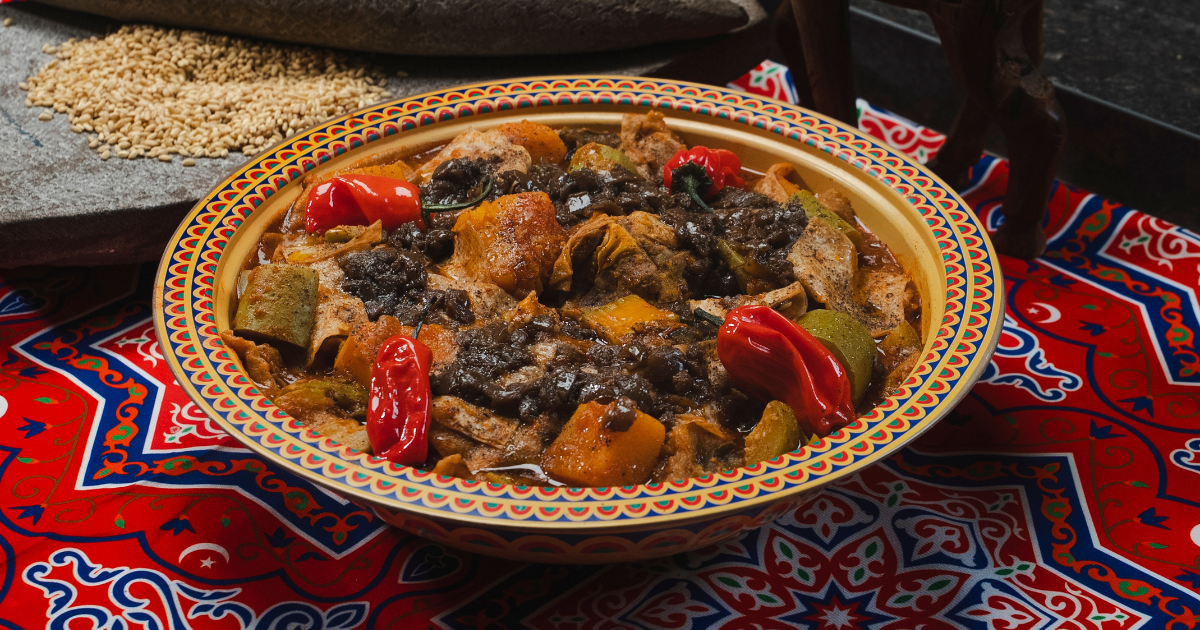
- 1.5 kg meat (lamb or beef, bone-in preferred)
- 2 onions, chopped
- 2 carrots, sliced
- 2 zucchinis, sliced
- 1 sweet potato, cubed
- 1 pumpkin squash, cubed
- 1 bell pepper, chopped
- 3 small eggplants, cubed
- 30ml cooking oil
- 1 tbsp ghee
- 2 tbsp tomato paste
- 400g tomato sauce
- Spices: Ground cumin, ground coriander, turmeric, black pepper, and salt (to taste)
Dough
- 500g white flour
- Salt (to taste)
- 220ml water
- A little cooking oil (for shaping)
Topping (Kashna)
- 1 tbsp ghee
- 1 small onion, finely diced
- A pinch of black pepper and salt
PREPARATION |
- Combine the flour, salt, and water. Knead thoroughly until a smooth, cohesive dough forms.
- Cover the dough and let it rest at room temperature for 1 hour.
- Divide the dough into 90g portions. Lightly grease your hands and work surface with oil. Flatten each portion by hand, then roll it out very thinly using a rolling pin or a dough/pasta machine. Set aside.
- Place the meat in a pressure cooker with water and a pinch of spices (cumin, coriander, turmeric, black pepper, and salt). Pressure cook for 1 hour and 15 minutes until tender.
- Reserve both the cooked meat and its flavorful broth.
- In a large, deep pot, heat the ghee and cooking oil. Add the chopped onions and sauté until golden brown.
- Stir in the tomato paste and sauté for 1–2 minutes to deepen the flavor. Pour in the tomato sauce and add your spices.
- Toss in the carrots, sweet potato, pumpkin, bell pepper, and eggplants. Pour in the reserved meat broth from the pressure cooker to create the stew base. Let it simmer. Add the zucchinis after the other vegetables have simmered for 10 minutes.
- Carefully stretch and layer the thinly rolled dough directly over the bubbling stew. The dough will cook right in the sauce. Once a layer sets slightly, gently cut or break it into smaller pieces with a spoon or knife so it integrates into the stew, then add the next piece of dough.
- Add the pressure-cooked meat back into the pot with the vegetables and dough. Simmer everything together on low heat for 15 minutes so the flavors marry. Finish with a fresh sprinkle of black pepper.
- In a small skillet, melt the ghee and sauté the finely diced onions until golden and fragrant. Season with a pinch of salt and black pepper.
INTERVIEW |
Tell us about your culinary journey.
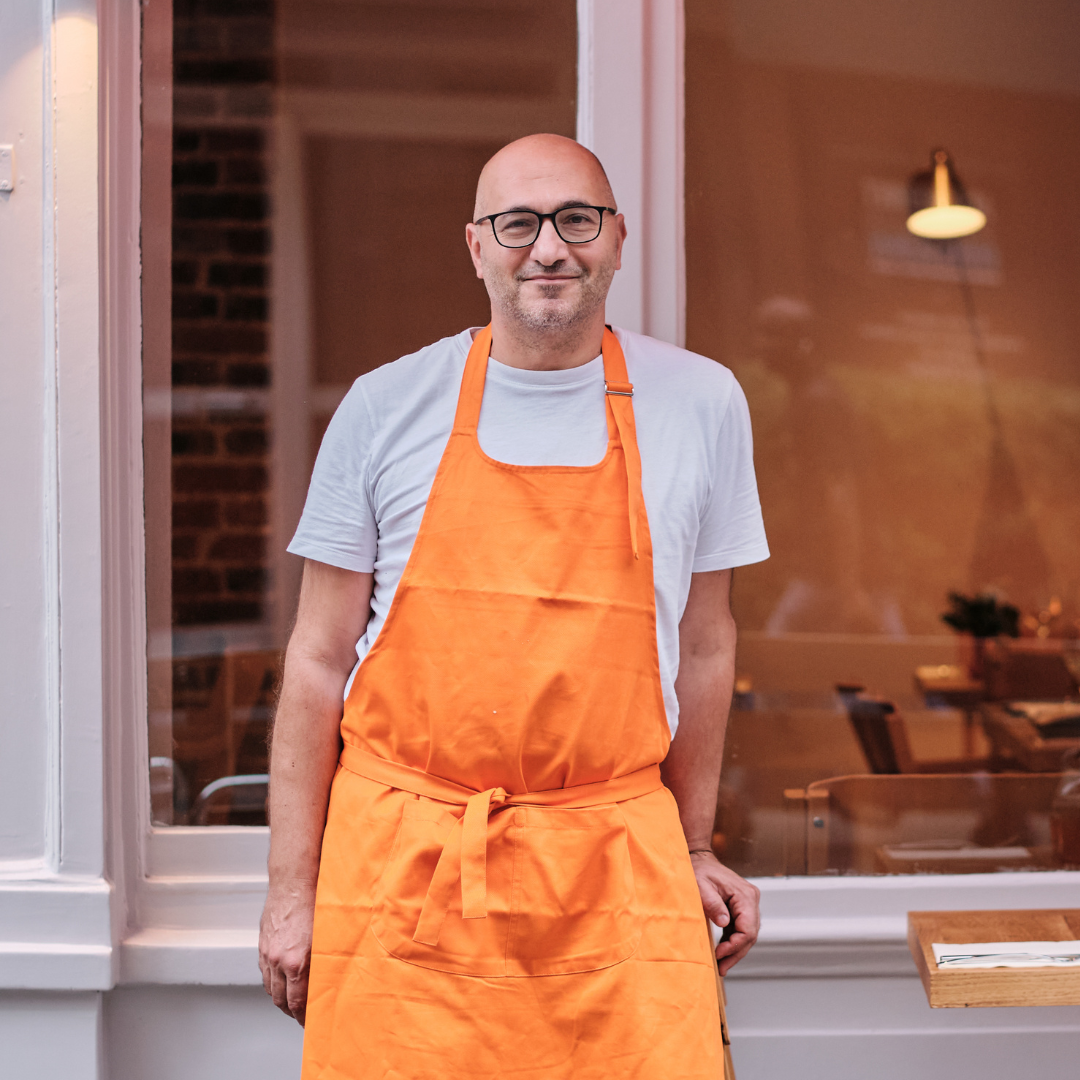
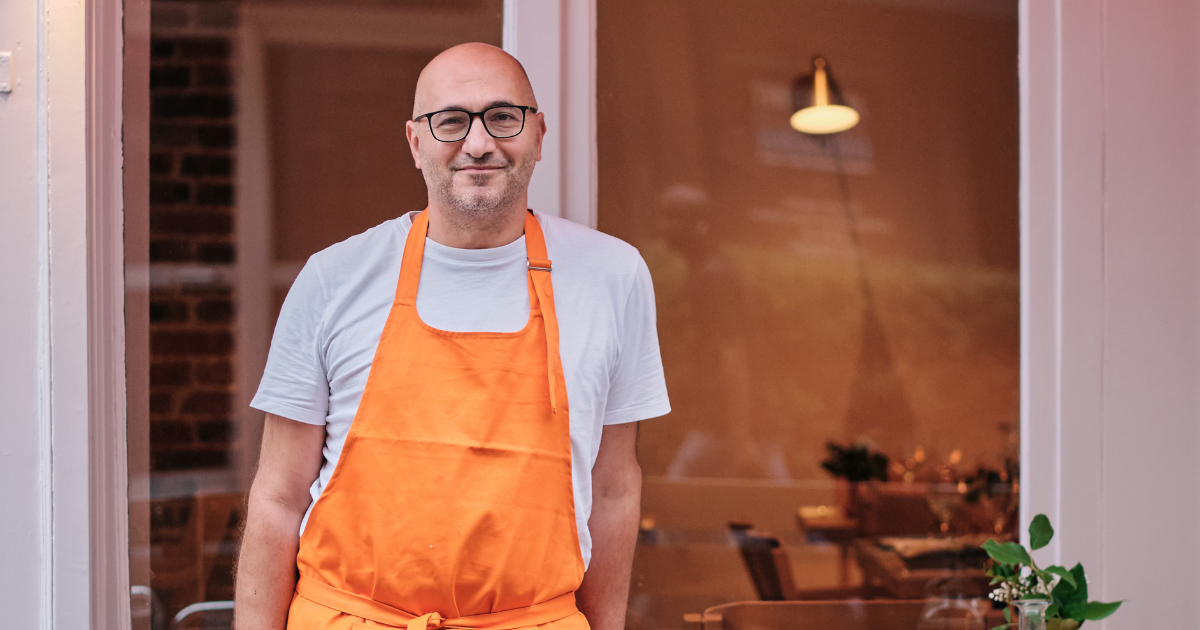
For the last 27 years, I’ve been promoting Lebanese food and, more broadly, Arabic cuisine. I have opened more than twenty restaurants across Paris, London, and Beirut, and have acted as a consultant for many others. Over the years, I’ve also published five cookbooks and hosted TV shows on Fatafeat and Cuisine.tv.
What inspired you to become a chef, and how does that story shape your cooking today?
Food is an obsession in my life. I love choosing ingredients, cooking them, and serving them. More than just feeding people, I love explaining the history and meaning behind what they are eating.
For me, food is both physical and spiritual. That is why my cooking reflects my internal state, it is simple, authentic, and generous. To cook is to give; that is my definition.
What’s your favorite dish, and why?
If I truly have to choose just one: fried red mullet (Sultan Ibrahim).
In fact, I love any simple food: banadoura jabaliyé (mountain tomato salad) with sumac, a roasted chicken with no spices, not even salt, or a fresh nayyé (raw meat). The simpler, the better!
What are three ingredients you always keep in your kitchen?
Salt, olive oil, and sumac. Add these three to almost any ingredient, and you will have a great dish.
What is your philosophy or personal motto?
“Life is beautiful, “although it is quite hard to say that these days.
What are your current projects and plans?
I am thrilled to continue my work with Sama, my Parisian bistro, where we are taking Lebanese food to another level. I am also quietly working on a culinary play, hopefully for the end of the year. Stay tuned!