

The Food Pyramid in 2026: What’s Changed and Why It Matters
An inside look at how modern nutrition is moving beyond outdated guidelines, embracing whole ingredients, smarter food choices, and a plant-forward philosophy that supports balance, vitality, and long-term wellbeing
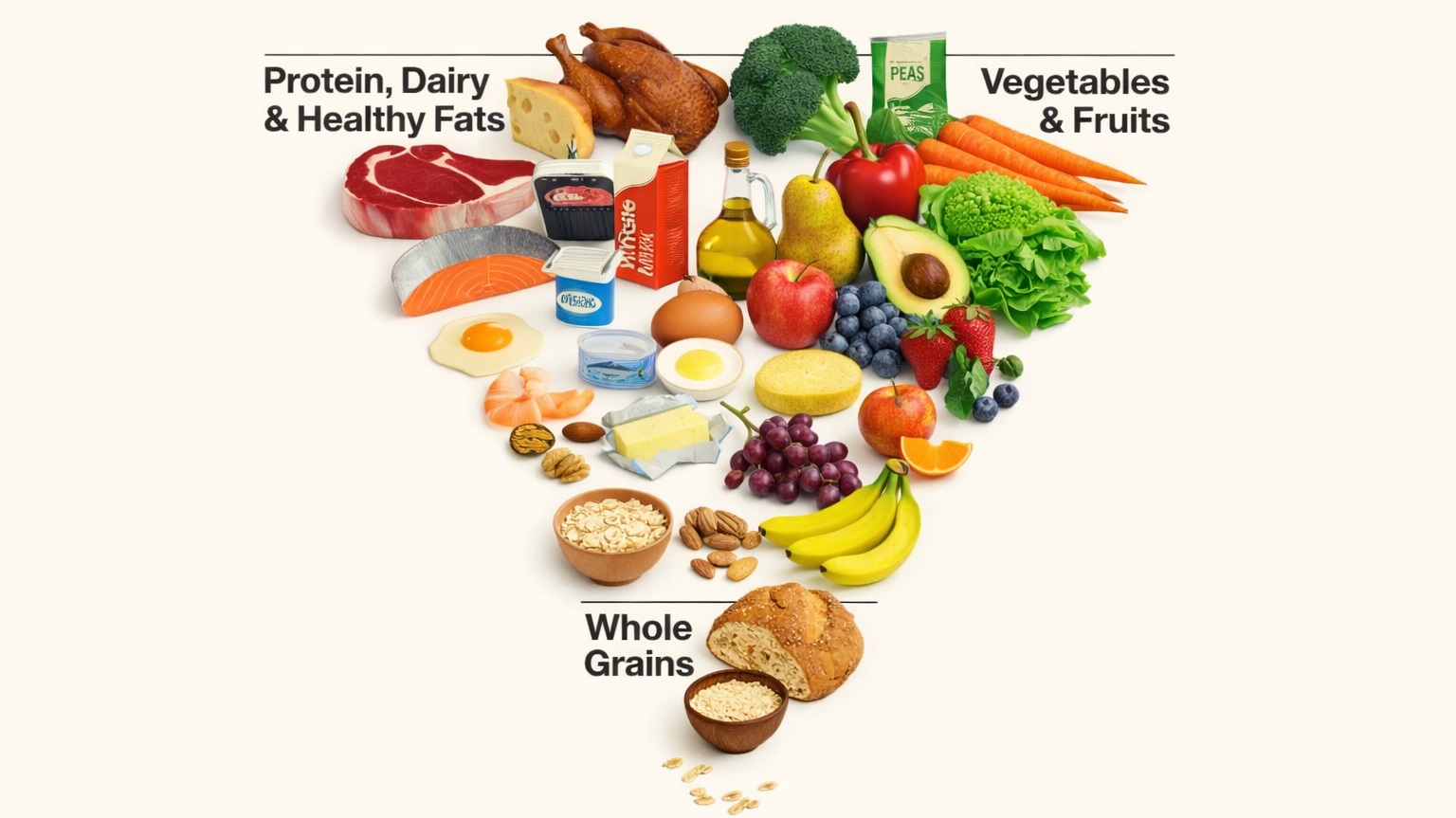
In 2026, the pyramid has evolved. It is no longer just about portions. It is about quality, longevity, and metabolic health.
From Carb-Heavy to Plant-Forward
The old model prioritized refined grains and low-fat products. Today, experts emphasize:
- Vegetables and fruits as the true foundation
- Legumes and whole grains instead of refined carbohydrates
- Diverse, colorful plates that support gut health
This shift reflects growing research on inflammation, microbiome balance, and chronic disease prevention.
Healthy Fats Are Back
For years, fats were placed at the top of the pyramid. Now, healthy fats have moved down to the middle layer.
Olive oil, nuts, seeds, and fatty fish are encouraged for heart and brain health. This approach aligns closely with the Mediterranean model, widely associated with longevity.
Protein with Purpose
Protein remains essential, but the focus has changed. It is not just about quantity, but about:
- Quality sources
- Balanced portions
- Plant and marine proteins
This supports muscle preservation, especially as populations age.
Ultra-Processed Foods Move to the Top
The modern pyramid clearly limits:
- Sugary beverages
- Refined sweets
- Highly processed snacks
Instead of demonizing food, the 2026 approach encourages mindful indulgence.
Beyond the Pyramid
The new vision of healthy eating includes:
- Hydration as a foundation
- Daily movement
- Social connection
- Seasonal, local ingredients
Food is no longer just fuel. It is prevention, pleasure, and culture combined.
OTHER ARTICLES YOU MAY LIKE