



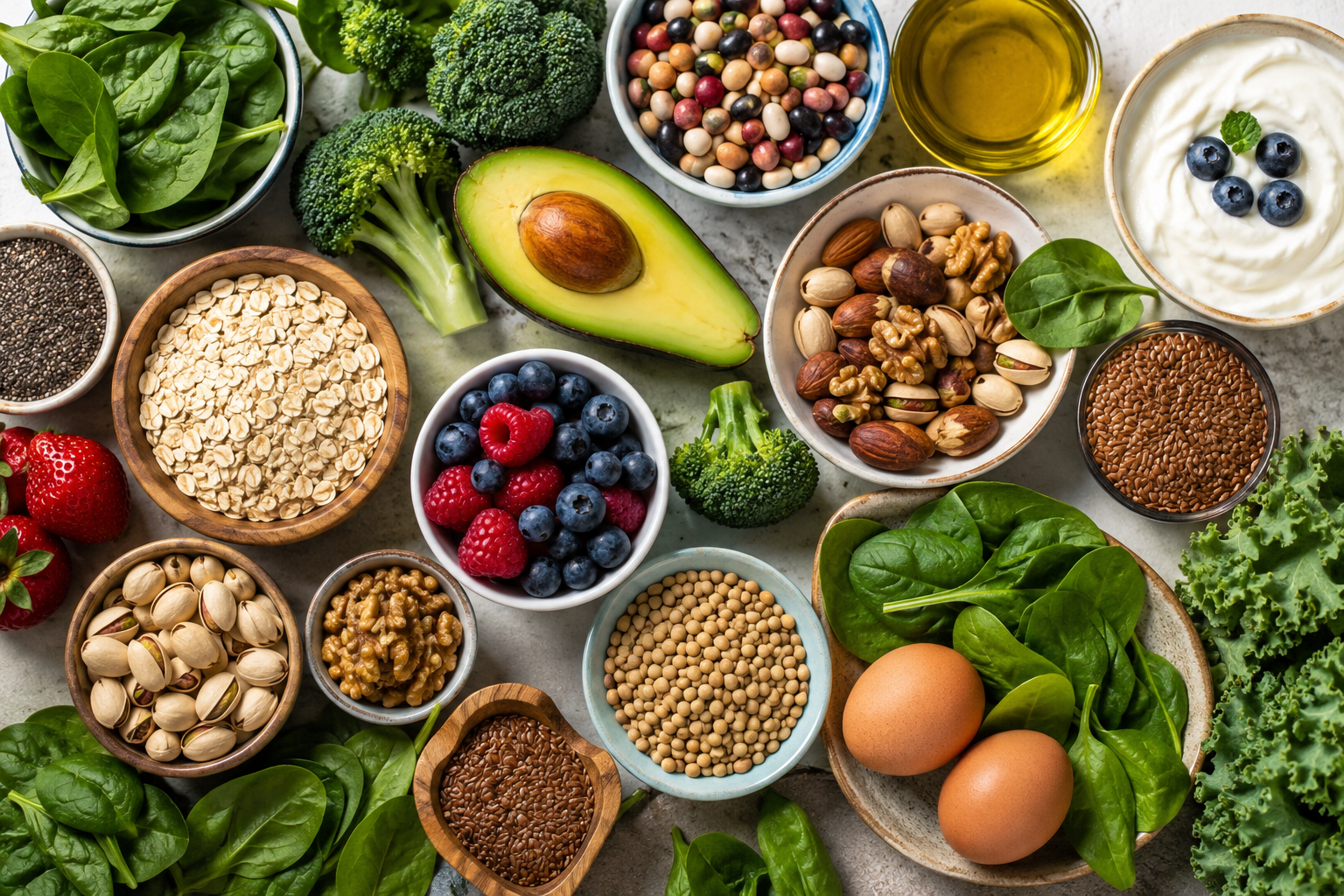
FOODS THAT MIMIC GLP-1
BY MIREILLE RIZK CORBANI
FUNCTIONAL NUTRITIONIST DIETITIAN, SPECIALIZED IN MEDICAL TREATMENT FOR OBESITY
If you’ve spent any time on social media lately, you’ve probably heard about Ozempic. Originally developed for diabetes management, the medication has gained widespread attention for its ability to reduce appetite and promote weight loss.
What many people don’t realize, however, is that Ozempic works by mimicking a hormone your body already produces: GLP-1 (Glucagon-Like Peptide-1).
While no food can replicate the potency of prescription GLP-1 medications, certain foods can encourage your body to release more of its own GLP-1 naturally. The result? Better blood sugar control, increased feelings of fullness, reduced cravings, and improved metabolic health.
The good news is that many of these foods are probably already sitting in your kitchen.
First, What Exactly Is GLP-1?
GLP-1 is a hormone released primarily in your intestines after you eat. Think of it as your body’s natural appetite manager.
When GLP-1 levels rise, your body responds by:
• Increasing insulin release
• Slowing stomach emptying
• Reducing hunger signals
• Improving satiety after meals
• Helping stabilize blood sugar levels
This is why GLP-1 has become such a hot topic in both the weight-loss and wellness worlds. The key? Feeding your body foods that naturally encourage its production.
1. Avocados
Creamy, satisfying, and packed with healthy monounsaturated fats, avocados are one of the best foods for promoting fullness.
The combination of fiber and healthy fats slows digestion and may stimulate greater GLP-1 release after meals. People who include avocado in breakfast often report feeling fuller for longer and experiencing fewer mid-morning cravings.
Try it: Add sliced avocado to eggs, salads, or whole-grain toast.
2. Eggs
Eggs deliver a powerful combination of protein and healthy fats, making them one of the most satiating foods available.
Protein-rich meals consistently trigger stronger GLP-1 responses compared with highly processed, carbohydrate-heavy breakfasts.
Try it: Pair eggs with vegetables for a blood-sugar-friendly breakfast that keeps hunger at bay.
3. Oats
Oats are rich in beta-glucan, a soluble fiber that forms a gel-like substance during digestion.
This slows the absorption of glucose, supports gut health, and encourages the release of satiety hormones, including GLP-1.
Bonus: Oats also nourish beneficial gut bacteria, which play a major role in hormone regulation.
4. Lentils and Beans
Few foods offer the fiber-and-protein combination found in legumes.
Chickpeas, black beans, lentils, and kidney beans digest slowly, helping reduce blood sugar spikes while promoting fullness for hours.
The fermentation of their fiber by gut bacteria may also stimulate GLP-1 production.
Try it: Add lentils and chickpeas to salads.
5. Spinach and Leafy Greens
Spinach contains plant compounds called thylakoids, which have been linked to increased satiety and reduced hunger.
Leafy greens are also rich in fiber while remaining low in calories, making them ideal for anyone focusing on weight management.
Other great choices include kale, arugula, and romaine lettuce.
6. Broccoli and Cruciferous Vegetables
Broccoli, cauliflower, and cabbage are nutritional powerhouses.
Their high fiber content slows digestion and supports a healthy gut microbiome, both of which contribute to greater GLP-1 activity.
They also provide valuable antioxidants that support metabolic health.
7. Greek Yogurt
Protein-rich dairy foods, especially plain Greek yogurt, can help increase satiety hormones while supporting healthy blood sugar levels.
The protein content helps curb appetite, while the probiotics support gut bacteria involved in hormone production.
Choose unsweetened varieties.
8. Whey Protein
Whey protein is one of the most studied proteins for stimulating satiety hormones.
Research suggests whey can significantly increase GLP-1 release while reducing hunger and calorie intake later in the day.
For many people, a smoothie containing whey protein can be an effective way to stay satisfied between meals.
9. Pistachios
These little green nuts offer a powerful combination of protein, fiber, and healthy fats.
Studies suggest pistachios may improve blood sugar control and support higher GLP-1 levels after eating.
They’re also naturally portion-controlled thanks to their shells.
10. Walnuts
Walnuts have long been associated with improved appetite regulation.
Their unique blend of omega-3 fats, fiber, and plant compounds appears to influence areas of the brain involved in food cravings and hunger control.
A small handful can be a satisfying afternoon snack.
11. Extra Virgin Olive Oil
One of the cornerstones of the Mediterranean diet, extra virgin olive oil may help stimulate GLP-1 release more effectively than saturated fats.
Its anti-inflammatory properties also support overall metabolic health.
Drizzle it over vegetables, salads, or cooked grains for an easy upgrade.
12. Chia Seeds
Tiny but mighty, chia seeds absorb water and expand in the digestive tract.
This creates a feeling of fullness while providing soluble fiber that supports gut bacteria and satiety hormones.
Just two tablespoons provide nearly 10 grams of fiber.
Try it: Add them to smoothies, yogurt, or overnight oats.
13. Flaxseeds
Flaxseeds contain fiber, omega-3 fats, and plant compounds that support healthy digestion and blood sugar regulation.
Ground flaxseeds are particularly beneficial because the body absorbs their nutrients more effectively.
Their soluble fiber may help extend feelings of fullness after meals.
14. Berries
Blueberries, raspberries, blackberries, and strawberries are among the most fiber-rich fruits available.
Unlike many sweet snacks, berries have a relatively low impact on blood sugar while providing antioxidants that support metabolic health.
Raspberries are especially impressive, delivering substantial fiber in a small serving.
15. Fermented Foods
Foods like kefir, sauerkraut, kimchi, and plain yogurt support a healthy gut microbiome.
Emerging research suggests that the bacteria living in our digestive tract influence GLP-1 secretion and appetite regulation.
A healthier gut may help your body become more efficient at producing its own satiety signals.
The Real Secret: Combine Foods Strategically
Rather than relying on a single “miracle” food, the most powerful approach is to build meals that combine:
• Protein
• Fiber
• Healthy fats
For example:
• Eggs + avocado + spinach
• Greek yogurt + berries + chia seeds
• Lentil salad + olive oil dressing
• Oatmeal + walnuts + flaxseeds
These combinations slow digestion, stabilize blood sugar, and create the ideal environment for natural GLP-1 production.
Final Thoughts
The excitement around GLP-1 medications has sparked an important conversation: appetite regulation isn’t just about willpower; it’s deeply connected to our biology.
While foods won’t produce the same dramatic effects as prescription medications, they can help support the body’s natural GLP-1 pathways and create lasting improvements in satiety, blood sugar balance, and weight management.
The most powerful tools for supporting your metabolism may not be found in a prescription bottle—they’re found on your plate.
OTHER ARTICLES YOU MAY LIKE