



TIPS |
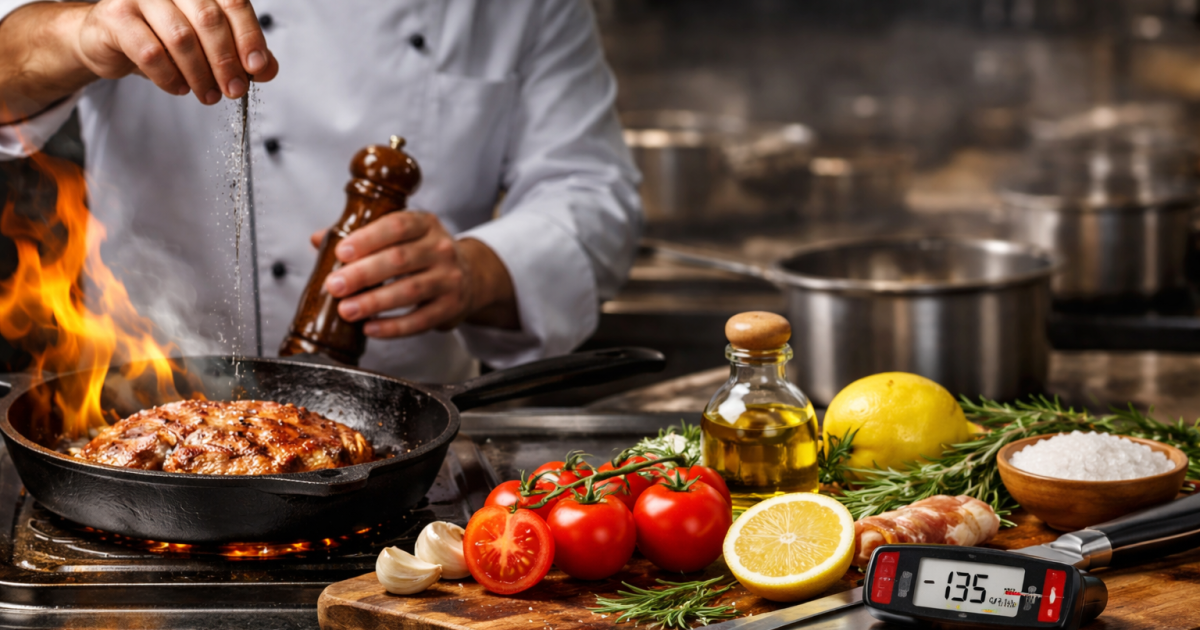
Cooking at home is one of life’s great pleasures, but professional chefs will tell you that many home cooks struggle with the same small mistakes again and again. These aren’t necessarily about complicated techniques, most are simple habits that dramatically affect flavor, texture, and consistency. Below are some of the most common mistakes chefs notice when people cook at home, and how to fix them.
1. NOT SEASONING FOOD PROPERLY
One of the most common issues chefs notice is under-seasoned food. Salt is not just about making food salty, it enhances flavor and balances bitterness and sweetness. Many home cooks only season at the end, avoid salt altogether, or forget to taste during cooking.
Chef’s tip:
Season in layers throughout the cooking process, not just at the end. Taste constantly and adjust as you go. Use acids such as lemon juice or vinegar to balance and elevate flavors.
2. COOKING WITH A PAN THAT ISN’T HOT ENOUGH
Placing food in a pan that is not properly heated causes it to steam instead of sear. This prevents caramelization and results in a lack of depth in flavor. For example, a steak in a lukewarm pan turns gray instead of forming a golden crust.
Chef’s tip:
Always preheat your pan for several minutes before adding oil or food. When the oil starts to shimmer, the pan is ready.
3. OVERCROWDING THE PAN
Adding too much food at once lowers the pan’s temperature, causing ingredients to release moisture and steam instead of brown. This often happens with mushrooms, chicken, and vegetables.
Chef’s tip:
Cook in batches to maintain proper heat. Prioritize good browning over speed for better flavor and texture.
4. NOT DRYING INGREDIENTS BEFORE COOKING
Moisture prevents proper browning. Wet ingredients will steam rather than develop a crust, resulting in less flavor and poor texture.
Chef’s tip:
Pat ingredients dry with paper towels before cooking, especially proteins like steak, chicken, fish, and scallops. A dry surface ensures proper searing.
5. MOVING FOOD TOO MUCH
Constantly stirring or flipping food prevents it from developing a proper crust. Browning requires time and direct contact with the pan.
Chef’s tip:
Let the food cook undisturbed. Allow steaks, chicken, and vegetables enough time to properly sear and caramelize before turning.
6. USING DULL KNIVES
A dull knife requires more force, increasing the risk of slipping and injury. It also damages ingredients, affecting both texture and presentation.
Chef’s tip:
Keep your knives sharp. Regular sharpening ensures cleaner cuts, better precision, and safer handling.
7. IGNORING TEMPERATURE WHEN COOKING MEAT
Relying on guesswork often leads to overcooked or undercooked meat. Many home cooks do not monitor internal temperature accurately.
Chef’s tip:
Use a digital thermometer for precision. As a guide: chicken should reach 74°C, medium steak 57°C, and pork 63°C. This removes uncertainty and improves consistency.
8. NOT LETTING MEAT REST
Cutting meat immediately after cooking causes juices to escape, resulting in dry meat.
Chef’s tip:
Let meat rest before cutting. Rest steaks for 5 to 10 minutes and larger cuts for 15 to 30 minutes to allow juices to redistribute.
9. USING LOW-QUALITY INGREDIENTS
Starting with poor-quality or less fresh ingredients limits the final result, no matter the technique.
Chef’s tip:
Choose fresh, high-quality ingredients whenever possible. Use ripe produce, fresh herbs, and real butter to naturally enhance flavor.
10. FOLLOWING RECIPES TOO RIGIDLY
Treating recipes as strict rules prevents adaptation to real conditions such as ingredient quality, equipment, or personal taste.
Chef’s tip:
Use recipes as a guide, not a rulebook. Taste and adjust continuously, whether by adding seasoning, acidity, or modifying cooking time.
As Chef Georges Dakak highlights, most cooking mistakes are not about skill, but about habits. Chefs focus on mastering fundamentals such as heat control, seasoning, preparation, and ingredient quality. Small adjustments can make a significant difference. Season progressively, control heat properly, avoid overcrowding, taste often, and start with good ingredients.
These simple principles can elevate everyday cooking to a more professional level.
TASTY RECIPES BY CHEF GEORGES DAKKAK