

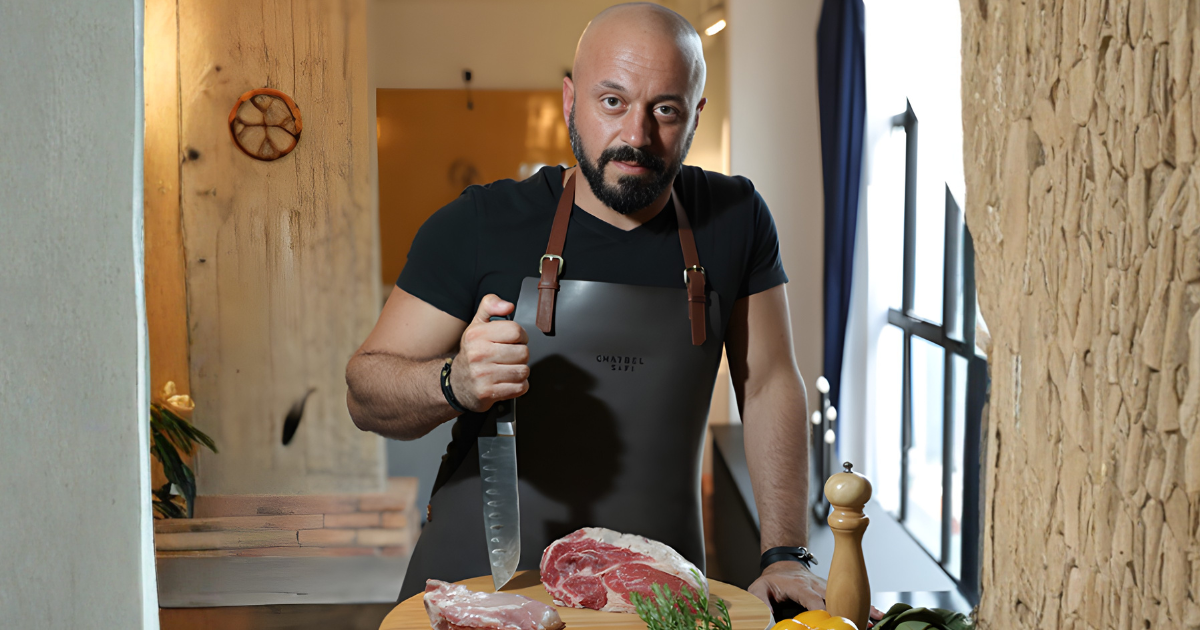
Rooted in tradition yet driven by innovation, Chef Charbel Safi is one of the culinary voices bringing Lebanese cuisine to the global stage. As a culinary consultant working with restaurants in Lebanon and abroad, Chef Safi’s mission goes beyond opening concepts, it’s about honoring heritage, preserving authentic flavors, and making Lebanon proud wherever his work travels. In this interview, Chef Safi shares insights into his international projects, his deep connection to Lebanese food, and the ingredients that continue to shape his culinary journey.
Can you tell our readers a bit about yourself and your work?
My name is Charbel Safi. I work as a culinary consultant for many restaurants in Lebanon and abroad. Even though we may not always be physically present in every country, what truly matters to us is making Lebanon proud and delivering authentic, high-quality Lebanese food to the world.
When it comes to food, what inspires you the most? Do you have favorite ingredients?
Honestly, my favorite ingredients are my mother’s food. It really depends on the moment, but right now I’m deeply into Lebanese food—there are no other cravings for me. I love anything with yogurt. I love dishes like loubya and habbé. This kind of food brings us back to our roots, to the roots we love and miss. So I wouldn’t say I have one favorite ingredient, but I truly miss traditional, old Lebanese ingredients and flavors.
Are there ingredients you always keep close, no matter where you are?
Yes, of course. I always have thyme with me, and I always have soy sauce. I really love soy—it’s used in many sauces, and I enjoy working with it. Thyme, soy, and olive oil are essentials for me. Olive oil especially—I have a real relationship with it.
Olive oil seems very close to your heart. What makes it so special for you?
Olive oil is my favorite ingredient. It’s hard to describe—it’s a scary variety, almost like wine. Once people truly learn about olive oil, they understand which type to use and how to use it. High-quality olive oil shouldn’t be used for cooking; it’s meant for raw applications. My relationship with olive oil is still evolving, and it’s something I deeply respect and continue to discover.
You’re currently involved in some international projects. Can you tell us more about what you’re working on now?
One of the projects I’m working on at the moment is in France. It’s a Lebanese “grab-and-go” concept, something modern yet deeply rooted in our cuisine. The plan is to open several units across different regions. We’ll start in Le Hors Ravois and then expand to other zones. That’s how we work—step by step, but always with a clear vision.