


Debunking Nutrition Myths in the Health Industry
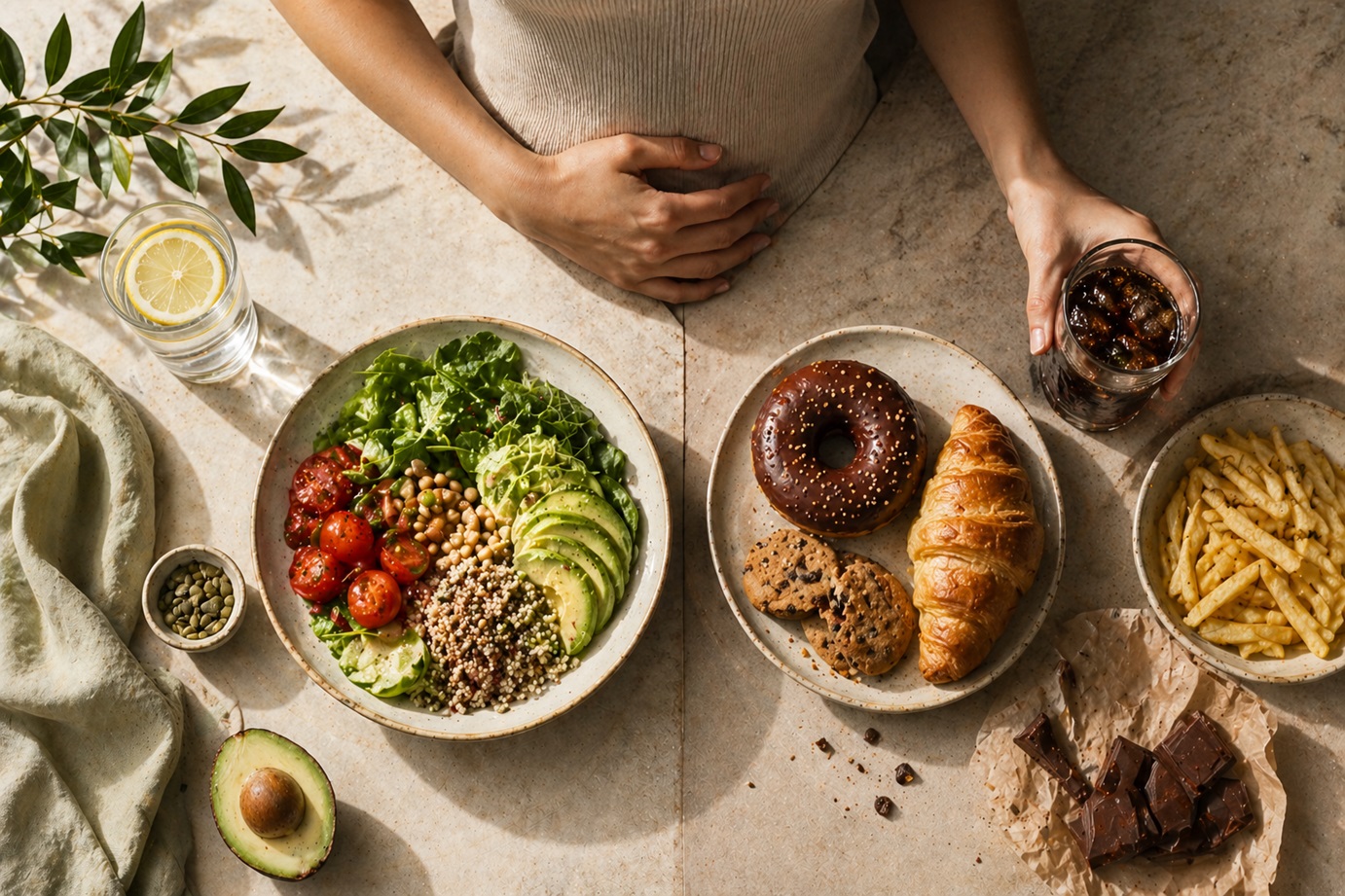
In today’s world, “healthy eating” is everywhere, on social media, in marketing campaigns, and in everyday conversations. Yet despite the abundance of information, confusion remains. Many people believe they’re making the right choices but still struggle with weight, digestion, or overall well-being. Tony Odayme, holistic nutritional therapist, break down some of the most common misconceptions about health and nutrition, and uncover what might actually be going on beneath the surface.
What Is a “Healthy” Food You Would Never Eat?
Dairy products are often considered a staple of a balanced diet, praised for their calcium and protein content. However, for some individuals, dairy can contribute to inflammation, digestive discomfort, or skin issues.
This doesn’t mean dairy is universally harmful, but it does highlight an important truth: no single food is healthy for everyone. Individual tolerance, gut health, and genetic factors all play a role. Listening to your body is more valuable than blindly following generalized dietary advice.
What Is the Biggest Lie About Healthy Eating?
One of the most persistent myths is that counting calories is the key to good health.
While calories do matter in a basic sense, focusing solely on numbers ignores the quality of food and how the body processes it. For example, 500 calories from processed sugar and 500 calories from whole foods affect your metabolism, hormones, and energy levels very differently.
Health is not just about quantity; it’s about nutrient density, balance, and how food interacts with your body.
Why Do People Eat “Clean” but Still Gain Weight?
This is a common frustration. Many people switch to “clean eating,” eliminating processed foods and choosing whole ingredients, yet still see weight gain.
Why?
Because timing and biological rhythm matter. Eating healthy foods at the wrong times, overeating even nutritious meals, or ignoring hunger and satiety cues can disrupt the body’s natural balance.
Additionally, stress, sleep quality, and hormonal regulation all influence weight. Health isn’t just about what you eat, but also when and how your body processes it.
What Is One Food You Should Stop Eating Today?
Hydrogenated oils are a strong candidate.
These artificial fats, often found in processed and packaged foods, are linked to inflammation and an increased risk of chronic diseases. Unlike natural fats, hydrogenated oils can interfere with normal cellular function and negatively impact heart health.
Avoiding them is a simple but powerful step toward improving overall well-being.
Why Do We Feel Bloated Even When We Eat “Healthy”?
Bloating is often misunderstood. Many assume it’s caused by unhealthy food, but even nutritious meals can lead to discomfort.
Some common reasons include:
- Eating too quickly: poor chewing makes digestion harder
- Improper food combinations: certain foods digest at different rates and may cause fermentation in the gut
- Overeating healthy foods: even nutritious food in excess can overwhelm the digestive system
In many cases, the issue isn’t just what you eat, but how you eat.
OTHER ARTICLES YOU MAY LIKE