




GROWING YOUR OWN HERBS
Cooks love the unique flavors that herbs lend to all kinds of food and drink. Plant herbs at home to take your cooking to the next level.
There is something really satisfying about growing your own herbs. Growing herbs is relatively easy, and the result is fantastic, especially if you love cooking and using fresh herbs in you dishes. Growing your own herbs isn’t difficult. All it requires is proper materials, planting pots and a good maintenance.
Pick Your Pots
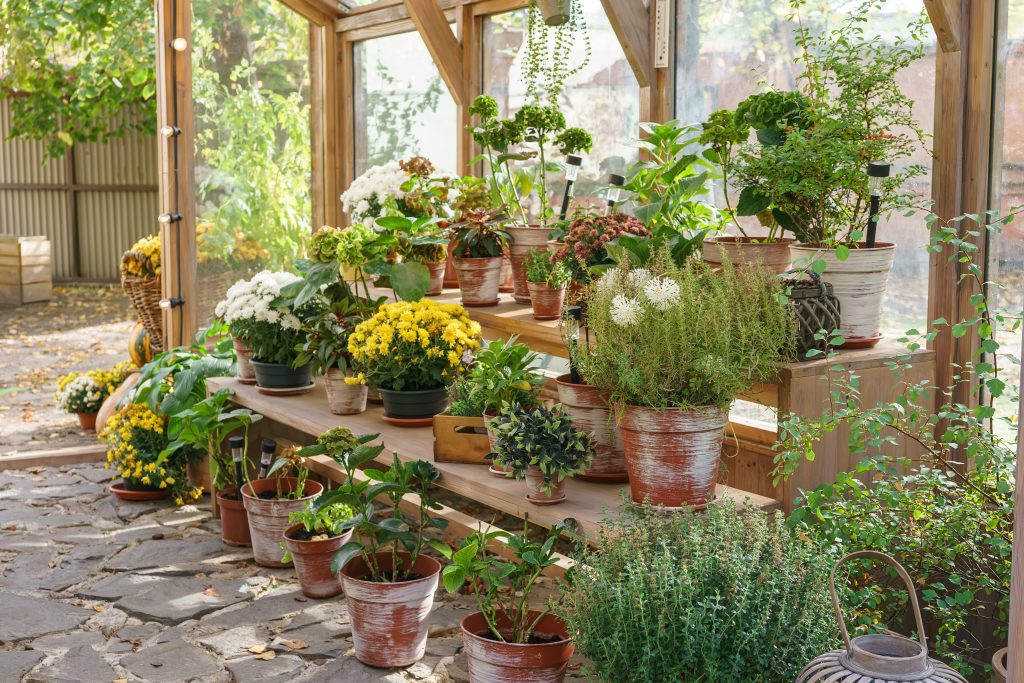
Clay, wood, resin or metal, the material of your container can vary, the most important is to provide enough drainage.Any pot or planter you will chose must let excess water escape, which is why most planting container bottoms have holes in them. Pick a container that matches the size of the herbs you’ll grow.
Choose Your Herbs
Start simple, these herbs are easy to grow and don’t mind frequent harvesting.
Basil: Start from seeds and place the pots in a south-facing window; it likes lots of sun.
Mint: It can handle shade but it’s better suited to strong sunlight.
Oregano: It requires full sunshine and lots of drainage.
Parsley: It does best in moist, well-drained soil and can grow in partially shaded areas.
Thyme: It has heavily scented leaves and prefers less water. Thyme doesn’t need full sunlight exposure.
Rosemary: Highly aromatic, it requires cool climates with plenty of sun and moist (not wet) soil. In winter, it is recommended to bring rosemary indoors if possible.
Use Starter Plants
If you’re a beginner, use starter plants for your herbs. This will save you two to three weeks of growing time and increase your chances of a successful harvest.
Get the Right Soil
Start with good-quality potting soil (not garden soil). It ensures good drainage. As with other plants in containers, herbs require regular watering and fertilization throughout the growing season.
Maintenance
Regular care will ensure your success. You must water your herbs regularly and harvest them often. Most herbs thrive in full sun (six or more hours of direct sunlight per day). If you have a garden that receives less sun, choose herbs that don’t need as much. During the outdoor growing season, use liquid fertilizer at the rate recommended on the package. If you bring plants inside for the winter, they require much less fertilization, once or twice a month is sufficient.